How to Clean Toilet Brush and Holder
Keeping your toilet brush and holder clean is essential for a hygienic bathroom. This guide walks you through safe, effective cleaning methods using everyday household items. With the right routine, you can eliminate germs and prevent odors, ensuring your toilet stays fresh and sanitary.
Key Takeaways
- Regular cleaning prevents bacteria buildup: Daily or weekly cleaning removes germs and keeps your toilet brush holder hygienic.
- Use safe, effective cleaning agents: White vinegar, baking soda, or mild dish soap are safe and powerful for disinfecting.
- Disassemble when possible: Taking apart the holder allows for thorough cleaning of hard-to-reach areas.
- Sanitize with boiling water: Periodically soaking the brush in boiling water kills lingering bacteria.
- Replace brushes when worn: Worn bristles lose effectiveness and can harbor more germs—replace every 6–12 months.
- Store properly between uses: Keep the brush upright and allow it to dry completely to prevent mold.
- Consider antimicrobial brushes: Some brushes come with built-in antimicrobial protection for longer freshness.
📑 Table of Contents
- How to Clean Toilet Brush and Holder: A Complete Guide
- Why Cleaning Your Toilet Brush and Holder Matters
- What You’ll Need to Clean Your Toilet Brush and Holder
- Step-by-Step Guide: How to Clean Your Toilet Brush and Holder
- Deep Cleaning: Weekly Maintenance Tips
- Natural and Eco-Friendly Cleaning Options
- Common Mistakes to Avoid
- How to Store Your Toilet Brush Properly
- Choosing the Right Toilet Brush and Holder
- Signs It’s Time to Replace Your Toilet Brush
- Bonus Tips for a Sparkling Bathroom
- Conclusion: Keep Your Toilet Brush Fresh and Functional
How to Clean Toilet Brush and Holder: A Complete Guide
Let’s be honest—no one enjoys thinking about cleaning the toilet brush. But let’s face it: that little brush and its holder are one of the germiest spots in your bathroom. They come into contact with waste, splashes, and moisture, making them a breeding ground for bacteria if not cleaned properly. Yet, many people either skip cleaning the holder or use harsh chemicals that damage the brush or leave behind chemical residues.
The good news? Cleaning your toilet brush and holder doesn’t have to be a daunting task. With a few simple steps and common household items, you can keep your bathroom smelling fresh and your brush working effectively. This guide will walk you through everything you need to know—from daily maintenance to deep cleaning—so your toilet brush stays hygienic and your bathroom stays clean.
Why Cleaning Your Toilet Brush and Holder Matters
Your toilet brush and holder are more than just tools—they’re part of your bathroom’s hygiene system. Without proper care, they can become a source of cross-contamination, spreading germs to your hands, toilet seat, and even other surfaces in the bathroom.

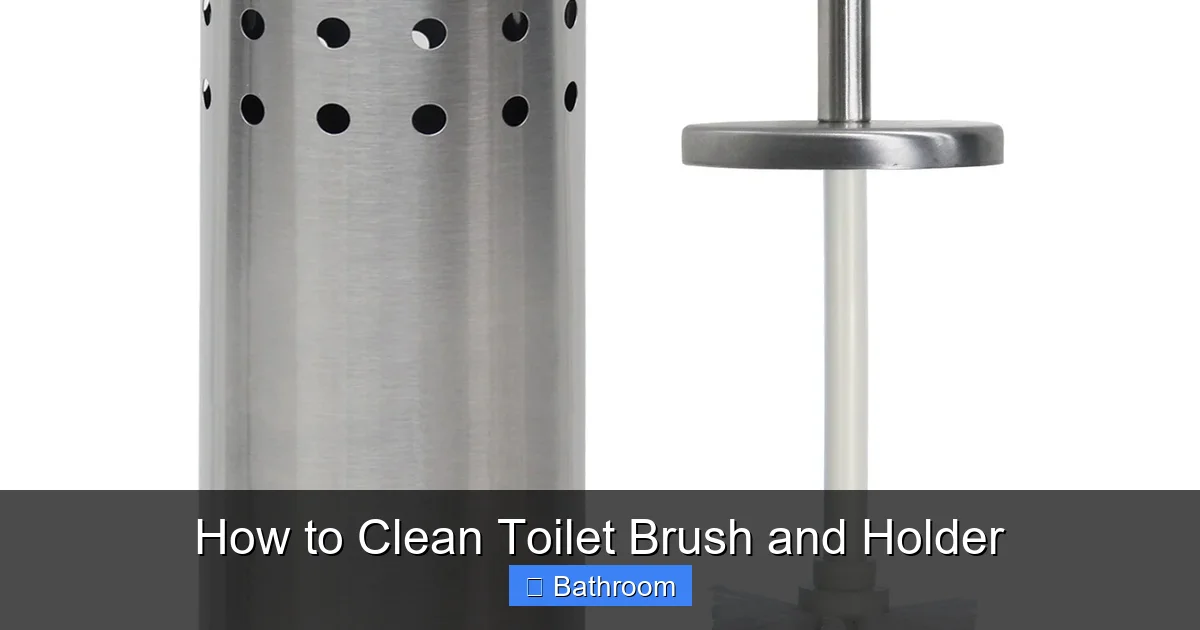
Visual guide about How to Clean Toilet Brush and Holder
Image source: cdn.apartmenttherapy.info
The Hidden Dangers
Studies have shown that toilet brushes can harbor coliform bacteria, including E. coli and fecal coliforms, if not cleaned regularly. These bacteria thrive in moist environments, and the bristles and crevices of the brush are perfect hiding spots. Similarly, the holder itself can trap moisture, soap scum, and even mold if left uncleaned.
When you reach for your brush, you want to be sure it’s not just removing waste—but also not spreading germs. That’s why cleaning your toilet brush and holder isn’t just about appearance; it’s about health and safety.
How Often Should You Clean It?
Ideally, you should clean your toilet brush and holder daily or every time you use it. After each use, rinse the brush under hot water and wipe the holder with a disinfecting wipe or spray. For a deeper clean, perform a full cleaning session once a week. This routine helps maintain hygiene and extends the life of your brush.
What You’ll Need to Clean Your Toilet Brush and Holder
You don’t need expensive products or specialized tools to clean your toilet brush effectively. Most of what you need is already in your kitchen or bathroom cabinet. Here’s a list of supplies that work well:

Visual guide about How to Clean Toilet Brush and Holder
Image source: homerises.com
- White vinegar – A natural disinfectant that breaks down mineral deposits and kills bacteria.
- Baking soda – Great for scrubbing away grime and neutralizing odors.
- Hydrogen peroxide (3%) – A powerful disinfectant that’s safe for most surfaces.
- Disinfecting spray or wipes – Convenient for quick cleanups.
- Toothbrush or old scrub brush – For scrubbing hard-to-reach spots in the holder.
- Hot water – Essential for rinsing and sanitizing.
- Microfiber cloth or paper towels – For drying and wiping.
- Rubber gloves – To protect your hands during cleaning.
These items are affordable, eco-friendly, and effective. Avoid bleach unless your brush is labeled as bleach-safe—bleach can degrade bristles and plastic over time.
Step-by-Step Guide: How to Clean Your Toilet Brush and Holder
Follow these simple steps to deep clean your toilet brush and holder. This process takes about 10–15 minutes and ensures your brush is sanitized and ready for the next use.

Visual guide about How to Clean Toilet Brush and Holder
Image source: homerises.com
Step 1: Empty and Rinse
Start by removing the brush from the holder. Rinse it thoroughly under hot water to remove any visible waste. Shake off excess water and set it aside.
Next, empty any standing water from the holder. If it has a removable cap or base, take it off to access all areas. Rinse the holder with hot water to flush out debris.
Step 2: Scrub the Holder
Sprinkle a small amount of baking soda into the holder. Add a few drops of dish soap or a tablespoon of white vinegar. Use a toothbrush or old scrub brush to scrub the interior, especially around the bristles and crevices where gunk builds up.
For stubborn stains or mineral deposits, let the mixture sit for 5–10 minutes before scrubbing again. This helps break down tough buildup.
Step 3: Disinfect
Spray or wipe the inside of the holder with a disinfecting solution. You can use a mix of 1 part hydrogen peroxide to 1 part water, or a diluted vinegar solution (1:1 with water). Let it sit for 5 minutes to kill bacteria.
If your brush is plastic and heat-safe, you can sanitize it by soaking it in boiling water for 5–10 minutes. This kills germs that water alone can’t reach.
Step 4: Rinse and Dry
Rinse both the brush and holder thoroughly under hot water to remove all cleaning residue. Shake the brush to remove excess water and place it upright in a dry holder. Make sure the holder is completely dry before putting the brush back in.
Step 5: Wipe Down Exterior Surfaces
Don’t forget the outside of the holder! Use a damp cloth or disinfecting wipe to clean the exterior, especially if it’s made of plastic or metal. This prevents cross-contamination when you pick up the brush.
Deep Cleaning: Weekly Maintenance Tips
While daily rinsing keeps things fresh, a weekly deep clean ensures long-term hygiene. Here’s how to go beyond the basics:
Soak the Brush Weekly
Once a week, soak your toilet brush in a bowl of warm water mixed with a cup of white vinegar for 15–20 minutes. This helps break down biofilm and kills bacteria. After soaking, scrub with a brush and rinse thoroughly.
Clean the Holder Interior
If your holder has crevices or a non-removable base, use a bottle brush or pipe cleaner to reach deep inside. You can also fill the holder with hot water and a few tablespoons of baking soda, swirl it around, and let it sit for 10 minutes before rinsing.
Check for Wear and Tear
While cleaning, inspect your brush for worn bristles or cracked handles. If the bristles are frayed or the handle is cracked, it’s time to replace the brush. A damaged brush can’t clean effectively and may spread germs.
Natural and Eco-Friendly Cleaning Options
Want to avoid harsh chemicals? You can clean your toilet brush and holder using only natural ingredients. Here are some effective eco-friendly methods:
Vinegar and Baking Soda Combo
Mix equal parts white vinegar and baking soda to create a fizzy, cleaning paste. Apply it to the brush and holder, scrub, and rinse. The vinegar kills bacteria, while baking soda removes stains and odors.
Lemon Juice and Salt
Lemon juice is a natural disinfectant, and salt acts as a gentle abrasive. Rub a mix of lemon juice and salt over the brush bristles and holder interior. Let it sit for 10 minutes, then rinse.
Essential Oils for Freshness
Add a few drops of tea tree or lavender essential oil to your cleaning water. These oils have antimicrobial properties and leave a fresh scent. Just be sure to use food-grade oils and dilute them properly.
Common Mistakes to Avoid
Even with the best intentions, it’s easy to make mistakes when cleaning your toilet brush. Here are some common pitfalls and how to avoid them:
- Using bleach on plastic brushes: Bleach can weaken plastic and cause bristles to degrade. Stick to vinegar, hydrogen peroxide, or dish soap.
- Not drying the brush: Always allow the brush to air dry completely between uses. Moisture promotes mold and bacteria growth.
- Storing the brush upside down: This traps water in the bristles. Always store it upright or in a holder that allows airflow.
- Reusing old brushes too long: Replace your brush every 6–12 months, or sooner if it shows signs of wear.
- Ignoring the holder: The holder is just as important as the brush. Clean it regularly to prevent germ buildup.
How to Store Your Toilet Brush Properly
Proper storage is key to keeping your toilet brush clean between uses. Here are some tips:
- Store upright: Place the brush in an upright position so water drains out of the bristles.
- Use a ventilated holder: Choose a holder with airflow or a lid that opens only when in use.
- Keep it away from the toilet rim: Place the holder on a separate shelf or stand to avoid splashes.
- Avoid covering the brush: While some people use covers, they can trap moisture. If you do use a cover, wash it weekly.
Choosing the Right Toilet Brush and Holder
Not all toilet brushes are created equal. When shopping for a new brush and holder, consider these features:
- Material: Opt for durable, non-porous materials like stainless steel or hard plastic. Avoid soft sponges or brushes with wooden handles that absorb water.
- Easy-to-clean design: Look for holders that are easy to disassemble or have smooth surfaces without deep crevices.
- Antimicrobial coating: Some brushes come with built-in antimicrobial protection to reduce bacterial growth.
- Ergonomic handle: A comfortable grip makes cleaning easier and reduces hand strain.
Investing in a high-quality brush and holder pays off in the long run—they’re easier to clean and last longer.
Signs It’s Time to Replace Your Toilet Brush
Even with regular cleaning, brushes have a lifespan. Here’s when to replace yours:
- Frayed bristles: If the bristles are worn down or coming loose, the brush can’t clean effectively.
- Cracked handle: Cracks can harbor bacteria and make the brush uncomfortable to use.
- Persistent odors: If no amount of cleaning removes the smell, the brush may be beyond saving.
- Stiff or discolored bristles: This indicates buildup that cleaning can’t remove.
Replace your brush every 6–12 months, or more often if you have a large household or use the bathroom frequently.
Bonus Tips for a Sparkling Bathroom
Want to take your bathroom cleaning to the next level? Here are some bonus tips:
- Clean the brush after every use: Rinse it immediately and wipe the holder. This prevents buildup.
- Use a brush with a replaceable head: Some brushes let you swap out the head instead of the whole brush, saving money and reducing waste.
- Wash your hands after cleaning: Always use soap and water to protect yourself from germs.
- Label your cleaning supplies: Keep your toilet brush cleaner in a labeled bottle so it’s easy to find.
Conclusion: Keep Your Toilet Brush Fresh and Functional
Cleaning your toilet brush and holder doesn’t have to be a chore—it can be a simple, effective part of your daily routine. By using the right tools, cleaning regularly, and storing your brush properly, you can keep your bathroom hygienic and odor-free.
Remember, a clean toilet brush isn’t just about cleanliness—it’s about health. By taking the time to clean and maintain your brush, you’re protecting yourself and your family from harmful bacteria. With this guide, you now have all the tools and knowledge to do it right.
So the next time you reach for your toilet brush, feel confident knowing it’s been properly cleaned and sanitized. Your bathroom—and your peace of mind—will thank you.
Frequently Asked Questions
How often should I clean my toilet brush and holder?
Clean your toilet brush and holder daily by rinsing after use. For a deep clean, do a full cleaning session once a week using vinegar, baking soda, and hot water.
Can I use bleach to clean my toilet brush?
Only if your brush is labeled as bleach-safe. Bleach can damage plastic and degrade bristles over time. Use vinegar or hydrogen peroxide instead for safer disinfecting.
How do I get rid of stubborn stains in the holder?
Mix baking soda and vinegar to create a paste. Apply it to the stained area, let it sit for 10 minutes, then scrub with a brush and rinse thoroughly.
Is it safe to soak my toilet brush in boiling water?
Yes, if your brush is made of heat-safe plastic or metal. Soak it in boiling water for 5–10 minutes to kill bacteria. Avoid doing this with wooden handles or soft brushes.
How do I prevent mold in my toilet brush holder?
Always dry the brush completely after use and store it upright. Clean the holder weekly with vinegar or a disinfecting spray to prevent moisture buildup.
When should I replace my toilet brush?
Replace your brush every 6–12 months, or sooner if the bristles are frayed, the handle is cracked, or it no longer cleans effectively.