How to Clean Toilet Without Brush
Cleaning your toilet without a brush is not only possible but also safer and more effective. Using everyday household items like vinegar, baking soda, and microfiber cloths, you can remove stains, kill germs, and leave your bathroom sparkling. These brush-free methods reduce plastic waste and exposure to bacteria, making them ideal for eco-conscious homeowners.
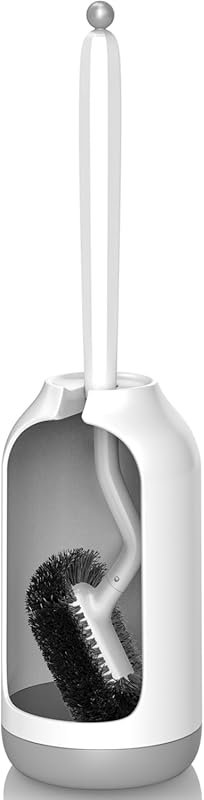
Have you ever stepped into the bathroom and noticed a stubborn ring around your toilet bowl? Or maybe it’s just time for a deep clean, but you’re out of toilet brushes—or you’d rather avoid using one altogether? You’re not alone. Many people are looking for how to clean toilet without brush because traditional brushes can harbor bacteria, spread germs, or even scratch porcelain over time. Plus, they’re just not eco-friendly.
But here’s the good news: you don’t need a brush to get your toilet sparkling clean. In fact, there are several effective, brush-free methods that are safer, faster, and better for the environment. Whether you’re dealing with hard water stains, mildew, or just general grime, this guide will walk you through everything you need to know. We’ll cover everything from DIY cleaning solutions to high-tech tools, all without ever picking up a scrub brush.
By the end of this article, you’ll feel confident cleaning your toilet the smart way—without relying on a brush. Let’s dive in!
Key Takeaways
- No brush? No problem. You can clean your toilet effectively using common household ingredients and tools.
- Microfiber cloths are excellent for scrubbing and polishing without scratching surfaces.
- White vinegar dissolves mineral deposits and disinfects naturally.
- Baking soda acts as a gentle abrasive to lift stains and neutralize odors.
- Steam cleaners provide powerful sanitization without chemicals.
- Regular maintenance prevents buildup, making deep cleaning easier over time.
- Safety first: Always wear gloves and ensure proper ventilation when cleaning.
📑 Table of Contents
- The Benefits of Cleaning Your Toilet Without a Brush
- Essential Tools and Supplies for Brush-Free Cleaning
- Step-by-Step: How to Clean Your Toilet Without a Brush
- Natural Cleaning Solutions That Work Like Magic
- How to Tackle Stubborn Stains Without Scrubbing
- Maintaining a Clean Toilet Between Deep Cleans
- Eco-Friendly Alternatives to Traditional Cleaning
- When to Call a Professional
- Conclusion: Clean Smarter, Not Harder
The Benefits of Cleaning Your Toilet Without a Brush
Before we jump into the “how-to,” let’s talk about why avoiding the brush might be a game-changer for you.
First, toilet brushes can become breeding grounds for bacteria. Studies show that brushes left in the holder often grow mold and bacteria, especially if they’re not rinsed thoroughly after each use. This means every time you use the brush, you might be reintroducing germs back into your toilet.
Second, using a brush often requires harsh chemicals. While some cleaners work well with a scrubbing motion, many people rely on abrasive cleaners that can damage porcelain or release fumes.
Third, many brushes are made of plastic, contributing to waste. By switching to reusable, sustainable tools, you’re doing your part for the planet.
Finally, some people simply find brushing uncomfortable or unhygienic. If that’s you, you’ll love these brush-free alternatives—they’re gentler, more effective, and just as satisfying.
Essential Tools and Supplies for Brush-Free Cleaning
You don’t need a full arsenal of cleaning products to get started. In fact, most of what you need is already in your kitchen or bathroom.
1. Microfiber Cloths
These are your best friend. Unlike sponges or brushes, microfiber cloths are lint-free, reusable, and great at trapping dirt and bacteria. They’re perfect for wiping down the exterior of the toilet and polishing the bowl after cleaning.
2. White Vinegar
A natural disinfectant and descaler, vinegar is excellent for breaking down mineral buildup and killing germs. It’s also safe for most surfaces, including porcelain and plastic.
3. Baking Soda
This mild abrasive helps lift stains and deodorize. It’s gentle enough for daily use but tough enough to tackle stubborn rings.
4. Spray Bottle
A simple spray bottle makes it easy to apply vinegar or cleaning solutions directly to problem areas.
5. Rubber Gloves
Always protect your hands. Rubber gloves keep your skin safe from chemicals and germs.
6. Steam Cleaner (Optional)
If you’re serious about deep cleaning, a handheld steam cleaner can sanitize without any chemicals. It’s especially useful for killing mold and mildew.
With these tools on hand, you’re ready to clean your toilet the smart way.
Step-by-Step: How to Clean Your Toilet Without a Brush
Let’s get practical. Here’s a simple, effective method you can follow every time.
Step 1: Flush and Remove the Lid
Start by flushing the toilet to wet the bowl. Then, lift the lid and set it aside. This prevents water from splashing onto your clothes or floor.
Step 2: Sprinkle Baking Soda
Sprinkle a generous amount of baking soda into the bowl, focusing on stained areas. Baking soda will start working immediately to break down grime.
Step 3: Pour in White Vinegar
Next, pour about 1–2 cups of white vinegar into the bowl. You’ll see it fizz—this is normal! The vinegar reacts with the baking soda to lift stains and disinfect.
Step 4: Let It Sit
Allow the solution to sit for 15–30 minutes. For really tough stains, you can leave it overnight.
Step 5: Scrub with a Microfiber Cloth or Sponge
Now, use a clean microfiber cloth, old toothbrush, or even a soft sponge to gently scrub the inside of the bowl. You don’t need much pressure—just enough to lift the stain.
Step 6: Flush and Wipe Down
Flush the toilet to rinse everything away. Then, use a dry microfiber cloth to wipe down the exterior, including the seat, lid, and base.
And that’s it! Your toilet should be clean, fresh, and germ-free—all without a brush.
Natural Cleaning Solutions That Work Like Magic
If you want to go all-natural, here are a few more powerful solutions you can make at home.
1. Lemon Juice and Salt
Lemon juice is acidic and cuts through grease, while salt acts as a gentle scrub. Mix equal parts lemon juice and salt to form a paste. Apply it to stains, let it sit for 10 minutes, then wipe clean.
2. Hydrogen Peroxide
Hydrogen peroxide is a natural disinfectant. Pour 1 cup into the bowl, let it sit for 10 minutes, then wipe with a cloth. It’s especially good for killing bacteria and whitening.
3. Club Soda
Believe it or not, club soda can help remove hard water stains. Pour it into the bowl, let it sit for 15 minutes, then wipe with a microfiber cloth.
These solutions are not only effective but also safe for your family and the environment.
How to Tackle Stubborn Stains Without Scrubbing
We’ve all been there: that dark ring that just won’t budge. Here’s how to remove it without harsh scrubbing.
1. Use a Plastic Scraper
If you have a plastic putty knife or old credit card, it can be used to gently scrape off mineral deposits. Be careful not to scratch the porcelain.
2. Apply a Toothpaste Trick
Non-gel, non-whitening toothpaste contains mild abrasives. Squeeze some into the stain, let it sit for 10 minutes, then wipe with a damp cloth.
3. Try a Commercial No-Scrub Cleaner
Some cleaners are designed to dissolve stains without scrubbing. Look for enzyme-based or citric acid formulas.
4. Use a Soft-Bristled Brush (Optional)
If you absolutely need a brush, choose one with soft bristles and clean it thoroughly afterward. But again, microfiber cloths work just as well.
Maintaining a Clean Toilet Between Deep Cleans
Consistency is key. Here’s how to keep your toilet clean without constant deep cleaning.
1. Wipe Down Weekly
Use a damp microfiber cloth to wipe the exterior and lid weekly. This prevents buildup and keeps things fresh.
2. Use a Bowl Cleaner Tablet
Drop a cleaning tablet into the bowl after each use. It helps prevent stains and keeps the water fresh.
3. Avoid Harsh Chemicals
Over time, harsh cleaners can damage the bowl. Stick to natural solutions like vinegar and baking soda.
4. Clean the Brush Holder (If You Use One)
If you do use a brush, clean its holder weekly with vinegar to prevent mold.
By following these tips, you’ll reduce the need for frequent deep cleans.
Eco-Friendly Alternatives to Traditional Cleaning
Want to go green? Here’s how.
1. Reusable Cleaning Cloths
Instead of paper towels, use washable cloths. They’re better for the planet and just as effective.
2. DIY Cleaning Sprays
Make your own spray by mixing vinegar, water, and a few drops of essential oil.
3. Reduce Plastic Waste
Avoid disposable wipes and single-use cleaners. They’re not only bad for the environment but can also clog pipes.
4. Use a Squeegee After Use
A squeegee on the outside of the bowl helps prevent water spots and buildup.
By adopting these habits, you’ll keep your bathroom clean and sustainable.
When to Call a Professional
Even the best methods can’t fix everything. If you notice:
– Persistent leaks
– Cracks in the porcelain
– Severe mold or mildew
– Clogged pipes
It’s time to call a plumber or handyman. Regular cleaning can’t fix structural issues, but it can prevent them from getting worse.
Conclusion: Clean Smarter, Not Harder
Cleaning your toilet without a brush is not only possible—it’s better. With tools like microfiber cloths, vinegar, and baking soda, you can achieve a spotless, germ-free bathroom without the hassle of a scrub brush. These methods are safer, more eco-friendly, and often more effective.
Remember, consistency matters more than intensity. A quick wipe-down and weekly clean can keep your toilet looking and smelling fresh. And if you ever run into stubborn stains, don’t panic—there are plenty of natural solutions to help you out.
So next time you’re cleaning your toilet, skip the brush. Your bathroom—and your peace of mind—will thank you.
Frequently Asked Questions
Can I really clean my toilet without a brush?
Yes! Using tools like microfiber cloths, baking soda, and vinegar, you can effectively clean your toilet without ever picking up a brush. These natural methods remove stains and kill germs safely.
What’s the best natural cleaner for toilet stains?
White vinegar and baking soda are the top choices. When mixed, they create a fizzy reaction that lifts stains and disinfects the bowl naturally.
How often should I clean my toilet without a brush?
For best results, clean the exterior weekly and perform a deep clean of the bowl every 1–2 weeks. Regular maintenance prevents buildup.
Are microfiber cloths better than brushes?
Yes. Microfiber cloths trap dirt and bacteria without scratching surfaces, and they’re reusable and eco-friendly—unlike brushes that often harbor germs.
Can I use club soda to clean my toilet?
Absolutely. Club soda helps dissolve hard water stains. Pour it into the bowl, let it sit for 15 minutes, then wipe with a cloth.
Is steam cleaning safe for my toilet?
Yes, steam cleaners are safe and effective. They sanitize without chemicals and are great for killing mold and mildew.