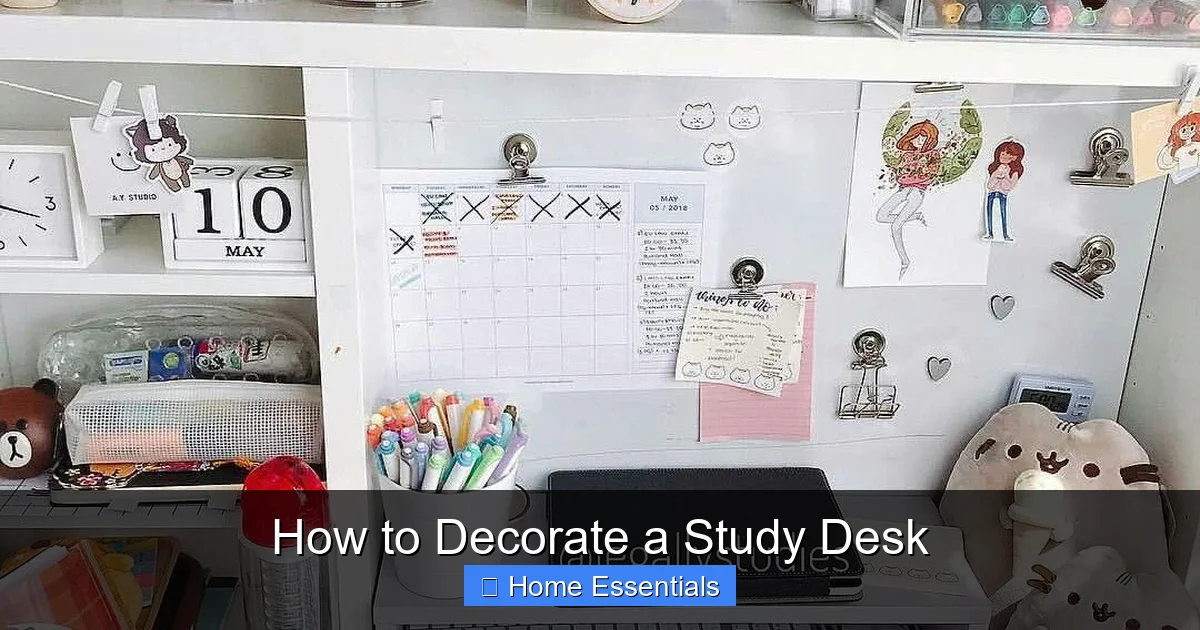
How to Decorate a Study Desk
Decorating your study desk is about more than just looks—it’s about creating a space that boosts focus and joy. Start with the right desk and ergonomic setup, then master organization with smart storage. Lighting is key; consider smart bulbs for adjustable mood. Add personal touches like plants or art without clutter, and maintain your space with simple daily habits like dusting with a microfiber cloth. A well-decorated desk transforms your study time from a chore to a pleasure.
Hey there! Let’s chat about your study desk. That’s right—that surface where you spend hours reading, writing, and maybe even daydreaming. It’s easy to see it as just a table, but what if I told you that how you decorate a study desk can completely change how you think, create, and feel? It’s true. A cluttered, dim, or impersonal desk can drain your energy. But a thoughtfully decorated one? That becomes your sanctuary, your launchpad for ideas. This isn’t about fancy interior design. It’s about practical, simple steps to build a workspace that works for you. So, grab a coffee (or tea!), and let’s turn that desk from drab to dynamic.
Key Takeaways
- Foundation First: Choose a desk that fits your space and body. Ergonomics matter for long-term comfort and health.
- Organize to Optimize: Use drawer organizers, cable management, and a “home for everything” to keep clutter at bay.
- Light Strategically: Combine natural light with layered artificial lighting. Smart bulbs offer customizable brightness and color temperature.
- Personalize with Purpose: Add items that inspire you—like a plant or photo—but keep them minimal to avoid distraction.
- Maintain Consistently: A 5-minute daily tidy-up and weekly deep clean with proper tools (like a microfiber cloth) keep your desk pristine.
- Function Over Fashion: Every decorative item should serve a purpose, whether storage, lighting, or motivation.
- Adapt and Evolve: Your needs change. Regularly reassess your desk setup and adjust as your study habits or goals shift.
📑 Table of Contents
Laying the Foundation: Your Desk and Ergonomics
Before we talk about the fun stuff—like pictures and plants—we need to talk about the desk itself. You can’t build a beautiful, functional room on a shaky foundation, and the same goes for your workspace. The right desk sets the stage for everything else. This is the bedrock of learning how to decorate a study desk effectively.
Choosing the Right Desk for Your Space
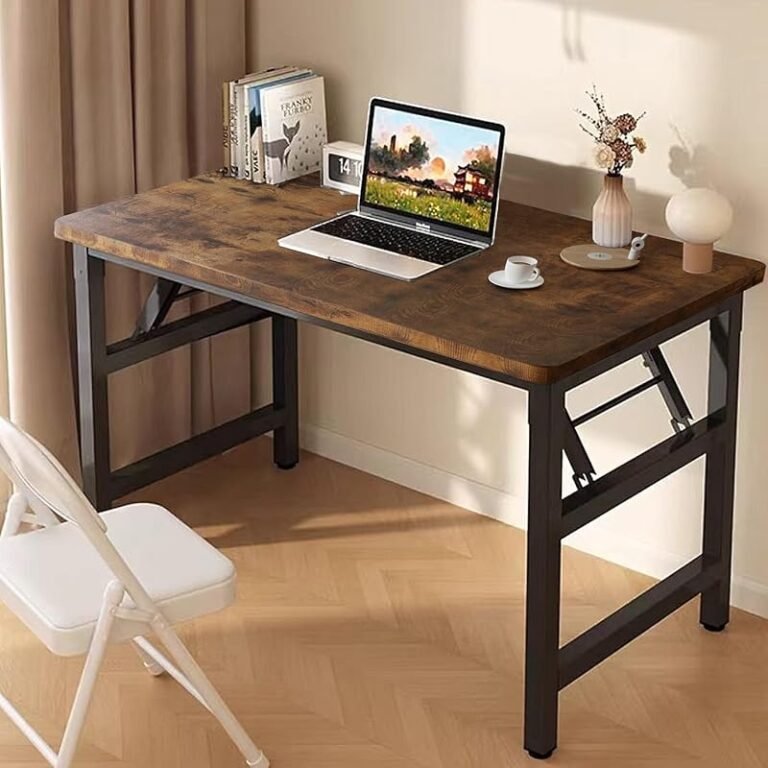
First, size matters. Measure your room! A huge desk in a small nook will feel overwhelming. A tiny desk in a large room will look lost. Aim for a desk that fits comfortably with at least 30 inches of clearance behind it for your chair to move. Consider the shape: a rectangular desk is classic, but an L-shaped desk can maximize corner space if you have a lot of materials. For smaller areas, a wall-mounted floating desk saves floor space and creates an airy feel. Material is key too. Solid wood is sturdy and beautiful but can be pricey. Laminate or melamine are budget-friendly and come in many finishes. Glass adds a modern touch but shows fingerprints—more on cleaning that later! Pick a material that suits your style and your willingness to maintain it.
Ergonomics: Comfort is Non-Negotiable
This is the part people skip, and then their back pays for it. When you decorate a study desk, you must decorate for your body. Your elbows should be at a 90-degree angle when typing, with your forearms parallel to the floor. Your feet should rest flat on the ground or on a footrest. The top of your monitor should be at or just below eye level, about an arm’s length away. An adjustable chair is a must-investment. Look for lumbar support. If your desk is fixed-height, a sit-stand converter can be a game-changer, letting you alternate between sitting and standing throughout the day. Trust me, your future self will thank you for not ignoring this step.
Setting Up Before You Style
Got your desk? Great. Now, set it up bare. Place your computer, main lamp, and essential supplies. Sit down and use it for a day or two. This lets you understand your natural flow. Where do you put your notebook when a thought strikes? Which hand do you use for the mouse? This “blank canvas” period reveals your hidden habits. You’ll learn where you need storage (left or right side?) and what items you constantly reach for. This insight is gold for the next steps. Don’t jump to decorations yet—let the desk’s function reveal itself first.
Mastering Organization: Systems That Actually Work
Okay, foundation is set. Now, let’s tackle the beast: clutter. A messy desk is the arch-nemesis of a decorated one. But “organization” doesn’t mean stark and sterile. It means everything has a logical, accessible home. This is where function meets form.
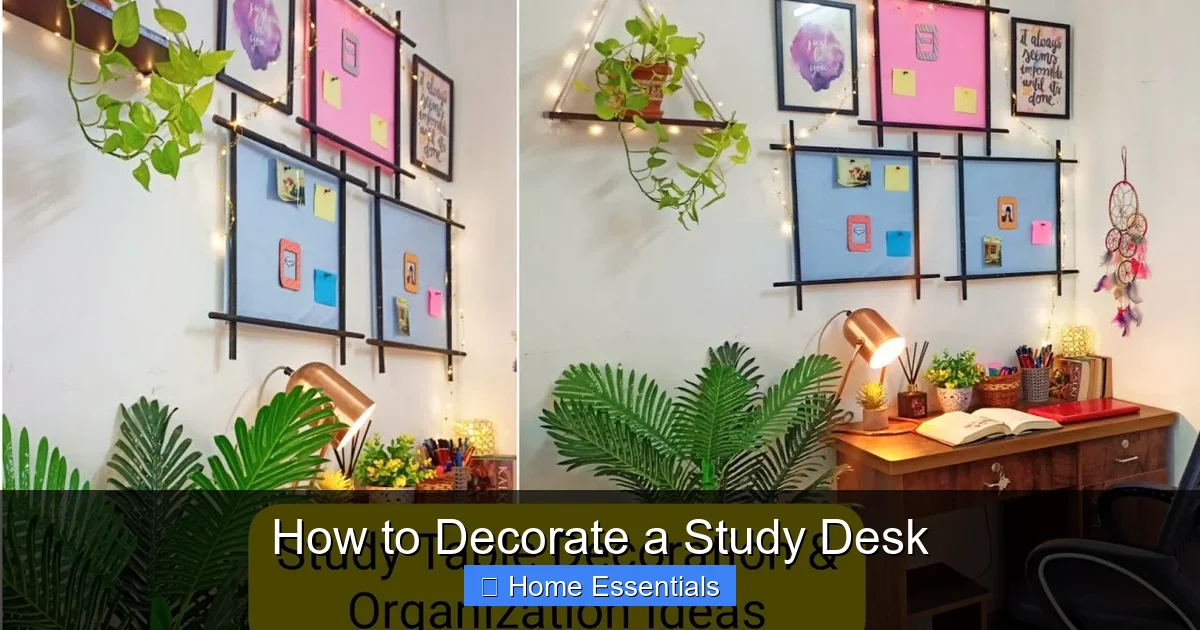
Visual guide about How to Decorate a Study Desk
Image source: i.ytimg.com
The “Everything in Its Place” Philosophy
Start by categorizing: writing tools, tech accessories, papers, personal items. Then, assign a specific spot for each category. Desk drawers are perfect for this. Use small drawer organizers—silicone or bamboo ones are lovely—to separate pens, paperclips, USB drives, and sticky notes. Label them if it helps you! For items you use daily, like your favorite pen or notebook, keep them on the desktop within arm’s reach. Less-frequently used items can go in deeper drawers or a nearby cabinet. The rule is: if you have to hunt for it, it’s not organized properly.
Cable Management: The Invisible Upgrade
Let’s be real: cables are ugly. They’re a tangled, distracting mess. Taming them is one of the biggest visual wins you can make. Start with a cable management box or a simple basket under your desk to hide power strips. Use cable clips or adhesive sleeves to route cords neatly along the desk leg or back edge. For frequently unplugged devices (like a laptop), use short, braided cables that look intentional. If you have a standing desk, consider a cable net that moves with the desk. This effort makes your desk look custom and clean, instantly elevating its style. Remember, a decorated study desk should feel calm, not chaotic.
Vertical Space is Your Friend
Don’t forget the walls and the space above your desk! A simple shelf or a set of wall-mounted organizers adds storage without taking up desktop real estate. Use it for books you reference often, decorative boxes for supplies, or even small plants. A pegboard is a fantastic, customizable option. You can hang baskets, shelves, and hooks for everything from headphones to scissors. It’s like a functional art piece. When you use vertical space, your desktop stays clear, which is crucial for focus and makes any decorative items you place there stand out more.
Lighting: The Secret Weapon for Productivity and Mood
Lighting can make or break your study environment. Harsh overhead lights cause eye strain. Dim lighting makes you sleepy. The right lighting, however, can energize you, help you focus, and even set a cozy mood for evening reading sessions. This is a cornerstone of how to decorate a study desk.
Visual guide about How to Decorate a Study Desk
Image source: png.pngtree.com
Layered Lighting: The Professional Approach
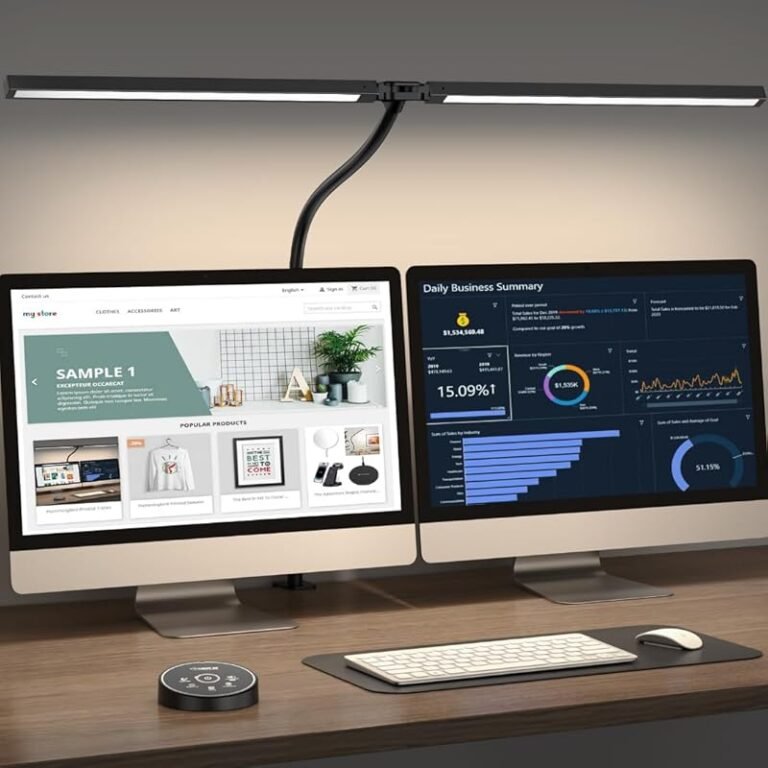
Never rely on a single light source. The goal is “layered lighting.” Start with ambient light—ideally natural light from a window. Position your desk perpendicular to the window to avoid glare on your screen. If that’s not possible, use sheer curtains to diffuse the light. Next, add task lighting. This is a direct light source for your work area, like a desk lamp. It should be bright enough to read by without casting shadows. Finally, consider accent lighting—a small LED strip under a shelf or a cute plug-in lamp—to add warmth and depth. This combination prevents eye fatigue and creates a visually interesting space.
Choosing the Perfect Desk Lamp
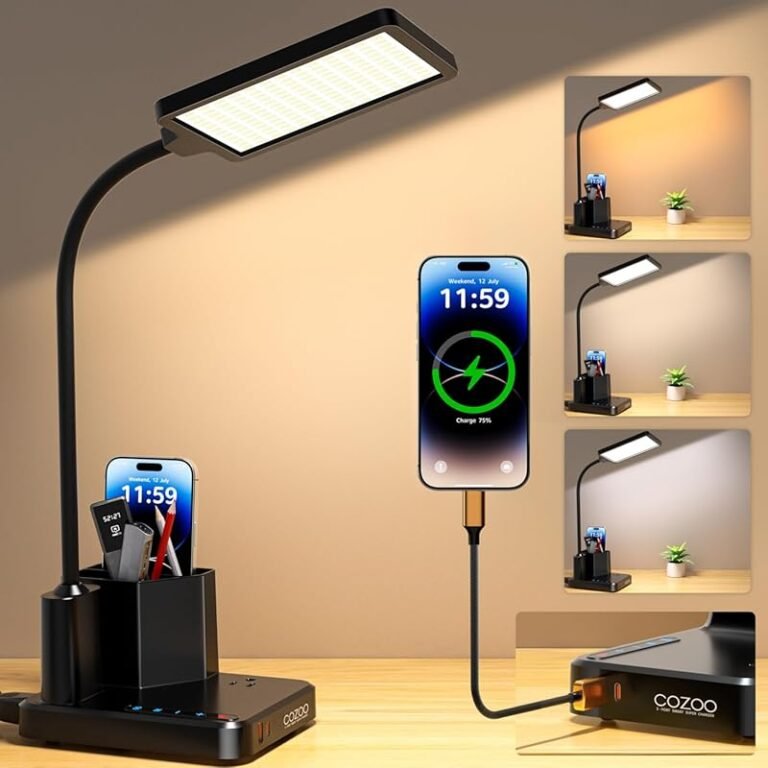
Your desk lamp is a major decorative element. Look for one with an adjustable arm so you can direct light exactly where you need it. The shade matters: a conical shade focuses light down, while a cylindrical shade spreads it more evenly. Style-wise, match it to your desk’s vibe. A sleek metal lamp for modern desks, a ceramic or woven base for bohemian feels, a vintage brass for classic charm. But here’s a pro tip: consider the bulb itself. A bulb with a color temperature of 4000K-5000K (cool white) is great for alert, focused work. A 2700K-3000K (warm white) bulb is better for relaxed reading. Having a lamp with a dimmer switch lets you adjust based on the time of day and task.
Smart Bulbs: Customizable Light at Your Fingertips
Want to take lighting to the next level? Smart bulbs are a decorator’s dream. You can change brightness and color temperature from your phone or with a voice assistant. Need bright, cool light for a morning study session? One tap. Want a warm, low glow for an evening brainstorming session? Another tap. Some even offer millions of colors for a fun, personalized touch. Setting them up is usually straightforward—screw in the bulb, download the app, and connect to your WiFi. If you use a voice assistant like Alexa, you can control your desk lamp with just your voice. It’s a small upgrade that makes your desk feel high-tech and tailored to your rhythm. For a seamless setup, check out our guide on how to connect a smart bulb to WiFi.
Adding Personality Without the Mess
Now for the fun part! This is where you infuse your desk with you. But there’s a fine line between a personalized workspace and a cluttered one. The goal is inspiration, not distraction.
Visual guide about How to Decorate a Study Desk
Image source: i.pinimg.com
The Rule of Three: A Simple Guideline
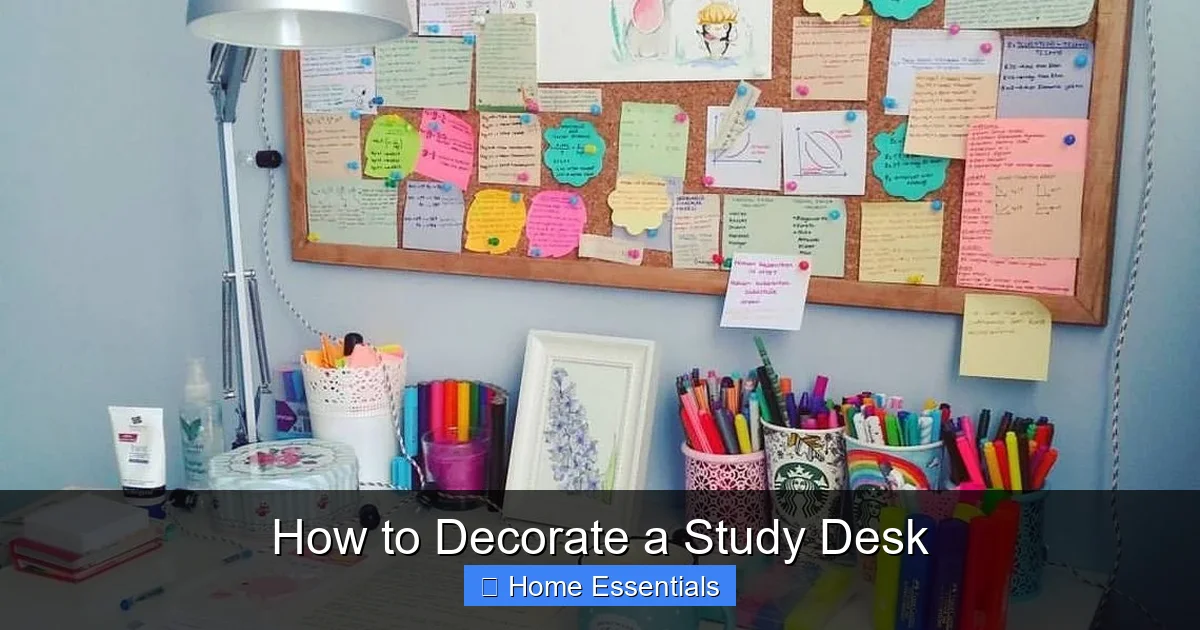
When adding decorative items, follow the “rule of three.” Group items in odd numbers (1, 3, or 5) for visual harmony. For example, a small plant, a framed photo, and a motivational pen cup. Or a stack of two favorite books with a small sculpture on top. This creates a balanced, intentional look. Avoid scattering single items all over the surface. Group them in “zones”: one corner for greenery, one area for inspiration, one spot for a practical but pretty item like a nice tape dispenser. This keeps things tidy while expressing your style.
What to Include: Meaningful & Functional Objects
What are the best things to put on your desk? Think multi-purpose. A plant is obvious—it adds life, improves air quality, and a touch of nature. A small succulent or a pothos in a cute pot is perfect. A piece of art that motivates you—a quote print, a small painting, or even a postcard from a place you love. A stylish container for your pens and pencils. A beautiful notebook that makes you want to write. A small tray for keys or coins. A framed photo of loved ones or a pet that makes you smile. A unique paperweight. Each item should spark joy or serve a clear purpose. If it doesn’t, it’s just clutter.
What to Avoid: The Clutter Culprits
Just as important is what not to put on your desk. Avoid large collections (like 20+ Funko Pops). Steer clear of excessive souvenirs or knick-knacks that gather dust. Skip noisy items (like a ticking clock) if you need silence. Be ruthless with old receipts, expired coupons, and broken things. A good test: if you haven’t used or genuinely appreciated an item in a month, it probably doesn’t belong on your desk. Remember, negative space is powerful. An empty spot on your desk is not a problem; it’s an opportunity for your next great idea.
Keeping It Fresh: Daily and Weekly Maintenance
You did it! Your desk is decorated, organized, and beautiful. Now, how do you keep it that way? A stunning desk that turns into a disaster zone in a week isn’t helping anyone. Maintenance is the secret final step in learning how to decorate a study desk.
The 5-Minute Evening Reset
This habit is non-negotiable. At the end of each study session or workday, spend just five minutes resetting your desk. Put pens back in their holder. File loose papers into their folders. Wipe down the surface with a damp cloth. Clear any coffee cups or snack wrappers. Push your chair in. This tiny ritual means you always sit down to a clean, ready-to-use desk the next day. It’s like making your bed—it sets a positive tone and prevents small messes from becoming overwhelming.
Weekly Deep Clean and Declutter
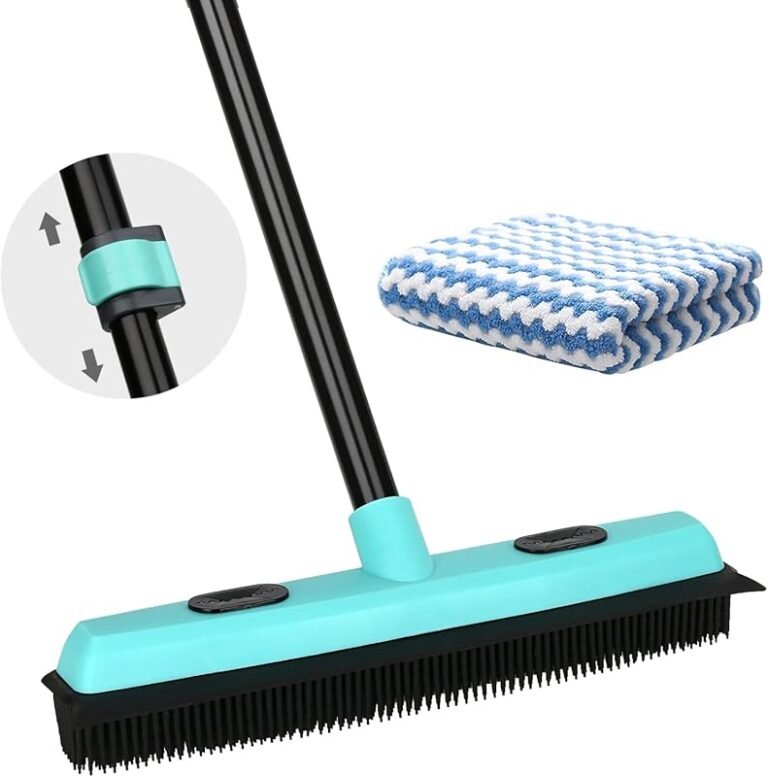
Once a week, do a more thorough clean. Dust every surface, including your monitor screen, keyboard, and lamp. Use the right tools for the job. For screens and smooth surfaces, a microfiber cloth is ideal—it grabs dust without scratching. For keyboards, turn it upside down and gently tap out debris, then use a microfiber cloth lightly dampened with isopropyl alcohol. Go through your drawers and purge anything that doesn’t belong. Reorganize if things have shifted. This weekly check-in ensures your systems keep working and your decor stays fresh.
Refreshing Your Decor Seasonally
Your desk decor doesn’t have to be static. A small seasonal refresh can keep the space feeling new and aligned with your energy. In spring, swap a wintery throw for a small vase of tulips. In summer, use a brighter lamp shade or a seashell paperweight. In fall, add a small pumpkin or warm-toned scarf. In winter, a cozy mug or a string of tiny fairy lights. These tiny changes cost little but make a big psychological impact, signaling that your space evolves with you.
Conclusion: Your Desk, Your Sanctuary
Decorating a study desk is a personal journey. It’s about blending practicality with personality to create a spot where you actually want to sit down and focus. Start with a solid foundation of the right desk and good ergonomics. Build unshakeable organization systems that mean everything has a home. Light your space thoughtfully, considering both function and mood with layered lighting and perhaps smart bulbs. Then, sprinkle in meaningful, purposeful personal touches—a plant, a photo, a piece of art that speaks to you. Finally, commit to simple maintenance: a nightly reset and a weekly clean with tools like a trusty microfiber cloth.
Your study desk is more than furniture. It’s the command center for your goals, your projects, and your learning. When you decorate it with intention, you’re not just styling a surface; you’re designing an environment that supports your best work and your calmest mind. So go ahead. Clear off that desk, dream a little, and build yourself a little haven. You’ve earned it. Now, what will you create there first?
Frequently Asked Questions
How can I decorate my study desk on a tight budget?
Focus on repurposing items you already own, like a nice mug for a pen holder or a framed photo. Shop thrift stores for unique lamps or organizers. Use free resources like printed motivational quotes. A single, affordable succulent adds life without cost. Prioritize function first, then add one or two inexpensive decorative touches.
My desk is very small. How can I decorate without making it feel cluttered?
Embrace vertical space with wall-mounted shelves or a pegboard. Use a minimalist desk pad to unify the surface. Choose a single, multi-functional decor item, like a plant that also has a small pot for pens. Keep everything off the desktop except your computer, one lamp, and one personal item. Less is definitely more on a small desk.
How do I stay organized after decorating my desk?
Implement the “one in, one out” rule for physical items. Use the nightly 5-minute reset ritual religiously. Label storage containers so you always know where things go. Keep only the tools for your current project on the desktop; store everything else. Regularly audit your desk every month to remove anything that doesn’t serve a purpose.
What is the best lighting for a study desk?
Layered lighting is best. Combine natural light with a dedicated task lamp (positioned to the side of your writing hand to avoid shadows) and a soft ambient source. For task lighting, choose a bulb around 4000K-5000K for cool, alert light. A dimmable lamp or smart bulb allows you to adjust brightness and warmth for different times and tasks.
How many personal items are too many for a study desk?
Aim for 3-5 meaningful items maximum. Use the “rule of three” for grouping. If you find yourself moving items aside to work, you have too many. Every personal item should inspire you or bring you joy without causing distraction. If in doubt, start with one and add slowly.
How often should I clean my decorated study desk?
Do a quick surface wipe-down with a damp or dry microfiber cloth every day or two to prevent dust buildup. Once a week, do a thorough cleaning: dust all surfaces, clean your monitor screen (using a proper microfiber cloth for electronics), organize drawers, and disinfect high-touch areas like your keyboard and mouse.