How to Decorate Office Desk with Plants
Decorating your office desk with plants is a simple yet powerful way to enhance your workspace. It’s not just about aesthetics; the right greenery can purify the air, reduce stress, and significantly boost your focus and productivity. By selecting low-maintenance plants suited to your desk’s light and space, and applying a few styling principles, you can create a personal, thriving mini-garden that makes work more enjoyable. You don’t need a green thumb to get started—a snake plant or a trailing pothos can be your perfect first desk companion.
Let’s be honest. A standard office desk—a slab of wood or laminate, a computer, a coffee cup—can feel a bit, well, sterile. It’s a tool, not a sanctuary. But what if you could change that with just a few touches of green? Decorating your office desk with plants is one of the easiest and most rewarding ways to personalize your workspace, making it a place you actually want to be for eight hours a day. It’s about more than just following a trend; it’s about crafting an environment that supports your mental clarity and physical well-being. Whether you’re in a corporate cubicle, a home office, or a shared studio, bringing a bit of nature indoors is a guaranteed mood-lifter.
The idea might seem daunting if you’ve never kept a plant alive before. You might picture complicated watering schedules, expensive equipment, and a trail of deceased succulents in your past. But here’s the secret: decorating with plants doesn’t require you to be a botanist. It’s about smart selection and simple, consistent care. We’re going to walk through everything you need to know, from picking the perfect plant for your specific desk environment to arranging them beautifully and keeping them thriving with minimal effort. Get ready to transform your desk from a functional surface into a vibrant, living part of your work life.
Key Takeaways
- Plants Improve Well-being: Desk plants reduce stress, improve air quality, and can enhance concentration and creativity by connecting you to nature.
- Choose Low-Maintenance Varieties: Opt for plants like snake plants, ZZ plants, or pothos that tolerate inconsistent watering and lower light conditions common in offices.
- Style with Purpose: Consider scale, color, and form. Use a mix of upright, trailing, and sculptural plants in complementary pots for visual interest.
- Master Basic Care: Understand your desk’s light exposure, establish a simple watering routine (avoid overwatering!), and occasionally wipe leaves with a damp cloth.
- Drainage is Non-Negotiable: Always use pots with drainage holes or place a nursery pot inside a decorative cachepot to prevent root rot.
- Personalize Your Space: Your desk garden should reflect your style. Use unique containers, incorporate small decorative items, and choose plants that resonate with you.
📑 Table of Contents
- The Green Desk Revolution: Why Plants Belong on Your Office Desk
- Choosing the Right Plants for Your Desk Space
- Styling and Arrangement: Creating a Visually Pleasing Setup
- Essential Care Tips for Thriving Desk Plants
- Beyond the Basics: Creative and Advanced Desk Gardening Ideas
- Common Mistakes to Avoid When Decorating with Desk Plants
- Conclusion: Your Personal Green Sanctuary Awaits
The Green Desk Revolution: Why Plants Belong on Your Office Desk
Before we talk about how to do it, let’s solidify why you should. The benefits of incorporating plants into your immediate workspace are backed by science and feel undeniable once you experience them.
The Science of Biophilia and Productivity
Biophilia is the innate human tendency to seek connections with nature. In modern, built environments, that connection is often severed. Your desk is the epicenter of your built work environment. Introducing plants directly onto that surface satisfies that deep-seated need. Studies have shown that even a single plant on a desk can improve productivity by up to 15%. Why? Plants help reduce fatigue, lower background noise, and increase humidity, making the air more comfortable to breathe. They provide a soft, organic contrast to the hard lines of tech and furniture, giving your eyes a gentle, restorative break.
Air Purification and Humidity
Office air can be stagnant and filled with volatile organic compounds (VOCs) from furniture, electronics, and cleaning supplies. Many common desk plants are natural air filters. Through the process of photosynthesis, they absorb carbon dioxide and release oxygen, but they also absorb toxins like benzene, formaldehyde, and trichloroethylene. While you’d need a jungle to single-handedly purify a room, a collection of plants on your desk contributes to a healthier microclimate. They also naturally increase humidity through transpiration, which can combat dry skin and irritated sinuses, especially in air-conditioned or heated offices.
Mood, Stress Reduction, and Creativity
This is perhaps the most immediate benefit. Caring for a living thing and witnessing its growth provides a sense of purpose and quiet accomplishment. The color green is psychologically calming, associated with balance and harmony. When you look up from a challenging task and see a thriving plant, it offers a moment of mental reset. This micro-break can reduce cortisol levels and spark creativity. Your desk becomes a reflection of you—a living, evolving space rather than a static workstation.
Choosing the Right Plants for Your Desk Space
Not all plants are created equal for the desk environment. The key is matching a plant’s needs to your desk’s specific conditions: light, space, and your own willingness to care. Forget the beautiful but finicky orchids; focus on resilient, adaptable species.
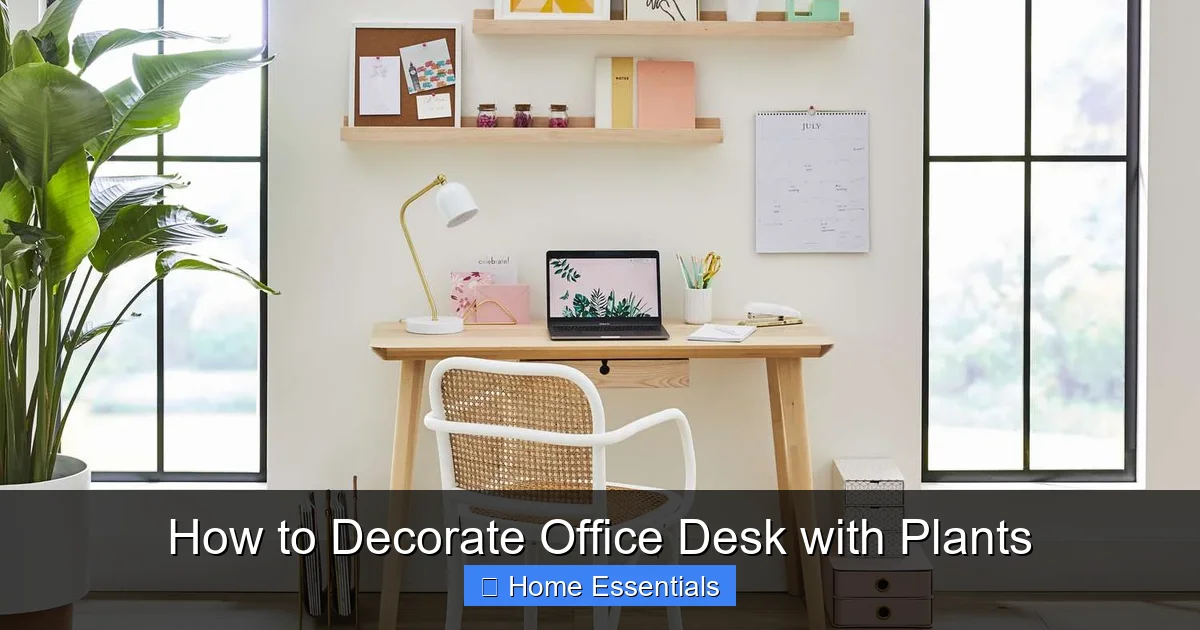
Visual guide about How to Decorate Office Desk with Plants
Image source: i.pinimg.com
Assessing Your Desk’s Light Conditions
Light is the most critical factor. Observe your desk over a day.
- Low Light (No Direct Sunlight, Dim Corners): Think north-facing windows, desks far from windows, or offices with artificial light only. Champions here are the Snake Plant (Sansevieria), which is nearly indestructible; the ZZ Plant (Zamioculcas zamiifolia), with its glossy, dark leaves; and the Pothos (Epipremnum aureum), which can trail beautifully and survive with very little.
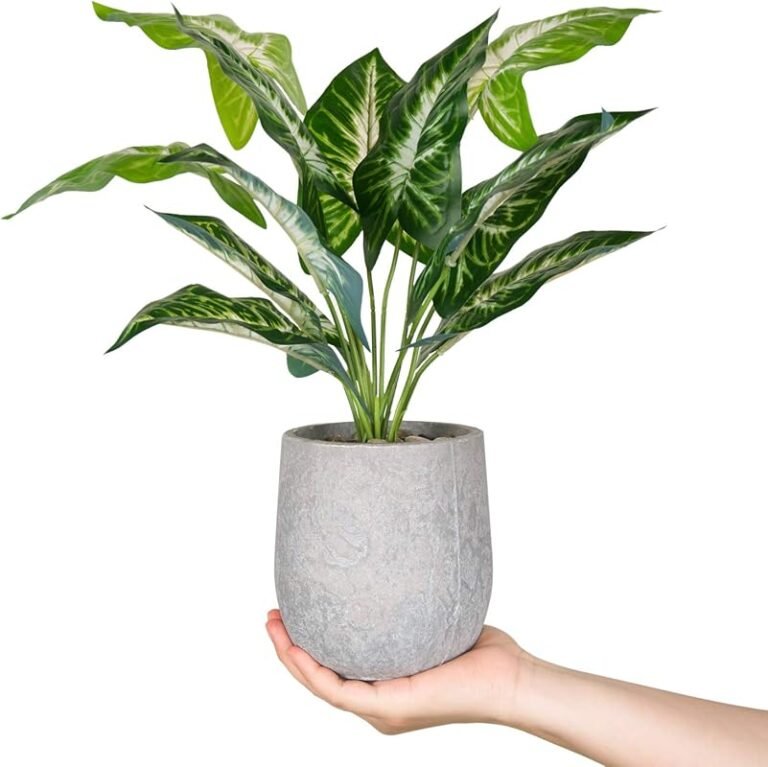
- Medium/Bright Indirect Light (Near a Window, but No Direct Sunbeams): This is the sweet spot for most desk plants. An east or west-facing window, or a spot a few feet from a south-facing window, qualifies. You have the widest selection here: Spider Plants, Peace Lilies (they’ll tell you when they’re thirsty by drooping), Philodendrons (like the heartleaf variety), and Chinese Evergreens (Aglaonema).
- Direct Sunlight (South-facing window with sun hitting the desk): This is less common for interior desks but possible. Succulents and cacti love this, but be cautious—they can scorch if the afternoon sun is too intense through glass.
Low-Maintenance Champions for Beginners
If you travel for work, forget to water, or just want a “set it and forget it” vibe, these are your best bets:
- Snake Plant: Thrives on neglect. Water only when the soil is completely dry (maybe once a month). Tolerates low light surprisingly well.
- ZZ Plant: Its potato-like rhizomes store water, making it extremely drought-tolerant. Its waxy, dark green leaves look elegant and require almost no pruning.
- Pothos: The ultimate trailing plant. It grows quickly, can be trained to climb a small trellis or let to cascade, and is very forgiving of underwatering. A variegated variety adds a pop of color.
- Jade Plant (Crassula ovata): A succulent with thick, woody stems and plump leaves. It likes bright light and infrequent watering.
Size and Scale: Right-Sizing for Your Desk
A massive fiddle leaf fig will overwhelm a standard desk and compete with your monitor. Aim for plants that stay under 12-18 inches in height and width at maturity. Consider the plant’s growth habit:
- Upright/Accent Plants: Snake plants, small peace lilies, or Chinese evergreens provide a focal point without taking up too much horizontal space.
- Trailing Plants: Pothos, philodendron, or string of pearls (if you have good light) add dimension by cascading down the side of your desk or a shelf. Use a small hanging planter or let them spill from a pot placed on a stack of books.
- Succulent Collections: A cluster of 2-3 small succulents (like echeveria, haworthia) in a shallow, wide dish creates a charming, sculptural arrangement that needs very little room.
Styling and Arrangement: Creating a Visually Pleasing Setup
Now for the fun part! This is where you turn a collection of plants into a curated desk vignette. The goal is harmony, not chaos.
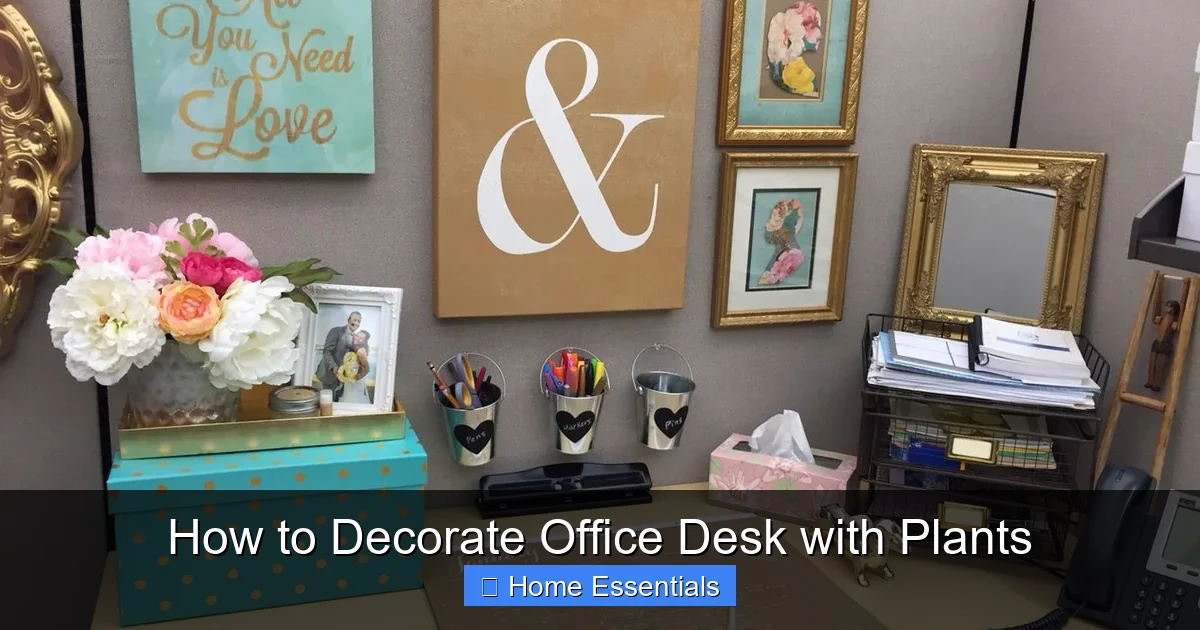
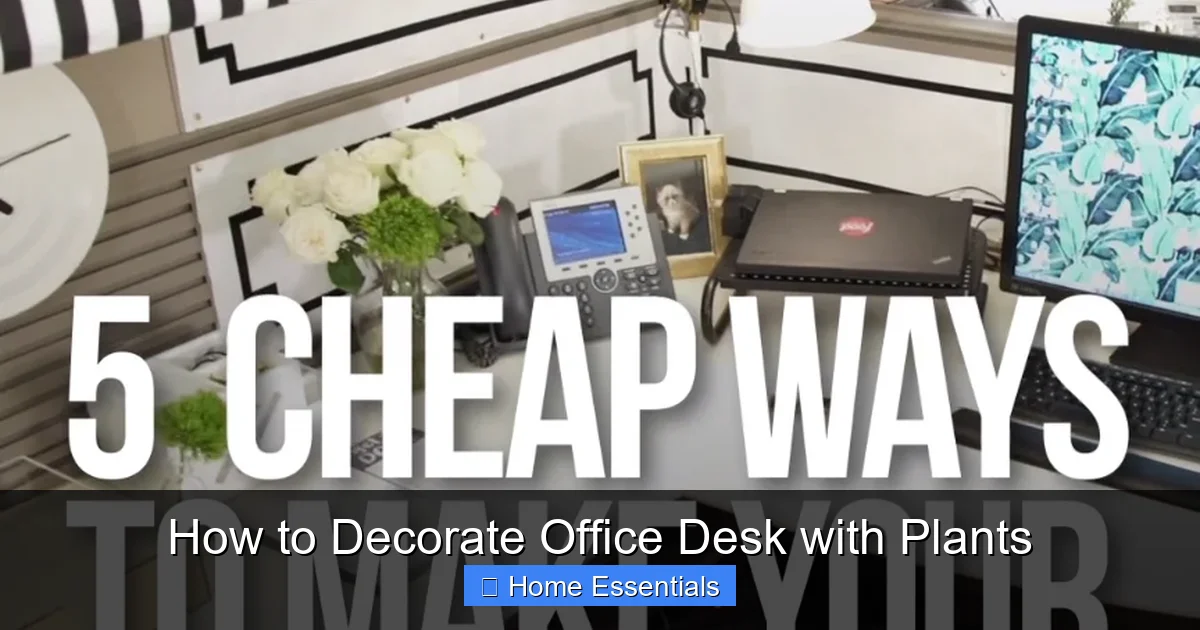
Visual guide about How to Decorate Office Desk with Plants
Image source: i.pinimg.com
The Rule of Three and Odd Numbers
In design, groupings of odd numbers (3, 5) are more visually interesting and balanced than even numbers. Instead of one lone plant, try a trio. For example, a snake plant (upright), a small pothos (trailing), and a jade plant (sculptural). Vary their heights: place the tallest in the back or center, medium in the middle, and shortest or most trailing in the front. This creates depth.
Playing with Texture, Color, and Form
Mix different leaf shapes and textures for intrigue. The broad, smooth leaves of a peace lily contrast beautifully with the spiky, architectural leaves of a snake plant or the fuzzy texture of a African violet (if you have the right light). Color-wise, you can go for a monochromatic look (all shades of green) or add plants with variegation (white/yellow markings) or colored leaves (like the deep burgundy of a Red Prayer Plant). The form—upright, bushy, trailing—is what gives your arrangement dynamic energy.
The Importance of Pot Choice: Cachepots and Drainage
This is a non-negotiable practical tip. Almost all decorative pots you buy do not have drainage holes. Planting directly into them is a one-way ticket to root rot. You have two options:
- The Nursery Pot Method: Keep your plant in its plastic nursery pot with drainage holes. Place that pot inside a more decorative cachepot (a pot without a hole). This allows you to easily lift the plant to water it over a sink, letting it drain fully before returning it to the cachepot. This is the easiest and safest method.
- Drilling Holes: If you’re handy, you can carefully drill a drainage hole in the bottom of a ceramic or concrete pot.
Your pot material matters too. Terracotta is porous and helps soil dry out faster—great for succulents and snake plants. Glazed ceramic, plastic, or metal retain moisture longer—good for plants that like consistently moist soil (like peace lilies). Ensure the pot is proportional to the plant; a pot that’s too large will hold excess moisture and harm the roots.
Accessorizing Your Plant Display
Don’t let the plants float in isolation. Integrate them with other desk items:
- Use a Tray: Place your plant grouping on a simple wooden or ceramic tray. This defines the space, catches any drips, and looks intentional.
- Incorporate Natural Elements: Add a small stone, a piece of driftwood, or a pinecone near the base of the plant.
- Mix in Non-Plant Objects: A small stack of meaningful books, a unique paperweight, or a small piece of art can sit alongside your plants, telling a story.
- Consider Lighting: A small, stylish desk lamp can highlight your plants. For a high-tech touch, explore smart bulbs that you can adjust to provide optimal light spectra for your plants while setting the perfect work mood.
Essential Care Tips for Thriving Desk Plants
Styling is only half the battle. Keeping your plants alive and well is simple when you follow a few golden rules. Overcomplicating care is the most common reason for plant failure.
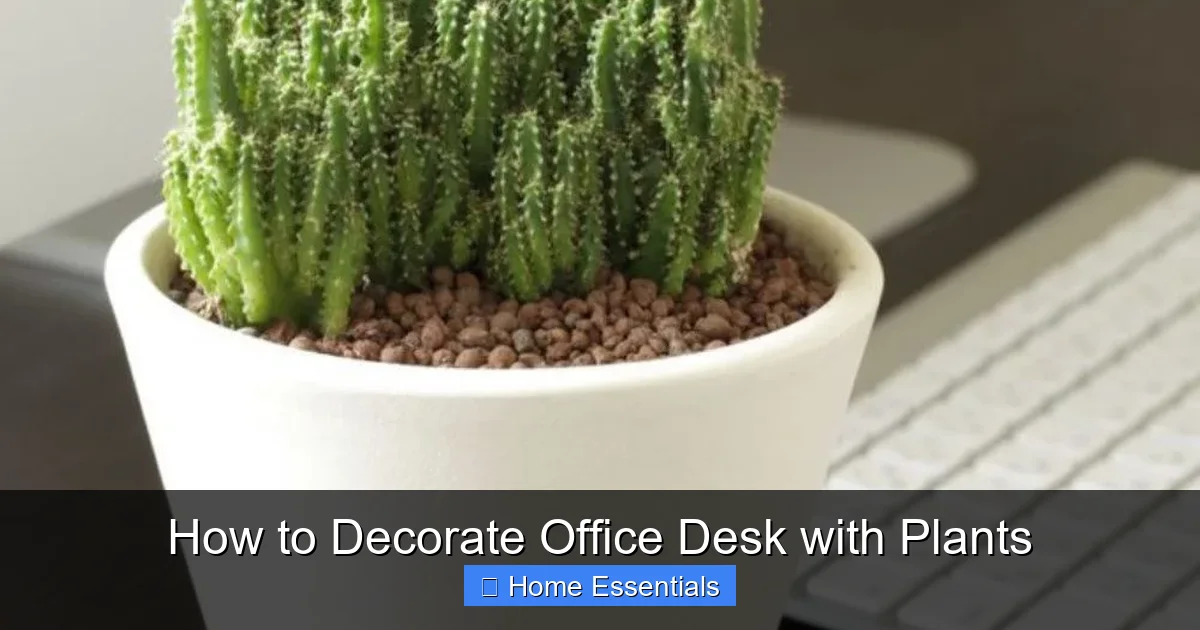
Visual guide about How to Decorate Office Desk with Plants
Image source: i.pinimg.com
Watering: The #1 Killer (And How to Avoid It)
Overwatering is the undisputed champion of plant death. It’s not about watering on a strict schedule (e.g., “every Monday”), but about checking the soil’s moisture.
- The Finger Test: Stick your index finger into the soil up to the first knuckle. If it feels dry, it’s time to water. If it’s still moist, wait.
- Lift the Pot: A pot with dry soil is surprisingly light. A well-watered pot feels heavier. Get a feel for the difference.
- Water Thoroughly, Then Drain: When you do water, do it slowly until water runs out of the drainage holes. This ensures the entire root ball is saturated. If your pot lacks drainage, be extra conservative—water just enough to moisten the soil, not soak it. Always empty any excess water from the cachepot or saucer within 30 minutes. Never let the pot sit in water.
Forget the “cup of ice cubes” myth. Water at room temperature. Water in the morning so leaves have time to dry before night, reducing fungal risk.
Feeding and Fertilizing: Less is More
Plants in pots have limited soil and nutrients. They need a little help during their active growing season (spring and summer). Use a balanced, water-soluble houseplant fertilizer, but dilute it to half or even a quarter of the recommended strength. Fertilize only once a month or every six weeks during spring/summer. Stop fertilizing entirely in fall and winter when growth slows. Over-fertilizing burns roots and causes more harm than good.
Cleaning and Dusting: A Critical, Often-Forgotten Step
Desk dust settles on leaves, forming a film that blocks sunlight and inhibits the plant’s ability to breathe. This is where your microfiber cloth becomes a plant-care superstar. Gently wipe each leaf with a damp microfiber cloth. For larger leaves, support the leaf from underneath with one hand while wiping with the other. This simple 2-minute weekly task makes a huge difference in plant health and appearance. For stubborn dust or to give leaves a shine, you can use a mixture of water and a tiny drop of dish soap, or even a diluted milk solution (1 part milk to 2 parts water) for a natural shine. Always test on one leaf first. Remember to wash your microfiber cloths properly after use to keep them effective for both your plants and your desk cleaning.
Rotating for Even Growth
Plants naturally grow toward the light source. If your desk light comes from one side (like a window), your plant will start to lean, becoming lopsided. Once a month, give your pot a quarter turn. This encourages even, balanced growth and keeps your plant looking symmetrical and full.
Beyond the Basics: Creative and Advanced Desk Gardening Ideas
Once you’ve mastered the fundamentals, you can get creative. Your desk garden can be a true expression of your personality.
Terrariums and Glass Containers
A small glass terrarium creates a miniature, self-contained ecosystem. They are perfect for humidity-loving plants like ferns, mosses, or nerve plants. The glass traps moisture, meaning you’ll water less frequently. Ensure there’s a layer of pebbles and activated charcoal at the bottom for drainage and to prevent stagnation. These look stunning and add a beautiful, sculptural element. For cleaning the inside of these glass containers, a handy microfiber cloth is your best tool to avoid scratches.
Hydroponics and Water Culture
For the truly minimalist or tech-inclined, consider growing a plant hydroponically—in water only. Plants like pothos, philodendron, and lucky bamboo thrive with their roots submerged in a jar of water (with occasional nutrient additions). This is ultra-clean, soil-free, and creates a fascinating visual of root growth. It’s also incredibly low-maintenance—just top up the water as it evaporates.
Seasonal and Thematic Updates
Your desk garden doesn’t have to be static. Swap out plants with the seasons. In spring, bring in a blooming small African violet. In fall, add a tiny orange chrysanthemum. For holidays, a small pot of rosemary shaped like a mini Christmas tree, or a sprig of holly in a tiny vase. This keeps your space feeling fresh and aligned with the year’s rhythm.
Incorporating Smart Technology
If you love gadgets, use them for your plants! A smart bulb with a timer can ensure your plants get consistent light even on dark winter days, especially if your desk lacks a window. There are also smart moisture sensors that stick in the soil and send an alert to your phone when it’s time to water, taking all the guesswork out.
Common Mistakes to Avoid When Decorating with Desk Plants
Even with the best intentions, it’s easy to slip up. Here are the pitfalls to steer clear of.
Choosing Style Over Substance (Ignoring Light Needs)
That gorgeous variegated monstera you saw on Instagram? It needs bright, indirect light to maintain its white markings. Putting it in a low-light corner will cause it to revert to all-green, leggy growth, or worse, die. Always prioritize a plant’s light requirements over its looks. There are beautiful plants for every light condition.
The “Kill with Kindness” Syndrome: Overwatering and Over-Fertilizing
We’ve all been there—feeling guilty for not watering, so we drench the soil. This is the fastest way to kill a plant. Roots need oxygen; soggy soil suffocates them, leading to root rot. When in doubt, wait to water. Similarly, more fertilizer is not better. It builds up salts in the soil and burns roots. Stick to a weak, infrequent feeding schedule.
Ignoring Pest Prevention
Indoor plants can still attract pests like spider mites, mealybugs, or fungus gnats. These often come from new plants or contaminated soil. Quarantine any new plant for 2-3 weeks away from your desk plants before bringing it to your workspace. Inspect the undersides of leaves regularly. If you spot issues, isolate the plant and treat it promptly with neem oil or insecticidal soap. Good airflow and not overwatering are your best defenses.
Forgetting About Pot Size and Drainage
A pot that’s too big holds too much moisture. A pot without drainage is a drowning hazard. Repot your plant only when it becomes root-bound (roots circling the pot), and always go up just 1-2 inches in pot diameter. The cachepot method is your friend for maintaining drainage and style.
Conclusion: Your Personal Green Sanctuary Awaits
Decorating your office desk with plants is a journey, not a one-time project. It starts with a single, resilient snake plant in a simple pot. You learn its rhythms—when it needs water, how it reaches for the light. That connection grows, and you might add a trailing pothos to soften the corner of your monitor, then a tiny succulent for a pop of texture. Your desk transforms from a mere workstation into a living ecosystem that supports your work and your well-being.
The beauty of this endeavor is its accessibility. You don’t need a huge budget, a green thumb, or tons of time. You need curiosity, a willingness to observe, and the desire to create a space that feels like yours. Start small. Choose one plant that matches your light and lifestyle. Get a pot you love. Place it thoughtfully on your desk. Commit to the simple act of checking its soil once a week and giving it a wipe-down with a damp cloth. Watch it thrive, and feel the subtle shift in your own mood and focus. Your green desk revolution begins with that first pot. Go ahead and bring a little life to your workspace.
Frequently Asked Questions
What are the absolute best plants for a low-light office desk?
For desks with little to no natural light, the Snake Plant and ZZ Plant are the top-tier champions. They are incredibly tolerant of low-light conditions and irregular watering. A Pothos is also an excellent, forgiving trailing option that will survive in lower light, though its growth will be slower.
How often should I actually water my desk plants?
Forget a fixed schedule. The only reliable method is to check the soil. For most common desk plants like snake plants, ZZ plants, and succulents, water only when the top 1-2 inches of soil are completely dry. This could mean every 2-3 weeks or even once a month in a cool office. Overwatering is the primary cause of plant death.
Are desk plants safe for pets if I have a cat or dog at home?
Many common office plants are toxic to pets if ingested. Peace Lilies, Pothos, and Snake Plants are toxic to cats and dogs. If you have pets, opt for pet-safe varieties like Spider Plants, Boston Ferns, or African Violets. Always research a plant’s toxicity before bringing it into a pet-friendly home.
Should I use soil or can I grow plants in just water (hydroponics) on my desk?
Both work! Traditional soil is simple and familiar. Hydroponics (growing in water with nutrients) is very clean and low-maintenance for plants like Pothos or Lucky Bamboo. For hydroponics, you’ll need a glass vessel, water, and occasional liquid plant food. It’s a great way to avoid soil mess on a desk.
How do I prevent and get rid of tiny flying bugs (fungus gnats) around my desk plants?
Fungus gnats are almost always caused by consistently soggy soil. Let the soil dry out completely between waterings. You can also place a layer of small pebbles or sand on top of the soil to deter egg-laying. For an existing infestation, use yellow sticky traps near the plants to catch the adults.
My desk has a very small surface area. What are my options?
Maximize vertical space! Use a small wall-mounted shelf or a desk organizer with a planter spot. A single, small trailing plant like a String of Pearls or a tiny ZZ plant in a 2-inch pot can fit almost anywhere. You can also create a tiny succulent dish garden in a small, wide container that takes up minimal footprint.