How to Dry Microfiber Cloths
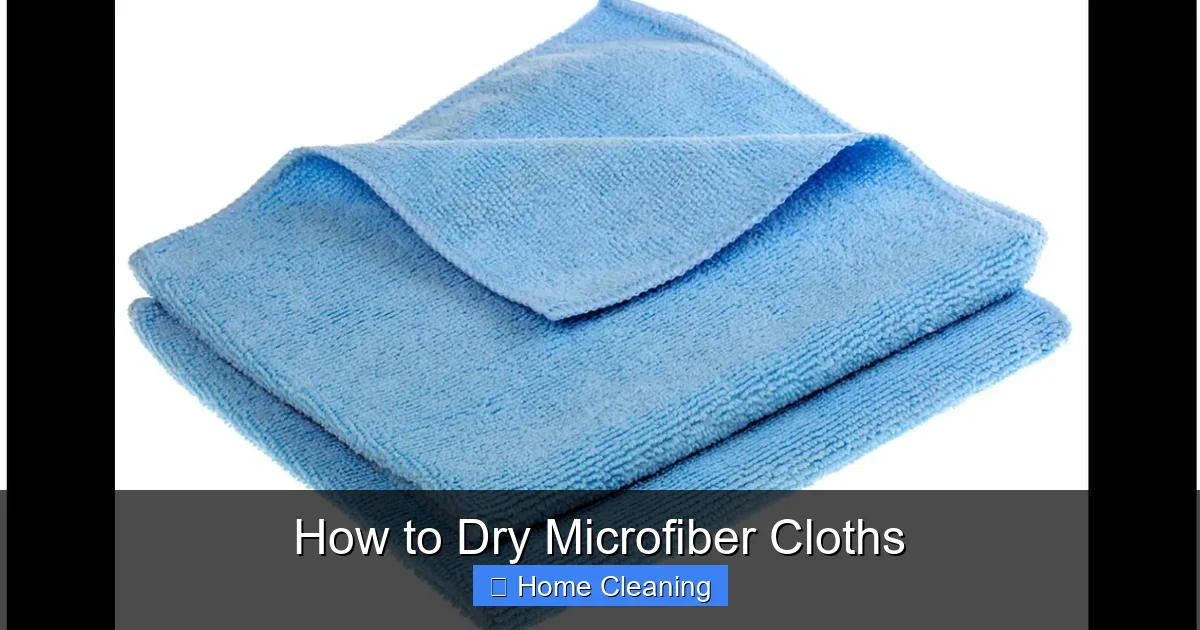
Properly drying microfiber cloths is essential for maintaining their cleaning power and longevity. Wet cloths left to sit can develop odors, mildew, and even lose their absorbency over time. This guide walks you through the best practices to keep your microfiber cloths fresh, clean, and ready for use every time.
Key Takeaways
- Understanding How To Dry Microfiber Cloths: Provides essential knowledge
📑 Table of Contents
- How to Dry Microfiber Cloths: A Complete Guide to Clean, Long-Lasting Cleaning Tools
- Why Proper Drying Matters for Microfiber Cloths
- The Best Ways to Dry Microfiber Cloths
- Common Mistakes to Avoid When Drying Microfiber Cloths
- Washing and Drying Best Practices
- How to Store Microfiber Cloths Properly
- Signs Your Microfiber Cloths Need Replacing
- Frequently Asked Questions
How to Dry Microfiber Cloths: A Complete Guide to Clean, Long-Lasting Cleaning Tools
You’ve probably noticed how microfiber cloths have become a staple in modern cleaning routines. Whether you’re wiping down kitchen counters, polishing glass, or dusting electronics, these little powerhouses make the job faster and more effective. But here’s the catch: drying microfiber cloths the wrong way can undo all your hard work. Over time, improper drying leads to mildew, unpleasant odors, and even a loss of absorbency. The good news? With the right techniques, you can keep your microfiber cloths in top shape—ready to tackle spills, streaks, and dirt with ease.
Microfiber cloths are made from ultra-fine synthetic fibers, usually a blend of polyester and polyamide. Their tiny fibers create a large surface area, which traps dirt, dust, and moisture far better than traditional cotton cloths. But this same design means they’re delicate and require special care. Unlike regular towels, microfiber doesn’t respond well to high heat, fabric softeners, or rough handling. So, how do you dry them without damaging their structure? That’s what we’re here to explain—step by step, in simple, easy-to-follow terms.
Why Proper Drying Matters for Microfiber Cloths
Many people assume that drying microfiber cloths is as simple as tossing them in the dryer or hanging them on a hook. But microfiber is more sensitive than it looks. When left damp, these cloths become a breeding ground for bacteria and mold—especially in warm, humid environments. That’s why how you dry microfiber cloths directly impacts their lifespan and performance.
Visual guide about How to Dry Microfiber Cloths
Image source: onlyoptical.co.uk
The Risks of Improper Drying
If you’ve ever noticed a musty smell coming from a pile of damp microfiber cloths, you’re not alone. Moisture trapped inside the fibers creates the perfect environment for mildew and bacteria. Over time, this not only ruins the smell but also degrades the fibers. You might find that your cloths start to feel rough, lose their softness, and no longer pick up dirt as well.
Another common mistake is using high heat in the dryer. Microfiber can withstand some warmth, but excessive heat causes the fibers to melt or fuse together. This shrinks the cloths, reduces their surface area, and makes them less effective. Worse, melted fibers can cling to other fabrics or even your skin, creating tiny, hard-to-remove particles.
Benefits of Proper Drying
On the flip side, drying microfiber cloths correctly has big rewards. Clean, dry cloths stay hygienic, retain their absorbency, and last much longer. They’re also less likely to shed lint or leave streaks on surfaces. Plus, when you wash and dry them properly, you’ll notice they stay soft and pliable—ready to glide across countertops, windows, and screens without scratching.
Think of drying microfiber cloths as part of a full care routine. It’s not just about getting them dry—it’s about maintaining their cleaning power and extending their life. With consistent, gentle care, a quality microfiber cloth can last for hundreds of washes.
The Best Ways to Dry Microfiber Cloths
So, how exactly should you dry microfiber cloths? There are several methods, each with its own pros and cons. The key is choosing the one that balances convenience with fabric safety. Let’s break down the most effective drying techniques.
Visual guide about How to Dry Microfiber Cloths
Image source: m.media-amazon.com
1. Air Drying: The Gentlest Option
Air drying is the safest and most recommended method for drying microfiber cloths. It involves hanging or laying the cloths out in a well-ventilated area to dry naturally. This method preserves the fibers, prevents shrinkage, and avoids any risk of melting or fusing.
Here’s how to air dry microfiber cloths effectively:
- Wring out excess water: After washing, squeeze the cloths gently but firmly to remove as much water as possible. Avoid twisting, which can damage the fibers.
- Hang or lay flat: Use clips, hooks, or drying racks to hang cloths. Alternatively, lay them flat on a clean towel or drying mat. Make sure they’re spaced out to allow airflow.
- Choose a dry, cool spot: Avoid direct sunlight, which can fade colors and weaken fibers over time. Indoors is ideal—near a fan or open window for extra circulation.
Air drying takes longer than machine drying, but it’s worth the wait. You’ll notice your cloths stay softer, last longer, and perform better with each use.
2. Machine Drying on Low Heat
If you’re in a hurry, machine drying on low heat is an acceptable alternative—but only if you follow a few important rules. High heat is a no-go, but low heat (or air dry settings) can work if used carefully.
Here’s how to machine dry microfiber cloths without damage:
- Use low heat or air dry setting: Avoid high heat completely. Look for the “delicate” or “air dry” cycle on your dryer.
- Add dryer balls: These help reduce static and prevent fibers from clumping. Avoid fabric softeners—they coat the fibers and reduce absorbency.
- Remove promptly: Take the cloths out as soon as the cycle ends. Leaving them in the dryer too long can cause overheating.
Even with low heat, machine drying should be used sparingly. Over time, it can wear down the fibers, so air drying is still the best long-term solution.
3. Towel Drying: A Quick, Low-Risk Option
For a middle ground between air drying and machine drying, try towel drying. This method uses a clean, dry towel to absorb moisture from the microfiber cloths. It’s faster than air drying and gentler than machine drying.
Here’s how to do it:
- After washing, gently squeeze out excess water from the microfiber cloths.
- Place them on a clean, dry towel and fold the towel over them.
- Press down firmly to absorb more moisture. You can also roll the towel with the cloths inside to squeeze out water.
- Unroll and let the cloths air dry the rest of the way.
This method is especially useful if you’re drying multiple cloths at once. It’s efficient, low-risk, and helps maintain fiber integrity.
Common Mistakes to Avoid When Drying Microfiber Cloths
Even with the best intentions, it’s easy to make mistakes when drying microfiber cloths. These common errors can shorten the life of your cloths and reduce their effectiveness. Let’s go over what to avoid.
Visual guide about How to Dry Microfiber Cloths
Image source: images-na.ssl-images-amazon.com
Using Fabric Softeners
Fabric softeners are a big no-no for microfiber. These products leave a waxy residue on fibers, which clogs the tiny pores that trap dirt and moisture. Over time, your cloths will lose their absorbency and become less effective at cleaning.
If you’ve been using fabric softeners and notice your microfiber cloths aren’t cleaning as well, it might be time to break the habit. Instead, try vinegar rinses or specialized microfiber detergents to keep fibers fresh.
High Heat or Ironing
Heat is the enemy of microfiber. High-heat dryers, steam irons, or even leaving cloths in a hot car can damage the fibers. This leads to melting, shrinking, and a rough texture that’s hard to clean.
If you accidentally use high heat, check the cloths for melting or fusing. If you see any, discard them—they’re likely damaged beyond repair.
Wringing Too Hard
While you want to remove excess water, wringing microfiber cloths too tightly can stretch or tear the fibers. Instead, gently squeeze from the middle outward. This removes water without stressing the fabric.
Storing Cloths While Wet
Leaving microfiber cloths in a damp state—whether in a drawer, hamper, or laundry basket—is a fast track to mildew and odor. Always ensure cloths are completely dry before storing them.
Washing and Drying Best Practices
Drying is only one part of the care equation. How you wash your microfiber cloths also affects how well they dry and perform over time. Follow these best practices for washing and drying to get the most out of your cloths.
Wash Before First Use
Manufacturing residues on new microfiber cloths can reduce their effectiveness. Always wash them before using for the first time. Use a mild detergent—no fabric softeners—and rinse thoroughly.
Use Mild Detergent
Harsh detergents or bleach can damage microfiber fibers. Stick to gentle, pH-neutral cleaners designed for synthetic fabrics. If you’re unsure, check the care label on your cloths.
Wash in Cold or Warm Water
Warm water helps remove grease and dirt, but avoid hot water. Cold or warm water is ideal for preserving fiber strength.
Separate Microfiber from Other Fabrics
Microfiber can snag on zippers, buttons, or rough fabrics. Wash microfiber cloths separately or with similar soft items to avoid damage.
Don’t Overload the Washer
Overloading the washing machine can prevent proper rinsing and drying. Give your microfiber cloths enough space to move freely during the cycle.
Double Rinse if Needed
To ensure all detergent is removed, consider a second rinse cycle. This is especially important if you’ve used a strong detergent or if your cloths feel stiff after washing.
How to Store Microfiber Cloths Properly
Once your microfiber cloths are clean and dry, proper storage ensures they stay fresh and ready for use. Here’s how to store them the right way.
Keep Them Dry and Clean
Store microfiber cloths in a cool, dry place. Use breathable storage bags or mesh containers to allow airflow. Avoid plastic bags, which trap moisture and promote mildew.
Fold or Roll Neatly
Fold or roll cloths to save space and prevent creasing. Avoid crumpling them, as this can weaken the fibers over time.
Label or Organize by Use
Consider organizing cloths by purpose—kitchen, bathroom, electronics—to avoid cross-contamination. Labeling or using color-coded cloths can help.
Avoid Metal Hooks or Sharp Edges
Metal hooks or sharp storage edges can snag microfiber. Use soft hooks or fabric organizers instead.
Rotate Your Cloths
Rotate your cloths regularly to ensure even wear. This extends their lifespan and keeps them performing consistently.
Signs Your Microfiber Cloths Need Replacing
Even with proper care, microfiber cloths won’t last forever. Over time, they lose their ability to trap dirt and moisture. Here are signs it’s time to replace them.
- Loss of softness: If cloths feel rough or scratchy, the fibers are likely worn out.
- Reduced absorbency: Cloths that no longer soak up liquids or clean effectively need replacing.
- Visible pilling or fuzz: Fuzzy buildup indicates fiber breakdown.
- Persistent odors: Even after washing, cloths that still smell musty are past saving.
- Thinning or tearing: Cloths that tear easily or feel thin are no longer reliable.
Replacing cloths when needed ensures your cleaning routine stays effective and hygienic.
Frequently Asked Questions
Can I use a fabric softener with microfiber cloths?
No, fabric softeners coat microfiber fibers and reduce their absorbency and cleaning power. They’re not recommended for microfiber cloths.
Is it okay to dry microfiber in the dryer?
Yes, but only on low heat or air dry settings. Avoid high heat, and remove cloths promptly after drying to prevent overheating.
How long does it take to air dry microfiber cloths?
Air drying typically takes 4 to 8 hours, depending on humidity and airflow. Ensure good ventilation to speed up the process.
Can I wash microfiber cloths with towels?
Yes, but wash microfiber separately from rough fabrics like towels with zippers or buttons to avoid snagging.
Why do my microfiber cloths smell after washing?
Odor usually comes from leftover detergent, bacteria, or mold. Use a second rinse and ensure cloths dry completely before storing.
How often should I replace my microfiber cloths?
Replace them when they lose absorbency, feel rough, or show signs of wear. With proper care, high-quality cloths can last for hundreds of uses.
Frequently Asked Questions
What is How To Dry Microfiber Cloths?
How To Dry Microfiber Cloths is an important topic with many practical applications.