How to Make Microfiber Cloth Absorb Again
Microfiber cloths lose their absorbency over time due to residue buildup and fiber damage. But with the right cleaning techniques, you can restore their effectiveness and extend their lifespan. This guide walks you through step-by-step methods to revive even the most worn-out microfiber cloths, helping you maintain a cleaner home without constant replacements.
Have you ever reached for your favorite microfiber cloth to wipe down a kitchen counter, only to find it barely soaking up water? Or maybe you’ve noticed that your cloths just aren’t performing like they used to—leaving streaks, dragging dirt around, or refusing to dry surfaces properly. If this sounds familiar, you’re not alone. Over time, even the best microfiber cloths lose their absorbency, and it’s usually not because they’re worn out. It’s more likely due to residue buildup—tiny particles of soap, grease, dust, and minerals that coat the ultra-fine fibers. The good news? With a few simple techniques, you can make microfiber cloth absorb again and bring back their cleaning power without spending money on replacements.
Microfiber cloths are made from synthetic fibers—typically a blend of polyester and polyamide—that are split into thousands of tiny filaments. This gives them incredible surface area, allowing them to trap dirt, dust, and liquid efficiently. But when those fibers get clogged with residue, their ability to absorb water diminishes. The cloth might still look clean, but it’s not functioning as it should. Understanding why this happens is the first step toward fixing it. In this guide, we’ll walk you through everything you need to know to restore your microfiber cloth’s absorbency, from diagnosing the problem to choosing the right cleaning method.
Whether you’re cleaning your car, kitchen, bathroom, or electronics, microfiber cloths are a go-to tool for most people. But when they stop absorbing, it’s frustrating and inefficient. Instead of tossing them out, try these proven strategies to revive them. From natural cleaning agents to proper washing habits, you’ll learn how to keep your microfiber cloths performing at their best. Let’s dive in and get your cloths working like new again.
Key Takeaways
- Residue buildup is the top cause of reduced absorbency. Over time, soap, dirt, and oils coat the tiny fibers, blocking their ability to soak up liquid.
- Washing with vinegar or baking soda can break down grime. These natural cleaners help dissolve residue without harming the fibers.
- Never use fabric softener or dryer sheets. They coat fibers and permanently reduce absorbency.
- Air-drying preserves microfiber performance. Heat from dryers can melt or damage the delicate synthetic fibers.
- Pre-rinsing cloths removes loose debris. This prevents dirt from grinding into fibers during washing.
- Regular maintenance prevents future buildup. Clean your cloths after each use for best results.
- Sometimes, replacement is the smartest choice. If a cloth is too damaged, reviving it may not be cost-effective.
📑 Table of Contents
Why Microfiber Cloths Lose Absorbency
Before you can fix the problem, it’s important to understand what causes microfiber cloths to stop absorbing. The most common culprits are residue buildup, fiber damage, and improper care. Let’s break each one down.
Residue Buildup: The Silent Killer
Residue buildup occurs when soap, hard water minerals, grease, and other particles accumulate on the fibers. Over time, these substances form a thin film that blocks the cloth’s ability to soak up liquid. Even small amounts of detergent can leave behind residues, especially if you’re using too much or rinsing poorly. Hard water, which contains high levels of calcium and magnesium, is particularly problematic because it leaves mineral deposits that are tough to remove.
When microfiber cloths get coated with residue, they may still look clean, but they won’t dry surfaces properly. Instead of absorbing water, the cloth will repel it, leaving streaks and smudges. This is one of the most common reasons why people think their microfiber cloths are “worn out,” when in reality, they just need a deep clean.
Fiber Damage from Heat and Fabric Softeners
Another major cause of reduced absorbency is damage to the fibers themselves. Microfiber cloths are made of synthetic materials that can be sensitive to high heat. Using a dryer on high heat can melt or fuse the fibers, making them less effective. Similarly, fabric softeners and dryer sheets are a big no-no. These products coat the fibers with a waxy residue that prevents them from absorbing water. Once this happens, it’s nearly impossible to reverse the damage.
Even repeated exposure to harsh detergents or bleach can weaken the fibers over time. If your cloths are stiff, brittle, or no longer pliable, they’re likely damaged beyond repair. In such cases, it’s best to replace them rather than waste time trying to revive them.
Improper Washing Habits
How you wash your microfiber cloths plays a huge role in their performance. Washing them with cotton towels or other fabrics can cause lint and debris to transfer, which then clings to the microfiber. Not pre-rinsing the cloth before washing allows dirt to grind into the fibers, especially during the agitation phase of the wash cycle. This is why many people notice a decline in absorbency after just a few uses.
Additionally, using too much detergent can leave behind residues. A little goes a long way with microfiber—excess suds trap dirt and prevent proper rinsing. And skipping the rinse cycle? That’s a mistake. Residual detergent can build up over time, reducing absorbency.
How to Clean Microfiber Cloths to Restore Absorbency
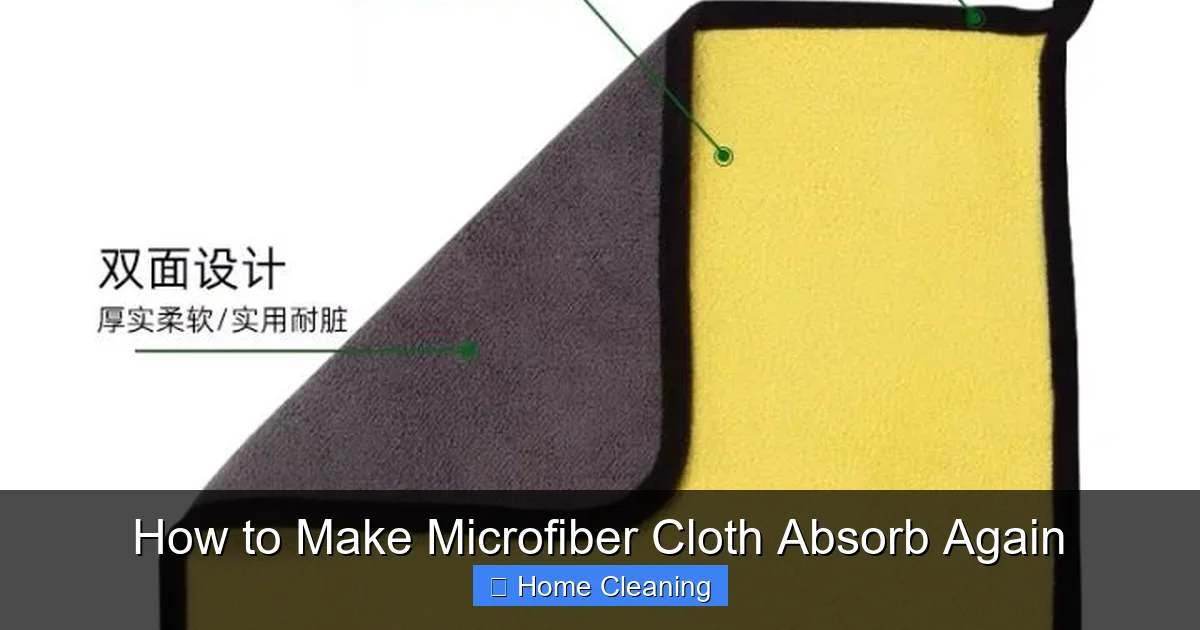
Visual guide about How to Make Microfiber Cloth Absorb Again
Image source: img.lazcdn.com
Now that you understand why microfiber cloths lose their absorbency, let’s talk about how to clean them effectively. The goal is to remove residue without damaging the fibers. Here are the best methods to make your microfiber cloth absorb again.
Method 1: The Vinegar and Water Soak
Vinegar is a natural cleaner that breaks down mineral deposits and dissolves grease. It’s also safe for microfiber when used correctly. Here’s how to use it:
Start by mixing one part white vinegar with three parts warm water in a basin or sink. Submerge your microfiber cloths and let them soak for 30 minutes. Avoid soaking them for longer than an hour, as prolonged exposure to vinegar can weaken the fibers over time.
After soaking, gently wring out the cloths—don’t twist or scrub them. Then rinse them thoroughly under cold water to remove all traces of vinegar. Finally, wring them out again and lay them flat to air-dry. This method is especially effective for cloths that have been used with hard water or dish soap.
Method 2: Baking Soda and Water Paste
Baking soda is another natural cleaning agent that helps lift away grime and neutralize odors. To use it:
Mix baking soda with a small amount of water to form a thick paste. Gently rub the paste onto the cloth using your fingers or a soft sponge. Focus on areas that feel stiff or look dirty. Let the paste sit for 10–15 minutes, then rinse thoroughly under cold water.
This method is great for lightly soiled cloths that aren’t completely saturated with residue. It’s also useful for removing stubborn odors from cloths used in the bathroom or kitchen.
Method 3: Deep Clean in the Washing Machine
For heavily soiled or long-neglected microfiber cloths, a machine wash may be necessary. Follow these steps:
1. Pre-rinse the cloths under cold water to remove loose dirt.
2. Wash them in warm (not hot) water with a small amount of mild detergent. Avoid fabric softeners.
3. Add 1 cup of white vinegar to the rinse cycle to help break down residue.
4. Air-dry the cloths completely—never use a dryer.
If your cloths still aren’t absorbing after the first wash, repeat the process. Sometimes, multiple cycles are needed to fully restore performance.
Proper Care to Prevent Future Issues
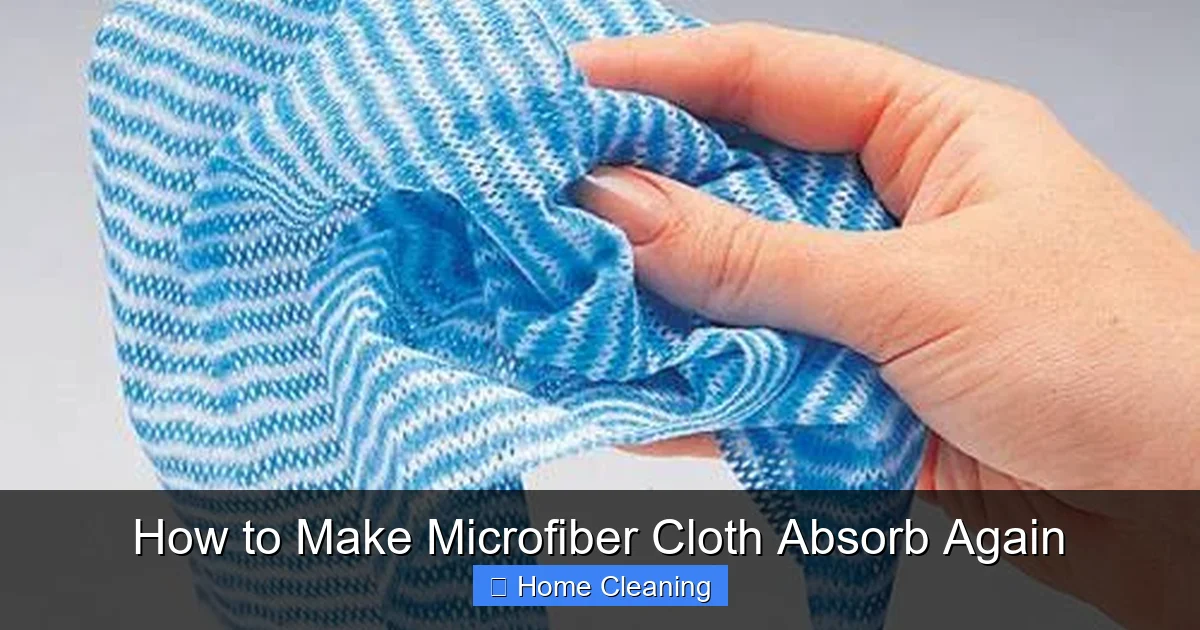
Visual guide about How to Make Microfiber Cloth Absorb Again
Image source: i.stack.imgur.com
Once you’ve restored your microfiber cloth’s absorbency, you’ll want to keep it that way. Proper care is key to maintaining performance and extending the life of your cloths.
Always Pre-Rinse Before Washing
Before tossing your microfiber cloth into the wash, rinse it under cold water to remove loose debris. This prevents dirt from grinding into the fibers during the wash cycle. It also reduces the amount of detergent needed, minimizing residue buildup.
Use the Right Detergent
Choose a mild, fragrance-free detergent designed for synthetics. Avoid harsh cleaners, bleach, or products with fabric softeners. If you’re unsure, opt for a small amount of dish soap or laundry detergent—just a few drops are usually enough.
Never Use Fabric Softeners or Dryer Sheets
Fabric softeners coat microfiber fibers with a waxy film that blocks absorbency. Dryer sheets do the same thing. Even one use can permanently damage your cloths. Skip them entirely.
Air-Dry Instead of Using the Dryer
Heat from dryers can melt microfiber fibers or cause them to fuse together. Always air-dry your cloths by laying them flat or hanging them up. This preserves their structure and absorbency.
Store Cloths Properly
Keep your microfiber cloths in a dry, clean place. Avoid leaving them in damp areas like the bottom of a bucket or in a wet car. Moisture promotes mold and mildew, which can damage fibers and create odors.
When to Replace Your Microfiber Cloths
Visual guide about How to Make Microfiber Cloth Absorb Again
Image source: i5.walmartimages.com
Despite your best efforts, some microfiber cloths may never regain their full absorbency. Here’s how to tell if it’s time to replace them:
– The cloth feels stiff or brittle.
– It no longer bends or flexes like new.
– It has visible burn marks, melting, or fraying.
– It’s stained or discolored beyond cleaning.
– It still doesn’t absorb water after multiple deep cleans.
If your cloth falls into one of these categories, it’s more cost-effective to replace it than to keep trying to revive it. High-quality microfiber cloths can last for hundreds of uses when cared for properly, so replacing a few every once in a while is normal.
Bonus Tips for Maximum Performance
Want to get the most out of your microfiber cloths? Try these extra tips:
– Use separate cloths for different tasks (e.g., one for dusting, one for glass).
– Label cloths if you have multiple to avoid cross-contamination.
– Clean cloths after each use, especially if they’ve been used on greasy or dirty surfaces.
– Store cloths in a clean, dry container or bag to prevent contamination.
– Test new cloths before using them on sensitive surfaces like electronics or car paint.
Conclusion
Microfiber cloths are a valuable tool in any cleaning routine, but they need proper care to stay effective. When they stop absorbing, it’s often due to residue buildup or improper washing—not because they’re worn out. By using natural cleaners like vinegar and baking soda, avoiding fabric softeners, and air-drying your cloths, you can make microfiber cloth absorb again and extend their life significantly.
Remember, prevention is key. Pre-rinsing, using the right detergent, and storing cloths properly can save you time and money in the long run. And when a cloth is too far gone, don’t hesitate to replace it. With these tips, you’ll keep your microfiber cloths performing at their best, helping you maintain a cleaner, more efficient home.
Frequently Asked Questions
Can I use bleach to clean microfiber cloths?
No, bleach can damage the synthetic fibers in microfiber cloths, reducing their absorbency and lifespan. It’s best to avoid bleach and opt for gentler cleaners like vinegar or mild detergent.
How often should I wash my microfiber cloths?
Wash microfiber cloths after each use, especially if they’ve been used on greasy or dirty surfaces. Regular washing prevents residue buildup and maintains performance.
Can I wash microfiber cloths with regular laundry?
Yes, but avoid washing them with cotton towels or other fabrics that shed lint. Use a gentle cycle and skip fabric softeners.
Why does my microfiber cloth feel stiff after washing?
Stiffness is usually caused by detergent residue or hard water minerals. Rinse thoroughly and consider soaking in vinegar to restore softness.
How long do microfiber cloths last?
With proper care, high-quality microfiber cloths can last for hundreds of uses. Poor care can shorten their lifespan significantly.
Can I use dish soap to wash microfiber cloths?
Yes, a small amount of mild dish soap can be used to clean microfiber cloths. Rinse well afterward to remove all traces of soap.