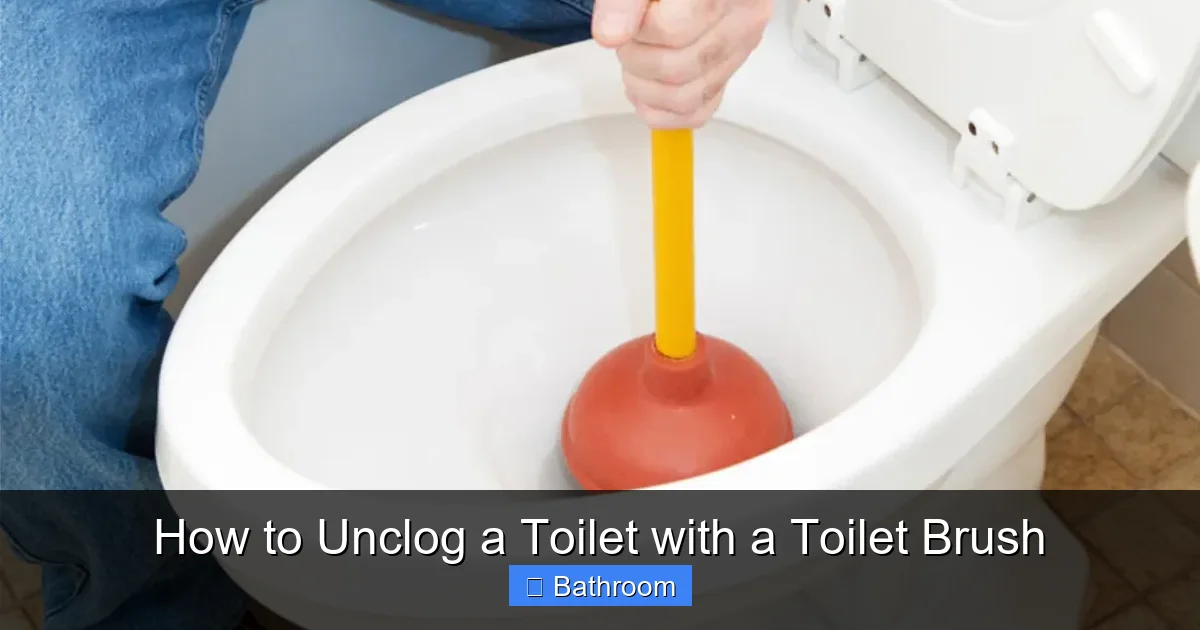
How to Unclog a Toilet with a Toilet Brush
Using a toilet brush to unclog a toilet is a quick, effective, and eco-friendly alternative to plungers or harsh chemicals. By following a few simple steps, you can restore your toilet’s flow without damaging the bowl or pipes. This guide walks you through safe techniques, safety tips, and when to call a plumber.
Key Takeaways
- Toilet brushes can help clear minor clogs: While not as powerful as plungers, a toilet brush can dislodge small blockages when used correctly.
- Proper technique matters: Gentle, repeated brushing motions combined with flushing can break up soft blockages.
- Never force the brush: Excessive pressure can push debris deeper or damage the toilet’s interior.
- Use water and brushing together: Flushing while brushing helps move debris through the trap and pipe.
- Clean the brush after use: Always sanitize the brush to prevent bacterial buildup and future clogs.
- Know your limits: If the clog persists after several attempts, it’s time to use a plunger or call a professional.
- Prevention is key: Avoid flushing non-flushable items to reduce future clogs.
📑 Table of Contents
- How to Unclog a Toilet with a Toilet Brush: A Step-by-Step Guide
- Understanding Toilet Clogs and Why They Happen
- Is It Safe to Use a Toilet Brush to Unclog a Toilet?
- What You’ll Need to Unclog a Toilet with a Toilet Brush
- Step-by-Step: How to Unclog a Toilet with a Toilet Brush
- Tips for Effective Toilet Brush Use
- When Not to Use a Toilet Brush
- Preventing Future Toilet Clogs
- Frequently Asked Questions
- Conclusion
How to Unclog a Toilet with a Toilet Brush: A Step-by-Step Guide
We’ve all been there—you flush, and instead of water swirling down, it starts to rise. Panic sets in. The toilet is clogged, and your first instinct might be to grab the plunger or call a plumber. But what if you don’t have a plunger on hand? Or what if you’re trying to avoid harsh chemicals and prefer a more natural approach?
Surprisingly, a toilet brush—the very tool you use daily for cleaning—can be more than just a cleaning accessory. With the right technique, it can help clear minor clogs and restore your toilet’s flow. In this comprehensive guide, we’ll walk you through how to unclog a toilet using a toilet brush safely, effectively, and without damaging your plumbing.
Whether you’re dealing with a slow drain, a partial blockage, or just want to be prepared for the next time your toilet acts up, this guide will give you the confidence and knowledge to handle the situation like a pro. Let’s dive in.
Understanding Toilet Clogs and Why They Happen
Common Causes of Toilet Blockages
Before we get into the “how,” it’s important to understand the “why.” Most toilet clogs are caused by a buildup of materials that don’t break down easily in water. These include:
Visual guide about How to Unclog a Toilet with a Toilet Brush
Image source: dailycivil.com
- Paper products: Even if it’s “toilet-safe,” excessive amounts of paper can create a dense mass that blocks the flow.
- Feminine hygiene products: Tampons, pads, and applicators are a leading cause of clogs because they expand when wet.
- Wet wipes: Despite marketing claims, most wipes are not biodegradable and can create stubborn blockages.
- Toilet paper alternatives: Some eco-friendly or “flushable” wipes are not truly flushable and can cause clogs.
- Hair and debris: Small amounts of hair, soap scum, or other debris can accumulate over time.
Types of Toilet Clogs
Not all clogs are the same. Understanding the type of blockage you’re dealing with can help you choose the best method to clear it.
- Soft clogs: These are made of paper and mild debris. They often respond well to brushing and flushing.
- Hard clogs: Caused by non-flushable items like wipes or toys, these require more force or tools like plungers.
- Partial clogs: Water drains slowly but doesn’t stop completely. These can often be cleared with repeated brushing.
- Complete clogs: Water doesn’t drain at all. These usually need a plunger or auger.
For the purposes of this guide, we’ll focus on soft and partial clogs, which are the types most likely to respond to a toilet brush.
Is It Safe to Use a Toilet Brush to Unclog a Toilet?
Potential Risks
While using a toilet brush to unclog a toilet is generally safe, there are a few risks to be aware of:
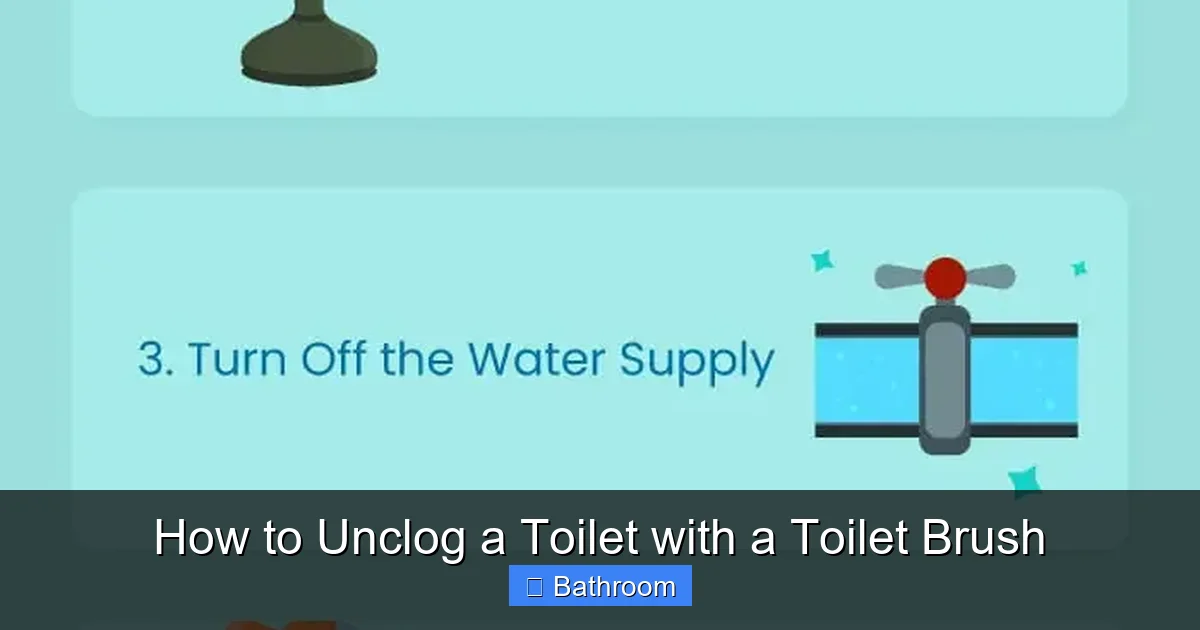
Visual guide about How to Unclog a Toilet with a Toilet Brush
Image source: rethority.com
- Spreading bacteria: If not cleaned properly, a toilet brush can harbor germs that spread during use.
- Damaging the bowl: Using excessive force can scratch or chip the porcelain.
- Pushing clogs deeper: If you apply too much pressure, you might force debris into the drain pipe, making the problem worse.
- Contaminating the brush: Reusing a dirty brush can reintroduce bacteria into your toilet.
When It’s Safe to Use a Toilet Brush
You should feel confident using a toilet brush to unclog your toilet when:
- The clog is minor or partial.
- You have a clean, sanitized brush.
- You’re using gentle, controlled movements.
- You’re not forcing the brush into tight spaces.
Always remember: the toilet brush is not a plunger. It’s a tool for light cleaning and minor blockages, not a heavy-duty plumbing solution.
What You’ll Need to Unclog a Toilet with a Toilet Brush
You probably already have most of these items in your bathroom. No special equipment required.
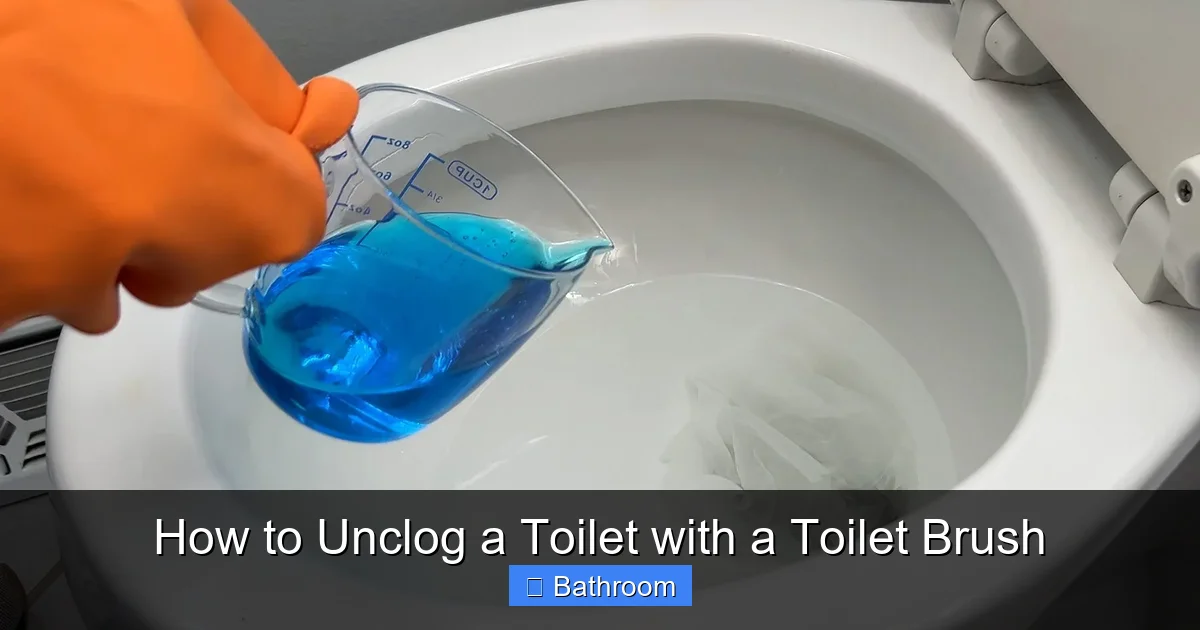
Visual guide about How to Unclog a Toilet with a Toilet Brush
Image source: familyhandyman.com
Essential Items
- A clean toilet brush: Make sure it’s been washed and disinfected before use.
- Toilet bowl cleaner (optional): Can help break down organic matter.
- Rubber gloves: Protect your hands from germs and bacteria.
- A bucket or towel: In case of splashing or overflow.
- Plunger (as backup): In case the brush method doesn’t work.
Optional Tools
- Toilet auger (plumber’s snake): For stubborn clogs.
- Drain snake: For deeper blockages in the pipe.
- Hydro jet cleaner: For severe buildup (professional use).
For most household clogs, a clean brush and a little patience are all you need.
Step-by-Step: How to Unclog a Toilet with a Toilet Brush
Step 1: Prepare the Area
Before you start, protect yourself and your surroundings. Put on rubber gloves and lay down a towel or old sheet in front of the toilet to catch any splashes.
Flush the toilet to see how much water is in the bowl. If the water level is high, you may need to let some drain first before brushing—but don’t flush again until you’ve made progress.
Step 2: Sanitize the Brush
Even if your brush looks clean, it may harbor bacteria. Rinse it thoroughly under hot water, then apply a small amount of disinfectant or bleach solution. Let it sit for a minute before using.
Alternatively, you can soak the brush in a mixture of one part bleach to nine parts water for 10 minutes, then rinse well.
Step 3: Insert the Brush Gently
Slowly insert the brush into the toilet bowl. Don’t force it—let it slide in naturally. The bristles should touch the bottom of the bowl where the clog is likely located.
For most clogs, the blockage forms near the bottom of the bowl, just above the U-shaped trap.
Step 4: Begin Brushing in a Circular Motion
Using gentle, circular motions, brush the bottom of the bowl. Apply light pressure—no need to press hard. The goal is to break up soft debris without damaging the porcelain.
Move the brush in small circles, gradually expanding outward. This helps dislodge particles that are stuck to the bowl’s interior.
Step 5: Flush and Repeat
After brushing for 30–60 seconds, flush the toilet. Watch to see if the water drains normally.
If the water is still rising or draining slowly, repeat the brushing process. Sometimes multiple attempts are needed.
Step 6: Clean the Brush Thoroughly
Once the clog is cleared, rinse the brush under hot water and disinfect it again. Store it in a dry, ventilated area to prevent mold.
Never leave a wet brush in the holder—it’s a breeding ground for bacteria.
Tips for Effective Toilet Brush Use
Use the Right Technique
Think of the brush as a gentle scrubber, not a plunger. The key is gentle, repeated motion rather than force. If you feel resistance, stop and try a different approach.
Combine with Flushing
Flush while brushing to help move debris through the trap. This mimics the action of a plunger without the suction.
Avoid Harsh Chemicals
While some people add cleaner to the bowl before brushing, this isn’t always necessary. Most soft clogs come apart with brushing alone.
Don’t Overuse the Brush
Limit brushing to 2–3 cycles. If the clog isn’t clearing, stop and use a plunger or call a plumber. Continuing may worsen the blockage.
Keep the Brush Clean
Replace your brush every 6–12 months, or sooner if the bristles are frayed. A worn brush won’t clean effectively and can scratch the bowl.
When Not to Use a Toilet Brush
Signs You Need a Plunger
If you notice any of the following, stop using the brush and switch to a plunger:
- The water level is very high and rising.
- The clog won’t budge after 3–4 attempts.
- You suspect a hard object (like a toy or jewelry) is stuck.
- There’s a foul odor coming from the drain.
When to Call a Plumber
Contact a professional if:
- The clog returns frequently.
- You hear gurgling from other drains.
- Water backs up into the shower or sink.
- You’ve tried multiple methods with no success.
Persistent clogs may indicate a more serious issue, such as a collapsed sewer line or tree root intrusion.
Preventing Future Toilet Clogs
Flush Only the 3 P’s
Stick to the golden rule: only flush paper, pee, and poop. Everything else—wipes, wipes, wipes—belongs in the trash.
Use Less Toilet Paper
Try using less TP per flush. Some people use a double-ply paper sparingly or switch to a smaller roll.
Install a Drain Strainer
A small mesh strainer over the overflow hole can catch hair and debris before they enter the drain.
Regular Maintenance
Every few months, clean your toilet bowl thoroughly and consider using a enzyme-based cleaner to break down buildup.
Educate Household Members
If you share your home, make sure everyone knows what can and cannot be flushed.
Frequently Asked Questions
Can a toilet brush really unclog a toilet?
Yes, but only for minor, soft clogs made of paper and mild debris. It works by breaking up blockages near the bowl’s bottom. For harder clogs, a plunger or plumber’s snake is needed.
Is it safe to use a dirty toilet brush for unclogging?
No. Always clean and disinfect the brush before use. A dirty brush can spread bacteria and make the clog worse by pushing debris deeper into the pipe.
How often should I replace my toilet brush?
Replace your toilet brush every 6 to 12 months, or sooner if the bristles are frayed. A worn brush is less effective and can scratch the bowl.
Can I use a toilet brush with a plunger?
Yes. Use the brush first for minor clogs, then switch to a plunger if needed. They work well together for different types of blockages.
What if the clog keeps coming back?
Frequent clogs may indicate a deeper plumbing issue. Contact a licensed plumber to inspect your pipes and sewer line.
Can I use a toilet brush on a clogged bathtub drain?
No. A toilet brush is not designed for bathtub drains and won’t be effective. Use a plunger, drain snake, or call a plumber instead.
Conclusion
Unclogging a toilet with a toilet brush is a practical, low-cost method for handling minor blockages. While it’s not a substitute for a plunger in every situation, it’s a valuable tool to have in your home maintenance toolkit. With the right technique, cleanliness, and patience, you can restore your toilet’s flow without calling a plumber or resorting to harsh chemicals.
Remember, prevention is always better than cure. By flushing only the 3 P’s, keeping your brush clean, and maintaining your toilet regularly, you can avoid clogs before they happen. And when they do—you’ll be ready.
So the next time your toilet starts to gurgle or water rises slowly, don’t panic. Grab your brush, follow these steps, and tackle the problem like a pro.
Frequently Asked Questions
Can a toilet brush really unclog a toilet?
Yes, but only for minor, soft clogs made of paper and mild debris. It works by breaking up blockages near the bowl’s bottom. For harder clogs, a plunger or plumber’s snake is needed.
Is it safe to use a dirty toilet brush for unclogging?
No. Always clean and disinfect the brush before use. A dirty brush can spread bacteria and make the clog worse by pushing debris deeper into the pipe.
How often should I replace my toilet brush?
Replace your toilet brush every 6 to 12 months, or sooner if the bristles are frayed. A worn brush is less effective and can scratch the bowl.
Can I use a toilet brush with a plunger?
Yes. Use the brush first for minor clogs, then switch to a plunger if needed. They work well together for different types of blockages.
What if the clog keeps coming back?
Frequent clogs may indicate a deeper plumbing issue. Contact a licensed plumber to inspect your pipes and sewer line.
Can I use a toilet brush on a clogged bathtub drain?
No. A toilet brush is not designed for bathtub drains and won’t be effective. Use a plunger, drain snake, or call a plumber instead.