How to Use a Microfiber Cloth
Microfiber cloths are powerful cleaning tools that work wonders on dust, grease, and streaks—without harsh chemicals. When you know how to use a microfiber cloth properly, you’ll save time, protect surfaces, and extend the life of your cleaning supplies. Whether you’re wiping down counters or polishing glass, these simple cloths do the heavy lifting with minimal effort.
Key Takeaways
- Proper washing is essential: Never use fabric softener when washing microfiber cloths, as it coats the fibers and reduces their effectiveness. Always wash them separately in warm water.
- Damp is best: For most cleaning tasks, a slightly damp microfiber cloth works better than a dry one. Water helps lift dirt and activates the electrostatic charge that traps particles.
- Different cloths for different tasks: Use separate cloths for kitchen surfaces, electronics, mirrors, and floors to prevent cross-contamination and maintain hygiene.
- No need for chemicals: Microfiber’s natural ability to attract and hold dirt means you can clean effectively with just water—great for eco-friendly homes.
- Stretch and buff for shine: For streak-free glass and mirrors, stretch the cloth taut and buff in circular motions to achieve a sparkling finish.
- Replace when worn: Microfiber loses its effectiveness after about 100 washes. Replace cloths that feel rough or no longer pick up dust well.
- Store them clean: Always store microfiber cloths in a clean, dry place. Avoid leaving them in damp areas where bacteria can grow.
📑 Table of Contents
- How to Use a Microfiber Cloth: Your Complete Guide to Spotless Cleaning
- What Makes Microfiber Cloths So Special?
- How to Use a Microfiber Cloth for Different Surfaces
- How to Care for Your Microfiber Cloths
- Advanced Tips for Maximum Effectiveness
- Eco-Friendly Cleaning with Microfiber
- Common Mistakes to Avoid
- Conclusion: Master the Art of Microfiber Cleaning
How to Use a Microfiber Cloth: Your Complete Guide to Spotless Cleaning
Have you ever noticed how a tiny, soft cloth can make your kitchen counters shine, your windows streak-free, and your electronics sparkle—without a single drop of harsh chemical? That’s the magic of the microfiber cloth. These ultra-fine fabric wonders are revolutionizing home cleaning, and for good reason. But here’s the catch: not all microfiber cloths are created equal, and not all ways of using them are equally effective. If you’ve ever wondered how to use a microfiber cloth properly, you’re in the right place.
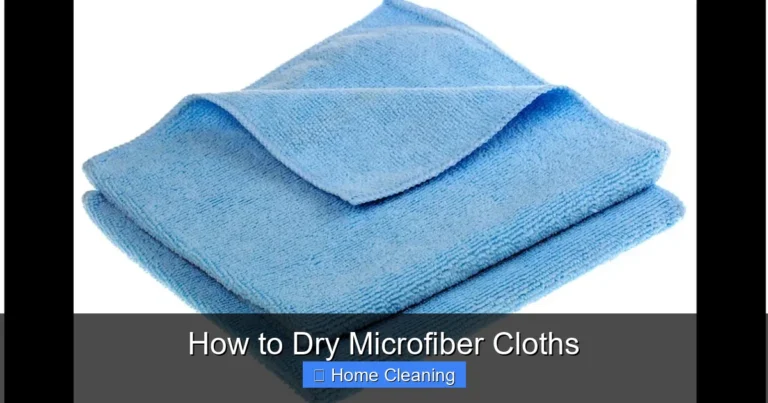
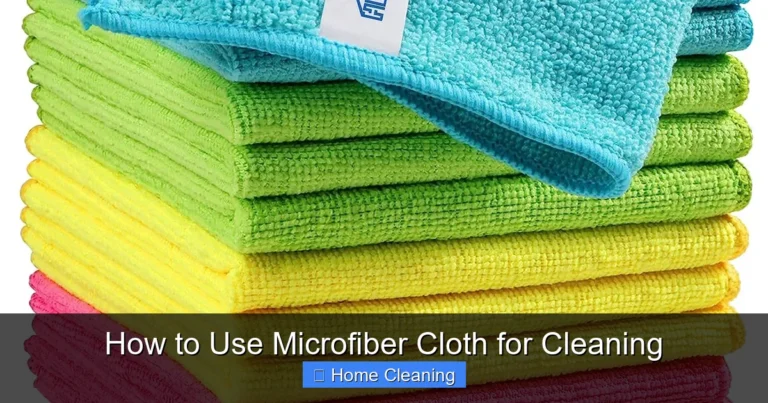
Microfiber cloths are made from a blend of polyester and nylon fibers, each split into thousands of tiny filaments. This gives them an incredibly high surface area, allowing them to trap dust, grease, and moisture far more effectively than traditional cotton cloths. The result? Less effort, fewer chemicals, and a cleaner home. But to unlock their full potential, you need to know the right techniques, the right habits, and how to care for them so they last.
In this article, we’ll walk you through everything you need to know—from the basics of how to use a microfiber cloth for different surfaces to advanced tips that will make you a cleaning pro. Whether you’re a beginner or just looking to refine your routine, you’ll walk away with practical, easy-to-follow advice that works. Let’s get started.
What Makes Microfiber Cloths So Special?
Before we dive into how to use a microfiber cloth, it’s important to understand why they’re so effective in the first place. Unlike regular cotton towels that just move dirt around, microfiber cloths actually capture particles. How? It’s a combination of physical and electrostatic properties.
Visual guide about How to Use a Microfiber Cloth
Image source: i.shgcdn.com
The Science Behind the Clean
Microfiber cloths are made from synthetic fibers that are split into ultrafine strands—often as thin as 1/100th the diameter of a human hair. This creates millions of tiny fibers per square inch, giving the cloth a huge surface area. When you wipe a surface, these fibers conform to the shape of the object, even the smallest grooves and crevices. That means dust, oil, and grime get trapped—not just pushed around.
But there’s more. Microfiber also generates a static charge when agitated (like when you rub it across a surface). This electrostatic charge helps attract and hold onto tiny particles, including even invisible dust. That’s why a microfiber cloth can pick up more dirt with less effort than a regular towel.
Why Water Is Your Best Friend
One of the most common misconceptions is that microfiber cloths only work when dry. In reality, using a microfiber cloth damp is often more effective. When slightly dampened, the fibers expand and create even more surface area to trap dirt. Plus, water helps break down grease and grime, making it easier to lift away.
For example, when cleaning a greasy stovetop, a damp microfiber cloth can dissolve and lift the oil in seconds. A dry cloth might just smear it around. That’s why the secret to great cleaning with microfiber isn’t in the dryness—it’s in the right amount of moisture.
How to Use a Microfiber Cloth for Different Surfaces
The beauty of microfiber cloths is their versatility. But to get the best results, you need to use them correctly on different surfaces. Here’s how to use a microfiber cloth for the most common cleaning tasks around your home.
Visual guide about How to Use a Microfiber Cloth
Image source: photos-public-domain.com
Kitchen Surfaces: Counters, Appliances, and Stovetops
The kitchen is a hotspot for grease, food residue, and bacteria. A microfiber cloth is perfect for tackling these messes—without needing harsh cleaners.
Step 1: Start by wiping down counters with a slightly damp microfiber cloth. The dampness helps lift food particles and grime.
Step 2: For greasy stovetops, spray a small amount of water or a mild, all-purpose cleaner onto the surface. Then, use the microfiber cloth to wipe in circular motions. The cloth will absorb both the moisture and the grease.
Step 3: For stainless steel appliances, use a dry or slightly damp cloth and buff in the direction of the grain to avoid streaks.
Pro Tip: Use a dedicated microfiber cloth for the kitchen and never use it on bathrooms or electronics to avoid cross-contamination.
Bathroom Cleaning: Mirrors, Tiles, and Fixtures
Bathrooms are humid and often covered in soap scum, water spots, and mildew. A microfiber cloth can handle it all—even on glass and polished chrome.
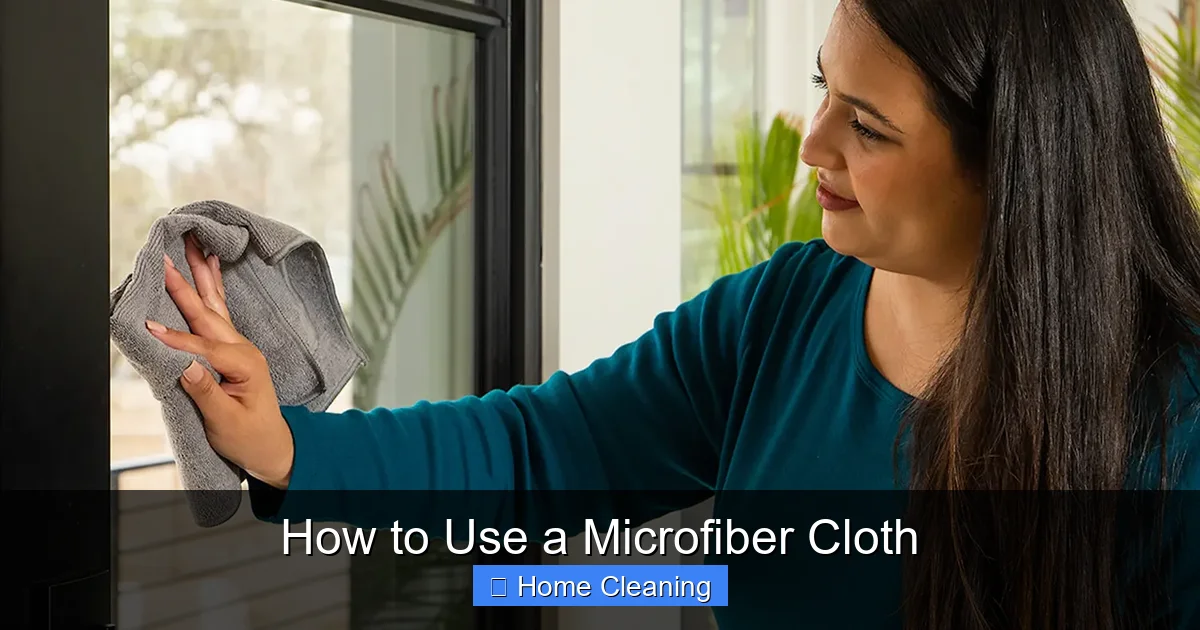
Step 1: For mirrors and glass surfaces, use a clean, slightly damp microfiber cloth. Spray water or a glass cleaner onto the surface, then wipe with the cloth.
Step 2: To prevent streaks, stretch the cloth taut and buff in smooth, overlapping strokes. Circular motions can leave swirls.
Step 3: For shower doors and tiles, use a microfiber cloth with a little vinegar-water solution (1:1 ratio). The acidity helps break down soap scum.
Bonus: Use a dry microfiber cloth to wipe down faucets and chrome fixtures after use. This prevents water spots and keeps them shiny.
Electronics: Phones, Laptops, and TV Screens
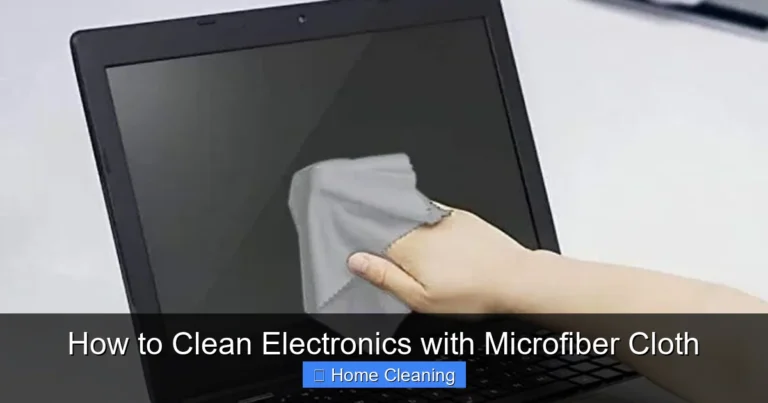
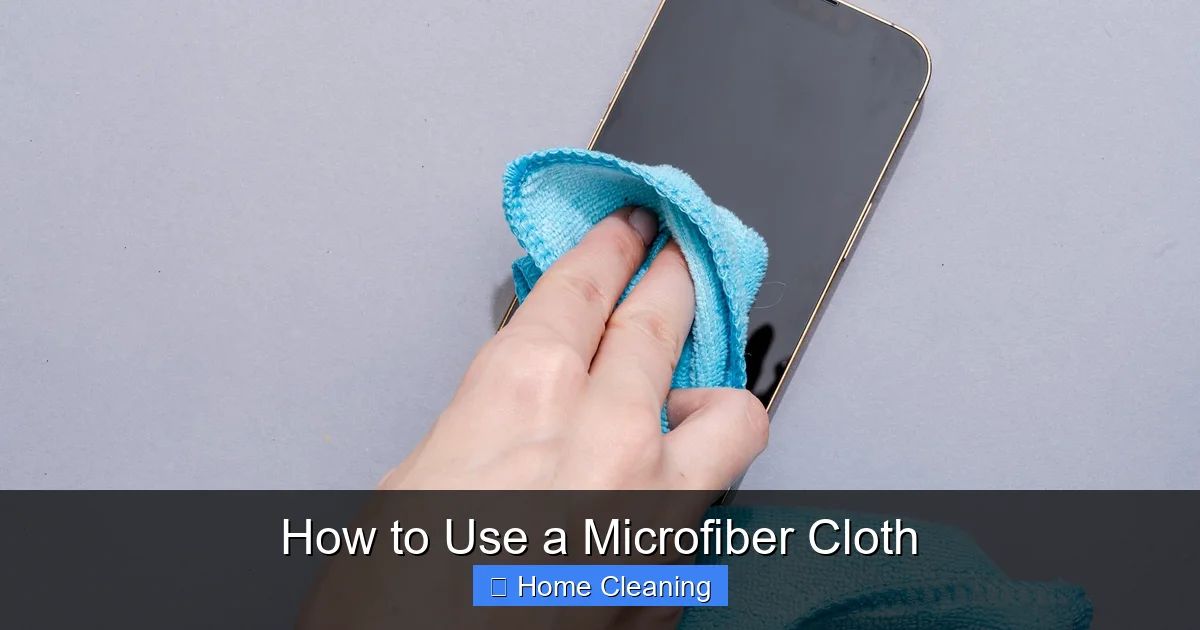
Electronics are delicate. You wouldn’t use a rough sponge on your phone screen, and you shouldn’t either. A microfiber cloth is ideal for cleaning screens and devices.
Step 1: Turn off the device and unplug it if possible.
Step 2: Use a dry microfiber cloth to gently wipe the screen in circular motions. This removes dust and fingerprints.
Step 3: For stubborn smudges, lightly dampen the cloth with water or a screen-safe cleaner. Never spray liquid directly onto the device.
Important: Avoid using paper towels or regular cloths—they can scratch screens. Always use a clean microfiber cloth specifically for electronics.
Floors: Hardwood, Tile, and Laminate
Microfiber cloths aren’t just for surfaces—they’re great for mopping too. In fact, many microfiber mop pads are designed to trap dirt and dust without needing much water.
Step 1: Attach a microfiber mop pad to your mop or use a handheld microfiber mop.
Step 2: Dampen the pad slightly—never soak it. Too much water can damage hardwood floors.
Step 3: Mop in straight lines, overlapping slightly to avoid missing spots.
Step 4: For dry mopping (great for daily maintenance), use a dry microfiber cloth mop to pick up dust and pet hair.
Car and Auto Care
Your car’s exterior and interior can benefit greatly from microfiber cloths. They’re gentle on paint and effective at removing dirt and streaks.
Step 1: Use a clean, dry microfiber cloth to wipe down the dashboard, seats, and windows.
Step 2: For waxing or polishing, use a slightly damp cloth with car-safe polish. Buff in circular motions until the surface shines.
Step 3: Use a separate cloth for the windshield and another for the interior to avoid transferring dirt.
How to Care for Your Microfiber Cloths
Even the best microfiber cloths lose their effectiveness if not cared for properly. The key to longevity and performance lies in how you wash and store them.
Visual guide about How to Use a Microfiber Cloth
Image source: ideasask.com
Washing Tips
Never toss your microfiber cloths in with towels or other fabrics unless you’re washing a large load. Microfiber can snag and lose fibers, reducing its cleaning power.
Best Practices:
- Wash microfiber cloths separately in warm water (not hot).
- Use a mild detergent—avoid fabric softeners, bleach, or harsh chemicals.
- Skip the dryer or use low heat. High heat can melt the fibers and ruin the cloth.
- Never use dryer sheets—they coat the fibers and reduce absorption.
When to Replace
Most microfiber cloths last about 100 washes. After that, they start to lose their fine fibers and become less effective. Signs it’s time to replace them include:
- The cloth feels rough instead of soft.
- It no longer picks up dust or dirt well.
- It starts to pill or fray.
Storing Your Cloths
Keep your microfiber cloths clean and ready to use by storing them properly. Always:
- Fold them neatly and place them in a clean, dry drawer or container.
- Avoid leaving them in damp bathrooms or near sinks where they can absorb moisture and grow bacteria.
- Label cloths by use (e.g., “kitchen,” “bathroom,” “electronics”) to avoid cross-contamination.
Advanced Tips for Maximum Effectiveness
Now that you know the basics of how to use a microfiber cloth, let’s level up your cleaning game with some pro tips.
Use the Right Cloth for the Job
Not all microfiber cloths are the same. Some are designed for dry dusting, others for wet mopping. For example:
- Dusting cloths often have a higher pile and are great for picking up fine particles.
- Wiping cloths are denser and better for absorbing liquids.
- Polishing cloths are ultra-soft and ideal for glass and mirrors.
Using the right type ensures you get the best results without wasting effort.
Fold and Layer for Better Coverage
Instead of using a large cloth and wasting half of it, try folding your microfiber cloth into quarters. This gives you four clean, absorbent layers in one, reducing the number of times you need to wash it.
For example, when cleaning a large window, fold the cloth and use each side as you work. Once one side gets dirty, flip it over—no need to wash it yet.
Use a Spray Bottle for Control
Instead of dabbing water all over a surface, use a spray bottle with water or a cleaning solution. Spray lightly, then wipe with the microfiber cloth. This gives you better control over moisture and prevents over-wetting.
Let It Air Dry Between Uses
If you’re using the same cloth for multiple tasks, let it air dry between uses. This prevents the buildup of bacteria and keeps it effective. Hang it on a hook or lay it flat in a well-ventilated area.
Eco-Friendly Cleaning with Microfiber
One of the best things about microfiber cloths is their environmental benefits. Since they work with just water and don’t require chemical cleaners, they’re a sustainable choice for green homes.
Here’s how to make your microfiber routine even more eco-friendly:
- Reuse cloths as long as they’re effective—up to 100+ times.
- Wash them in cold water to save energy.
- Air dry them instead of using the dryer.
- Use a reusable spray bottle with water and vinegar instead of buying disposable wipes.
By switching to microfiber, you’re not just cleaning better—you’re reducing plastic waste and chemical runoff.
Common Mistakes to Avoid
Even experienced cleaners make mistakes with microfiber cloths. Here are the most common errors and how to fix them.
Mistake 1: Using Fabric Softener
Fabric softener coats microfiber fibers, making them less absorbent and less effective. Always skip the softener—even on other laundry.
Mistake 2: Using Hot Water
Hot water can damage the synthetic fibers and reduce their ability to trap dirt. Stick to warm or cold water.
Mistake 3: Using the Same Cloth for Everything
Using one cloth for the kitchen, bathroom, and electronics spreads germs and dirt. Always use separate cloths for different areas.
Mistake 4: Over-Wetting
Too much water can weigh down the cloth and make it harder to maneuver. Damp is better than soaked.
Mistake 5: Ignoring the Grain
On surfaces like wood or stainless steel, wiping against the grain can scratch or leave marks. Always follow the natural direction of the surface.
Conclusion: Master the Art of Microfiber Cleaning
Learning how to use a microfiber cloth is more than just a cleaning trick—it’s a game-changer for your home. These simple tools can replace dozens of cleaning products, reduce your environmental footprint, and give you spotless results with minimal effort. From kitchen counters to car dashboards, microfiber cloths are the ultimate multitaskers.
Remember: the key is in the details. Use them damp, wash them right, separate them by use, and replace them when needed. With these habits, your microfiber cloths will stay effective, hygienic, and ready for action.
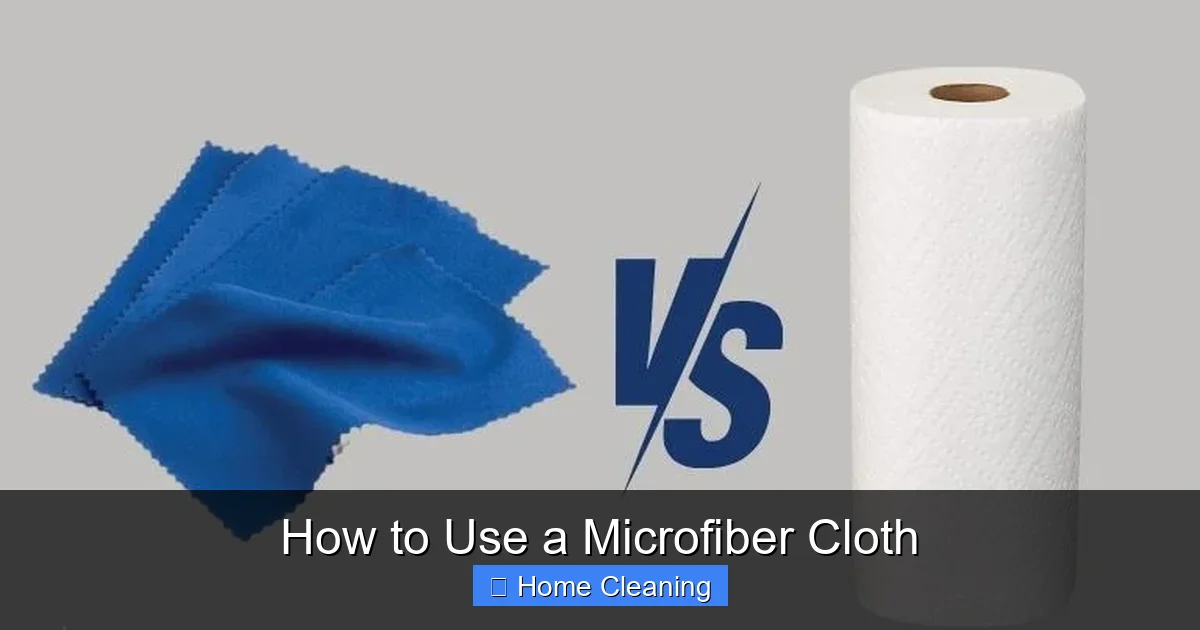
So the next time you reach for a sponge or paper towel, think twice. A microfiber cloth might just be the most powerful cleaning tool you own.
Frequently Asked Questions
How often should I wash my microfiber cloths?
Wash microfiber cloths after each use if they’re visibly dirty or used on multiple surfaces. For light dusting, you can use the same cloth for several days as long as it’s allowed to air dry between uses.
Can I use vinegar with my microfiber cloths?
Yes, but use it sparingly. A 1:1 mix of water and white vinegar works well for glass and hard surfaces. Avoid using vinegar on natural stone or unsealed wood, as it can damage the surface.
Do microfiber cloths work better when new?
Absolutely. New microfiber cloths have fully intact fibers and maximum electrostatic charge. Over time, fibers break down and lose effectiveness, which is why proper care is so important.
Can I use microfiber cloths on delicate surfaces like marble?
Yes, but only with water or a pH-neutral cleaner. Avoid acidic or abrasive cleaners. Always test on a small area first and use gentle pressure.
How do I remove odors from microfiber cloths?
Soak the cloth in a solution of water and baking soda for 30 minutes, then rinse and air dry. This neutralizes odors without damaging the fibers.
Are microfiber cloths safe for baby bottles and food areas?
Yes, if they’re clean and used only for food-safe surfaces. Always wash microfiber cloths used in kitchens or on baby items in hot, soapy water to ensure they’re germ-free.