How to Use a Toilet Bowl Brush
Using a toilet bowl brush is essential for maintaining a clean and hygienic bathroom. This simple tool helps remove stains, grime, and bacteria from the bowl, preventing odors and buildup. With the right technique and regular use, a toilet bowl brush keeps your toilet sparkling and your home smelling fresh.
Key Takeaways
- Proper Technique: Always wear gloves and use a toilet bowl brush with cleaning solution for effective scrubbing.
- Frequency Matters: Clean your toilet bowl at least once a week to prevent buildup and maintain hygiene.
- Choose the Right Brush: Select a brush with durable bristles and a comfortable grip for better cleaning.
- Storage is Key: Store your brush in a dry, ventilated area to prevent mold and bacterial growth.
- Deep Cleaning: Use a toilet bowl brush for deep cleaning during routine maintenance or when noticing stains.
- Safety First: Always flush after cleaning and wash your hands thoroughly to avoid contamination.
- Eco-Friendly Options: Consider using a toilet bowl brush with reusable or biodegradable components for sustainability.
📑 Table of Contents
- How to Use a Toilet Bowl Brush: A Complete Guide to Cleaner, Fresher Bathrooms
- Why a Toilet Bowl Brush Matters
- Choosing the Right Toilet Bowl Brush
- How to Use a Toilet Bowl Brush: Step-by-Step
- Best Practices for Maintaining Your Toilet Bowl Brush
- Common Mistakes to Avoid
- Eco-Friendly Toilet Bowl Brush Options
- When to Use a Toilet Bowl Brush
- Final Thoughts: Make It a Habit
How to Use a Toilet Bowl Brush: A Complete Guide to Cleaner, Fresher Bathrooms
Let’s face it—no one enjoys talking about toilet bowl brushes. But when it comes to bathroom hygiene, this humble tool plays a surprisingly important role. Whether you’re a first-time homeowner or just looking to refresh your cleaning routine, knowing how to use a toilet bowl brush effectively can make a world of difference. Not only does it help remove unsightly stains and odors, but it also keeps your toilet functioning properly by preventing mineral buildup and bacteria from taking hold.
In this comprehensive guide, we’ll walk you through everything you need to know about using a toilet bowl brush like a pro. From choosing the right brush to mastering the cleaning technique, we’ve got you covered. By the end, you’ll be equipped with practical tips, safety advice, and even eco-friendly alternatives to keep your toilet sparkling clean—no mystery or mess required.
Why a Toilet Bowl Brush Matters
At first glance, a toilet bowl brush might seem like a minor household item. But think about it: your toilet is one of the most frequently used fixtures in your home, and it’s also one of the dirtiest. Over time, urine, soap residue, hard water deposits, and other debris can accumulate in the bowl, leading to stubborn stains, unpleasant odors, and even bacterial growth.
Visual guide about How to Use a Toilet Bowl Brush
Image source: m.media-amazon.com
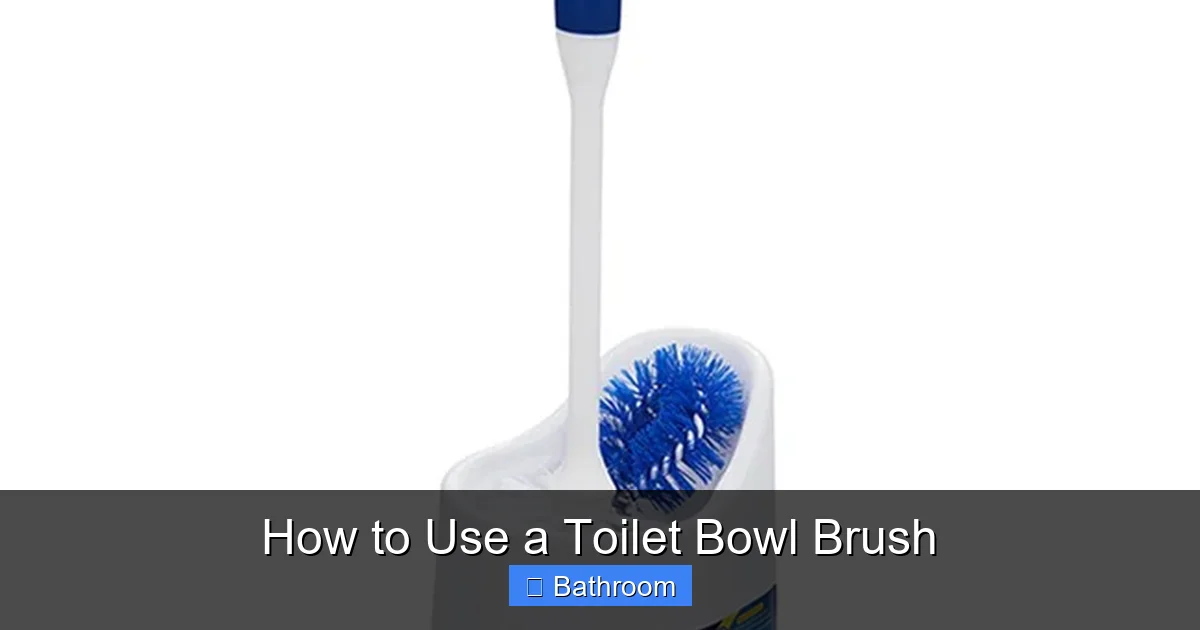
A toilet bowl brush is specifically designed to tackle these issues. Its stiff bristles can reach into corners and under the rim where dirt hides, while its long handle keeps your hands away from the germs. When used correctly, it ensures a deeper clean than what you can achieve with just a quick flush or a quick wipe.
Moreover, regular use of a toilet bowl brush can extend the life of your toilet. By removing mineral buildup and preventing clogs, you reduce the need for harsh chemical cleaners and expensive repairs. It’s a small tool with big benefits—especially when you know how to use it properly.
Choosing the Right Toilet Bowl Brush
Before you can master how to use a toilet bowl brush, you need to pick the right one. With so many options on the market, it’s easy to feel overwhelmed. But don’t worry—we’ll break it down for you.
Visual guide about How to Use a Toilet Bowl Brush
Image source: hospecoonline.ph
Types of Toilet Bowl Brushes
There are three main types of toilet bowl brushes:
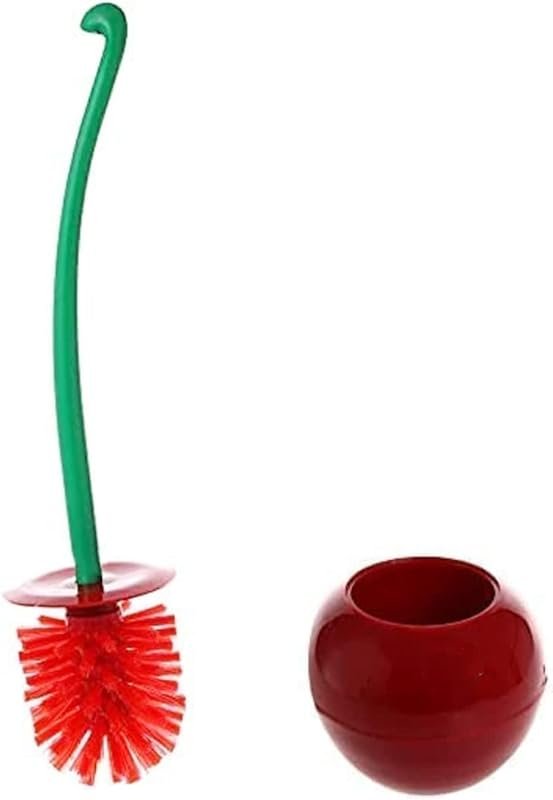
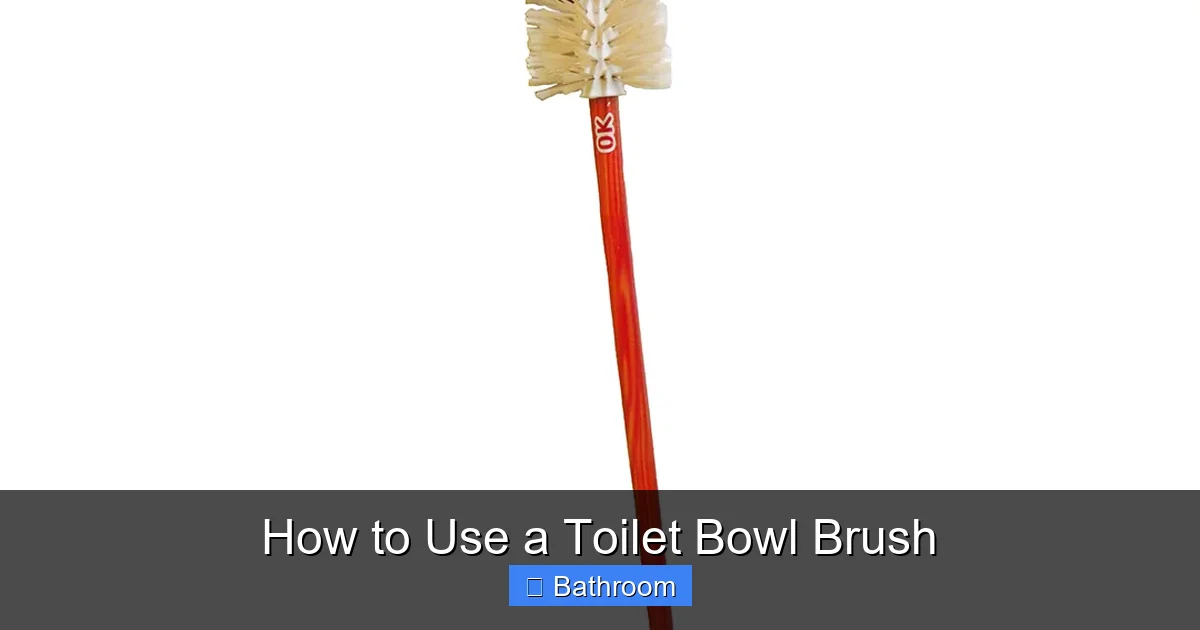
- Traditional Bristle Brushes: These are the classic, upright brushes with a handle and bristles. They’re affordable, widely available, and effective for most cleaning tasks.
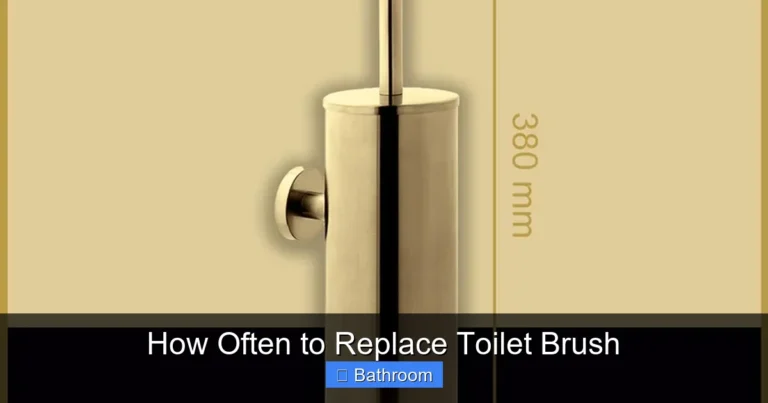
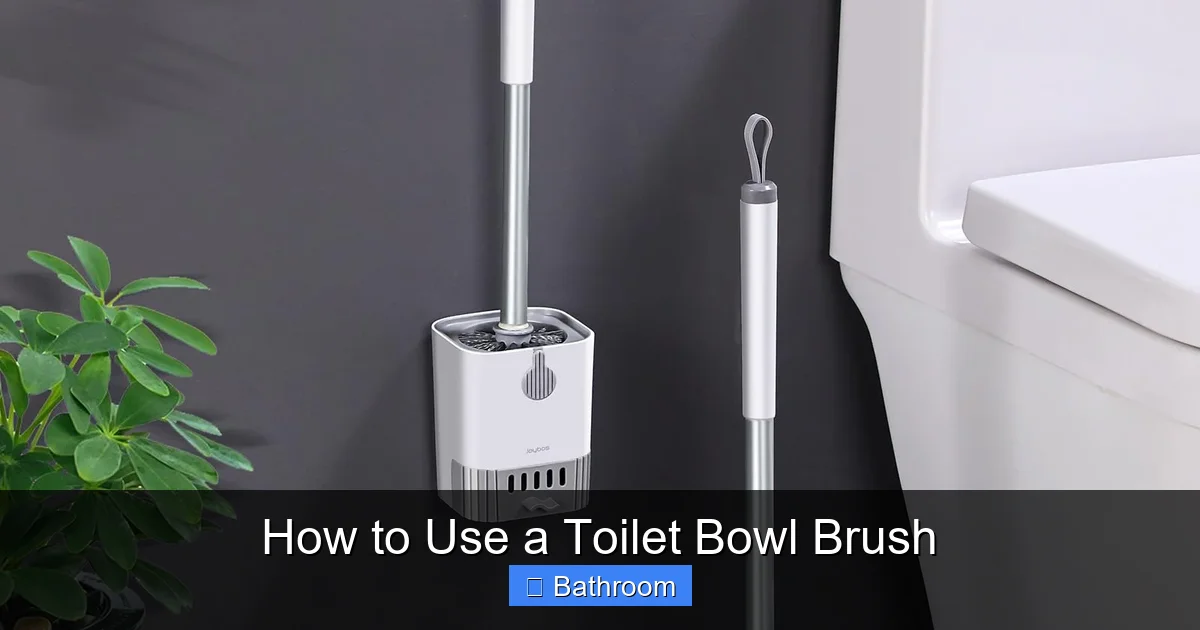
- Wall-Mounted Brushes: These come with a holder that attaches to the wall near the toilet. They save floor space and keep the brush off the bathroom floor, which can be helpful in smaller bathrooms.
- Self-Cleaning Brushes: These advanced models have a built-in reservoir that releases cleaning solution as you brush. They’re great for hands-free cleaning and reducing contact with germs.
What to Look For
When shopping for a toilet bowl brush, keep these features in mind:
- Bristle Quality: Look for durable, non-abrasive bristles that won’t scratch your porcelain. Nylon bristles are a popular choice because they’re tough yet gentle.
- Ergonomic Handle: A comfortable grip makes scrubbing easier and reduces strain on your wrist. Some handles even have non-slip textures.
- Hygienic Storage: Choose a brush with a ventilated holder to prevent moisture buildup and mold growth.
- Eco-Friendly Options: Consider brushes made from recycled materials or those that use refillable cleaning solutions to reduce plastic waste.
Pro Tip:
If you’re unsure which type to choose, start with a traditional bristle brush. It’s versatile, easy to use, and works well for most households. Once you’re comfortable with the process, you can explore more advanced options.
How to Use a Toilet Bowl Brush: Step-by-Step
Now that you’ve got the right brush, it’s time to learn how to use a toilet bowl brush effectively. Follow these simple steps for a thorough clean every time.
Visual guide about How to Use a Toilet Bowl Brush
Image source: m.media-amazon.com
Step 1: Gather Your Supplies
Before you begin, make sure you have everything you need:
- A toilet bowl brush
- Toilet bowl cleaner (liquid or gel works best)
- Disposable gloves (optional but recommended)
- A clean cloth or paper towels
- A toilet brush holder (if your brush doesn’t come with one)
Step 2: Put on Gloves
Even if you’re using gloves, it’s a good idea to wear disposable ones. This protects your hands from germs and prevents your skin from coming into contact with cleaning chemicals. Plus, it keeps your nails clean—no one wants to find dirt under their fingernails!
Step 3: Apply Toilet Cleaner
Spray or pour toilet bowl cleaner around the inside of the bowl, especially under the rim and in corners where stains tend to hide. Let it sit for a few minutes to break down grime. This gives the cleaner time to work its magic before you start scrubbing.
Step 4: Start Scrubbing
Now comes the fun part—scrubbing! Here’s how to do it like a pro:
- Hold the brush firmly with both hands for better control.
- Start at the waterline and work your way down, using circular motions.
- Focus on stains and buildup—don’t just go through the motions. Pay extra attention to areas that look cloudy or discolored.
- Don’t forget under the rim—this is where a lot of residue accumulates. Angle the brush upward to reach this hard-to-clean spot.
Step 5: Flush and Inspect
Once you’ve scrubbed the entire bowl, flush the toilet. This helps rinse away loosened dirt and cleaner. Then take a quick look inside—does it look clean and stain-free? If not, repeat the scrubbing process on any stubborn spots.
Step 6: Clean the Brush
After use, rinse the brush thoroughly under running water to remove all residue. Shake off excess water and place it in a ventilated holder. Never leave a wet brush sitting in a closed container—it’s a breeding ground for bacteria.
Step 7: Wash Your Hands
Finally, remove your gloves and wash your hands with soap and water. This is a crucial step to prevent the spread of germs.
Pro Tip:
For extra freshness, add a few drops of essential oil (like tea tree or lemon) to your toilet cleaner. It not only smells great but also has natural antibacterial properties.
Best Practices for Maintaining Your Toilet Bowl Brush
Knowing how to use a toilet bowl brush is only half the battle. To keep it working well and hygienic, you need to maintain it properly. Here are some best practices to follow:
Clean the Brush Regularly
Even if you don’t use the brush every day, give it a rinse after each use. Once a week, give it a deeper clean by soaking it in a mixture of water and white vinegar for 15 minutes. This kills bacteria and removes any lingering odors.
Replace the Brush When Needed
Most toilet bowl brushes last 3–6 months with regular use. If the bristles become frayed or the handle is cracked, it’s time to replace it. Worn brushes are less effective and can scratch your toilet.
Store It Properly
Always store your brush in a dry, well-ventilated area. If your brush holder has a lid, make sure it’s open during use and closed only when the brush is completely dry. Moisture is the enemy of hygiene.
Avoid Cross-Contamination
Never use your toilet bowl brush for anything else—like cleaning the shower or sink. This can spread bacteria and defeat the purpose of keeping your toilet clean.
Deep Clean Weekly
Set aside time each week to give your toilet a full deep clean. This includes scrubbing the bowl, wiping the exterior, and cleaning the seat and lid. A clean brush is your best tool for this job.
Common Mistakes to Avoid
Even with the best intentions, it’s easy to make mistakes when using a toilet bowl brush. Here are some common errors and how to fix them:
Mistake 1: Not Using Gloves
Skipping gloves means exposing your hands to germs and chemicals. Always wear them, especially if you have sensitive skin or are using strong cleaners.
Mistake 2: Using Too Much Force
You don’t need to scrub like you’re trying to sand down a table. Gentle, consistent pressure is enough. Aggressive scrubbing can damage your toilet’s finish.
Mistake 3: Ignoring Under the Rim
This area is often overlooked but is one of the dirtiest parts of the bowl. Make sure to angle your brush upward to reach it.
Mistake 4: Not Rinsing the Brush
Leaving residue on the brush leads to bacteria growth. Always rinse it thoroughly after use.
Mistake 5: Using the Wrong Cleaner
Avoid abrasive cleaners that can damage porcelain. Stick to mild, toilet-specific cleaners for best results.
Eco-Friendly Toilet Bowl Brush Options
If you’re environmentally conscious, you’ll be happy to know that there are eco-friendly toilet bowl brushes available. These options focus on sustainability without sacrificing effectiveness.
Reusable Brushes
Some brushes come with replaceable heads. When the bristles wear out, you can just swap out the head instead of tossing the whole brush. This reduces plastic waste significantly.
Biodegradable Bristles
Look for brushes made with plant-based bristles that break down naturally over time. These are a great alternative to plastic.
Refillable Cleaners
Instead of buying single-use plastic bottles, consider using concentrated toilet cleaners that you dilute at home. This cuts down on packaging waste.
DIY Cleaning Solutions
For a truly green approach, use a mixture of vinegar, baking soda, and a few drops of essential oil as your cleaning solution. It’s effective, affordable, and safe for the environment.
When to Use a Toilet Bowl Brush
You might wonder, “When exactly should I use a toilet bowl brush?” The answer is: whenever you notice buildup, stains, or odors. Here are some specific situations where it’s especially helpful:
- After a hard water stain appears: Mineral deposits can build up over time. A brush helps remove them before they become permanent.
- When the toilet smells: Even with regular flushing, odors can linger. Scrubbing the bowl often eliminates the source.
- During deep cleaning: Every few weeks, give your toilet a full scrub to maintain its shine and hygiene.
- After using harsh chemicals: If you’ve used bleach or other strong cleaners, a brush ensures all residue is rinsed away.
- Before guests arrive: A clean toilet is a must for any home. Use the brush to give it a final touch-up.
Final Thoughts: Make It a Habit
Using a toilet bowl brush doesn’t have to be a chore. With the right technique and mindset, it can become a simple, effective part of your cleaning routine. Remember, the goal isn’t perfection—it’s consistency. A clean toilet is a healthy home, and a clean brush is the tool that helps you get there.
So next time you’re in the bathroom, don’t just reach for the cleaner—grab your brush. With a little effort and the tips we’ve shared, you’ll be amazed at how much better your toilet looks and smells. And who knows? You might even start to enjoy it a little.
Happy cleaning!
Frequently Asked Questions
How often should I use a toilet bowl brush?
It’s best to use a toilet bowl brush at least once a week to prevent buildup and maintain cleanliness. For households with multiple users or pets, cleaning every 3–4 days may be necessary.
Can I use a toilet bowl brush for other cleaning tasks?
No, it’s not recommended. Using the brush for other surfaces can spread bacteria. Keep it dedicated to toilet cleaning only.
How do I clean my toilet bowl brush?
Rinse it after each use and soak it weekly in a vinegar-water solution. Replace the brush every 3–6 months or when bristles are worn.
Is it safe to use a toilet bowl brush without gloves?
It’s not ideal. Gloves protect your hands from germs and chemicals. If you choose not to wear them, wash your hands thoroughly afterward.
Can a toilet bowl brush remove hard water stains?
Yes, especially when used with a cleaning solution. Apply cleaner, scrub the stained areas, and flush to remove mineral deposits.
What’s the best way to store a toilet bowl brush?
Store it in a ventilated holder, preferably near the toilet. Keep it upright and allow it to air dry completely before closing the lid.