How to Use Microfiber Cloth for Cleaning
Microfiber cloths are powerful cleaning tools made from ultra-fine synthetic fibers that trap dirt, dust, and bacteria without chemicals. When used correctly, they deliver streak-free shine on glass, stainless steel, and more—without scratching surfaces. Whether you’re cleaning your kitchen, bathroom, or electronics, mastering the right techniques makes all the difference.
Key Takeaways
- Microfiber is highly effective: Its tiny fibers capture up to 99% of bacteria and dust, making it ideal for deep cleaning without harsh chemicals.
- Proper wringing prevents streaks: Over-wringing reduces cleaning power, while under-wringing leads to streaks—learn the right balance for best results.
- Separate cloths prevent cross-contamination: Use different colors or labels for kitchen, bathroom, and general cleaning to avoid spreading germs.
- Washing is crucial: Microfiber loses effectiveness if not cleaned properly—rinse thoroughly and avoid fabric softeners.
- Use with the right amount of water or cleaner: Damp (not soaking) is best for most tasks; add a drop of dish soap or vinegar for tougher messes.
- Store them clean and dry: Keep microfiber cloths in a dry place to prevent mold and extend their lifespan.
- They’re eco-friendly: Reusable and long-lasting, microfiber cloths reduce waste compared to paper towels.
📑 Table of Contents
- How to Use Microfiber Cloth for Cleaning: Your Complete Guide
- What Is a Microfiber Cloth and Why Is It So Effective?
- Choosing the Right Microfiber Cloth for the Job
- Step-by-Step: How to Use Microfiber Cloth for Cleaning
- Cleaning Different Surfaces with Microfiber
- Pro Tips for Maximum Effectiveness
- Common Mistakes to Avoid
- Eco-Friendly and Cost-Effective Benefits
- Conclusion: Master the Art of Microfiber Cleaning
How to Use Microfiber Cloth for Cleaning: Your Complete Guide
Have you ever noticed how some cleaning tools just seem to glide across surfaces, lifting dirt without leaving streaks or lint behind? That’s the magic of microfiber cloths. These small, seemingly simple cloths are actually powerful cleaning allies made from synthetic fibers—typically a blend of polyester and nylon—that are split into thousands of tiny strands during manufacturing.
Unlike regular cotton towels, microfiber cloths have an extraordinary ability to attract and trap dust, grease, and bacteria due to their electrostatic charge and microscopic structure. This makes them perfect for everything from wiping down kitchen counters to cleaning delicate screens and mirrors. But here’s the catch: using them the wrong way can actually make things worse. Over-wringing, reusing without washing, or pairing them with the wrong cleaning solutions can reduce their effectiveness and even damage surfaces.
In this comprehensive guide, we’ll walk you through everything you need to know about how to use microfiber cloth for cleaning—from choosing the right cloth to proper washing and storage. Whether you’re a cleaning newbie or a seasoned home organizer, these tips will help you get the most out of your microfiber tools and keep your home sparkling clean, chemical-free, and healthy.
What Is a Microfiber Cloth and Why Is It So Effective?
Before diving into how to use microfiber cloth for cleaning, it’s important to understand what makes it so special. Microfiber is a type of fabric that’s woven from extremely fine synthetic fibers, usually polyester and nylon. These fibers are split into even thinner strands during production, creating a cloth with thousands of microscopic edges.
Visual guide about How to Use Microfiber Cloth for Cleaning
Image source: m.media-amazon.com
The Science Behind Microfiber’s Cleaning Power
These tiny edges increase the surface area of the cloth, allowing it to attract and hold onto dirt, dust, and moisture more effectively than traditional cotton. Additionally, microfiber has an electrostatic charge that helps lift and trap particles—even oily ones—without needing harsh chemicals. This means you can clean glass, electronics, and stainless steel with just water or a light spray.
Studies have shown that microfiber can remove up to 99% of bacteria from surfaces when used properly, making it a favorite among healthcare professionals and eco-conscious homeowners alike. It’s also lint-free, streak-free, and gentle on delicate surfaces—unlike paper towels, which leave behind fibers and often require multiple passes.
Common Uses for Microfiber Cloths
Microfiber cloths are incredibly versatile. Here are some of the most common applications:
- Glass and mirror cleaning: Leaves no streaks or smudges.
- Kitchen surfaces: Wipes away grease and food residue from countertops, stovetops, and appliances.
- Bathroom cleaning: Tackles soap scum, toothpaste stains, and water spots on tiles and fixtures.
- Electronics: Safe for screens like phones, tablets, and computer monitors.
- Car care: Polishes paint, removes dust, and cleans interiors without scratching.
- Floor mopping: Used with a microfiber mop for dust-free floors.
Because of their efficiency, many people find that switching to microfiber reduces the number of cleaning products they need—saving money and minimizing environmental impact.
Choosing the Right Microfiber Cloth for the Job
Not all microfiber cloths are created equal. The type you choose can affect how well they clean and how long they last. Here’s how to pick the best one for your needs.
Visual guide about How to Use Microfiber Cloth for Cleaning
Image source: m.media-amazon.com
Understanding Weave Types
Microfiber cloths come in different weaves, each suited to specific tasks:
- Split-weave (or ultra-fine): Made from split fibers that create even smaller edges. Ideal for glass, electronics, and polishing. These are the most absorbent and effective for streak-free cleaning.
- Standard microfiber: Good for general cleaning and dusting. Less absorbent than split-weave but still effective.
- Looped or terry cloth: Thicker and more absorbent, often used for scrubbing or soaking up spills. Best for kitchen and bathroom messes.
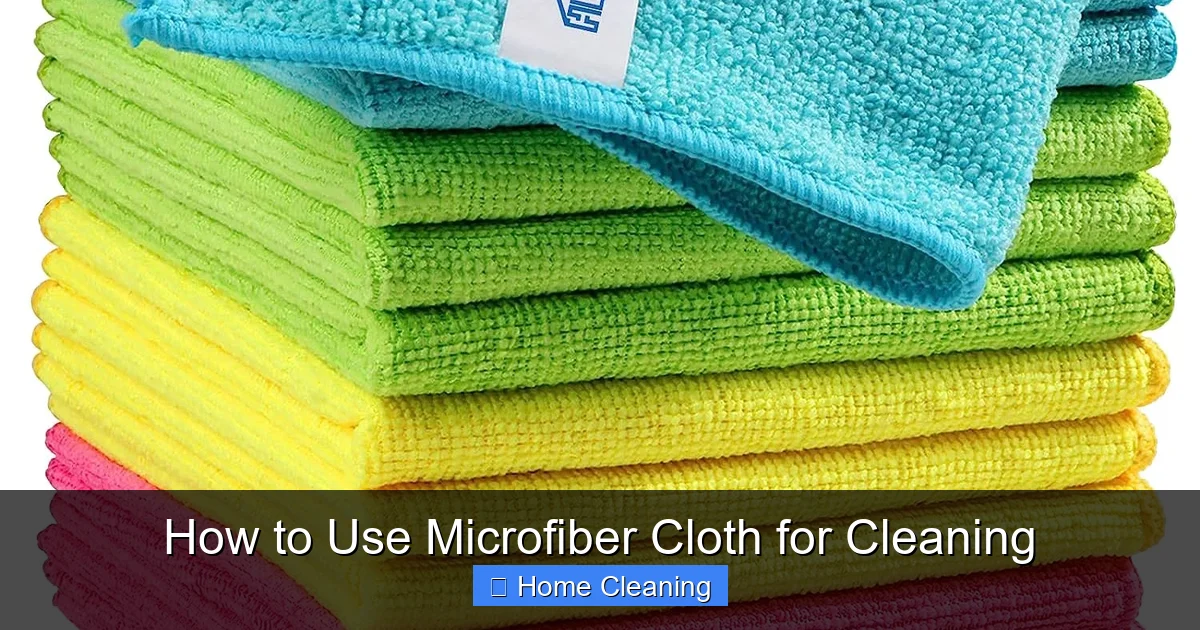
Color and Purpose Coding
To avoid cross-contamination, many people use different colored microfiber cloths for different areas:
- White or light gray: General cleaning (not recommended for bathrooms due to bacteria).
- Blue: Kitchen surfaces and appliances.
- Green: Bathroom tiles, showerheads, and toilets.
- Yellow: Dusting furniture and light cleaning.
- Red: Heavy-duty scrubbing or stain removal.
This simple system helps ensure that germs aren’t spread from the bathroom to the kitchen, and it makes cleaning more efficient.
Size Matters
Microfiber cloths come in various sizes. For most home cleaning tasks, a 12×12 inch cloth offers a good balance of coverage and control. Smaller cloths (6×6 inches) are great for electronics, mirrors, and tight spaces, while larger ones (16×24 inches) work well for mopping or covering big surfaces.
When shopping, look for high-quality microfiber with a density of at least 220 GSM (grams per square meter). Cheaper options may feel thin and lose their effectiveness after a few washes.
Step-by-Step: How to Use Microfiber Cloth for Cleaning
Now that you know what microfiber is and how to choose it, let’s get into the actual cleaning process. The key to success lies in technique—especially how wet or dry your cloth should be.
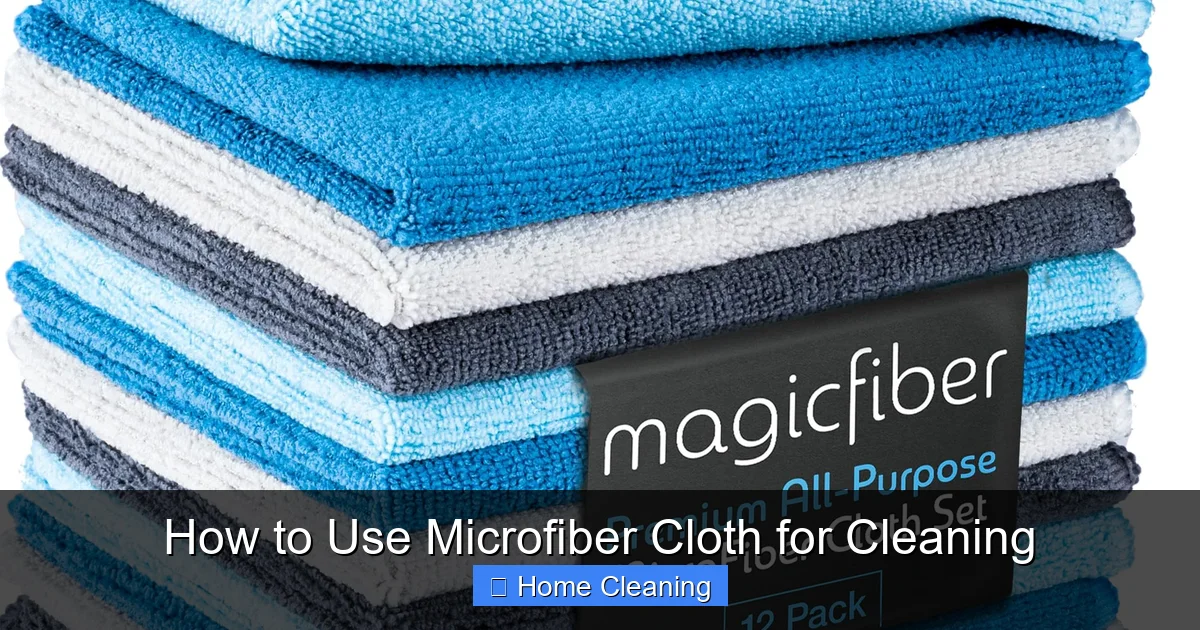
Visual guide about How to Use Microfiber Cloth for Cleaning
Image source: m.media-amazon.com
1. Start with a Damp Cloth
The golden rule of microfiber cleaning is: damp, not wet. A lightly dampened cloth holds more cleaning power than a dry one, but too much water reduces the electrostatic charge that attracts dirt.
Here’s how to get the right moisture level:
- Run the cloth under cool water and gently wring it out until it’s just slightly damp—like a squeezed sponge.
- For stubborn grease, add 1–2 drops of dish soap or white vinegar to the water.
- Avoid using hot water, as it can damage the fibers over time.
2. Wipe in Straight Lines or Circular Motions
For glass and mirrors, use straight, overlapping strokes from top to bottom. This prevents streaks and ensures you don’t miss spots.
For countertops and floors, circular motions work better—they help lift embedded dirt and spread the cleaning solution evenly.
3. Change the Cloth Side When Needed
Most microfiber cloths have two sides: a smooth side for dusting and a textured side for scrubbing. Flip or rotate the cloth when one side gets too dirty to maintain cleaning efficiency.
4. Use a Second Cloth for Buffing (Optional)
For extra shine on glass or stainless steel, use a second dry microfiber cloth to buff the surface after cleaning. This removes any remaining moisture and leaves a streak-free finish.
5. Don’t Forget Hard-to-Reach Areas
Use a folded corner or a smaller cloth to clean corners, edges, and around faucets. A microfiber scrubber or brush attachment can also help with grout and textured surfaces.
Cleaning Different Surfaces with Microfiber
Microfiber works on almost any surface, but the technique varies depending on what you’re cleaning. Here’s how to use microfiber cloth for cleaning common household items.
Glass and Mirrors
To clean windows and mirrors without streaks:
- Dampen a split-weave microfiber cloth with water or a 50/50 vinegar-water solution.
- Wipe in straight, overlapping strokes from top to bottom.
- Use a dry, clean microfiber cloth to buff and shine.
- Clean on a cloudy day to prevent streaks from drying too quickly.
Stainless Steel Appliances
Stainless steel can easily get scratched or marked by rough cloths. Microfiber is gentle and effective:
- Dampen a cloth with water or a drop of dish soap.
- Wipe in the direction of the grain.
- Dry immediately with a clean cloth to prevent water spots.
Kitchen Counters and Stovetops
Grease and food residue can build up quickly:
- Use a slightly soapy microfiber cloth to wipe down surfaces.
- For burnt-on messes, let a damp cloth sit for 1–2 minutes before wiping.
- Sanitize by spraying a vinegar solution and wiping—no rinsing needed.
Bathroom Surfaces
Soap scum and mineral deposits are no match for microfiber:
- Dampen a cloth with warm water and a few drops of vinegar or lemon juice.
- Scrub tiles, shower doors, and faucets.
- Rinse with clean water and dry to prevent streaks.
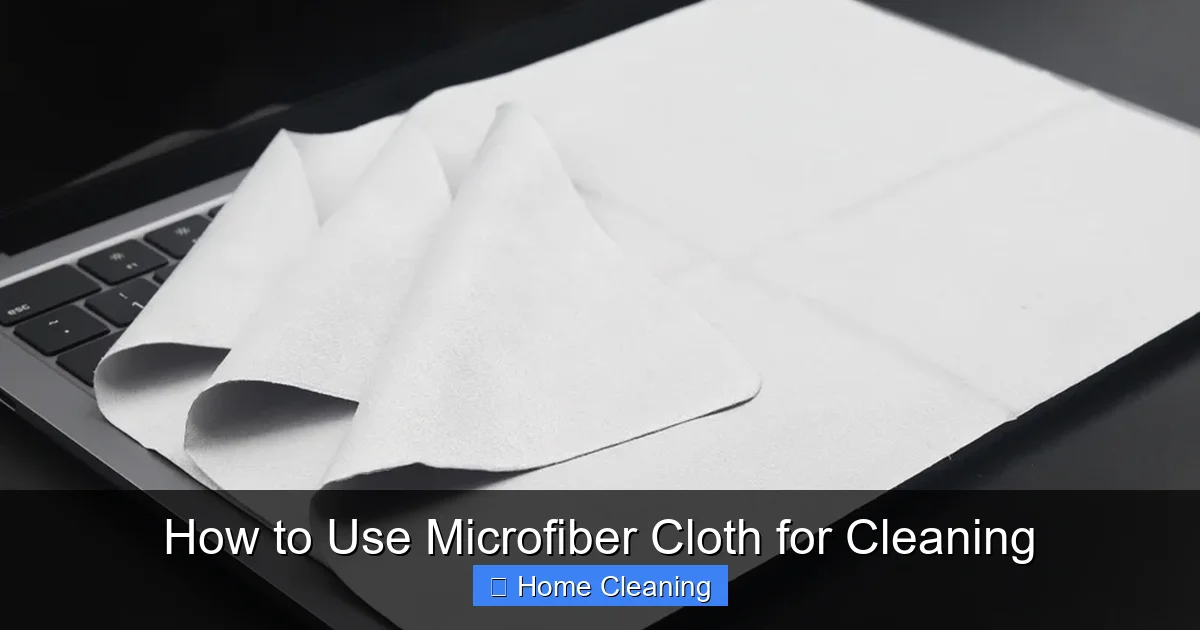
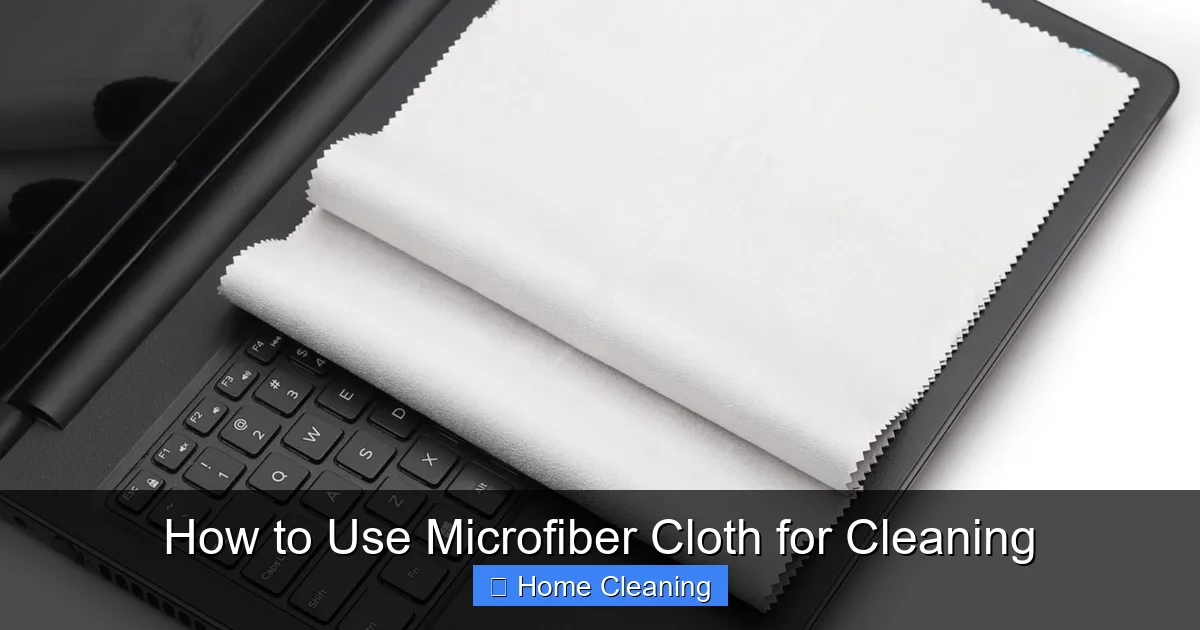
Electronics (Screens, Keyboards, Phones)
Delicate screens and devices require extra care:
- Turn off the device and power it down.
- Use a dry microfiber cloth to remove dust.
- For fingerprints, lightly dampen the cloth with water—never spray directly on the screen.
- Avoid alcohol or ammonia-based cleaners, as they can damage coatings.
Pro Tips for Maximum Effectiveness
Even the best microfiber cloths won’t perform well if you don’t use them properly. Here are some expert tips to get the most out of your cleaning routine.
Don’t Over-Wring
When you wring out a microfiber cloth, you’re removing water—but you’re also reducing its cleaning power. Most experts recommend wringing until the cloth is just damp. If you squeeze too hard, you’ll lose the electrostatic charge that attracts dirt.
Use Separate Cloths for Different Tasks
Using the same cloth for the bathroom and kitchen can spread bacteria. Invest in a few different colors or label them clearly to keep cleaning zones separate.
Avoid Fabric Softeners and Bleach
Fabric softeners coat microfiber fibers, reducing their ability to attract dirt. Bleach can degrade the synthetic material. Always wash microfiber with mild detergent only.
Wash After Every 5–10 Uses
Microfiber can trap dirt and bacteria over time. Washing it regularly maintains its effectiveness. Most microfiber cloths can be machine-washed up to 100 times with proper care.
Air Dry or Tumble Dry on Low
Heat can damage microfiber, so avoid high-heat drying. Air drying is best, but if you use a dryer, choose low heat and remove the cloth while it’s still slightly damp.
Store in a Dry, Clean Place
Moisture encourages mold and mildew. Always store clean, dry microfiber cloths in a drawer or caddy. Avoid leaving them in damp areas like bathrooms.
Common Mistakes to Avoid
Even experienced cleaners make these errors. Avoid them to keep your microfiber working like new.
- Using paper towels first: Paper towels leave lint and can dull surfaces. Microfiber should be your first choice.
- Wiping dry before cleaning: Drying first removes the dirt—always clean first, then buff.
- Reusing without washing: After 5–10 uses, microfiber loses absorbency. Wash it regularly.
- Using on dirty surfaces with dry cloth: This just pushes dirt around instead of removing it.
Eco-Friendly and Cost-Effective Benefits
Switching to microfiber isn’t just better for your home—it’s better for the planet. Here’s why:
- Reusable: A single microfiber cloth can replace hundreds of paper towels.
- Less waste: No need for disposable cleaning products.
- Long-lasting: With proper care, microfiber cloths last over a year.
- Chemical-free cleaning: Many people use just water or vinegar, reducing indoor chemical exposure.
Over time, investing in quality microfiber pays off—both financially and environmentally.
Conclusion: Master the Art of Microfiber Cleaning
Learning how to use microfiber cloth for cleaning is one of the simplest and most effective ways to improve your home’s cleanliness. These versatile tools are powerful, gentle, and eco-friendly—perfect for glass, electronics, kitchen surfaces, and more.
By following the right techniques—damp not wet, proper wringing, regular washing, and using separate cloths for different areas—you’ll get streak-free, spotless results every time. Plus, you’ll reduce your reliance on harsh chemicals and disposable products.
So next time you’re cleaning, reach for that microfiber cloth instead of a paper towel. With a little practice, you’ll wonder how you ever lived without it.
Frequently Asked Questions
Can I use microfiber cloth on oily surfaces?
Yes, microfiber is excellent for oily surfaces like stovetops and countertops. Its electrostatic charge attracts grease, and a slightly damp cloth with dish soap can remove buildup effectively without harsh chemicals.
How often should I wash my microfiber cloth?
Wash microfiber cloths after every 5–10 uses, or when they start to feel stiff or lose absorbency. Regular washing maintains their cleaning power and prevents bacterial buildup.
Can I use vinegar with microfiber?
Yes, a 50/50 mix of water and white vinegar works well for disinfecting and cutting grease. Just avoid using vinegar on natural stone surfaces like granite or marble, as it can cause damage.
Do microfiber cloths scratch surfaces?
No, high-quality microfiber is non-abrasive and safe for most surfaces, including glass, stainless steel, and electronics. Always wipe in the direction of the grain on metal surfaces to avoid marks.
How do I remove stubborn stains with microfiber?
For tough stains, dampen the cloth with warm water and let it sit on the stain for 1–2 minutes. Then gently scrub with circular motions. For burnt-on food, a cloth with a few drops of dish soap can help lift residue.
Can I use microfiber on car paint?
Yes, microfiber is ideal for car care. Use a clean, slightly damp cloth to wipe dust and water spots. For waxing or polishing, use a dedicated car microfiber cloth to avoid cross-contamination with household dirt.