How to Use Microfiber Cloth for Dusting
Microfiber cloths are a game-changer for dusting—they trap more dirt than regular cloths and leave surfaces streak-free. With the right technique and care, you can clean efficiently, reduce waste, and keep your home sparkling. This guide walks you through everything from choosing the right cloth to advanced dusting tricks.
Key Takeaways
- Microfiber traps dust effectively: Its tiny fibers create static electricity that pulls in particles, making it far superior to cotton or paper towels.
- Use dry or slightly damp: For general dusting, a dry microfiber cloth works best. Add water only when tackling sticky or greasy residue.
- Never use fabric softener: It coats the fibers, reducing their cleaning power. Skip the softener and wash regularly in warm water.
- Replace when worn: Over time, microfiber loses its effectiveness. Replace cloths every 3–6 months or when they look worn.
- Use separate cloths for different areas: Dedicate one cloth per room to avoid spreading dust and allergens.
- Store properly: Keep cloths in a clean, dry place to prevent mold and maintain performance.
- Eco-friendly and cost-effective: One microfiber cloth can replace dozens of paper towels, saving money and reducing waste.
📑 Table of Contents
- How to Use Microfiber Cloth for Dusting: The Ultimate Guide
- Why Microfiber Cloth Beats Traditional Dusting Tools
- Choosing the Right Microfiber Cloth for Dusting
- Step-by-Step Guide: How to Use Microfiber Cloth for Dusting
- Advanced Microfiber Dusting Techniques
- Common Mistakes to Avoid When Using Microfiber Cloth
- Maintaining and Washing Your Microfiber Cloth
- Eco-Friendly and Cost-Effective Benefits
- Conclusion: Make Microfiber Your Dusting Hero
How to Use Microfiber Cloth for Dusting: The Ultimate Guide
Let’s face it—dusting is one of those household chores that never truly ends. Whether it’s the top of your bookshelf, the base of your TV, or the crown molding in the living room, dust finds every nook and cranny. For years, people have used dusters, feather dusters, or even old t-shirts to clean surfaces. But what if we told you there’s a better way? Enter the microfiber cloth—a simple, affordable, and surprisingly powerful tool that’s revolutionized home cleaning.
Microfiber isn’t just a buzzword in cleaning circles—it’s backed by science. The material is made from finely woven synthetic fibers (usually polyester and polyamide), which are split into even smaller filaments. These tiny fibers create a large surface area that can trap dust, hair, and allergens far more effectively than traditional cloths. And because they generate static electricity, they hold onto particles instead of just moving them around.
In this comprehensive guide, we’ll walk you through everything you need to know about using a microfiber cloth for dusting—from choosing the right one to mastering advanced techniques. Whether you’re a cleaning newbie or a seasoned pro, you’ll find practical tips to make your dusting routine faster, cleaner, and more effective. Let’s get started!
Why Microfiber Cloth Beats Traditional Dusting Tools
Before diving into how to use microfiber cloth for dusting, it’s important to understand why it’s such a superior choice. Let’s compare it to some common alternatives:
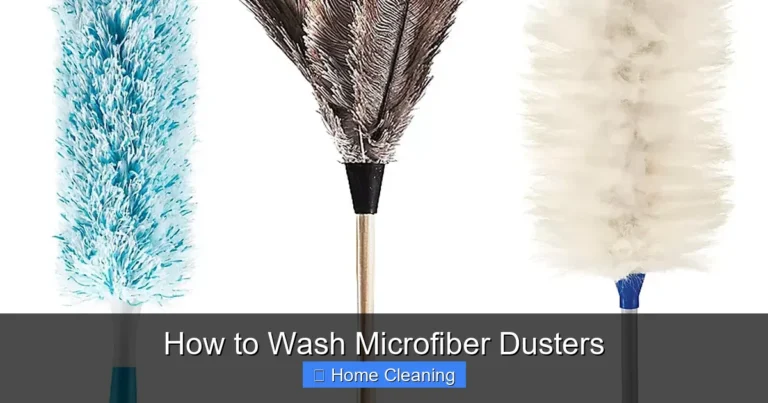
Visual guide about How to Use Microfiber Cloth for Dusting
Image source: cdn.shopify.com
Microfiber vs. Feather Duster
Feather dusters may look fluffy and elegant, but they’re actually terrible at trapping dust. Instead, they just push it around or redistribute it into the air. A microfiber cloth, on the other hand, captures 99% of airborne particles and keeps them on the cloth—no more floating dust clouds!
Microfiber vs. Cotton Towels
Cotton towels absorb moisture but don’t trap fine dust well. They also tend to leave lint behind. Microfiber, in contrast, is non-absorbent—it doesn’t soak up water, so it dries quickly and doesn’t breed bacteria. Plus, it doesn’t shed fibers like cotton does.
Microfiber vs. Paper Towels
Paper towels are convenient but wasteful. You’ll need several per room, and they’re not great at capturing dust. Microfiber cloths can be reused hundreds of times, making them a cost-effective and eco-friendly option in the long run.
So, if you’ve been using the wrong tools, switching to microfiber is like upgrading from a bicycle to a Tesla—same job, but with way better results.
Choosing the Right Microfiber Cloth for Dusting
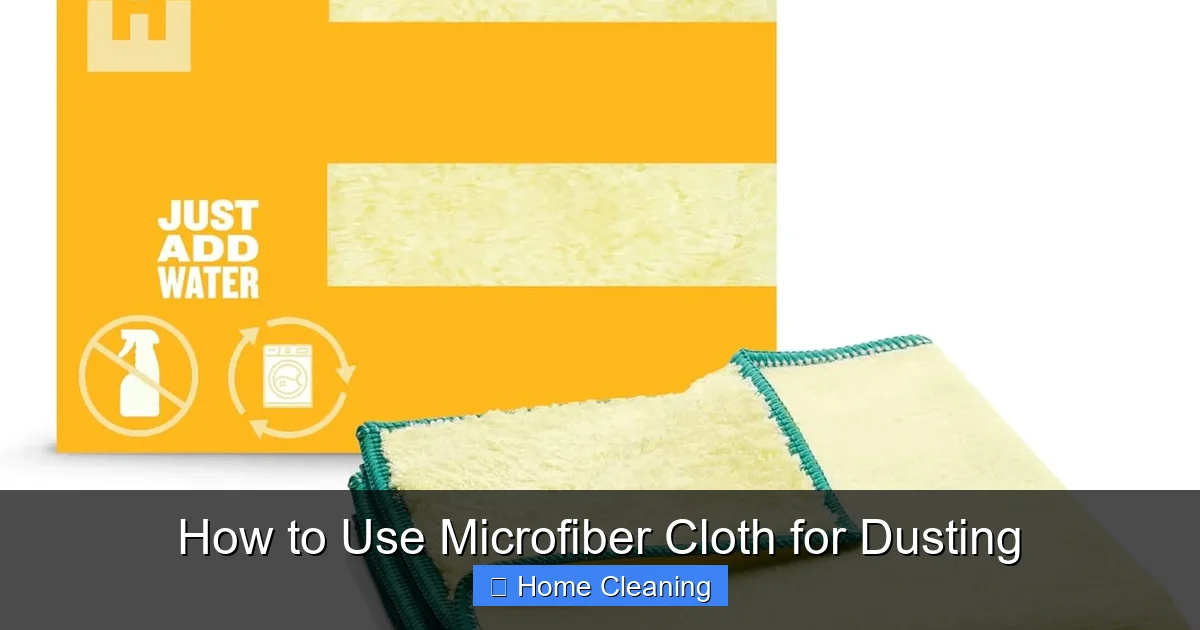
Not all microfiber cloths are created equal. The quality, weight, and weave matter when it comes to performance. Here’s how to pick the best one for dusting:
Visual guide about How to Use Microfiber Cloth for Dusting
Image source: m.media-amazon.com
Look for a Weight of 200 GSM or Higher
GSM stands for grams per square meter. A cloth with 200 GSM or more is heavier and denser, meaning it has more fibers and better dust-trapping ability. Lightweight cloths (under 150 GSM) are fine for light cleaning but not ideal for deep dusting.
Choose a Smooth, Non-Abrasive Fabric
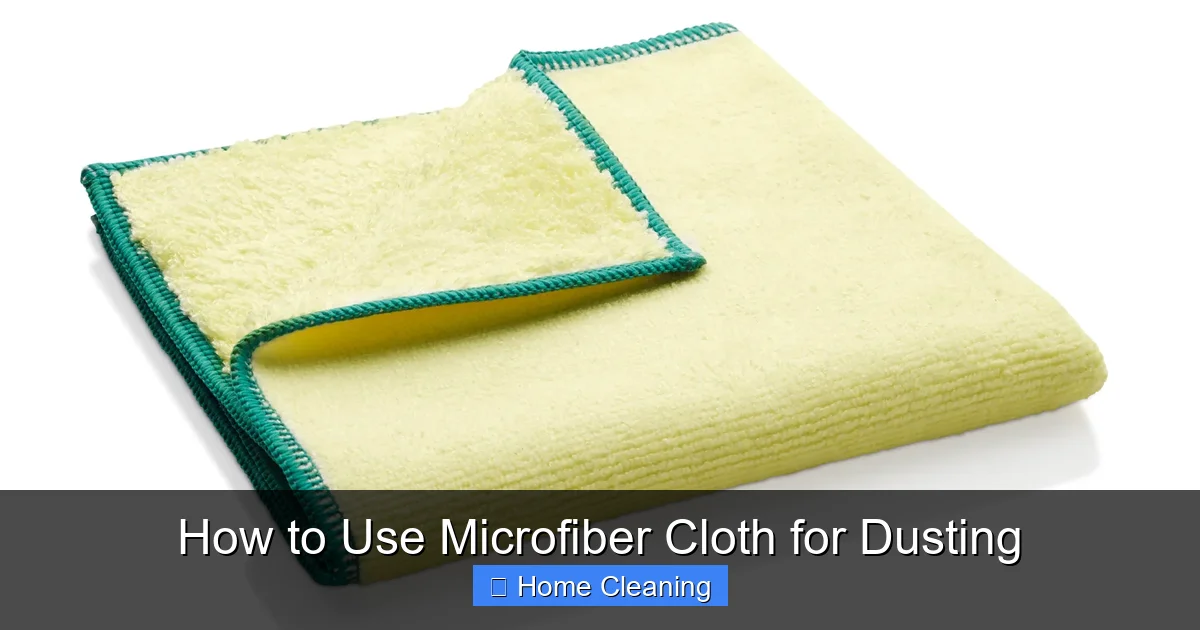
You don’t want a cloth that scratches delicate surfaces like glass, wood, or electronics. Opt for a microfiber with a smooth, lint-free surface. These are usually labeled as “dusting” or “all-purpose” microfiber.
Size Matters: Medium to Large Is Best
A 16×16 inch cloth is versatile—big enough to cover surfaces quickly but small enough to maneuver around furniture. Avoid tiny squares unless you’re cleaning hard-to-reach spots.
Check the Color
Light-colored microfiber makes it easier to see dust and dirt. Dark colors hide particles, so you might miss spots and end up re-cleaning areas.
Consider a Looped or Flat Design
Looped microfiber (like a mop pad) is great for heavy-duty cleaning. Flat cloths are better for precision dusting—think electronics, picture frames, or blinds.
When you invest in a high-quality microfiber cloth, you’re not just buying a cleaning tool—you’re buying a cleaner, healthier home.
Step-by-Step Guide: How to Use Microfiber Cloth for Dusting
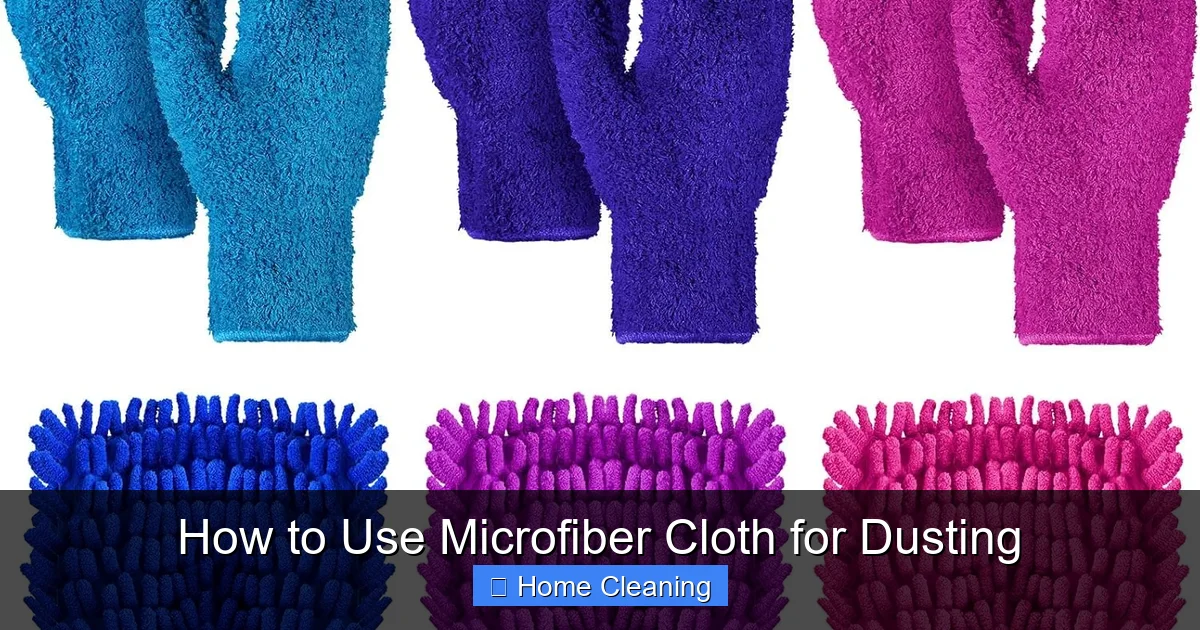
Now that you’ve got the right cloth, let’s talk technique. Here’s a foolproof method for dusting with microfiber:
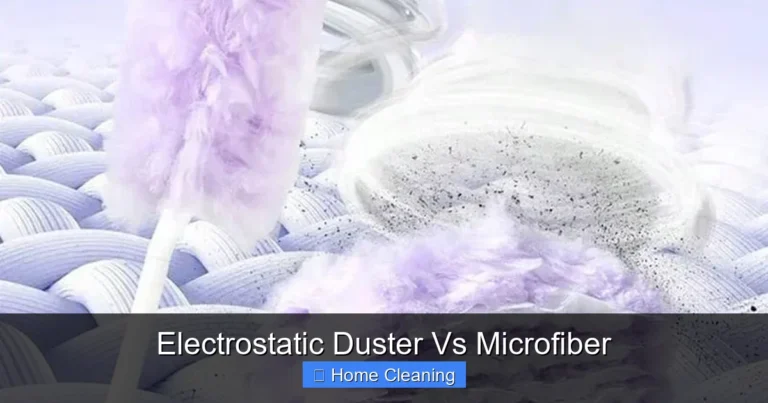
Visual guide about How to Use Microfiber Cloth for Dusting
Image source: m.media-amazon.com
Step 1: Shake Off Loose Dust First
Before using your microfiber cloth, lightly tap or shake furniture and surfaces to remove loose dust. This prevents you from smearing it into the cloth and spreading it around.
Step 2: Start with Dry Cloth for General Dusting
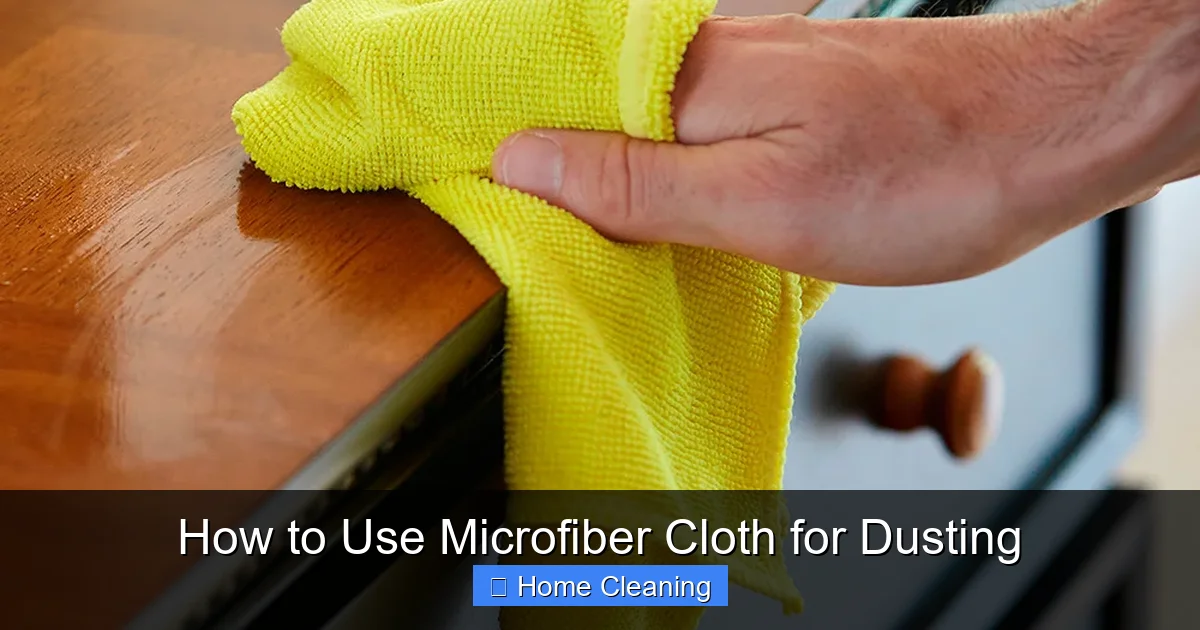
For routine dusting (furniture, shelves, TV screens), use a dry microfiber cloth. Gently wipe in straight lines or circular motions. The static charge will attract and trap dust.
Step 3: Fold the Cloth as You Go
As one side gets dirty, fold it inward to expose a clean section. This keeps your cloth effective and prevents re-depositing dust.
Step 4: Use a Damp Cloth for Greasy or Sticky Surfaces
If you’re cleaning kitchen countertops or sticky electronics, dampen the cloth with water (no soap needed). Wring it out well—it should be slightly damp, not dripping.
Step 5: Rinse or Replace When Necessary
After dusting multiple rooms, rinse the cloth in water and wring it out. If it’s heavily soiled, it’s time to wash it.
Step 6: Store Properly Between Uses
Hang the cloth or fold it neatly in a drawer. Avoid leaving it in a damp bathroom—moisture can cause mildew.
Pro Tip: Use separate cloths for different areas—one for the living room, one for the kitchen, and one for electronics. This prevents cross-contamination.
Advanced Microfiber Dusting Techniques
Once you’ve mastered the basics, you can take your dusting to the next level with these expert techniques:
Dusting with a Two-Part Cloth System
Use one cloth for dry dusting and another for damp cleaning. This keeps surfaces streak-free and ensures you’re not transferring moisture from one area to another.
Using a Spray Bottle with Water
For large surfaces like bookshelves or blinds, lightly mist the microfiber cloth with water instead of soaking it. This gives you better control over moisture.
Dusting Electronics Safely
Always unplug devices before cleaning. Use a static-free microfiber cloth and avoid spraying liquids directly on screens. A dry cloth is usually enough.
Cleaning Vertical Surfaces
For walls or tall furniture, use a long-handled duster with a microfiber attachment. Or, use a cloth tied to a string and gently wipe downward to avoid lifting dust.
Extending the Life of Your Cloth
Wash microfiber every 2–3 weeks in warm water (no fabric softener). Tumble dry on low or air dry. Avoid bleach or harsh detergents—they break down the fibers.
These techniques not only improve cleanliness but also save time and effort. You’ll spend less time cleaning and more time enjoying your spotless home.
Common Mistakes to Avoid When Using Microfiber Cloth
Even with the best tools, mistakes can reduce effectiveness. Here are the most common errors and how to fix them:
Using Fabric Softener
Fabric softener coats microfiber in a waxy residue that kills its static charge. Never use it—your cloth will lose its dust-trapping power.
Washing with Bleach or Harsh Detergents
These chemicals degrade the fibers. Stick to mild, dye-free detergent and avoid high-heat drying.
Using It on Wet Surfaces
Microfiber is great for dry dusting and light damp cleaning, but it’s not a sponge. Don’t use it on wet floors or soaking wet surfaces.
Reusing It Too Long
Over time, microfiber loses its ability to trap dust. If it starts to feel rough or lint-free, it’s time to replace it.
Using It for Scrubbing
Microfiber is gentle, not abrasive. Avoid using it on tough stains or scrubbing tile grout. Save it for dusting and light cleaning.
By avoiding these mistakes, you’ll keep your microfiber cloth performing at its best for months—or even years.
Maintaining and Washing Your Microfiber Cloth
Proper care is essential to keep your microfiber cloth effective. Here’s how to wash and maintain it:
Washing Instructions
- Wash in warm water (not hot)
- Use a mild, dye-free detergent
- Wash with similar colors—darker colors can bleed
- Never use fabric softener or dryer sheets
- Skip the fabric conditioner
Drying Tips
- Tumble dry on low heat or air dry
- High heat can melt or damage the fibers
- Don’t over-dry—it can cause pilling
When to Replace
Replace your microfiber cloth when:
- It no longer traps dust well
- It becomes stiff or rough
- It starts shedding fibers
- It has been used for over 6 months
Even with perfect care, microfiber has a lifespan. But when you follow these steps, you’ll get maximum value from each cloth.
Eco-Friendly and Cost-Effective Benefits
Switching to microfiber isn’t just better for your home—it’s better for the planet and your wallet.
Reduces Paper Waste
One microfiber cloth can replace hundreds of paper towels. That’s thousands of trees saved and less trash in landfills.
Saves Money Over Time
While microfiber cloths cost a bit more upfront, they last for years. You’ll spend less on paper products and cleaning supplies.
Less Chemical Use
Microfiber works well with just water. You won’t need sprays or wipes, reducing your exposure to harsh chemicals.
Reusable and Washable
Unlike disposable wipes, microfiber can be washed and reused. Just toss it in the laundry every few weeks.
It’s a small change that makes a big difference—both for your home and the environment.
Conclusion: Make Microfiber Your Dusting Hero
Dusting doesn’t have to be a chore. With the right microfiber cloth and a few simple techniques, you can keep your home clean, healthy, and clutter-free. From choosing the right cloth to mastering advanced methods, this guide has covered everything you need to know about how to use microfiber cloth for dusting.
Remember: microfiber isn’t just a tool—it’s a smarter way to clean. It traps more dust, works on more surfaces, and lasts longer than traditional options. Plus, it’s gentle on your home and kind to the planet.
So next time you reach for a feather duster or paper towel, think twice. Grab a microfiber cloth instead. Your lungs, your surfaces, and your cleaning routine will thank you.
Ready to upgrade your cleaning game? Start with one high-quality microfiber cloth and watch the difference it makes. Before long, you’ll wonder how you ever lived without it.
Frequently Asked Questions
Can I use microfiber cloth on electronics?
Yes, microfiber is safe for electronics like TVs, computers, and phones when used dry. Always unplug devices first and avoid spraying liquids directly on screens.
How often should I wash my microfiber cloth?
Wash it every 2–3 weeks or when it starts to feel dirty. Regular washing keeps it effective and hygienic.
Can I use soap when cleaning with microfiber?
Only a small amount of mild, dye-free soap is needed for greasy or sticky surfaces. Avoid harsh cleaners—they can damage the fibers.
Why isn’t my microfiber cloth trapping dust?
It might be too worn out, coated with residue (like fabric softener), or not heavy enough (under 200 GSM). Replace it if it’s past its prime.
Can I use the same microfiber cloth for all rooms?
It’s better to use separate cloths for different areas to avoid spreading dust and allergens. Dedicate one for the kitchen, one for the living room, etc.
How long does a microfiber cloth last?
With proper care, a quality microfiber cloth can last 6–12 months. Replace it when it loses effectiveness or starts to fray.