How to Use Toilet Brush
Using a toilet brush correctly ensures your bathroom stays clean, hygienic, and fresh. From proper grip to effective scrubbing, this guide covers every step to maintain your toilet with confidence. Learn how to use a toilet brush safely and efficiently for long-lasting results.
Key Takeaways
- Correct Technique: Hold the brush firmly with the bristles facing downward and use short, scrubbing motions to clean the bowl thoroughly.
- Focus on Key Areas: Pay special attention to under the rim, the inside of the bowl, and around the drain for maximum cleanliness.
- Use the Right Cleaner: Apply toilet cleaner before brushing to break down stains and bacteria, enhancing the brush’s effectiveness.
- Proper Rinsing: Rinse the brush under running water immediately after use and shake off excess water to prevent bacteria buildup.
- Storage Matters: Store the brush in a dry, ventilated holder away from the toilet seat to avoid contamination and unpleasant odors.
- Regular Replacement: Replace your toilet brush every 3–6 months or when bristles become worn to maintain hygiene and performance.
- Safety First: Always wash your hands after handling the brush, and avoid touching the bristles to minimize germ exposure.
📑 Table of Contents
How to Use Toilet Brush: A Complete Guide for Spotless Bathrooms
Let’s face it—nobody enjoys thinking about how to use a toilet brush, but let’s be honest: keeping your toilet clean isn’t just about aesthetics. It’s about health, hygiene, and peace of mind. A well-maintained toilet prevents the spread of germs, eliminates odors, and ensures your bathroom stays fresh and inviting. But using a toilet brush isn’t as simple as just giving the bowl a quick scrub. There’s a method to the madness, and knowing how to use a toilet brush properly makes all the difference.
In this detailed guide, we’ll walk you through everything you need to know about how to use a toilet brush effectively. From choosing the right brush to mastering the scrubbing technique, we’ve got you covered. Whether you’re a first-time brush user or just looking to improve your routine, this article will help you turn a dreaded chore into a simple, efficient task. So grab your brush and let’s dive in—because nobody should have to guess how to use a toilet brush correctly!
Understanding Your Toilet Brush
Before we jump into the “how,” let’s talk about the “what.” A toilet brush is a small cleaning tool designed specifically for scrubbing the interior of a toilet bowl. It usually consists of a plastic handle and a brush head with stiff bristles. Some models come with a built-in cleaner dispenser, while others are standalone. The key is to choose a brush that feels comfortable in your hand and has durable bristles that won’t break down quickly.
Types of Toilet Brushes
There are several types of toilet brushes available, each with its own advantages:
- Traditional Brushes: The most common type, with a simple handle and bristled head. They’re affordable and effective for daily use.
- Wall-Mounted Brushes: These come with a holder that attaches to the wall or under the rim. They keep the brush out of sight and reduce clutter.
- Self-Cleaning Brushes: Some modern models feature bristles that retract into a sealed compartment, reducing contact with germs.
- Electric Toilet Brushes: For the tech-savvy, these brushes vibrate or spin to clean the bowl without manual effort.
No matter which type you choose, the goal is the same: effective cleaning with minimal hassle. Understanding your brush’s design will help you use it more efficiently and extend its lifespan.
Why Proper Technique Matters
Using a toilet brush the wrong way can actually make things worse. For example, brushing too hard can damage the porcelain, while not brushing enough leaves behind stubborn stains. The right technique ensures that every part of the bowl gets cleaned, reducing the need for frequent deep cleans and preventing bacteria buildup.
Think of your toilet brush like a paintbrush—you don’t just slap it on the canvas and call it done. You need to apply the right amount of pressure, focus on key areas, and use the right tools. The same goes for cleaning your toilet. Mastering the technique means you’ll spend less time cleaning and more time enjoying a spotless bathroom.
Step-by-Step Guide on How to Use Toilet Brush
Now that you understand the basics, let’s get into the nitty-gritty of how to use a toilet brush like a pro. Follow these steps for a thorough and hygienic clean every time.
Step 1: Prepare the Toilet
Before you start brushing, flush the toilet to wet the bowl. This helps the cleaner spread evenly and makes it easier to scrub away stains. Then, apply a toilet bowl cleaner—either liquid or gel—around the inside of the bowl, especially under the rim and along the water line. Let it sit for 3–5 minutes to break down grime and bacteria. This step is crucial because the brush alone can’t remove everything; the cleaner does the heavy lifting.
Step 2: Put on Gloves (Optional but Recommended)
While it’s not mandatory, wearing disposable gloves can protect your hands from germs and cleaning chemicals. If you choose not to wear gloves, make sure to wash your hands thoroughly afterward. This simple step adds an extra layer of safety, especially if you have young children or pets around.
Step 3: Position the Brush
Hold the toilet brush firmly with the bristles facing downward. This allows you to push the brush into the bowl with the bristles submerged in the water. Avoid holding the brush upside down—this can splash dirty water onto your hands and clothes.
Step 4: Scrub the Bowl
Use short, circular or up-and-down motions to scrub the inside of the bowl. Focus on these key areas:
- Under the Rim: This is where most bacteria and stains accumulate. Scrub thoroughly in a circular motion.
- The Water Line: The area where the water meets the porcelain is prone to yellowing. Use firm pressure to remove buildup.
- The Drain Area: The inside of the drain can trap debris. Gently brush around the opening to loosen any buildup.
Don’t forget to scrub the inside of the rim and the seat base. These areas are often overlooked but can harbor germs.
Step 5: Flush and Rinse the Brush
After scrubbing, flush the toilet to rinse away loosened debris. Then, rinse the brush under running water. Shake it vigorously to remove excess water and any remaining cleaner. This step is important to prevent bacteria from growing in the bristles.
Step 6: Dry and Store Properly
Place the brush in its holder and allow it to air dry. Never leave it standing upright in a cup or bowl—this traps moisture and promotes bacterial growth. If your brush comes with a lid, close it after use. Store the holder in a dry, well-ventilated area away from the toilet seat to avoid cross-contamination.
Tips for Effective Toilet Cleaning
Even with the right technique, there are ways to make your toilet cleaning routine even more effective. Here are some expert tips to help you get the best results.
Use the Right Cleaner
Not all toilet cleaners are created equal. Choose a product that’s specifically designed for toilet bowls and contains ingredients like bleach, hydrogen peroxide, or citric acid. These ingredients break down stains and kill bacteria. Avoid using abrasive powders unless they’re labeled safe for porcelain.
Brush Regularly
Daily brushing is ideal, but at the very least, do it every other day. This prevents buildup and makes deep cleaning easier. If you notice yellow stains or a cloudy water line, increase the frequency.
Deep Clean Monthly
Once a month, give your toilet a deep clean. This involves scrubbing every surface, including the seat, lid, and base. You can also use a pumice stone or a specialized toilet cleaning gel for tough stains.
Replace the Brush Head
Over time, bristles wear out and lose their effectiveness. Replace the brush head every 3–6 months, or sooner if you notice fraying. Some brushes have replaceable heads, which are more eco-friendly and cost-effective.
Clean the Brush Holder
The holder itself can become a breeding ground for mold and bacteria. Clean it weekly with soap and water, and let it dry completely before storing the brush back in it.
Avoid Cross-Contamination
Never use the same brush for other cleaning tasks. Toilet brushes are meant for toilets only. Also, avoid placing the brush on the floor or countertop—this exposes it to dirt and germs.
Common Mistakes to Avoid
Even experienced cleaners make mistakes. Here are some common errors and how to fix them.
Mistake 1: Brushing Too Hard
Applying too much pressure can scratch the porcelain or damage the brush. Use firm but gentle pressure. Let the cleaner and bristles do the work.
Mistake 2: Not Cleaning Under the Rim
This is one of the most missed areas. Use a brush with a curved head or tilt the brush to reach under the rim effectively.
Mistake 3: Storing the Brush Upright
Leaving the brush standing in a cup traps water and promotes bacterial growth. Always store it in a dry, ventilated holder.
Mistake 4: Skipping the Cleaner
Brushing without cleaner is like mopping without detergent. The cleaner breaks down grime; the brush just spreads it around.
Mistake 5: Using the Brush for Other Tasks
Toilet brushes are for toilets only. Using them for sinks or showers can spread germs.
Maintaining Your Toilet Brush
Proper maintenance ensures your brush stays effective and hygienic. Here’s how to care for it.
Clean the Brush Weekly
Once a week, wash the brush with soap and warm water. Rinse thoroughly and let it air dry. This removes any residue and keeps it smelling fresh.
Sanitize Monthly
Soak the brush in a solution of one part bleach to nine parts water for 10 minutes once a month. Rinse well afterward. This kills lingering bacteria.
Check for Wear and Tear
Inspect the bristles regularly. If they’re frayed or flattened, it’s time to replace the brush or head. A worn brush is less effective and can scratch the bowl.
Replace the Holder
If the holder has mold or mildew, clean it with vinegar or a disinfectant. If it’s damaged, replace it to ensure proper ventilation.
Eco-Friendly Alternatives
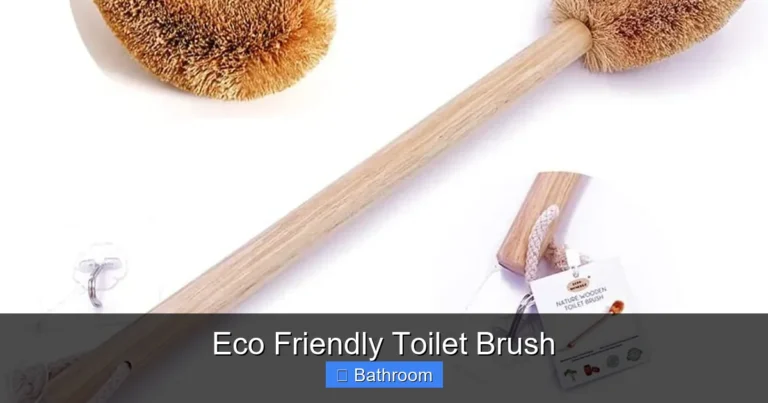
If you’re concerned about plastic waste, consider eco-friendly options. Some brushes are made from bamboo or recycled materials. Others come with replaceable heads, reducing waste. You can also use a reusable cloth or sponge with a toilet cleaner for a more sustainable approach.
Additionally, switching to natural cleaners like vinegar, baking soda, or lemon juice can reduce chemical exposure and environmental impact. These are just as effective for most cleaning tasks and are gentler on the planet.
Conclusion
Knowing how to use a toilet brush properly is more than just a cleaning skill—it’s a habit that keeps your home healthy and hygienic. With the right technique, tools, and mindset, you can turn a quick chore into a satisfying part of your routine. Remember to apply cleaner, scrub thoroughly under the rim, rinse the brush, and store it properly. By following these steps, you’ll keep your toilet sparkling clean and your bathroom smelling fresh.
Don’t underestimate the power of a well-maintained toilet. It’s not just about appearance—it’s about creating a safe, clean environment for your family. So next time you reach for your brush, do it with confidence. You’ve got this!
Frequently Asked Questions
How often should I clean my toilet with a brush?
You should clean your toilet with a brush at least once a day, or every other day if you prefer. Daily use helps prevent buildup and keeps your toilet smelling fresh.
Can I use any cleaner with my toilet brush?
It’s best to use a cleaner specifically designed for toilet bowls. Avoid harsh abrasives unless they’re labeled safe for porcelain, as they can scratch the surface.
How do I clean the bristles of the brush?
After each use, rinse the brush under running water and shake off excess water. Once a week, wash it with soap and warm water, and let it air dry completely.
How long does a toilet brush last?
A toilet brush typically lasts 3 to 6 months, depending on usage and quality. Replace it when the bristles become frayed or flattened.
Should I wear gloves when using a toilet brush?
It’s not required, but wearing disposable gloves is recommended to protect your hands from germs and cleaning chemicals. Always wash your hands afterward.
Can I use the same brush for other cleaning tasks?
No. Toilet brushes should only be used for cleaning the toilet bowl. Using them for other surfaces can spread bacteria and compromise hygiene.