How to Wash Microfiber Dusters
Microfiber dusters are essential for spotless cleaning, but washing them the wrong way can ruin their performance. By following the right steps—like using cold water, avoiding fabric softener, and air-drying—you can keep them fluffy and effective for years. This guide walks you through every detail, from sorting to storage, so your dusters stay in top shape.
Key Takeaways
- Use cold water and mild detergent: Hot water can damage microfiber fibers, and harsh detergents strip their electrostatic charge, reducing dust pickup.
- Skip fabric softener and dryer sheets: These leave a residue that clogs microfiber pores, making them less effective over time.
- Air-dry or tumble dry on low heat: High heat can melt the synthetic fibers. Air-drying preserves their shape and function.
- Wash separately from lint-producing fabrics: Towels, jeans, and other shedding items can transfer lint to your dusters, reducing their efficiency.
- Store clean and dry: Always let microfiber dusters dry completely before storing to prevent mold and mildew.
- Replace when worn or pilling: Even with proper care, microfiber loses effectiveness after 100–150 washes. Look for thinning fibers or reduced dust collection.
📑 Table of Contents
- How to Wash Microfiber Dusters: A Complete Guide to Clean, Effective Cleaning
- Why Proper Care Matters for Microfiber Dusters
- Preparing Your Microfiber Dusters for Washing
- Choosing the Right Washing Method
- What NOT to Do When Washing Microfiber Dusters
- Maintaining Microfiber Dusters Between Washes
- Signs It’s Time to Replace Your Microfiber Dusters
- Bonus Tips for Maximizing Microfiber Duster Life
- Conclusion: Keep Your Microfiber Dusters Fluffy and Effective
How to Wash Microfiber Dusters: A Complete Guide to Clean, Effective Cleaning
Let’s face it—microfiber dusters are cleaning heroes. Whether you’re dusting shelves, wiping down electronics, or polishing glass, these little tools work wonders. But here’s the catch: if you’re not washing them right, they start to lose their magic. Over time, lint builds up, fibers break down, and your once-powerful duster becomes just another dusty cloth. That’s why knowing how to wash microfiber dusters the right way is essential. It’s not just about cleanliness—it’s about performance, longevity, and even saving money in the long run.
Microfiber is a synthetic fabric made from polyester and polyamide, engineered to trap dust, dirt, and allergens with incredible efficiency. Unlike regular cotton, it doesn’t just push dust around—it grabs it. But that same electrostatic charge that makes it so effective can be disrupted by improper washing. Hot water, harsh detergents, fabric softener, and high heat in the dryer can all degrade the fibers, turning a high-performance tool into a limp, lint-filled sponge. The good news? With a few simple steps, you can keep your microfiber dusters in peak condition for years. Let’s walk through everything you need to know—from prep to storage—so your dusters stay clean, fluffy, and ready to tackle any mess.
Why Proper Care Matters for Microfiber Dusters
You might think, “It’s just a duster—how hard can it be to clean?” But microfiber dusters are not like your old dish towel or bath rag. They’re precision tools. Every tiny fiber is designed to attract and hold particles. When those fibers get damaged or clogged, the whole system fails. Washing them incorrectly doesn’t just make them dirty—it makes them less effective. Studies have shown that microfiber loses up to 30% of its cleaning power after just one wash if exposed to hot water or fabric softener.
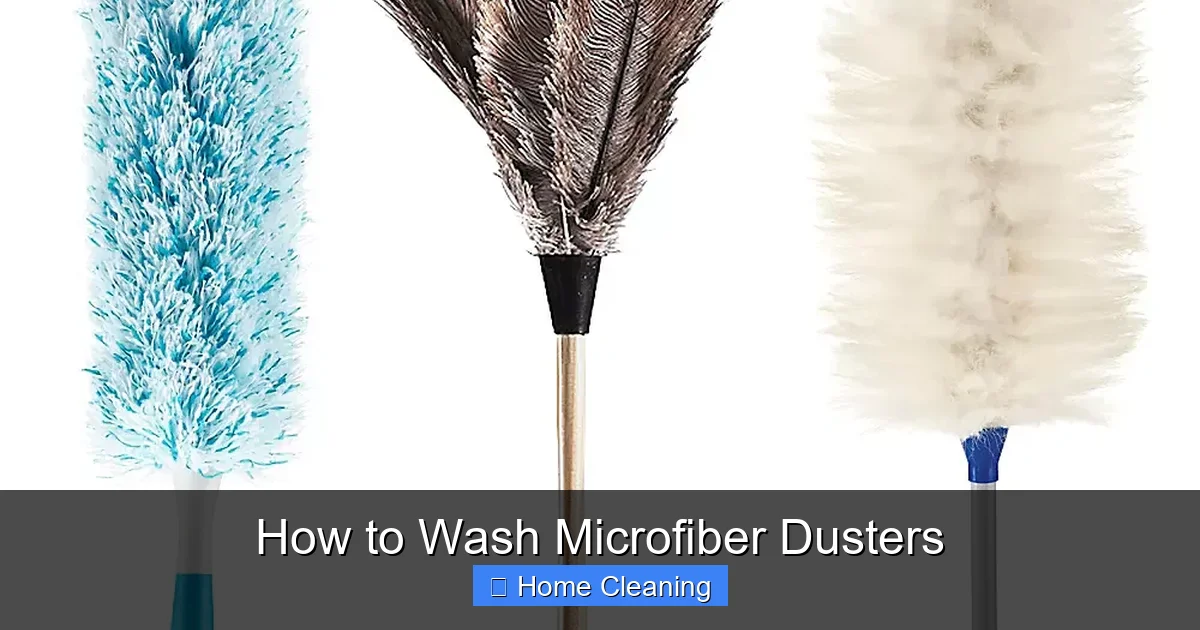
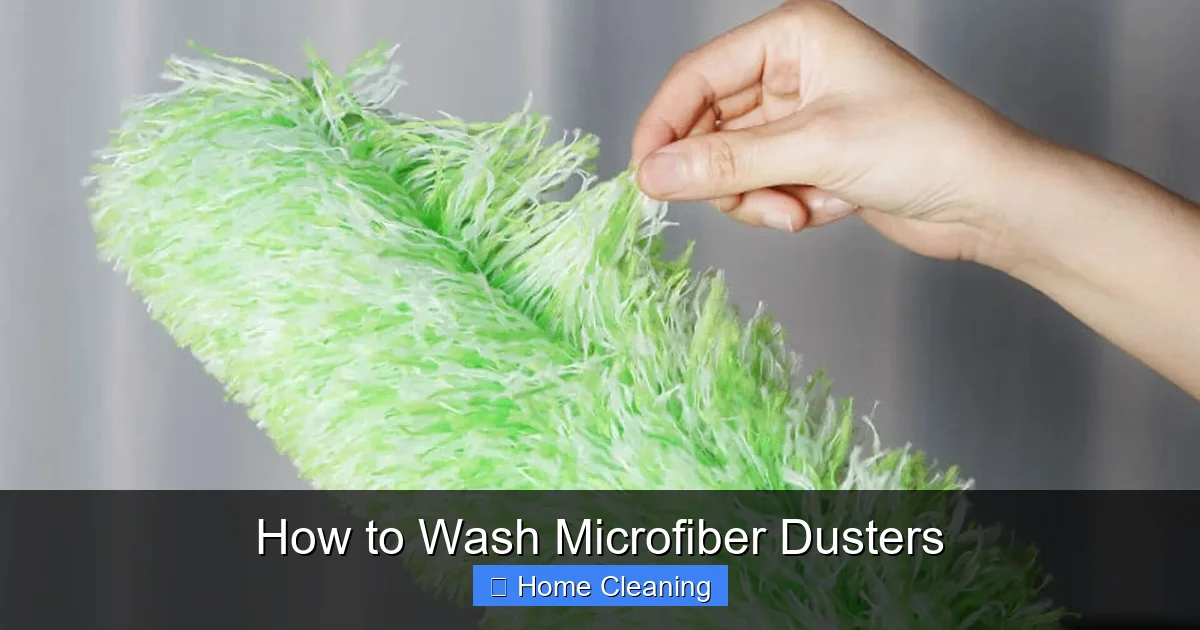
Visual guide about How to Wash Microfiber Dusters
Image source: m.media-amazon.com
Another reason to care about how to wash microfiber dusters is hygiene. Dust mites, pet dander, and allergens can accumulate on your cleaning tools. If you don’t wash them regularly, you’re basically spreading that gunk around your home—especially on high-touch surfaces like remotes, keyboards, and TV screens. A clean duster means a cleaner home, and that’s worth the extra effort.
The Science Behind Microfiber Performance
Microfiber’s cleaning power comes from two things: its ultra-fine fibers and its electrostatic charge. The fibers are so thin—often 1/100th the width of a human hair—that they create a large surface area to trap dust and moisture. The electrostatic charge helps attract particles like a magnet, even without soap. But this charge is fragile. Hot water breaks down the molecular structure of the fibers, and fabric softener coats them in a film that blocks both the fibers and the charge. That’s why using the right washing method is so important.
How Often Should You Wash Microfiber Dusters?
It depends on how often you use them. If you’re using your microfiber duster daily to clean your home office, you might need to wash it every 3–5 uses. For occasional use—like dusting a guest room—once a month may be enough. The key is to listen to your duster. If it’s starting to feel rough, linty, or isn’t picking up dust as well, it’s time for a wash. You can also check for visible dirt or pet hair buildup. When in doubt, wash it!
Preparing Your Microfiber Dusters for Washing
Before you toss your microfiber dusters into the laundry, there are a few prep steps to follow. These help protect the fabric and ensure a thorough clean. Think of it like getting your tools ready before a job—you wouldn’t start painting without prepping the surface, right?

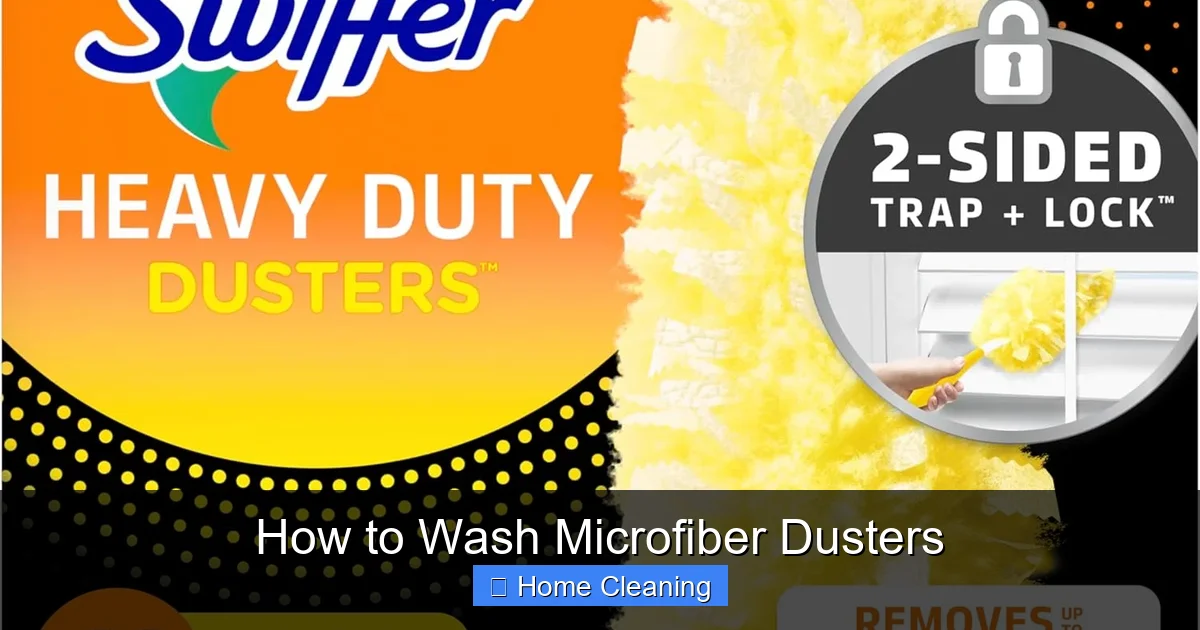
Visual guide about How to Wash Microfiber Dusters
Image source: c8.alamy.com
Sorting and Pre-Treating Stains
Start by sorting your microfiber dusters. Wash them separately from other fabrics, especially those that shed lint like cotton towels, jeans, or fleece. Lint from these fabrics can stick to your microfiber, reducing its ability to trap new dust. Also, check for any visible stains or stubborn debris. If you see dried-on dirt or pet hair, gently brush it off before washing. For light stains, you can pre-treat with a small amount of mild detergent or a vinegar solution—but avoid bleach or harsh chemicals, as they can damage the fibers.
Removing Loose Debris
Before washing, take a moment to shake out or lightly tap your dusters to remove loose dust. If they’re really loaded with hair or lint, consider using a lint roller or a rubber squeegee to pick up the bulk. This not only makes washing easier but also prevents lint from clogging your washing machine or dryer. It’s a small step that makes a big difference in the cleanliness of your duster.
Checking for Damage
While prepping, do a quick visual check for frayed edges, thinning areas, or signs of wear. If your duster is falling apart or no longer holds its shape, it might be time to replace it. Continuing to use a damaged duster can scratch surfaces or spread dirt around. Remember, even with proper care, microfiber dusters have a lifespan—usually around 100 to 150 washes, depending on usage and quality.
Choosing the Right Washing Method
Now comes the big decision: hand wash or machine wash? Both methods work, but they require different approaches. The goal is to clean your microfiber dusters without damaging the delicate fibers. Let’s break down each option.
Visual guide about How to Wash Microfiber Dusters
Image source: jesun.com
Hand Washing Microfiber Dusters
Hand washing is gentle and gives you full control over the process. It’s ideal for delicate dusters or those with special attachments. Here’s how to do it:
- Fill a clean basin or sink with cold water.
- Add a small amount of mild detergent—avoid detergents with enzymes or bleach.
- Submerge the duster and gently agitate it with your hands. Don’t scrub harshly—this can fray the fibers.
- Let it soak for 5–10 minutes to loosen dirt.
- Rinse thoroughly with cold water until all soap is gone. Residue left behind can reduce performance.
Hand washing is especially good for dusters with long handles or complex shapes that might not fit well in a washing machine.
Machine Washing Microfiber Dusters
Machine washing is faster and more convenient, especially if you have multiple dusters. But you need to be careful with the settings. Use a gentle cycle with cold water (never hot). Avoid the spin cycle on high—this can tangle the fibers and cause damage. If your washing machine has a mesh laundry bag, put the duster inside to protect it from snagging on other items.
For best results, wash microfiber dusters in a front-loading machine rather than a top-loading one with agitators. The tumbling action in front-loaders is gentler on fabrics. Also, consider using a washing machine cleaner monthly to remove buildup from detergent residue and fabric softener.
Dryer vs. Air Drying: What’s Best?
Here’s a common question: Should you put microfiber dusters in the dryer? The short answer? Only on low heat—and even then, air drying is safer. High heat can melt the synthetic fibers, causing them to stick together or lose their shape. If you do use the dryer, use the lowest heat setting and remove the duster immediately after the cycle ends to prevent overheating. But the safest method is air drying.
To air dry, lay the duster flat or hang it over a drying rack. Avoid hanging it on a clothesline in direct sunlight, as UV rays can degrade the fibers over time. Make sure it’s completely dry before storing—damp microfiber is a breeding ground for mildew.
What NOT to Do When Washing Microfiber Dusters
Even small mistakes can have big consequences when it comes to microfiber care. Let’s go over what to avoid so you don’t accidentally ruin your dusters.
Avoid Hot Water
Hot water is the enemy of microfiber. It breaks down the fibers and washes away their electrostatic charge. Always use cold water, whether hand washing or in the machine. If you’re used to washing everything in warm water, this is one habit that’s worth changing—your dusters will thank you.
Don’t Use Fabric Softener
Fabric softener sounds harmless, but it coats microfiber in a waxy residue. This residue blocks the tiny pores of the fibers, making them less absorbent and less effective at trapping dust. It’s like putting a film over a sponge—it can’t soak up anything. Skip the softener, and your dusters will last longer and work better.
Skip the Dryer Sheets
Dryer sheets are just as bad as fabric softener. They leave a similar residue and can also leave behind lint. If you’re using dryer sheets for other clothes, consider switching to wool dryer balls instead. They’re reusable, chemical-free, and don’t harm microfiber.
Avoid Harsh Detergents and Bleach
Stick to mild, fragrance-free detergents. Harsh chemicals can degrade the polyester and polyamide fibers. Bleach, in particular, is a no-go—it can yellow microfiber and weaken the fabric. If you have sensitive skin, look for hypoallergenic detergents that are still gentle on fibers.
Don’t Overload the Washing Machine
Overloading the machine puts extra strain on your dusters and reduces the effectiveness of the wash. Give your microfiber dusters room to move so they can clean properly. A good rule of thumb: don’t wash more than 3–4 dusters at a time, depending on the machine size.
Never Use High Heat in the Dryer
As mentioned earlier, high heat melts microfiber. Even medium heat can be risky. If you must use the dryer, set it to the lowest heat setting and remove the duster while it’s still slightly damp. But again, air drying is the best option.
Maintaining Microfiber Dusters Between Washes
You don’t have to wash your microfiber dusters every time you use them. In fact, over-washing can wear them out faster. But there are ways to extend their life and keep them performing well between washes.
Shake and Tap Regularly
After each use, give your duster a good shake or tap to remove loose dust and debris. This simple habit prevents buildup and keeps the fibers open. For dusters with long handles, you can also use a handheld vacuum with a brush attachment to suck up trapped particles.
Use a Lint Roller or Rubber Squeegee
For dusters that collect pet hair or lint, a lint roller or rubber squeegee works wonders. These tools pick up debris without damaging the fibers. Just roll or glide over the surface, and the gunk sticks right off. It’s a quick fix that keeps your duster ready for the next use.
Store in a Dry Place
Always store your microfiber dusters in a clean, dry place. Damp or dirty dusters can develop odors or mold. A drawer with a breathable cotton bag or a mesh laundry bag works well. Avoid plastic bags, as they trap moisture and promote mildew.
Rotate Your Dusters
If you have multiple dusters, rotate them. This gives each one time to air out and recover between uses. It also helps distribute wear evenly. For example, use one duster for electronics, another for furniture, and a third for glass—and switch them out weekly.
Signs It’s Time to Replace Your Microfiber Dusters
Even with the best care, microfiber dusters don’t last forever. Knowing when to replace them saves you from using a duster that’s no longer effective.
Visible Wear and Tear
If your duster is fraying, thinning, or losing its shape, it’s time for a new one. Damaged fibers can scratch delicate surfaces like wood or electronics. A duster that’s no longer plush or springy isn’t doing its job.
Reduced Cleaning Performance
If you notice that your duster is leaving streaks, lint, or dust behind—instead of picking it up—it’s a sign that the fibers are clogged or degraded. Try washing it, but if performance doesn’t improve, replacement is the way to go.
Pilling and Lint Buildup
While some pilling is normal, excessive lint that won’t come off after washing indicates fiber breakdown. This means the duster is losing its ability to trap particles effectively.
Frequent Odors
If your duster starts smelling musty or sour even after washing, it may be harboring mold or bacteria. At this point, it’s better to replace it than risk spreading germs around your home.
Bonus Tips for Maximizing Microfiber Duster Life
Want to get the most out of your microfiber dusters? Try these extra tips.
Use a Gentle Detergent for Sensitive Skin
If you or your family has sensitive skin, choose a hypoallergenic, dye-free detergent. This reduces the risk of irritation and keeps the fibers cleaner over time.
Wash with Like Fabrics
Wash microfiber dusters with other microfiber items—like mops, towels, or cleaning cloths. This prevents lint transfer and keeps your entire microfiber toolkit working well.
Clean Your Washing Machine
Over time, washing machines can accumulate detergent residue and fabric softener buildup. Run an empty cycle with hot water and vinegar or a washing machine cleaner monthly to keep the drum clean.
Consider a Microfiber-Specific Detergent
Some brands make detergents specifically for microfiber. These are formulated to preserve the fibers and maintain performance. They’re a small investment that can pay off in the long run.
Label and Organize Your Dusters
If you have multiple dusters, label them by use—like “electronics” or “furniture”—and keep them in a designated drawer. This makes it easier to rotate and maintain them.
Conclusion: Keep Your Microfiber Dusters Fluffy and Effective
Washing your microfiber dusters doesn’t have to be complicated. With the right steps—cold water, mild detergent, no softener, and air drying—you can keep them clean, fluffy, and working like new. The key is consistency. Make it a habit to care for your dusters, and they’ll reward you with years of reliable performance. Remember, a clean duster means a cleaner home, and that’s the real goal.
Whether you’re hand washing a delicate duster or tossing several into the machine, the principles are the same. Protect the fibers, avoid residue, and never skip the rinse. And when it’s time to replace, don’t hesitate—your cleaning routine will be better for it. With these tips, you’ll master how to wash microfiber dusters like a pro. Now go forth and keep your surfaces spotless!
Frequently Asked Questions
Can you put microfiber dusters in the washing machine?
Yes, you can machine wash microfiber dusters, but use cold water on a gentle cycle. Avoid fabric softener and high heat. Using a mesh laundry bag offers extra protection.
How often should microfiber dusters be washed?
Wash microfiber dusters every 3–5 uses if used frequently, or monthly if used occasionally. Look for signs like lint buildup or reduced performance to decide.
Is it okay to use fabric softener on microfiber?
No, fabric softener leaves a residue that clogs microfiber fibers and reduces their ability to trap dust. Skip it to maintain performance.
Can you use bleach on microfiber dusters?
No, bleach damages the synthetic fibers and can yellow or weaken the fabric. Use mild, dye-free detergents instead.
How do you dry microfiber dusters?
Air dry is safest. Lay the duster flat or hang it over a rack. If using a dryer, use the lowest heat setting and remove immediately after drying.
Why is my microfiber duster leaving streaks?
Streaks happen when microfiber is clogged with lint or residue. Wash it properly with cold water and mild detergent, and avoid fabric softener.