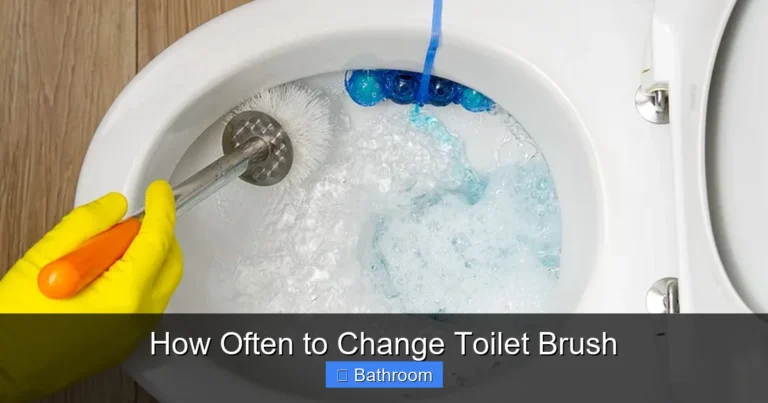
How to Wash Toilet Brush
Keeping your toilet brush clean is essential for maintaining a hygienic bathroom. Regular washing and proper storage prevent bacteria buildup and unpleasant odors. This guide walks you through simple, effective methods to sanitize your toilet brush and keep your bathroom fresh and safe.
Key Takeaways
- Wash your toilet brush at least once a week to remove residue and prevent bacterial growth.
- Use hot water and dish soap for a basic clean, or vinegar and baking soda for natural disinfection.
- Soak the brush in a disinfectant solution like bleach or hydrogen peroxide for 10–15 minutes.
- Always rinse thoroughly after cleaning to remove all cleaning agents.
- Store the brush upright in a dry holder to allow air drying and reduce moisture buildup.
- Replace the brush every 3–6 months or when bristles become worn or frayed.
- Avoid placing the brush near the toilet rim to minimize contamination from splashback.
📑 Table of Contents
- How to Wash Toilet Brush: A Complete Guide to a Cleaner, Healthier Bathroom
- Why Washing Your Toilet Brush Matters
- How Often Should You Wash Your Toilet Brush?
- Essential Supplies You’ll Need
- Step-by-Step Guide: How to Wash Toilet Brush
- Natural and Eco-Friendly Cleaning Methods
- Common Mistakes to Avoid
- How to Store Your Toilet Brush Properly
- When to Replace Your Toilet Brush
- Bonus Tips for a Fresher Bathroom
- Conclusion
How to Wash Toilet Brush: A Complete Guide to a Cleaner, Healthier Bathroom
Let’s talk about something we all use—sometimes daily, sometimes out of habit—but rarely think about in depth: the humble toilet brush. It sits in a holder, does its job quietly, and yet it’s one of the most germ-prone items in your bathroom. That’s why knowing how to wash toilet brush properly isn’t just a good idea—it’s a necessity. A clean toilet brush means a cleaner toilet, a fresher-smelling bathroom, and peace of mind knowing you’re not spreading bacteria around with every flush.
You might be wondering, “Can you even wash a toilet brush?” Absolutely. In fact, regular washing is one of the best ways to keep your bathroom hygienic. The key is consistency and the right technique. Whether you’re using household cleaners, natural solutions, or a dedicated sanitizing routine, this guide will walk you through every step. We’ll cover everything from daily maintenance to deep cleaning, storage tips, and even when it’s time to replace your brush. By the end, you’ll have a foolproof method for keeping your toilet brush sparkling clean and your bathroom smelling fresh.
Why Washing Your Toilet Brush Matters
Your toilet brush is a frontline defender against bathroom grime, but it’s also a breeding ground for bacteria if not cared for properly. Every time you clean the toilet, tiny droplets of water and waste can splash back onto the brush. Over time, these residues dry and harden, creating a perfect environment for germs to multiply. Without regular washing, your brush becomes a vector for contamination—not just in the toilet bowl, but potentially on your hands and even on other surfaces.

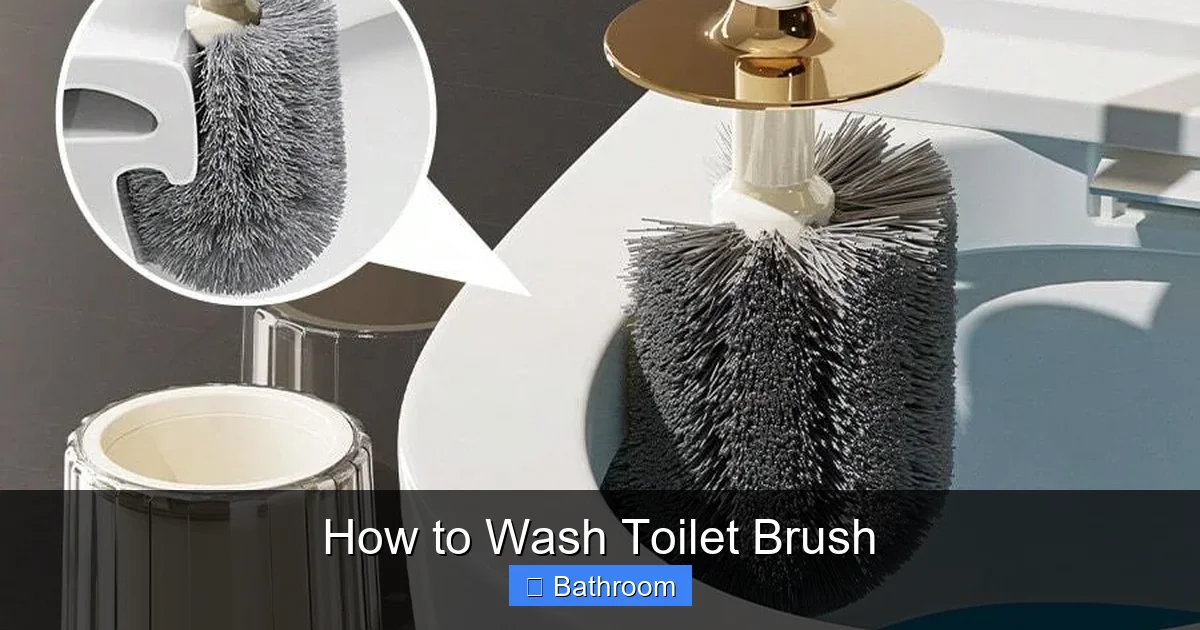
Visual guide about How to Wash Toilet Brush
Image source: img.ltwebstatic.com
Studies have shown that bathroom surfaces, including toilet brushes, can harbor bacteria like E. coli and Salmonella. While your brush isn’t going to make you sick on its own, it can contribute to cross-contamination if not handled correctly. That’s why washing your toilet brush isn’t just about cleanliness—it’s about health. A clean brush reduces the risk of spreading germs and helps maintain a more hygienic bathroom overall. Think of it as part of your bathroom’s immune system.
How Often Should You Wash Your Toilet Brush?
So, how often should you wash toilet brush? The short answer: at least once a week. But let’s break it down further. If you use your toilet brush daily, it’s best to rinse it with hot water immediately after each use. This removes loose debris and prevents buildup. Then, give it a full wash—scrubbing and soaking—once a week. This routine keeps bacteria at bay and ensures the brush stays effective.
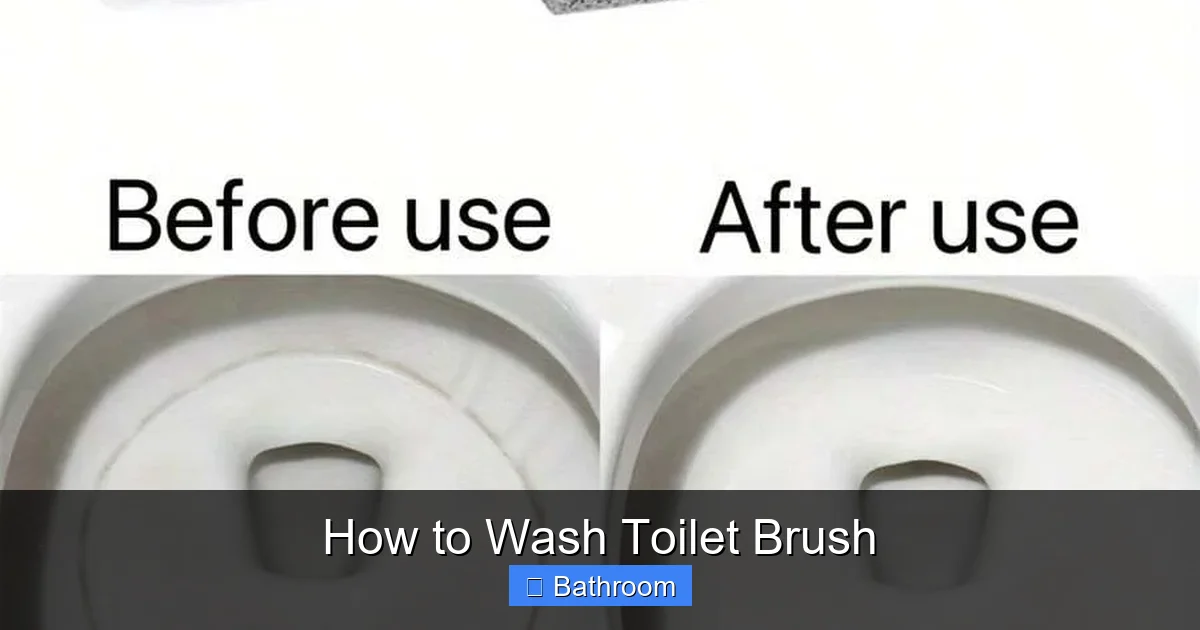
Visual guide about How to Wash Toilet Brush
Image source: img.ltwebstatic.com
For households with multiple users or children, you may need to wash it more frequently—every few days. People with weakened immune systems, such as the elderly or those recovering from illness, should consider sanitizing the brush after every use. The goal is simple: don’t let residue dry and harden on the bristles. The longer it sits, the harder it is to clean and the more bacteria can grow.
Essential Supplies You’ll Need
Washing your toilet brush doesn’t require fancy equipment. In fact, most of what you need is already in your kitchen or bathroom. Here’s a quick list of essential supplies:

Visual guide about How to Wash Toilet Brush
Image source: img.ltwebstatic.com
- Hot water: Hot water helps dissolve dried-on grime and opens up pores in the bristles for better cleaning.
- Dish soap or laundry detergent: Gentle but effective at cutting through soap scum and residue.
- White vinegar: A natural disinfectant that kills bacteria and removes mineral deposits.
- Baking soda: Great for scrubbing and neutralizing odors.
- Hydrogen peroxide (3%): A safe and effective sanitizer that breaks down organic matter.
- Toothbrush or old scrub brush: For getting into the crevices of the toilet brush.
- Disinfectant spray or bleach solution (optional): For deep sanitizing.
- Dry towel or paper towels: For drying the brush after washing.
Having these items ready makes the process quick and easy. You don’t need to buy special products—most of what you need is eco-friendly and safe for regular use.
Step-by-Step Guide: How to Wash Toilet Brush
Step 1: Rinse Immediately After Use
After cleaning the toilet, give your brush a quick rinse under hot water. This step is crucial—it prevents waste and cleaning residue from drying on the bristles. Use your hands to swish the brush back and forth under the stream of water. This removes loose debris and keeps the brush from getting crusty over time.
Pro tip: If you have a spray nozzle on your faucet, use it to direct a strong stream of water at the bristles. This makes rinsing faster and more effective. Don’t skip this step—it sets the stage for a deeper clean later.
Step 2: Prepare a Cleaning Solution
For a basic clean, mix a few drops of dish soap or laundry detergent with hot water in a bowl or sink. For a natural option, combine equal parts white vinegar and water. If you want a stronger sanitizing solution, add a tablespoon of hydrogen peroxide to the mix. Avoid using bleach unless you’re doing a deep disinfecting soak—it can damage the bristles over time.
Let the brush soak in the solution for 5–10 minutes. This allows the cleaning agents to break down any dried-on residue and kill bacteria.
Step 3: Scrub the Bristles
After soaking, use an old toothbrush or soft scrub brush to gently scrub the bristles. Focus on the base of the brush, where dirt tends to accumulate. Be thorough but gentle—you don’t want to damage the bristles. If the brush is old or has hard-to-reach spots, you can even use a bottle brush designed for cleaning bottle necks.
Example: Imagine the bristles are like a sponge—they soak up everything. Scrubbing helps squeeze out the gunk and prevents it from building up again. Think of it like cleaning a paintbrush after use—you want to remove every trace of the medium.
Step 4: Rinse Thoroughly
Once you’ve scrubbed, rinse the brush under hot running water for at least 30 seconds. Make sure all soap, vinegar, or disinfectant is washed away. Leftover residue can cause irritation or leave a film on the bristles.
Pro tip: Run your fingers through the bristles to check for any remaining suds or debris. A quick test is to hold the brush under the water and see if any cloudy residue comes out. If it does, rinse again.
Step 5: Disinfect (Optional but Recommended)
For extra hygiene, soak the brush in a disinfecting solution for 10–15 minutes. You can use a mixture of 1 part bleach to 4 parts water, or 3% hydrogen peroxide. After soaking, rinse again and let it air dry. This step is especially important if someone in your household is sick or if you’re doing a weekly deep clean.
Warning: Never mix bleach with vinegar or ammonia—it creates toxic fumes. Stick to one solution at a time.
Step 6: Dry Completely
After washing, shake off excess water and place the brush upright in its holder. Make sure it’s in a well-ventilated area and not touching other surfaces. Avoid covering the brush—this traps moisture and encourages mold. If your holder has a lid, remove it during drying.
Pro tip: If you don’t have a dedicated holder, consider using a plastic cup or mug with holes in the bottom. This allows air to circulate while keeping the brush off the floor.
Natural and Eco-Friendly Cleaning Methods
If you prefer to avoid harsh chemicals, there are plenty of natural ways to wash your toilet brush. These methods are effective, safe, and better for the environment.
Method 1: Vinegar and Baking Soda
Mix 1 cup of white vinegar with 1 cup of water in a bowl. Add 1 tablespoon of baking soda and stir. Submerge the brush and let it soak for 15–20 minutes. The vinegar kills bacteria and cuts through grime, while baking soda scrubs away residue and neutralizes odors. After soaking, scrub and rinse thoroughly.
Method 2: Lemon Juice
Lemon juice is a natural disinfectant and deodorizer. Mix equal parts lemon juice and water, then soak the brush for 10 minutes. The acidity helps break down mineral deposits and leaves a fresh scent. Rinse well afterward.
Method 3: Boiling Water
For a quick sanitizing boost, pour boiling water over the brush and let it sit for 5 minutes. This kills bacteria and loosens dried-on residue. Be careful—the brush may be too hot to touch immediately. Rinse and dry as usual.
These natural methods are perfect for daily maintenance or for those who want to reduce chemical use in their home.
Common Mistakes to Avoid
Even with the best intentions, it’s easy to make mistakes when cleaning your toilet brush. Here are some common pitfalls and how to avoid them.
- Not rinsing after use: Skipping the immediate rinse allows debris to dry and harden.
- Using cold water: Cold water doesn’t dissolve grime as well as hot water.
- Storing the brush flat: This traps moisture and promotes mold growth. Always store it upright.
- Using abrasive cleaners: Scrubbing with steel wool or harsh chemicals can damage the bristles.
- Sharing the brush: Never let family members use the same brush. Each person should have their own.
By avoiding these mistakes, you’ll extend the life of your brush and keep your bathroom cleaner.
How to Store Your Toilet Brush Properly
Storage is just as important as cleaning. A poorly stored brush can become a breeding ground for bacteria, no matter how well you clean it.
Choose the Right Holder
Invest in a toilet brush holder with ventilation holes and a drip tray. This allows water to drain and air to circulate. Avoid holders with lids—unless they’re made of breathable materials like bamboo. Some modern designs even have UV sanitizing lights, though these are optional.
Keep It Upright
Always store the brush standing upright, with the bristles pointing up. This prevents water from pooling at the base and reduces the risk of mold. If your holder is too small, consider using a spare cup or container with drainage holes.
Avoid Placing It Near the Toilet
Keep the brush at least 6 inches away from the toilet bowl. Splashback during flushing can contaminate the bristles, even if you’ve just cleaned the brush.
When to Replace Your Toilet Brush
No matter how well you clean it, a toilet brush won’t last forever. Over time, the bristles wear down, fray, or become misshapen. These are signs it’s time for a replacement.
Here are some indicators:
- Bristles are frayed or broken
- Brush has a persistent odor despite cleaning
- Residue won’t come off after deep cleaning
- Brush is older than 6 months
Most toilet brushes last 3–6 months with regular use. Replace it immediately if someone in your household is sick, to prevent reinfection.
Bonus Tips for a Fresher Bathroom
- Use a toilet bowl cleaner with a brush attachment: Some modern brushes come with built-in cleaners that reduce the need for separate washing.
- Wear gloves when cleaning: This protects your hands from germs and cleaning agents.
- Label your brush: If multiple people use the bathroom, assign brushes to individuals to prevent cross-contamination.
- Clean your brush holder weekly: The holder itself can harbor bacteria. Wash it with soap and water or disinfectant spray.
These small habits add up to a cleaner, healthier bathroom.
Conclusion
Washing your toilet brush is a simple yet powerful step toward maintaining a clean and hygienic bathroom. With just a few minutes a week, you can prevent bacterial growth, eliminate odors, and keep your brush in top condition. Whether you prefer natural solutions or disinfectant soaks, the key is consistency and proper storage. By following the steps in this guide, you’ll not only extend the life of your brush but also protect your family’s health.
Remember: a clean toilet brush is more than a clean bathroom—it’s a sign of care and responsibility. So next time you reach for that brush, take a moment to wash it properly. Your bathroom (and your peace of mind) will thank you.
Frequently Asked Questions
How often should I wash my toilet brush?
You should wash your toilet brush at least once a week, and rinse it with hot water immediately after each use. Weekly deep cleaning prevents bacteria buildup and keeps the brush effective.
Can I use bleach to clean my toilet brush?
Yes, but only in moderation. Mix 1 part bleach with 4 parts water and soak the brush for 10–15 minutes. Always rinse thoroughly afterward, as bleach can damage bristles and leave harmful residues.
How do I get rid of bad smells from my toilet brush?
Soak the brush in a mixture of vinegar and baking soda for 15–20 minutes. The vinegar kills odor-causing bacteria, while baking soda neutralizes smells. Rinse well and let it air dry.
Can I put my toilet brush in the dishwasher?
No, most toilet brushes are not dishwasher-safe. The high heat and harsh detergents can damage the bristles and holder. Hand washing is the best method.
Is it safe to share a toilet brush with family members?
No, sharing a toilet brush increases the risk of spreading germs. Each person should have their own brush to maintain hygiene and prevent cross-contamination.
How long does a toilet brush last?
A toilet brush typically lasts 3–6 months with regular use. Replace it when bristles become frayed, misshapen, or difficult to clean, especially if someone in your household is sick.