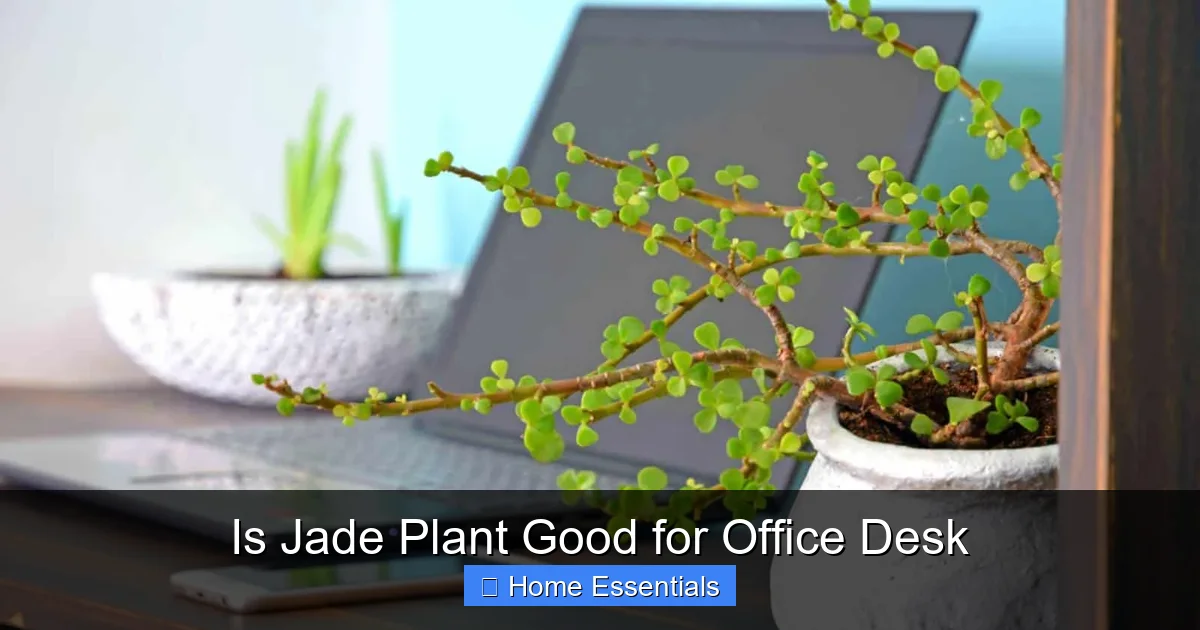
Is Jade Plant Good for Office Desk
Absolutely! The jade plant is a nearly perfect office desk companion. This resilient succulent thrives on neglect, requiring minimal water and low to bright indirect light. It acts as a natural air purifier, removing common office toxins, and is revered in Feng Shui for attracting prosperity and positive energy. Its lush, green, coin-shaped leaves provide a calming, natural touch to any workspace, making it ideal for both beginner plant owners and busy professionals.
Picture your typical office desk: a monitor, keyboard, maybe a photo frame, and a stack of papers. It’s functional, but is it inspiring? Now, imagine that same desk with a small, vibrant, green plant with plump, glossy leaves. Instantly, the space feels more alive, more personal, and more calming. If you’re considering adding a touch of nature to your cubicle or home office, one name consistently tops the list: the jade plant (Crassula ovata). But is the hype justified? Is a jade plant truly good for an office desk? The short answer is a resounding yes. This comprehensive guide will dive deep into why the jade plant might just be the ultimate desk plant, exploring its care, benefits, symbolic meaning, and how it stacks up against other popular choices.
We’re not just talking about a pretty decoration. The relationship between humans and plants in built environments is profound, backed by a field of study called biophilic design. Bringing a living thing into a sterile, artificial space like an office can have measurable effects on your well-being and work performance. The jade plant, with its unique combination of resilience and aesthetic appeal, is a standout candidate for this role. It’s a plant that doesn’t just survive on your desk; it quietly thrives, working for you in more ways than one. Whether you’re a seasoned plant parent or someone who struggles to keep a cactus alive, this article will equip you with everything you need to know to successfully cultivate your own office jade plant.
Key Takeaways
- Thrives on Neglect: Jade plants are incredibly drought-tolerant and forgiving of underwatering, making them perfect for forgetful office workers or busy schedules.
- Air Purifying Power: They effectively filter volatile organic compounds (VOCs) like formaldehyde and benzene, common in office furniture and cleaning supplies, improving indoor air quality.
- Feng Shui Fame: In Feng Shui, the jade plant’s plump, coin-like leaves symbolize wealth, prosperity, and good fortune, making it a powerful energetic addition to your workspace.
- Light Flexible: They adapt well to a range of light conditions, from low light to bright indirect sun, fitting most office desk setups near a window or under artificial light.
- Stress-Reducing Presence: Adding any living plant to your desk lowers cortisol levels, reduces anxiety, and can enhance focus and productivity according to environmental psychology studies.
- Pet Safety Caution: While great for offices, jade plants are toxic to cats and dogs if ingested, so ensure a pet-free workplace or keep it out of reach.
📑 Table of Contents
- Why the Jade Plant is an Office Desk Superstar
- Unlocking the Benefits: More Than Just a Pretty Face
- Mastering Jade Plant Care in an Office Environment
- Jade Plant and Office Feng Shui: A Match Made in Heaven?
- Troubleshooting Common Jade Plant Issues at Work
- Jade Plant vs. Other Popular Office Plants: How Does It Stack Up?
- Conclusion: Your Green Desk Guardian Awaits
Why the Jade Plant is an Office Desk Superstar
Before we get into the nitty-gritty of care, let’s establish what makes the jade plant a contender for the title of “best office plant.” It’s not a single trait but a powerful combination that sets it apart. In the often-challenging environment of an office—with its fluctuating temperatures, inconsistent watering schedules, and variable light—many popular houseplants would sulk or perish. Not the jade. Its evolutionary history in the arid regions of South Africa has hardwired it for efficiency and survival, traits that translate perfectly to desk life.
The “Set It and Forget It” Succulent
At its core, the jade plant is a succulent. This means it stores water in its thick, fleshy leaves and stems. This is its superpower for office life. While your peace lily might dramatically wilt if you forget to water it for a long weekend, a jade plant will simply use its stored reserves. It prefers to dry out completely between waterings. For an office worker who might be traveling, focused on a big project, or simply prone to forgetting, this forgiving nature is invaluable. You are far more likely to accidentally overwater a jade plant (leading to root rot) than underwater it. This low-maintenance profile removes the anxiety of plant care and makes it accessible to everyone.
Aesthetic Versatility and Slow, Steady Growth
The jade plant is a study in understated elegance. Its small, oval, jade-green leaves grow on woody, bonsai-like stems. It has a naturally tree-like form that can be pruned and shaped, offering a sense of creative control. Unlike fast-growing vines that can become unruly, jade plants grow slowly and predictably. This is a major advantage for a desk plant; you won’t wake up one morning to find it spilling over your keyboard. Its growth habit allows it to remain a tidy, elegant companion for years, gradually maturing into a beautiful miniature tree. Furthermore, under the right conditions, it may produce clusters of small, star-shaped white or pink flowers in the winter, offering a delightful surprise that signals you’re doing something right.
Size Matters: The Perfect Desktop Proportion
When selecting a plant for a desk, scale is critical. Too large, and it’s overwhelming. Too small, and it gets lost. The jade plant starts perfectly sized and stays manageable. A young plant in a 4-6 inch pot is ideal. With proper pruning, you can keep it compact and bushy, encouraging it to grow outward rather than just upward. This makes it a dynamic but never intrusive element on your workspace. It provides that crucial visual connection to nature without demanding significant physical space.
Unlocking the Benefits: More Than Just a Pretty Face
Choosing a jade plant for your desk isn’t just an interior design choice; it’s a wellness and productivity investment. The benefits extend far beyond its visual appeal, touching on air quality, mental health, and even cultural symbolism.
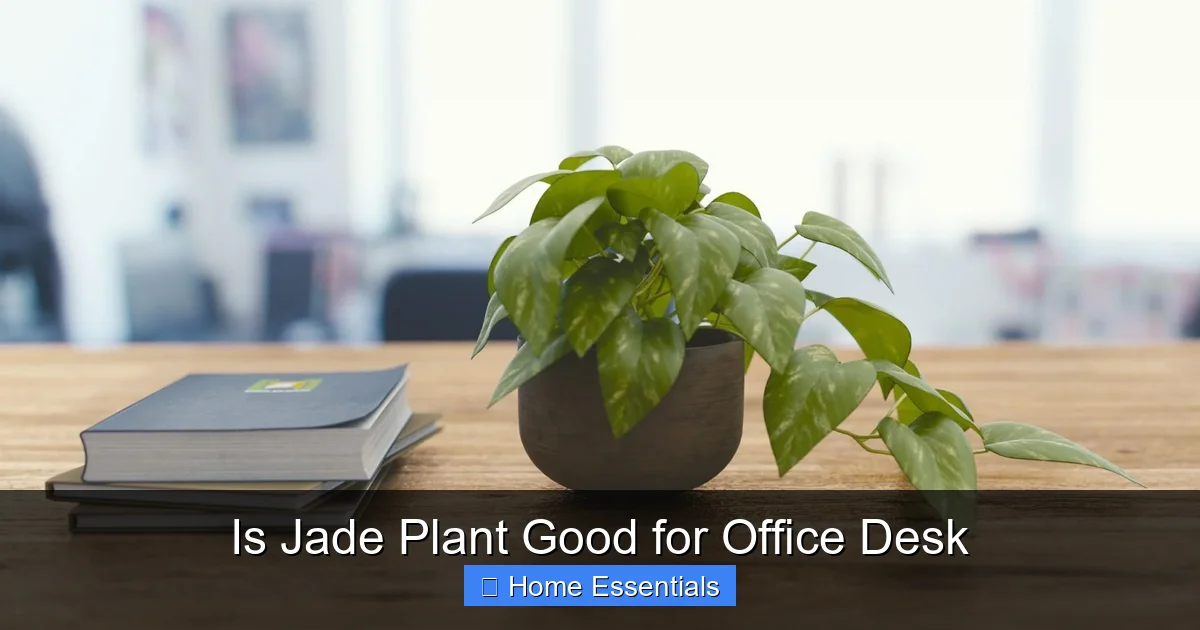
Visual guide about Is Jade Plant Good for Office Desk
Image source: foobot.io
Natural Air Purification in a Pot
Offices are notorious for containing elevated levels of volatile organic compounds (VOCs). These are emitted from new furniture, carpets, paint, printers, and cleaning supplies. Common offenders include formaldehyde, benzene, and trichloroethylene. Prolonged exposure can lead to headaches, dizziness, and respiratory irritation. Here’s where your jade plant becomes a silent guardian. Research, including NASA’s clean air study, has shown that certain succulents and their CAM (Crassulacean Acid Metabolism) photosynthetic pathway are effective at absorbing these toxins from the air. While a single plant won’t purify an entire open-plan office, having one on your desk creates a personal micro-environment of cleaner air right at your breathing zone. For optimal effect, consider grouping a few small plants together. If you’re interested in automating plant care to ensure they always perform their best, you might explore smart plant pots that monitor soil moisture and automate watering.
The Psychology of Green: Reducing Stress and Boosting Focus
The field of environmental psychology consistently demonstrates that interacting with plants, or even just viewing them, can have a restorative effect on the human brain. In a high-pressure work environment, this is huge. The color green is associated with calmness and balance. Gazing at your jade plant for a few moments can provide a mental break, reducing eye strain from screens and lowering cortisol (the stress hormone) levels. Studies have shown that plants in offices can increase productivity by up to 15%, improve perceived air quality, and reduce feelings of fatigue. A jade plant on your desk serves as a constant, low-effort reminder to take a breath, step back mentally, and reconnect with a natural rhythm—something increasingly rare in digital workspaces.
A Symbol of Prosperity and Positive Energy
This is where the jade plant truly shines in a unique way. Known as the “money plant” or “friendship plant” in many cultures, particularly in East Asia, it is a cornerstone of Feng Shui practice. Its rounded, coin-like leaves are believed to symbolize wealth, prosperity, and abundance. Placing a healthy, vibrant jade plant in your office is thought to activate the wealth area of your space (typically the far left corner from the entrance) and attract positive chi (energy). Even if you don’t ascribe to Feng Shui principles, the psychological effect of nurturing a plant associated with growth and fortune can be a powerful positive affirmation. Caring for it becomes a small, daily ritual of investment—in the plant and, metaphorically, in your own success and well-being. It’s a living good luck charm.
Mastering Jade Plant Care in an Office Environment
Knowing the benefits is one thing; successfully keeping the plant alive is another. The great news is that jade plant care is famously simple, but “simple” doesn’t mean “no care.” Understanding its specific needs in an office context is key. Let’s break down the essentials: light, water, soil, and environment.
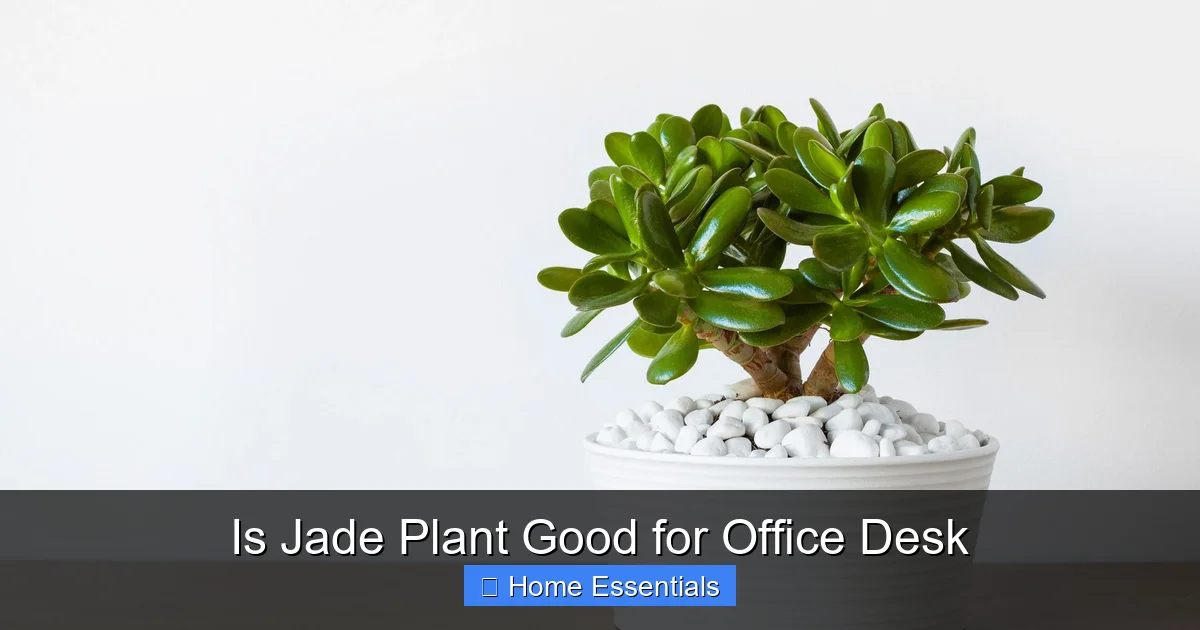
Visual guide about Is Jade Plant Good for Office Desk
Image source: mydomaine.com
Light: Finding the Office Sweet Spot
Jade plants prefer bright, indirect sunlight. This is their ideal. However, their adaptability is what makes them office-friendly. They can tolerate lower light conditions, but this will lead to slower growth and potentially leggy, stretched-out stems as the plant reaches for light. The goal is to find the best available light on your desk.
- Best Case Scenario: Your desk is near an east- or west-facing window, receiving a few hours of gentle morning or afternoon sun. This is perfect.
- Good Scenario: You have a north-facing window (in the Northern Hemisphere) or a spot that gets bright, filtered light all day. The plant will be happy, just slower.
- Challenging Scenario: Your desk is in the interior of an office, far from any window, with only overhead fluorescent lighting. This is the toughest environment. The plant will survive but may become pale and stretched. In this case, consider a small smart light bulb designed for plants to supplement its light needs for a few hours a day.
Pro Tip: Rotate your plant a quarter turn every few weeks if it’s only getting light from one direction to maintain an even, balanced shape.
Watering: The #1 Killer (and How to Avoid It)
Overwatering is the absolute most common way to kill a jade plant, especially in an office where people might think “it looks dry, I’ll give it a drink.” Resist this urge! The golden rule: water deeply, then let it dry out completely.
- How to Check: Stick your finger about 2 inches into the soil. If it feels dry at that depth, it’s time to water. If it’s still moist, wait. You can also lift the pot; it will feel significantly lighter when dry.
- How to Water: When you do water, do it thoroughly. Water until it runs out the drainage holes at the bottom of the pot. This ensures the entire root ball gets hydrated. Then, never let the pot sit in a saucer of standing water. Empty the saucer after 15 minutes.
- Office Schedule: In an average office (70-75°F), you might only need to water every 2-3 weeks, or even less in the winter. Always check the soil first. Less is more.
Soil and Pot: Drainage is Non-Negotiable
Jade plants are susceptible to root rot, which is caused by soggy soil. Therefore, the pot and soil you choose are critical.
- Pot: Must have a drainage hole. Terracotta (clay) pots are ideal because they are porous and allow soil to dry out more evenly. Plastic or glazed ceramic pots are fine too, but you must be extra cautious with watering.
- Soil: Use a fast-draining succulent or cactus potting mix. Do not use regular garden soil or potting mix, which retains too much moisture. You can improve regular mix by adding 50% perlite or pumice for better drainage.
Temperature and Humidity: Office-Friendly Ranges
Jade plants prefer average room temperatures between 65-75°F (18-24°C), which is almost exactly what most offices are set to. They can tolerate slightly cooler temperatures at night. They are not frost-hardy. Average office humidity is perfectly fine; they do not require the high humidity that tropical plants need. Just keep them away from drafty air conditioning vents or heating radiators, which can cause leaf drop.
Pruning and Shaping: Keeping Your Desk Plant Tidy
Pruning is not required but is highly recommended to maintain a compact, bushy shape and prevent legginess. Use clean, sharp scissors or pruning shears.
- When: Prune in the spring or summer when the plant is actively growing.
- How: Pinch off the ends of stems to encourage branching. You can also cut back longer, bare stems to a leaf node (where a leaf joins the stem). New growth will emerge from that point.
- Propagation: The pruned leaves and stem cuttings can be used to propagate new plants! Let the cut end callous over for a day or two, then stick it in slightly moist succulent soil. It’s a fantastic, free way to share plants with coworkers.
Jade Plant and Office Feng Shui: A Match Made in Heaven?
For many, the appeal of the jade plant is deeply tied to its status as a Feng Shui cure. Feng Shui is the ancient Chinese art of arranging your environment to harmonize with natural forces, promoting health, wealth, and happiness. In this system, plants represent the wood element, which signifies growth, vitality, and new beginnings. The jade plant, with its robust, evergreen nature and coin-like leaves, is specifically associated with the wood element’s ability to generate water (wealth) in the productive cycle.
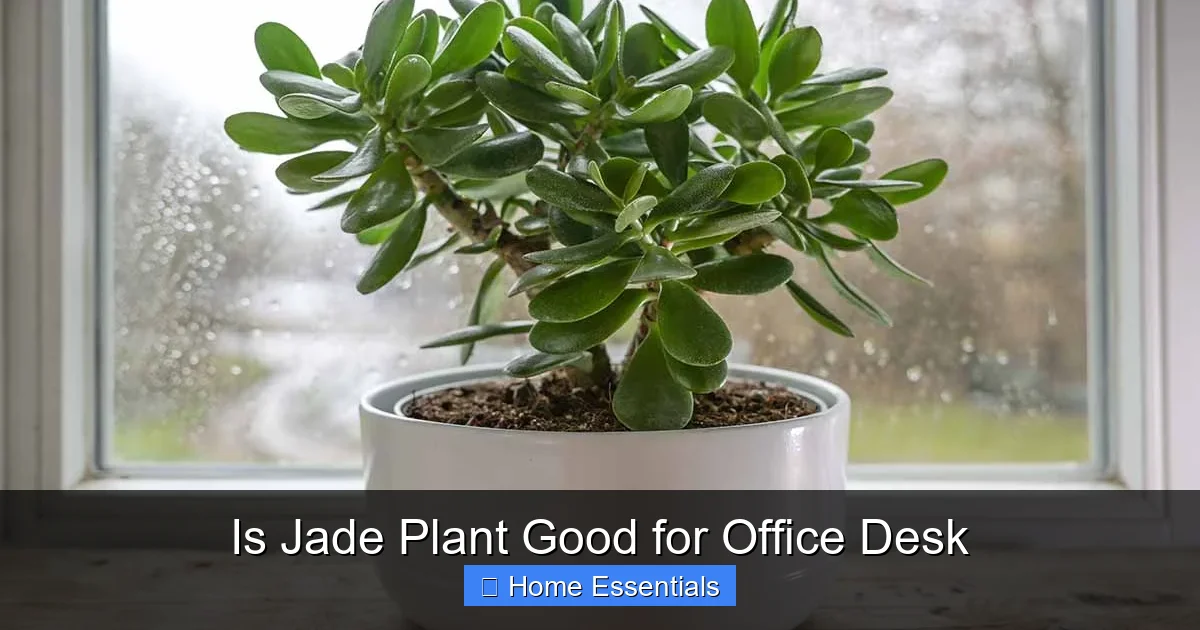
Visual guide about Is Jade Plant Good for Office Desk
Image source: gardenerspath.com
Where to Place Your Jade Plant for Maximum Effect
According to Feng Shui principles, the placement of your jade plant dictates the area of life it influences most. The key is the Bagua map, an energy map overlaid on your floor plan.
- The Wealth Corner (Xun): This is the most famous placement. The far left corner from your main entrance (or the main entrance to your office, if it’s a separate room) is the area of wealth and abundance. Placing a healthy, thriving jade plant here is said to activate and enhance financial prosperity.
- The Career Corner (Kan): The center front of your space (or directly in front of your desk) governs your career path, life purpose, and how you navigate the world. A jade plant here can support steady career growth and clear direction.
- The Health/Family Corner (Zhen): The left-center area of your space relates to health and family. A jade plant here promotes overall well-being and supportive relationships.
General Rule: The plant must be healthy, vibrant, and well-cared for. A dying, yellowing, or pest-infested jade plant is considered to generate negative or stagnant energy, counteracting any benefits. Its care is part of the practice.
The Practical Mindset: Beyond Symbolism
Even if you’re a Feng Shui skeptic, the placement advice has practical merit. The “wealth corner” is often a corner of the room that might be underutilized or poorly lit. Committing to placing a plant there forces you to find the best spot in that area, which often involves improving light or airflow—actions that improve the space itself. Furthermore, the psychological boost of having a symbol of growth and prosperity in your line of sight can be a powerful motivational tool. It’s a visual reminder of your goals. So, whether you believe in the energy or the psychology, placing your jade plant with intention can only enhance its positive impact on your workspace.
Troubleshooting Common Jade Plant Issues at Work
Even easy plants can encounter problems. Recognizing the signs early is key to saving your desk companion. Most issues are related to watering or light.
Problem: Yellow, Mushy Leaves and Stems
Diagnosis: This is the classic sign of overwatering and root rot. The leaves feel soft and squishy, not firm and plump.
Office Solution: Immediately stop watering. Gently remove the plant from its pot and check the roots. Healthy roots are white and firm. Rotten roots are brown/black and slimy. Trim away any rotten roots with sterile scissors. Let the plant air out for a day or two. Repot in fresh, dry succulent soil in a pot with drainage. Going forward, implement the “finger test” and extend the time between waterings significantly.
Problem: Leaves Wrinkled, Shriveling, or Dropping
Diagnosis: This typically means underwatering. The plant is using its stored water in the leaves, causing them to pucker and look deflated. It can also happen if the plant is in extreme heat with no water source.
Office Solution: Give the plant a thorough soaking. Place the pot in a sink or tub and water until it runs freely from the bottom. Let it absorb for an hour, then drain completely. Resume a more consistent (but still conservative) watering schedule based on soil dryness. If the soil is bone dry and repels water (beading on top), you may need to soak the entire pot in a bowl of water for 10 minutes to rehydrate the soil ball.
Problem: Leggy, Stretched-Out Growth with Small Leaves
Diagnosis: Insufficient light. The plant is etiolating—stretching its stems and producing smaller, paler leaves to reach for a light source that isn’t strong enough.
Office Solution: Move the plant to a brighter location immediately, even if it means relocating it to a windowsill or a spot with direct morning sun. If you can’t move it, invest in a small grow light bulb that screws into a standard desk lamp. Set it on a timer for 8-10 hours a day. You can also prune the leggy parts to encourage bushier growth from lower nodes once light conditions improve.
Problem: Small, Pests (Mealybugs or Spider Mites)
Diagnosis: Mealybugs look like tiny bits of white cotton on stems and leaf joints. Spider mites cause fine webbing and stippled, dusty-looking leaves. Both thrive in dry, dusty conditions.
Office Solution: Isolate the plant from others. For mealybugs, dab them off with a cotton swab dipped in rubbing alcohol. For spider mites, spray the plant thoroughly with a strong jet of water in the sink or shower, or use insecticidal soap or neem oil. Regularly dusting your jade plant’s leaves with a soft, dry microfiber cloth not only keeps it looking shiny but also deters pests by removing dust where they might hide and lay eggs. A clean plant is a healthier plant.
Jade Plant vs. Other Popular Office Plants: How Does It Stack Up?
The desk plant market is crowded. Let’s see how the jade plant compares to other common choices.
- vs. Snake Plant (Sansevieria): The snake plant is the other top contender for low-light, low-water offices. It’s even more tolerant of very low light. However, jade plants offer more visual interest with their woody stems and tree-like form, and they have the powerful Feng Shui association. Snake plants are more rigid and architectural.
- vs. ZZ Plant (Zamioculcas zamiifolia): The ZZ is another champ of neglect, with incredibly glossy, dark green leaves. It’s extremely slow-growing and virtually indestructible. It lacks the symbolic meaning and the potential for interesting branching/pruning that a jade offers. It’s more of a “set it and truly forget it” plant.
- vs. Pothos (Epipremnum aureum): Pothos is a fast-growing vining plant that’s great for shelves. It’s very forgiving but requires more frequent watering than a jade. It can become leggy and needs regular trimming to stay bushy. It doesn’t have the same “tree” aesthetic or symbolic weight.
- vs. Peace Lily (Spathiphyllum): The peace lily is famous for its white flowers and dramatic “dramatic wilt” when thirsty—a clear signal to water. It requires more consistent moisture and brighter light than a jade. It’s beautiful but higher maintenance and also toxic to pets.
The Verdict: The jade plant offers the best balance of low maintenance, aesthetic versatility (bushy, tree-like, or bonsai), positive symbolism, and resilience. It’s the most “complete package” for a long-term desk companion.
Conclusion: Your Green Desk Guardian Awaits
So, is a jade plant good for an office desk? After this deep dive, the evidence is overwhelming. Yes. It is more than good; it is an exceptional choice. It marries the practical needs of a demanding office environment with the deep human need for biophilic connection. Its succulent nature means it won’t punish you for a busy week. Its air-purifying qualities quietly combat indoor pollutants. Its calming green presence offers a mental respite from screen fatigue. And for those who appreciate it, its status as a Feng Shui money plant adds a layer of positive intention to your workday.
Starting your jade plant journey is simple. Get a small pot with drainage, use a cactus/succulent mix, and place it in the brightest spot you have. Water only when the soil is completely dry. Then, step back and let it do its thing. Watch as it slowly grows, perhaps even flowers in the winter. Prune it to shape, and propagate the cuttings to share the good fortune. In return, this little green guardian will provide years of subtle beauty, cleaner air, and a tangible link to the natural world right on your desk. In the quest for a more productive, peaceful, and prosperous workspace, the humble jade plant might be your most powerful and low-maintenance ally.
Frequently Asked Questions
How often should I water my jade plant on my office desk?
Water deeply only when the soil is completely dry, typically every 2-3 weeks. Always check by sticking your finger 2 inches into the soil. Overwatering is the most common cause of death for jade plants.
Can a jade plant survive in an office with no windows?
It can survive in low light but will become leggy and pale. For best results, use a small grow light for a few hours daily to supplement the lack of natural sunlight and keep it compact and healthy.
Is the jade plant toxic to pets or humans?
Jade plants are toxic to cats and dogs if ingested, causing vomiting and lethargy. They are not considered toxic to humans, but it’s best not to eat any part of it. Ensure a pet-free office or keep it out of reach.
Why are the leaves on my office jade plant turning yellow and falling off?
Yellow, mushy leaves are a classic sign of overwatering and root rot. Stop watering immediately, check the roots, and repot in dry, well-draining succulent soil if needed. Adjust your watering schedule to be much more infrequent.
How big will a jade plant get on my desk?
Jade plants grow slowly. With proper pruning, you can easily keep it under 12-18 inches tall and wide for many years. Without pruning, it can eventually become a small tree several feet tall, but this takes a long time.
Does the jade plant really attract money and good luck?
In Feng Shui tradition, its plump, coin-shaped leaves symbolize wealth and prosperity. Many believe placing a healthy jade plant in the “wealth corner” (far left from the entrance) of your office attracts financial success. Even as a psychological tool, it serves as a positive symbol of growth.