Microfiber Duster for Blinds
Say goodbye to dust bunnies hiding on your blinds! A microfiber duster for blinds makes cleaning quick, easy, and chemical-free. Whether you’ve got horizontal slats, vertical blinds, or mini blinds, this simple tool delivers a streak-free finish every time—saving you time and effort.
Key Takeaways
- Microfiber is highly effective: Its electrostatic properties trap dust, allergens, and grime better than regular cloths.
- Universal compatibility: Works on all blind types—horizontal, vertical, mini, and even Venetian blinds.
- Reusable and eco-friendly: Washable and durable, reducing plastic waste and saving money over time.
- Gentle on surfaces: Safe for wood, vinyl, aluminum, and fabric blinds without scratching or damaging.
- Time-saving design: Extendable handles and flexible heads reach high and tight spaces effortlessly.
- Low maintenance: Just shake or wash—no special cleaners needed for most models.
- Affordable investment: Typically costs under $20, offering long-term value for cleanliness.
📑 Table of Contents
- Why a Microfiber Duster for Blinds Is a Game-Changer
- How Microfiber Dusters Work: The Science Behind the Magic
- Types of Microfiber Dusters for Blinds: Which One Should You Choose?
- Step-by-Step Guide: How to Use a Microfiber Duster for Blinds
- Maintenance Tips: Keep Your Microfiber Duster Working Like New
- Microfiber Dusters vs. Other Cleaning Methods
- Best Practices for Different Blind Types
- Environmental and Health Benefits of Microfiber Dusters
- Common Mistakes to Avoid When Using a Microfiber Duster
- Top Brands and Models to Consider
- Final Thoughts: Is a Microfiber Duster for Blinds Worth It?
Why a Microfiber Duster for Blinds Is a Game-Changer
Let’s be honest—blinds are one of the most overlooked spots in any home. They collect dust, pollen, and even cooking grease over time, yet most people wait until they’re visibly dirty to clean them. By then, the dust has already started to circulate back into your living space. Enter the microfiber duster for blinds: a simple, affordable, and surprisingly effective tool that transforms blind cleaning from a dreaded chore into a quick 5-minute task.
Unlike traditional cleaning methods that involve spraying chemicals and wiping with paper towels (which often just push dust around), microfiber dusters work by capturing particles. The tiny fibers create static electricity, grabbing onto dust and allergens instead of just moving them. And because they’re reusable, you’re not only saving money—you’re also reducing plastic waste. Whether you’re a busy parent, a remote worker, or just someone who values a tidy home, this tool is a must-have in your cleaning arsenal.
How Microfiber Dusters Work: The Science Behind the Magic
Visual guide about Microfiber Duster for Blinds
Image source: 5.imimg.com
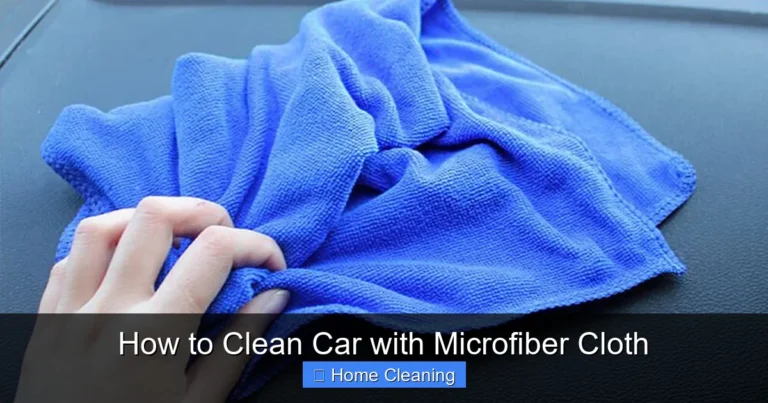
Microfiber isn’t just a fancy fabric—it’s engineered for cleaning. Made from ultra-fine polyester and polyamide fibers, microfiber cloths and dusters have a surface area that’s 5–10 times greater than cotton. This means more contact with dust and dirt. But the real trick? Static electricity.
When you rub a microfiber duster on a surface, it builds up a static charge. This charge attracts and holds onto dust particles, including tiny allergens like pet dander and mold spores. Unlike a damp cloth, which can smear grease or push dust into corners, microfiber pulls it all away. That’s why it’s so effective on blinds—especially those with horizontal slats where dust loves to settle.
Another advantage is absorbency. While microfiber is great at trapping dry dust, many advanced models also handle light moisture. Just a quick damp wipe can remove sticky residue or light grime without leaving streaks. And because the fibers are so fine, they won’t scratch delicate surfaces like painted wood or aluminum.
Types of Microfiber Dusters for Blinds: Which One Should You Choose?
Visual guide about Microfiber Duster for Blinds
Image source: 5.imimg.com
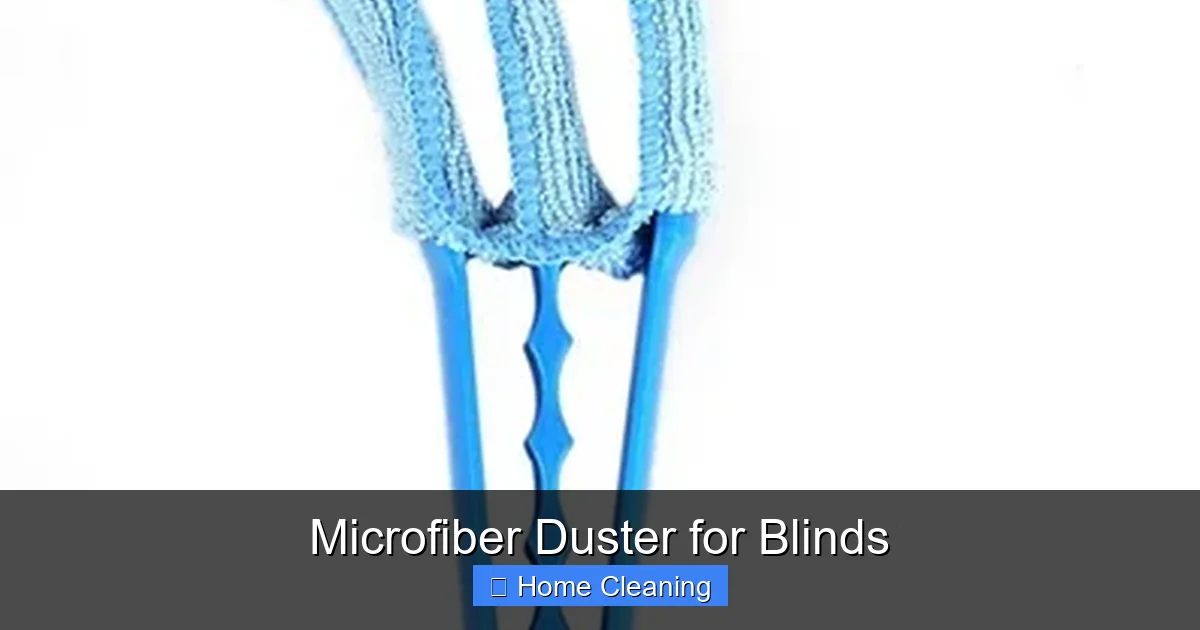
Not all microfiber dusters are created equal. Depending on your blind type and cleaning needs, you’ll want to pick the right model. Here are the most common types:
1. Standard Handheld Dusters
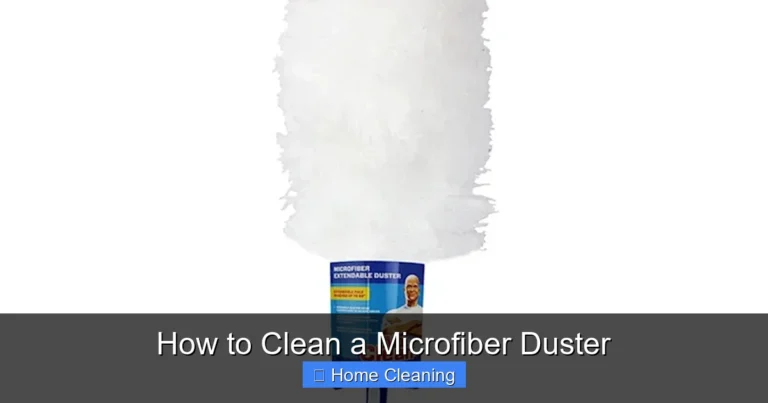
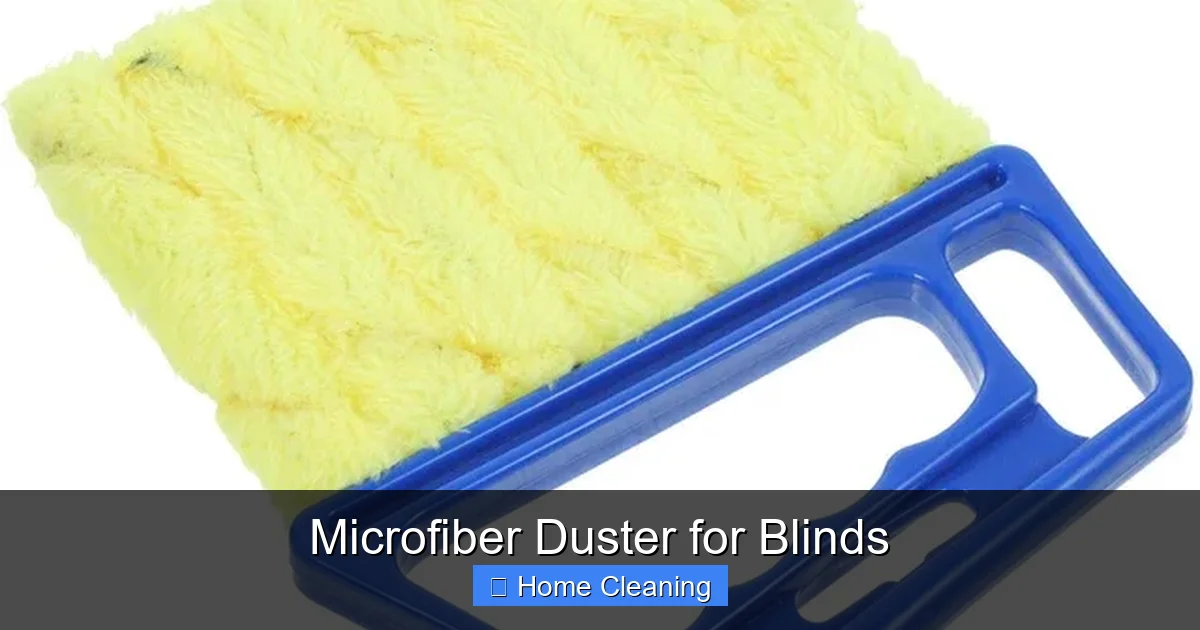
These are the most basic version—a rectangular or oval pad attached to a short handle. Ideal for quick touch-ups on mini blinds or small window sets. They’re lightweight, easy to store, and perfect for monthly maintenance. Look for ones with a non-slip grip and a replaceable pad if possible.
2. Extendable Dusters
Got high windows or long vertical blinds? An extendable microfiber duster is your best friend. These models have a telescoping pole that can reach up to 4 or 5 feet. Some even come with a flexible head that bends to clean around corners and tight spaces. Perfect for second-story windows or skylights.
3. Duster with Brush or Sponge Attachment
Some microfiber dusters include a dual-function head—one side for dry dusting, the other for wet cleaning. These are great if your blinds have both dust and sticky spots. The brush side helps loosen stubborn grime, while the sponge side wipes it clean. Just rinse and reuse!
4. Vacuum Attachments
Yes, you can even attach a microfiber duster to your vacuum cleaner! These vacuum-compatible models have a special adapter that lets you clean blinds while sucking up the dust into your vacuum bag. This is especially useful for deep cleaning or if you suffer from allergies.
5. Specialized Blinds Dusters
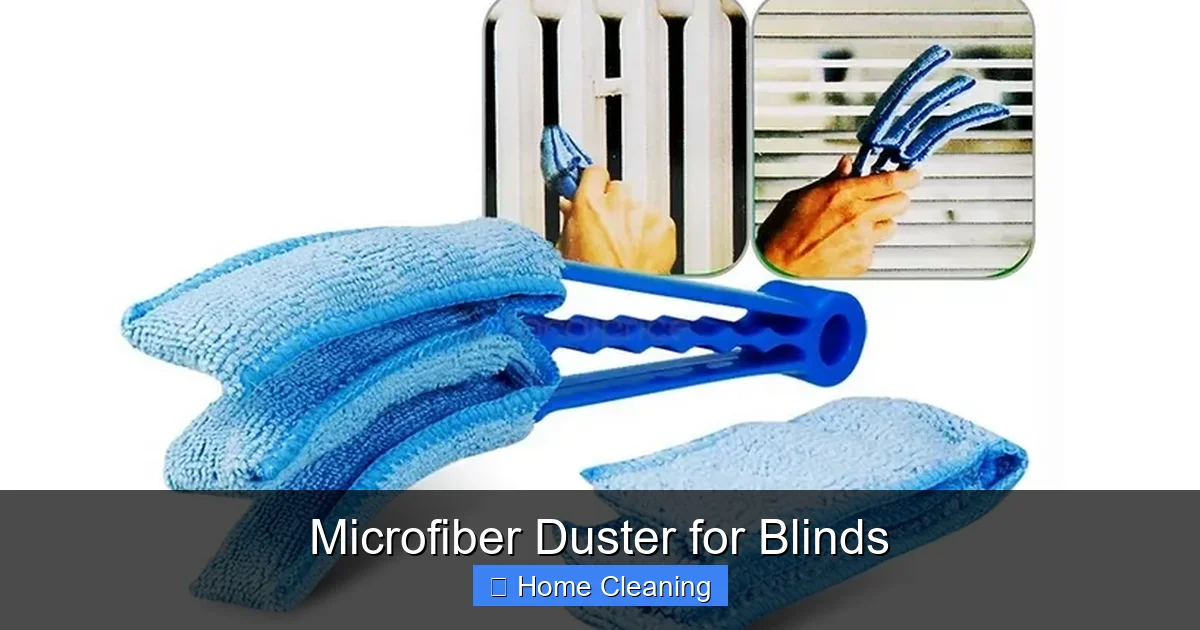
Some brands make dusters specifically for blinds, with angled heads or slat-cleaning brushes. These are designed to slide between slats without damaging them. If you have horizontal blinds, this type can save you from having to tilt each slat individually.
Step-by-Step Guide: How to Use a Microfiber Duster for Blinds
Visual guide about Microfiber Duster for Blinds
Image source: picclickimg.com
Using a microfiber duster for blinds is incredibly simple. Follow these steps for a streak-free, dust-free finish:
Step 1: Clear the Area
Before you start, open your blinds fully so you can clean both sides. If they’re dusty enough, you might want to do this when you’re not cooking or using fans—otherwise, you’ll just stir up more dust.
Step 2: Shake Off Loose Dust
If your duster is dry, give it a good shake outside or over a trash can. This removes any loose debris before you start. For extendable models, this is also a good time to extend the handle.
Step 3: Slide the Duster Between Slats
For horizontal blinds, gently slide the duster between the slats, moving from top to bottom. If your duster has a flexible head, bend it to fit. For vertical blinds, run the duster along the top edge and down each panel.
Step 4: Wipe the Slats
Run the duster over each slat in both directions to catch dust on both sides. If the duster gets dirty, flip it to the clean side or replace the pad. For sticky spots, lightly dampen the microfiber with water or a mild cleaner.
Step 5: Clean the Windowsill and Frame
Don’t forget the area around the blinds! Use the same duster or a separate microfiber cloth to wipe down the window frame and sill. This prevents dust from falling back onto your freshly cleaned blinds.
Step 6: Wash and Store
Once you’re done, rinse the duster under warm water and let it air dry. Store it in a dry place to prevent mold. Most microfiber dusters can be washed dozens of times without losing effectiveness.
Maintenance Tips: Keep Your Microfiber Duster Working Like New
To get the most out of your microfiber duster for blinds, proper maintenance is key. Here’s how to keep it in top shape:
Wash After Each Use
Even if it looks clean, residue from dust and oils can build up over time. Rinse the duster under warm water and let it dry completely before storing. Avoid fabric softeners—they coat the fibers and reduce their ability to trap dust.
Deep Clean Monthly
Once a month, wash the duster in the washing machine on a gentle cycle with mild detergent. Air dry—never put it in the dryer, as high heat can damage the fibers.
Replace When Worn
Over time, microfiber can fray or lose its static charge. If the duster no longer picks up dust well, it’s time to replace it. Most last 3–6 months with regular use.
Store Properly
Keep the duster in a dry, cool place. Avoid folding it tightly, as this can damage the fibers. If it’s a handheld model, store it upright or hang it on a hook.
Microfiber Dusters vs. Other Cleaning Methods
You might be wondering: why choose a microfiber duster for blinds when you could use a spray bottle and paper towels? Let’s compare.
Microfiber Duster vs. Paper Towels
Paper towels are disposable and often just push dust around. They also leave lint behind and can’t be reused. Microfiber, on the other hand, captures 90% more dust and lasts for months.
Microfiber Duster vs. Feather Dusters
Feather dusters are great for light dusting, but they don’t trap particles—they just move them. Microfiber actually holds onto dust, making it safer for allergy sufferers.
Microfiber Duster vs. Compressed Air
Compressed air can blow dust into the air and into your HVAC system. Microfiber keeps dust contained and removes it from your home.
Microfiber Duster vs. Vacuum with Brush Attachment
While vacuums are powerful, they can be bulky and noisy. A microfiber duster is portable, quiet, and perfect for spot cleaning. Plus, it doesn’t require electricity.
Microfiber Duster vs. Commercial Blind Cleaners
Many blind cleaners contain harsh chemicals and require special cloths. Microfiber is chemical-free, eco-friendly, and works with just water.
Best Practices for Different Blind Types
Not all blinds are the same. Here’s how to use your microfiber duster for different blind styles:
Horizontal Blinds
These are the most common type. Use a duster with a flat, wide head to slide between slats. If your duster is extendable, use it to reach high windows without a ladder. Tilt the slats slightly to clean both sides.
Vertical Blinds
Run the duster along the top edge and down each panel. For dusty vertical panels, use a damp microfiber cloth to remove sticky residue. Be gentle to avoid bending the vanes.
Mini Blinds
These are small and easy to clean. A handheld microfiber duster works best. Just slide it between each slat and wipe clean.
Venetian Blinds
Like horizontal blinds, but with a slimmer profile. Use a narrow microfiber duster or one with a flexible head. Clean both the slats and the bottom rail.
Roller and Roman Blinds
These are fabric, so avoid soaking them. Use a dry microfiber duster to gently brush off dust. For deeper cleaning, consider a fabric-safe spray and a separate microfiber cloth.
Exterior or Outdoor Blinds
These can get really dirty. Use a slightly damp microfiber duster and mild soap if needed. Rinse well and let them dry completely before retracting.
Environmental and Health Benefits of Microfiber Dusters
Beyond convenience, using a microfiber duster for blinds has real benefits for your health and the planet.
Reduces Allergens
Dust mites, pet dander, and pollen love to hide in blinds. Microfiber captures these allergens instead of spreading them. This is especially helpful for people with asthma or allergies.
Chemical-Free Cleaning
Unlike many commercial cleaners, microfiber doesn’t require harsh chemicals. Just water is often enough. This makes it safer for kids, pets, and the environment.
Less Waste
A single microfiber duster can replace hundreds of paper towels or disposable wipes. Over a year, that’s thousands of pieces of trash saved.
Energy Efficient
No electricity, no batteries—just a simple tool that works by physics. It’s one of the most energy-efficient cleaning tools you can own.
Improves Indoor Air Quality
By removing dust from your blinds, you’re helping clean the air in your home. This is especially important in rooms with poor ventilation.
Common Mistakes to Avoid When Using a Microfiber Duster
Even with the best tool, you can still mess up. Here are some common mistakes to avoid:
Using Too Much Pressure
Don’t press too hard—microfiber works best with light, steady strokes. Excessive force can damage the fibers or scratch your blinds.
Not Cleaning Both Sides
Dust settles on both sides of the slat. Make sure to clean both by sliding the duster through and wiping each surface.
Using Fabric Softener
This coats the microfiber and reduces its cleaning power. Skip it—your duster will last longer and work better.
Storing Wet
Leaving a damp duster in a drawer can cause mold. Always dry it completely before storing.
Using on Very Wet Blinds
Microfiber can’t handle standing water. If your blinds are wet, dry them first or use a separate towel.
Ignoring the Window Frame
Dust falls onto the sill and frame. Clean these areas too to prevent recontamination.
Top Brands and Models to Consider
Not all microfiber dusters are the same. Here are some highly rated options:
OXO Good Grips Microfiber Duster
A favorite among home organizers, this model has a comfortable grip and replaceable head. Great for small to medium blinds.
Holikme Microfiber Duster with Extension Pole
An affordable, extendable duster with a flexible head. Perfect for high windows and vertical blinds.
Microfiber Cleaning Cloths (Multi-Pack)
If you don’t need a duster, bulk microfiber cloths work well for hand cleaning. Just attach them to a stick or use them directly.
Vacuum Compatible Microfiber Duster
Look for models with a universal adapter. These let you clean blinds while vacuuming up the dust—ideal for deep cleaning.
E-Cloth Microfiber Duster Kit
Includes a duster, dusting cloth, and mop head. Great for whole-home cleaning, not just blinds.
Final Thoughts: Is a Microfiber Duster for Blinds Worth It?
Absolutely. A microfiber duster for blinds is one of the simplest, most effective tools you can add to your cleaning routine. It’s affordable, reusable, and works on almost every blind type. Whether you’re doing a quick weekly touch-up or a deep monthly clean, it saves time, reduces waste, and keeps your home healthier.
You don’t need to be a cleaning expert to use it—just slide, wipe, and rinse. And the best part? You’ll actually look forward to cleaning your blinds. With a microfiber duster, it’s not just about cleanliness—it’s about making your home a fresher, more comfortable place.
Frequently Asked Questions
Can I use a microfiber duster on wooden blinds?
Yes, microfiber is gentle and safe for wood blinds. Just avoid soaking them—use a lightly dampened duster to prevent water damage. Always test on a small area first.
How often should I clean my blinds?
For best results, clean your blinds every 2–4 weeks. In high-traffic or pet-heavy homes, monthly cleaning is ideal. Use a microfiber duster for quick touch-ups between deep cleans.
Do I need special soap for cleaning microfiber dusters?
No. Just use mild soap and warm water. Avoid bleach or fabric softeners, as they reduce the duster’s effectiveness. Rinse thoroughly and air dry.
Can I use a microfiber duster on vertical blinds?
Yes, especially models with flexible or extendable heads. Gently run the duster along the top edge and down each panel. For dusty vertical panels, use a slightly damp cloth.
Are microfiber dusters safe for kids and pets?
Yes. They’re chemical-free and non-toxic. Just make sure the duster is out of reach if it has small parts, and supervise young children during use.
How long do microfiber dusters last?
With proper care, most last 3–6 months. If the fibers fray or the duster loses its grip on dust, it’s time to replace it. Proper washing and storage extend lifespan.