Microfiber Duster for Ceiling Fans
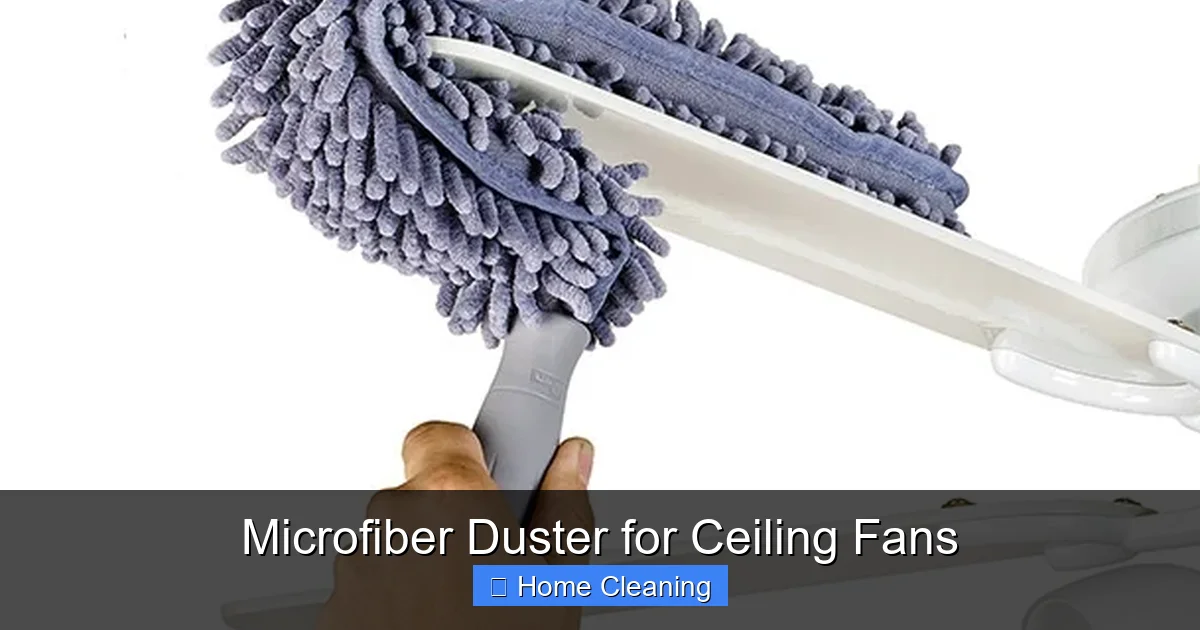
Struggling to reach dusty ceiling fans without a ladder? A microfiber duster for ceiling fans offers a safe, effective, and easy solution. These lightweight tools extend your reach, trap dust efficiently, and protect your fan blades—making home cleaning faster and safer.
Key Takeaways
- Effortless Cleaning: A microfiber duster for ceiling fans allows you to clean high-up surfaces without climbing or using dangerous ladders.
- Superior Dust Capture: Microfiber’s electrostatic properties trap more dust than regular cloths, leaving your fan blades spotless.
- Safe for Blades: Gentle on fan finishes—especially important for painted or delicate surfaces—preventing scratches or damage.
- Extendable Design: Many models feature telescoping or adjustable poles, giving you extra reach without extra effort.
- Easy Maintenance: Most microfiber dusters are machine washable, so they stay effective and hygienic with minimal upkeep.
- Time-Saving Solution: Get your ceiling fans clean in under 10 minutes—perfect for busy households or quick touch-ups.
- Eco-Friendly Choice: Reusable and long-lasting, microfiber dusters reduce waste compared to disposable cleaning products.
📑 Table of Contents
- Why a Microfiber Duster for Ceiling Fans Is a Game-Changer
- How Microfiber Works: The Science Behind the Clean
- Choosing the Best Microfiber Duster for Your Ceiling Fan
- Top Microfiber Duster Models for Ceiling Fans (2024)
- Step-by-Step Guide: How to Use a Microfiber Duster for Ceiling Fans
- Pro Tips for Maximum Effectiveness
- Common Mistakes to Avoid
- Are Microfiber Dusters Safe for All Fan Types?
- Eco-Friendly Cleaning: Why Reusability Matters
- Final Thoughts: Why Every Home Needs a Microfiber Duster for Ceiling Fans
Why a Microfiber Duster for Ceiling Fans Is a Game-Changer
Have you ever looked up at your ceiling fan and thought, “Wow, that’s a lot of dust”? We’ve all been there. Ceiling fans are fantastic for circulating air, but they’re also dust magnets—especially if you live in a dry climate, near a window, or have pets. The problem? They’re hard to reach, and trying to clean them with a regular duster or a damp cloth from the ground often results in a mess, missed spots, or even injury from climbing on furniture.
That’s where a microfiber duster for ceiling fans comes in. This simple tool is designed to make one of the trickiest cleaning tasks in the house not only manageable but actually enjoyable. Whether you’re cleaning a standard ceiling fan or a large industrial-style model, microfiber’s unique texture grabs dust, allergens, and grime like a magnet—without scratching or leaving streaks. Plus, with extendable handles, you can clean from the safety of the ground.
In this guide, we’ll walk you through everything you need to know about using and choosing the best microfiber duster for ceiling fans. From understanding how microfiber works to comparing top models and learning pro cleaning tips, you’ll be a ceiling fan cleaning pro in no time.
How Microfiber Works: The Science Behind the Clean
Visual guide about Microfiber Duster for Ceiling Fans
Image source: static-01.daraz.pk
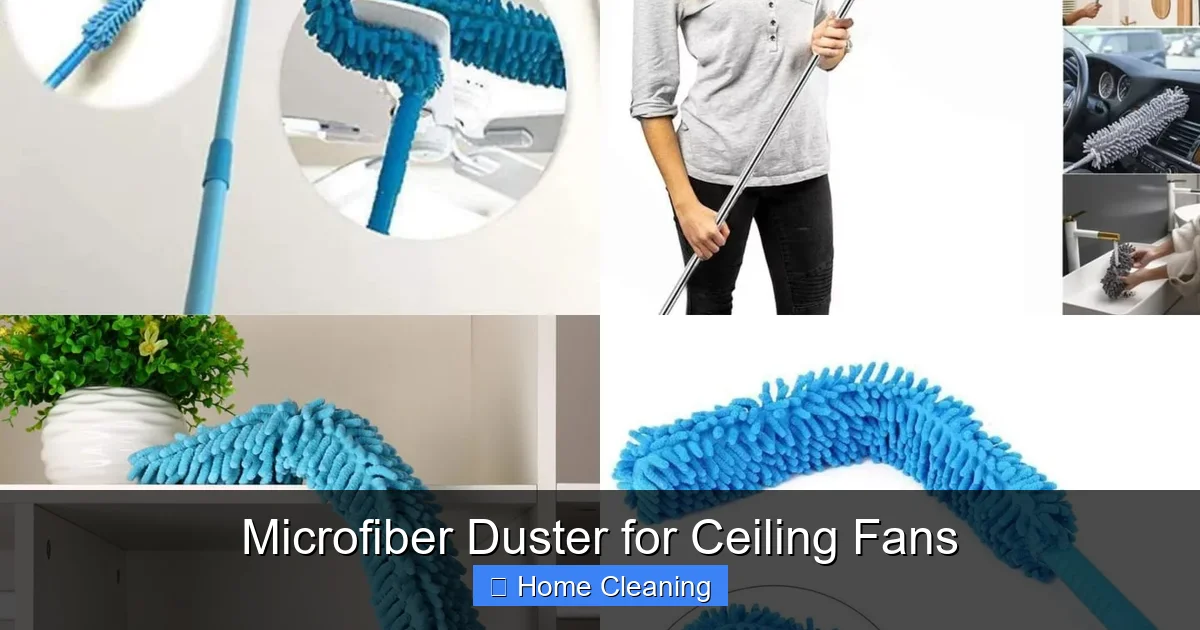
Before diving into product recommendations, let’s talk about why microfiber is so effective. Microfiber is made from ultra-fine synthetic fibers—typically polyester and nylon—that are split into even finer strands during manufacturing. This creates a surface area that’s up to 100 times larger than regular fabric.
When you use a microfiber duster for ceiling fans, these tiny fibers attract and trap dust particles through a combination of static electricity and capillary action. Unlike feather dusters that just push dust around, microfiber pulls it in and holds it tightly. This means fewer passes, less mess, and a deeper clean—especially important for ceiling fans, which collect a lot of airborne particles over time.
Another benefit? Microfiber doesn’t just work on dust—it’s great at picking up pet hair, allergens, and even light grease. That’s why it’s a favorite among allergy sufferers and people with asthma. And because it doesn’t require water or cleaning chemicals (though you can use them if needed), it’s a low-impact, eco-friendly option.
Why Regular Dusting Tools Fall Short
Many people still use old-fashioned feather dusters or paper towels to clean ceiling fans. But these tools have serious drawbacks:
- Feather dusters: They just move dust around, sending it back into the air instead of trapping it.
- Paper towels: They leave lint and can’t reach high or deep into fan blades.
- Wet cloths: Can drip water onto electrical components, posing a safety risk.
A microfiber duster for ceiling fans solves all of these issues. It’s designed to be dry (unless you choose to dampen it), has a long reach, and safely collects debris without spreading it.
Choosing the Best Microfiber Duster for Your Ceiling Fan
Visual guide about Microfiber Duster for Ceiling Fans
Image source: ebuy.pk
Not all microfiber dusters are created equal. When shopping, look for these key features to ensure you get the most effective and safe tool for your ceiling fan.
1. Extendable or Telescoping Handle
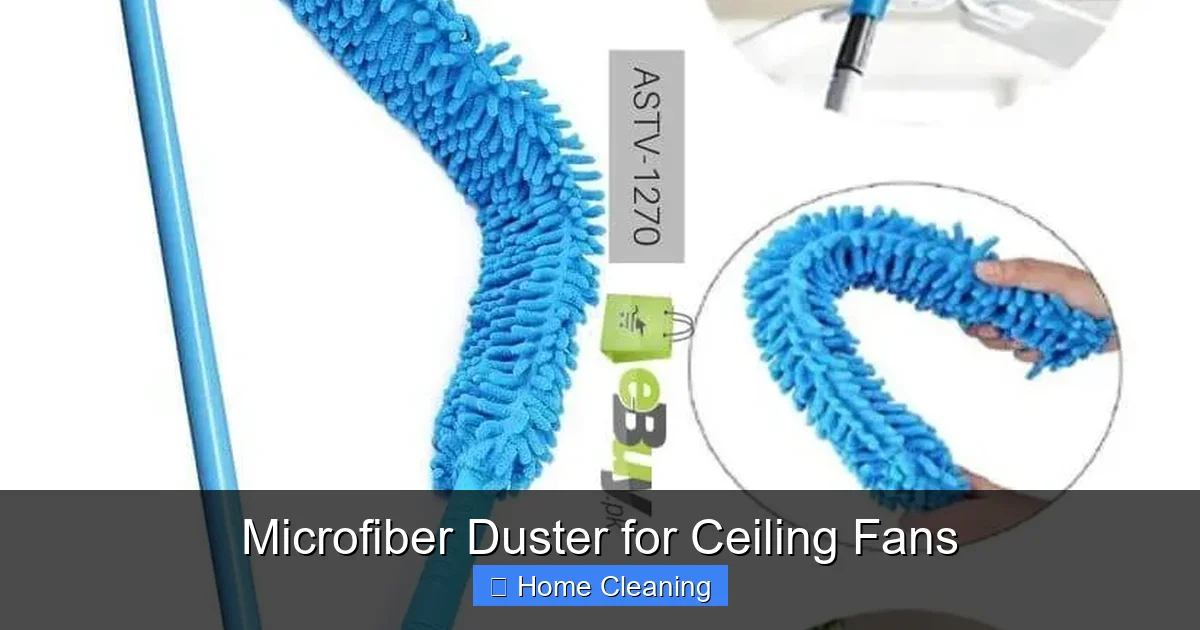
The main reason people use a microfiber duster for ceiling fans is reach. A fixed-length duster won’t cut it for most homes. Look for models with telescoping handles that extend from 3 to 7 feet. This gives you the flexibility to clean fans in rooms of all heights—from low-slung apartments to high-ceilinged living rooms.
2. Adjustable Head Angle
Some dusters come with a pivoting or swiveling microfiber head. This lets you angle the duster to clean the top, bottom, and sides of fan blades without adjusting your grip. It’s especially helpful for fans with blades that stick out at odd angles.
3. Durable Microfiber Material
Not all microfiber is the same. High-quality microfiber should be thick, dense, and tightly woven. It should hold onto dust even when you’re reaching overhead. Cheaper versions may shed fibers or lose effectiveness after a few uses.
4. Ergonomic Grip
Since you’ll be holding the duster for several minutes, comfort matters. Look for models with rubberized or non-slip grips. Some even have cushioned handles to reduce hand fatigue.
5. Easy to Clean or Replaceable Heads
Once your microfiber duster starts collecting too much dust, it becomes less effective. The best models allow you to remove and wash the microfiber sleeve in the machine or replace it entirely. This keeps your duster performing at its best.
Top Microfiber Duster Models for Ceiling Fans (2024)
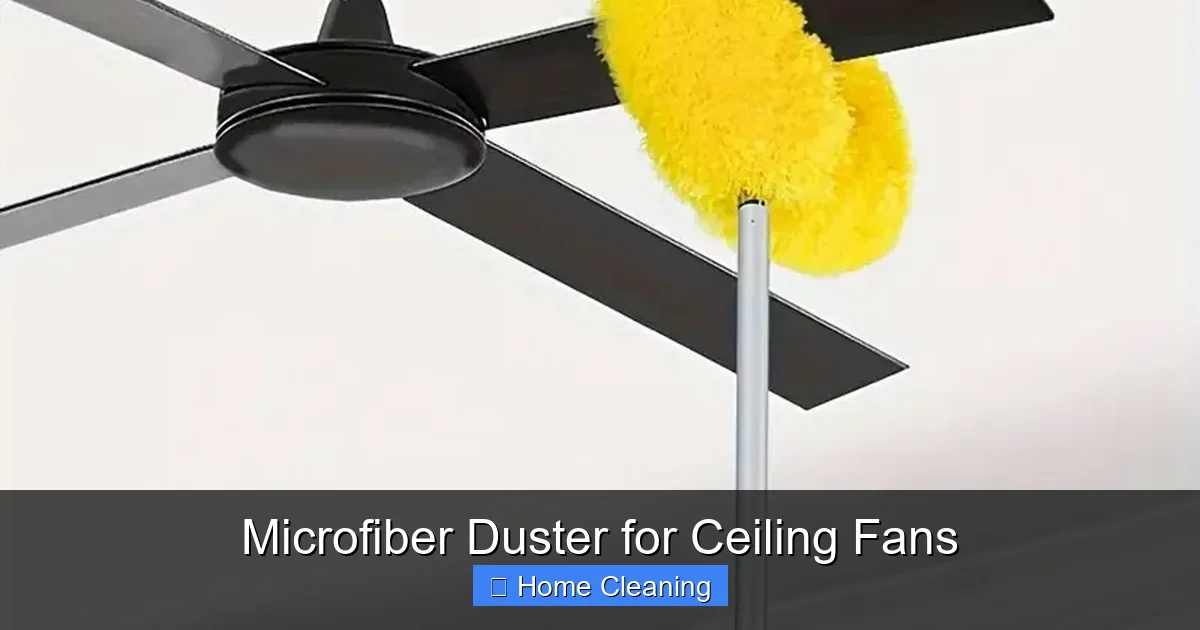
Visual guide about Microfiber Duster for Ceiling Fans
Image source: img.kwcdn.com
Let’s look at five standout microfiber dusters that are highly rated for cleaning ceiling fans.
1. OXO Good Grips Microfiber Duster
This duster features a telescoping handle that extends from 30 to 58 inches. The microfiber head is soft yet firm, designed to trap dust without scratching. It’s lightweight, easy to maneuver, and comes with a replaceable microfiber sleeve. Users love its balance and comfort, especially during extended cleaning sessions.
2. Swiffer Extendable Duster
A household name, the Swiffer Extendable Duster combines convenience with effectiveness. It uses a microfiber pad that snaps on and off. The telescoping handle reaches up to 42 inches, and the duster is ideal for quick touch-ups. While not as durable as some others, it’s perfect for light-duty cleaning.
3. E-Cloth Microfiber Duster Set
This set includes a telescoping duster with a pivoting head and a separate microfiber cloth for detailed cleaning. The E-Cloth brand is known for high-quality, reusable cleaning products. The duster’s head rotates 360 degrees, making it easy to clean all sides of fan blades. It’s machine washable and eco-friendly.
4. Microfiber Duster with Brush & Extendable Pole
Some models come with dual heads—one microfiber and one soft brush. This combo is great for fans with both dust and sticky residue. The extendable pole reaches up to 6 feet, and the brush is perfect for loosening stubborn grime before the microfiber picks it up.
5. Home-It Microfiber Duster
Affordable and effective, the Home-It duster offers a 52-inch telescoping handle and a pivoting head. It’s lightweight, easy to store, and comes with a washable microfiber sleeve. It’s a budget-friendly option that doesn’t sacrifice performance.
Step-by-Step Guide: How to Use a Microfiber Duster for Ceiling Fans
Using a microfiber duster for ceiling fans is simple—but doing it right makes all the difference. Follow these steps for a thorough, safe clean.
Step 1: Turn Off the Fan
Safety first! Always turn off the ceiling fan and unplug it (or turn off the circuit breaker) before cleaning. This prevents accidental activation and protects you from electrical hazards.
Step 2: Extend the Duster to the Right Height
Adjust the telescoping handle so the microfiber head reaches the center of the fan blades. Don’t stretch too far—keep the duster stable and secure in your hand.
Step 3: Start at the Center and Work Outward
Begin at the center hub and slowly pull the duster outward along the blade. This pushes dust from the middle toward the edge, where it can be collected. Repeat for each blade.
Step 4: Flip the Duster or Rotate the Head
Most microfiber dusters have two sides—one for dry dusting, one for damp cleaning (if needed). Flip it over or rotate the head to access the back of the blades.
Step 5: Shake or Tap the Duster
Once you’ve cleaned all blades, tap the duster against a trash can or outside to release the collected dust. Avoid shaking it inside—this just sends dust back into the air.
Step 6: Clean the Duster
Wash the microfiber sleeve according to the manufacturer’s instructions—usually in the washing machine on a gentle cycle. Let it air dry before reusing.
Pro Tips for Maximum Effectiveness
Want to get the most out of your microfiber duster for ceiling fans? Try these expert tips.
1. Clean Fans Monthly
Dust builds up fast, especially in dry or pet-heavy homes. Make ceiling fan cleaning a monthly habit to prevent heavy buildup and maintain air quality.
2. Use a Damp Cloth for Grease or Stains
If your fan has sticky spots (common in kitchens), lightly dampen the microfiber head with water or a mild cleaner. Wring it out well to avoid dripping.
3. Clean the Fan Guard Too
Don’t forget the metal or plastic guard around the blades. Use the duster’s tip or a folded microfiber cloth to clean these hard-to-reach areas.
4. Store the Duster Properly
Keep your microfiber duster in a dry place. Avoid folding it tightly, as this can damage the fibers. Hang it or lay it flat to preserve its shape.
5. Replace When Worn
If the microfiber starts to fray or lose its grip, it’s time to replace the sleeve or buy a new duster. A worn duster won’t clean effectively and may scratch surfaces.
Common Mistakes to Avoid
Even with the best microfiber duster for ceiling fans, mistakes can reduce cleaning effectiveness or cause damage.
Mistake 1: Using a Wet Duster Without Wringing
Water can drip onto electrical parts and damage the motor. If you must use moisture, dampen the microfiber lightly and wring it out thoroughly.
Mistake 2: Rushing the Process
Quick passes leave behind dust. Take your time and glide slowly along each blade for a complete clean.
Mistake 3: Ignoring the Fan Motor
The motor housing can collect dust too. Use the tip of the duster to gently clean around the motor—but never spray liquid directly into it.
Mistake 4: Using the Duster on Wet Surfaces
Always dry-clean first, then damp-clean only if necessary. Moisture should never sit on the fan.
Are Microfiber Dusters Safe for All Fan Types?
Yes—but with care. Most microfiber dusters are safe for painted, wood, metal, and plastic fan blades. However, avoid using them on delicate or antique fans unless the manufacturer confirms compatibility.
For fans with glass or crystal blades, use a soft-bristled brush or a microfiber cloth wrapped around your hand. Always test a small area first if you’re unsure.
If your fan has a light kit, be careful not to knock it loose. Turn off the light before cleaning, and use the duster gently around the fixture.
Eco-Friendly Cleaning: Why Reusability Matters
One of the best things about a microfiber duster for ceiling fans is its sustainability. Unlike disposable dusters or paper towels, a good microfiber duster lasts for years. Just wash and reuse it.
This reduces plastic waste and saves money over time. Plus, microfiber doesn’t require harsh chemicals to work—just friction and static charge. When you do need a cleaner, opt for eco-friendly, biodegradable sprays.
By choosing reusable tools, you’re not just cleaning your home—you’re protecting the planet.
Final Thoughts: Why Every Home Needs a Microfiber Duster for Ceiling Fans
Ceiling fans are more than just decor—they’re key to healthy indoor air. But only if they’re clean. A microfiber duster for ceiling fans makes it easy, safe, and effective to keep them dust-free. With the right tool, you can clean high-up surfaces without risk, save time, and improve your home’s air quality.
Whether you choose a budget model or a premium telescoping duster, the key is consistency. Make it part of your cleaning routine, and you’ll notice a difference in both appearance and air quality.
And remember: a clean fan doesn’t just look better—it runs quieter and lasts longer. So next time you look up at that dusty ceiling fan, don’t dread the chore. Grab your microfiber duster, smile, and get to work.
You’ve got this. And your ceiling fan will thank you.
Frequently Asked Questions
How often should I clean my ceiling fan with a microfiber duster?
It’s best to clean your ceiling fan every 1-2 months, especially in dusty or pet-heavy homes. Monthly cleaning prevents heavy buildup and maintains air quality.
Can I use a microfiber duster on a wet ceiling fan?
No—always clean a dry fan first. If you need to dampen the microfiber, wring it out well to avoid dripping water onto electrical parts.
Will a microfiber duster scratch my fan blades?
High-quality microfiber is soft and safe for most surfaces. Avoid rough or abrasive microfiber, and always test on a small area if unsure.
How do I clean the microfiber head after use?
Most microfiber sleeves are machine washable. Wash on a gentle cycle with cold water and air dry. Replace the sleeve if it becomes frayed.
Can I use a microfiber duster for other high-up surfaces?
Yes! Microfiber dusters are great for blinds, ceiling lights, and high shelves. Just adjust the reach and angle as needed.
Is a telescoping handle necessary?
For most homes, yes. A telescoping handle lets you clean ceiling fans safely from the ground without climbing or using unstable ladders.