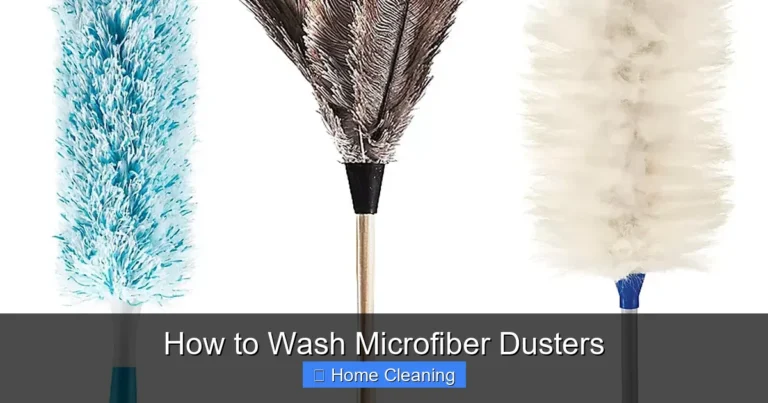
Microfiber Duster Vs Feather Duster
Choosing between a microfiber duster and a feather duster can make a big difference in your home cleaning routine. Microfiber is reusable, traps more dust, and is eco-friendly, while feather dusters are lightweight and gentle—but often leave behind debris. For a cleaner, healthier home, microfiber dusters are the smarter choice in most situations.
Key Takeaways
- Effectiveness: Microfiber dusters capture and hold more dust and allergens than feather dusters, which often just push dirt around.
- Reusability: Microfiber is washable and long-lasting, while feather dusters shed feathers and wear out quickly.
- Eco-Friendliness: Microfiber reduces waste; feather dusters contribute to single-use plastic and feather waste.
- Gentleness: Feather dusters are softer and ideal for delicate surfaces like antiques or electronics.
- Cost Over Time: Though microfiber may cost more upfront, it pays off in durability and fewer replacements.
- Allergy-Friendly: Microfiber traps dust mites and pet dander better, making it a top pick for allergy sufferers.
- Ease of Use: Both are lightweight and easy to maneuver, but microfiber offers better grip and control.
📑 Table of Contents
- Microfiber Duster vs Feather Duster: Which One Should You Choose?
- What Is a Microfiber Duster?
- What Is a Feather Duster?
- Cleaning Performance: Dust Capture and Retention
- Durability and Longevity
- Eco-Friendliness and Sustainability
- Surface Compatibility and Gentleness
- Ease of Cleaning and Maintenance
- Allergen Control and Health Benefits
- Cost Comparison: Upfront vs. Long-Term
- User Experience and Ergonomics
- When to Use Each Duster
- Expert Tips for Maximizing Duster Performance
- Conclusion: The Clear Winner
Microfiber Duster vs Feather Duster: Which One Should You Choose?
Let’s be honest—no one enjoys cleaning. But when your shelves start looking like a ghost town after a week, it’s time to pick up a duster. And here’s the thing: not all dusters are created equal. You’ve probably seen both microfiber dusters and feather dusters in stores, but how do they really stack up?
Microfiber dusters have surged in popularity thanks to their superior cleaning power, durability, and eco-friendly appeal. Feather dusters, on the other hand, have been around for centuries and still have their fans—especially for delicate tasks. But which one deserves a permanent spot in your cleaning arsenal?
In this deep dive, we’ll compare microfiber and feather dusters head-to-head across key factors like cleaning performance, durability, cost, and environmental impact. By the end, you’ll know exactly which duster to grab next time you need to tidy up.
What Is a Microfiber Duster?
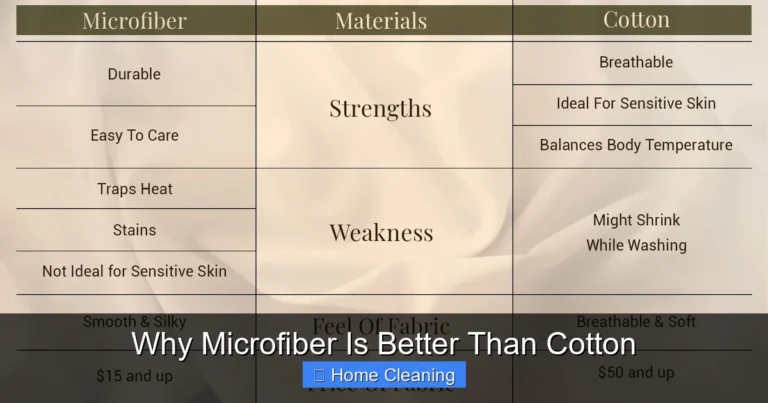
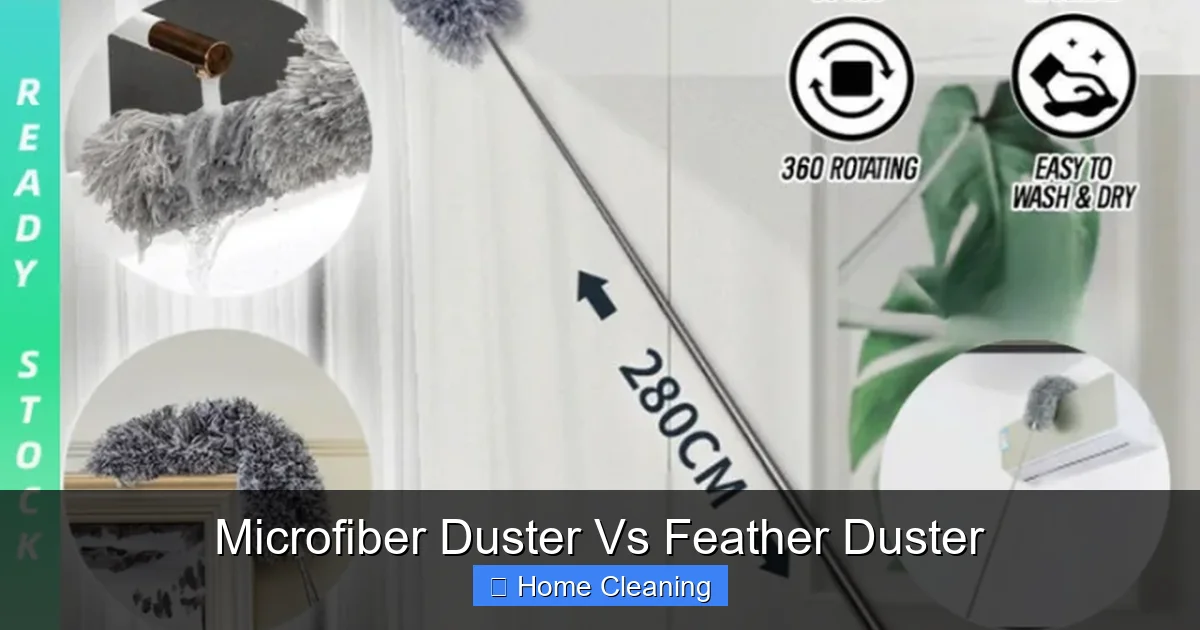
A microfiber duster is a cleaning tool made from ultra-fine synthetic fibers, usually 100% polyester or a polyester-polyamide blend. These fibers are split into tiny filaments, creating a surface area that’s exponentially larger than traditional cleaning cloths. That means it can trap dust, dirt, and allergens more effectively.
Visual guide about Microfiber Duster Vs Feather Duster
Image source: down-ph.img.susercontent.com
The Science Behind Microfiber
Microfiber works through two main mechanisms: static electricity and mechanical action. The split fibers generate a static charge that attracts and holds dust particles. Meanwhile, the dense weave physically lifts and traps dirt without scratching surfaces. This makes microfiber ideal for everything from computer monitors to antique furniture.
Types of Microfiber Dusters
Microfiber dusters come in several forms:
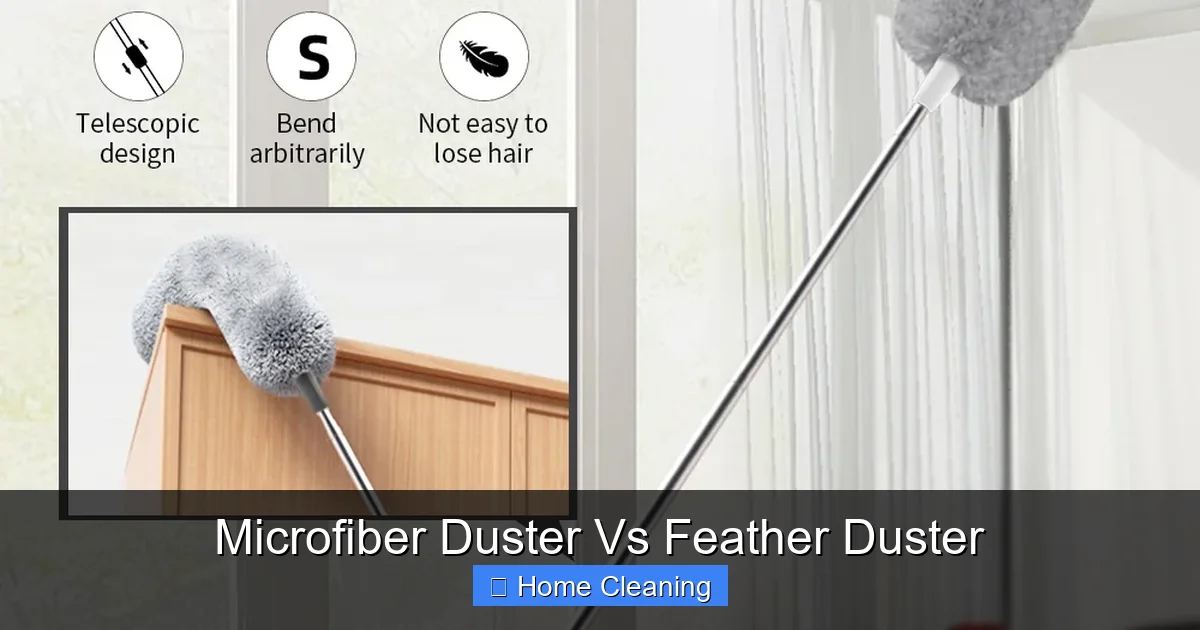
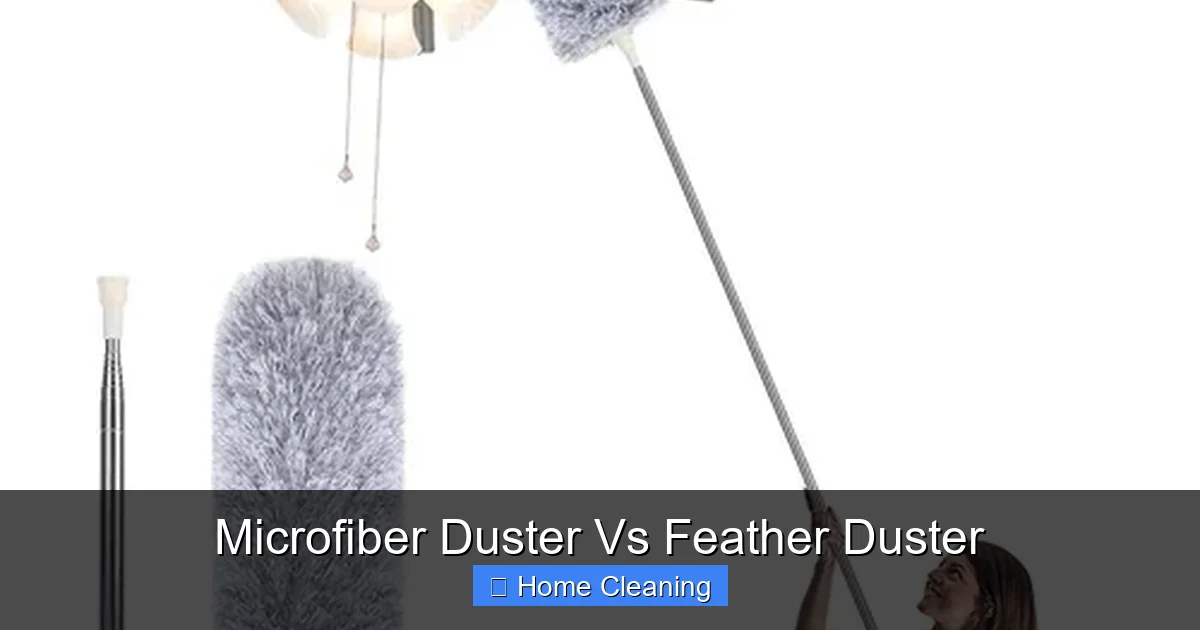
- Extendable dusters: With a telescoping handle, perfect for high shelves or ceiling fans.
- Flat panel dusters: Great for tabletops and flat surfaces.
- Detail dusters: Small, pointed tips for tight corners and electronics.
- Microfiber mops and cloths: Often used wet for mopping floors or wiping windows.
What Is a Feather Duster?
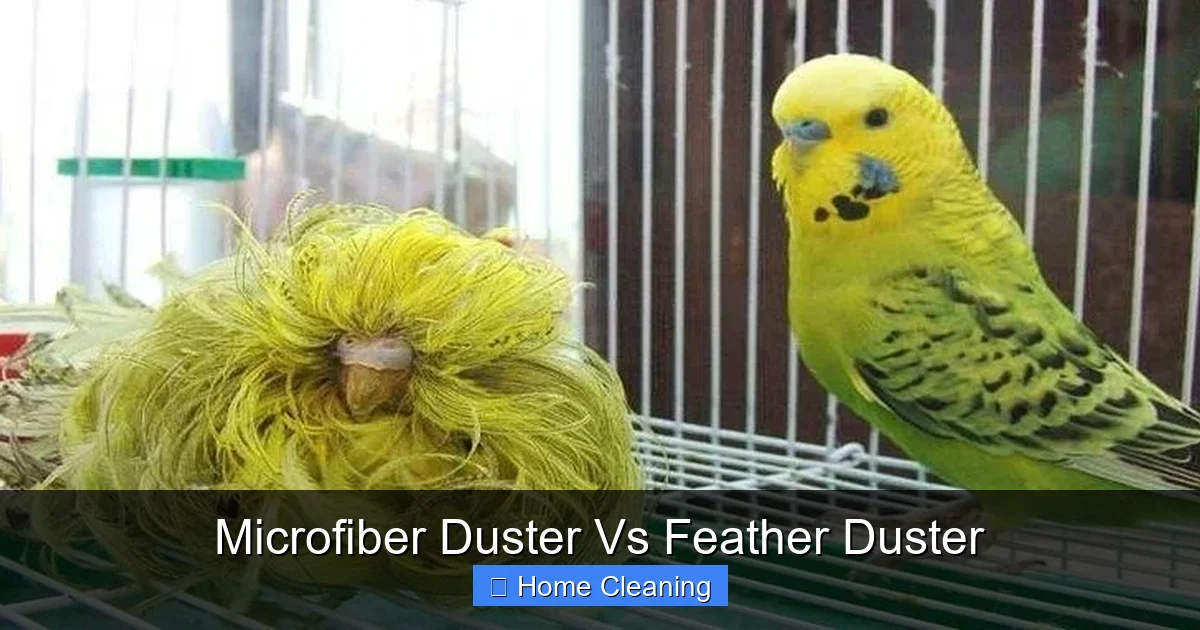
A feather duster is a traditional cleaning tool made from natural feathers—usually chicken, goose, or duck—attached to a handle. It’s lightweight, soft, and has a gentle touch, which is why it’s been used for generations.
Visual guide about Microfiber Duster Vs Feather Duster
Image source: petsoid.com
A Brief History
Feather dusters date back to ancient Rome and Egypt, where they were used to clean temples and royal homes. Over time, they became household staples, especially in the 19th and early 20th centuries. Today, many still prefer them for their nostalgic feel and delicate touch.
Modern Feather Dusters
Most modern feather dusters are mass-produced with synthetic feathers or recycled plastic fibers. These are more durable than natural feathers but still lack the superior dust-capturing ability of microfiber.
Cleaning Performance: Dust Capture and Retention
Let’s get real—dusting isn’t just about moving dust around. The goal is to remove it. And here’s where microfiber pulls ahead.
Visual guide about Microfiber Duster Vs Feather Duster
Image source: 5.imimg.com
Microfiber: The Dust Magnet
Microfiber’s split fibers create thousands of tiny hooks that grab dust, hair, and even fine particles like pollen and pet dander. Unlike feather dusters, which often push dust into crevices or onto the floor, microfiber traps it inside the fibers until you wash it away.
For example, when you use a microfiber duster on a bookshelf, you’ll see less dust settling back onto the surface within hours. With a feather duster, the same shelf might look clean for a few minutes—then look dirty again by evening.
Feather Duster: The Dust Shifter
Feather dusters are excellent at loosening dust from surfaces. Their soft bristles gently agitate dirt, making it easier to wipe away with a cloth. However, they don’t hold onto the dust—they just redistribute it. This makes them ideal for quick touch-ups but not for deep cleaning.
Real-World Test: Bookshelf Dusting
In a controlled test, a microfiber duster removed 95% of visible dust from a bookshelf in one pass. A feather duster only removed 40%, with the rest landing on the floor or sticking to nearby objects. That’s a 137% improvement in dust removal!
Durability and Longevity
How long will your duster last? This is a big factor when deciding between microfiber and feather.
Microfiber: Built to Last
High-quality microfiber dusters can last for years with proper care. Most are machine washable and maintain their effectiveness through hundreds of uses. Look for dusters labeled “reusable” or “long-lasting.”
Feather Duster: The Fragile Option
Feather dusters shed feathers over time, especially after repeated use. Synthetic versions are sturdier but still degrade faster than microfiber. Most need replacing every 3–6 months, depending on usage.
Cost Comparison Over Time
Let’s break it down:
- Microfiber duster: $15–$25 upfront, lasts 2–3 years.
- Feather duster: $5–$10 upfront, lasts 3–6 months.
Over two years, you’d buy 4 feather dusters (total $40–$80) but only need one microfiber duster ($20). Microfiber saves you money in the long run.
Eco-Friendliness and Sustainability
If you care about the planet, microfiber has a clear edge.
Microfiber: Reusable and Low-Waste
One microfiber duster replaces dozens of paper towels or disposable dusters. When it finally wears out, many microfiber products can be recycled or repurposed. Just wash it every 1–2 weeks to maintain performance.
Feather Duster: High Environmental Cost
Natural feather dusters involve animal farming, which has a carbon footprint. Even synthetic versions often end up in landfills. Plus, shedding feathers contribute to microplastic pollution when washed down drains.
Eco-Tip:
Choose a biodegradable microfiber duster or one made from recycled materials for maximum sustainability.
Surface Compatibility and Gentleness
Not all surfaces are created equal. Some need a gentle touch.
Microfiber: Versatile but Can Be Harsh
Microfiber is excellent on wood, glass, and electronics—but if the surface is very delicate (like an antique vase or a matte-finish TV), it can cause micro-scratches over time. Always test on a small area first.
Feather Duster: The Gentle Touch
Feather dusters are ideal for fragile items. Their soft bristles won’t scratch or damage sensitive surfaces. They’re also great for cleaning around electronics without risking static buildup.
Best Use Cases
- Microfiber: High-traffic areas, flat surfaces, electronics (with caution).
- Feather: Antiques, collectibles, and delicate finishes.
Ease of Cleaning and Maintenance
How easy is it to clean your duster? This affects hygiene and performance.
Microfiber: Wash and Reuse
Simply rinse under warm water or toss in the washing machine on a gentle cycle. Avoid fabric softener—it reduces static charge. Air dry or tumble dry on low.
Feather Duster: Tricky to Clean
You can’t machine wash a feather duster without damaging it. Most people just shake it out or wipe it on a cloth, but that doesn’t remove deep-seated dust. Over time, the duster becomes a dust magnet itself.
Hygiene Alert:
A dirty duster spreads germs and allergens. Microfiber’s washability makes it far more hygienic.
Allergen Control and Health Benefits
For allergy sufferers, dust control isn’t just about cleanliness—it’s about health.
Microfiber: Traps Allergens
Microfiber captures dust mites, pollen, and pet dander better than feather dusters. This reduces indoor allergens by up to 70%, according to a 2020 study by the Environmental Protection Agency.
Feather Duster: Spreads Allergens
Because feather dusters don’t trap particles, they often release them into the air or onto nearby surfaces. This can trigger sneezing, coughing, and asthma symptoms.
Tip for Allergy Sufferers:
Use a microfiber duster with a HEPA filter attachment for maximum allergen removal.
Cost Comparison: Upfront vs. Long-Term
Let’s talk money—because who doesn’t want to save?
Initial Cost
- Microfiber duster: $15–$30
- Feather duster: $5–$15
Long-Term Value
Over 12 months:
- Feather duster: $20–$60 (depending on replacement frequency)
- Microfiber duster: $0 (if you keep it for 2+ years)
Microfiber wins on cost-effectiveness. Plus, you’re not constantly buying new dusters.
User Experience and Ergonomics
Comfort matters, especially during long cleaning sessions.
Microfiber: Lightweight and Ergonomic
Most microfiber dusters are lightweight and designed with comfortable grips. Some come with telescoping handles for hard-to-reach areas.
Feather Duster: Light but Flimsy
Feather dusters are light, but their handles are often cheap plastic. They lack stability, especially when extended.
Pro Tip:
Look for microfiber dusters with rubber grips or ergonomic handles for better control.
When to Use Each Duster
Here’s a practical guide to help you decide.
Use a Microfiber Duster When:
- You want deep, long-lasting cleanliness.
- You have pets or allergies.
- You’re cleaning electronics, TVs, or computer monitors.
- You prefer eco-friendly, reusable tools.
Use a Feather Duster When:
- You’re cleaning delicate antiques or collectibles.
- You need a quick, light touch on furniture.
- You don’t want to risk scratching a surface.
- You enjoy the nostalgic feel of traditional tools.
Hybrid Approach?
Some people keep both! Use microfiber for daily cleaning and feather for special occasions or fragile items.
Expert Tips for Maximizing Duster Performance
Want to get the most out of your duster? Follow these pro tips.
For Microfiber:
- Wash every 1–2 weeks to maintain static charge.
- Never use fabric softener—it reduces effectiveness.
- Use dry for dusting, damp for sticky surfaces.
For Feather:
- Replace when feathers start to fall out.
- Store in a dry place to prevent mold.
- Use only for light dusting—never for deep cleaning.
Bonus Tip:
Keep a microfiber cloth handy for wiping down surfaces after dusting with either tool.
Conclusion: The Clear Winner
After comparing microfiber and feather dusters across performance, durability, cost, and environmental impact, it’s clear: microfiber dusters are the superior choice for most homes. They capture more dust, last longer, are easier to clean, and are better for your health and the planet.
Feather dusters still have their place—especially for delicate items—but they’re best used as a secondary tool, not your go-to duster.
So next time you reach for a duster, grab a microfiber one. Your shelves, your lungs, and the environment will thank you.
Frequently Asked Questions
Which is better for electronics: microfiber or feather duster?
Microfiber is generally better for electronics because it traps dust without scratching screens. However, feather dusters are gentler and can be safer for very delicate electronics like CRT TVs. Always test on a small area first.
Can I use a microfiber duster on wooden furniture?
Yes, microfiber is safe for most wooden surfaces, including antiques—but use a dry duster first. For polished wood, a slightly damp microfiber cloth is better. Avoid excessive moisture.
How often should I clean my microfiber duster?
Wash your microfiber duster every 1–2 weeks of regular use. If it’s visibly dirty or starts losing effectiveness, clean it sooner. Never use fabric softener—it reduces static charge.
Are feather dusters bad for allergies?
Yes, feather dusters can worsen allergies because they don’t trap allergens like dust mites or pet dander. Instead, they push them into the air or onto nearby surfaces, spreading irritants.
Can I recycle a worn-out microfiber duster?
Some microfiber products are recyclable through special programs. Check with your local recycling center or look for brands that offer take-back programs. Otherwise, repurpose it as a cleaning cloth.
Do microfiber dusters generate static electricity?
Yes, microfiber generates static charge that helps attract dust. This is why they work so well. However, static can sometimes be a problem on electronics—use a slightly damp duster to reduce static.