Mini Terrarium for Desk
A mini terrarium for your desk is more than just a decoration; it’s a tiny, self-sustaining ecosystem that brings life, calm, and a touch of nature to your workspace. This guide covers everything from choosing the right plants and container to easy setup and simple maintenance, helping you create your own serene desktop oasis.
Have you ever looked at your desk and wished for a little more… life? A splash of green to break up the monotony of screens, papers, and pens? Enter the mini terrarium for your desk. It’s not just a plant in a jar; it’s a miniature, living world you can curate and care for. It’s the perfect antidote to a sterile office or a dull home workspace. In this complete guide, we’ll explore everything you need to know to select, build, and maintain your own tiny piece of paradise, transforming your desk from a place of work to a place of wonder.
The concept is beautifully simple: a sealed or partially sealed glass container housing small plants, soil, and decorative elements. The transparency allows for a 360-degree view of a tiny landscape. But within that simple jar, a delicate balance occurs. Moisture from the soil evaporates, condenses on the cool glass, and then drips back down, mimicking a rainforest water cycle. This means less work for you—a properly set-up terrarium can thrive with minimal intervention, making it ideal for busy people, beginners, or anyone who loves plants but struggles to keep them alive. It’s a lesson in ecosystems, a calming hobby, and a stunning desk accessory all rolled into one.
Key Takeaways
- Stress Reduction: The presence of greenery in a mini terrarium can significantly lower cortisol levels and improve mood, making your desk a more calming place.
- Low-Maintenance Design: Properly sealed terrariums create their own miniature water cycle, requiring watering only every few weeks or even months.
- Plant Selection is Key: Success depends on choosing humidity-loving, slow-growing plants like mosses, ferns, and succulents (for open containers).
- Lighting Matters: They need bright, indirect light. Direct sunlight can overheat the glass, while too little light will cause plants to etiolate and die.
- Creative Expression: Terrariums are a canvas for creativity, allowing you to design landscapes with stones, figurines, and varied plant textures.
- Air Quality Boost: While small, they still contribute to filtering airborne toxins and increasing oxygen in your immediate workspace.
- Simple Cleaning: Keep the glass clear with gentle methods; a dry microfiber duster for electronics is perfect for reaching into corners without scratching.
📑 Table of Contents
The Compelling Benefits of a Mini Desk Terrarium
Before we dive into the “how,” let’s talk about the “why.” Why should you dedicate a small spot on your desk to this living decoration? The benefits extend far beyond aesthetics, tapping into our innate biophilia—our love for nature.
A Natural Mood and Focus Booster
Numerous studies have shown that interacting with plants, even just looking at them, can reduce stress, lower blood pressure, and improve concentration. In a high-pressure work environment, a glance at your thriving mini-ecosystem can provide a crucial mental reset. It’s a tiny, silent reminder of growth and resilience. The act of tending to it—a light mist, a gentle prune—can be a mindful, meditative break that clears your head for the next task. This is a much healthier focus aid than constantly checking your phone.
Unmatched Aesthetic Flexibility
A mini terrarium is a piece of living art. Unlike a potted plant, it’s a contained scene. You can design a mystical moss forest, a arid succulent desert, or a whimsical fairy garden. The glass acts as a frame, and you are the artist. This allows it to match any decor style—modern, rustic, bohemian, or minimalist. It becomes a conversation starter and a unique reflection of your personality on your desk.
Surprisingly Low Maintenance
This is the big one. Once established, a closed terrarium can go for a month or more without water. You’re not dealing with messy soil spills on your keyboard. There’s no fertilizing schedule. The main tasks are observation—checking for excess condensation (which means too much water) or dry soil (which means it’s time for a light mist)—and occasional pruning to keep plants from outgrowing their glass home. It’s the perfect plant for frequent travelers or those who claim to have a “black thumb.”
Improved Air Quality (On a Micro Scale)
While a single mini terrarium won’t replace an air purifier, plants naturally absorb carbon dioxide and release oxygen through photosynthesis. They can also help filter volatile organic compounds (VOCs) like formaldehyde and benzene, which can off-gas from office furniture and electronics. In your immediate breathing zone, that small boost in fresh oxygen and toxin absorption is a tangible benefit.
Choosing Your Perfect Mini Terrarium for Desk
Not all terrariums are created equal. The right choice depends on your commitment level, desk space, and aesthetic preference. Here’s what to consider.
Visual guide about Mini Terrarium for Desk
Image source: planetnatural.com
Open vs. Closed: The Great Divide
This is the most fundamental choice.
- Closed Terrariums: These have a lid or are fully sealed. They create a high-humidity environment, perfect for tropical plants like ferns, mosses (sheet moss, mood moss), and tropical ground covers (Pilea, Fittonia). They require less frequent watering but more attention to mold and rot if overwatered. They look like little greenhouses.
- Open/Air Terrariums: These are open-top containers. They have lower humidity and better airflow, making them suitable for plants that dislike wet feet, like succulents (Haworthia, Echeveria), cacti, and air plants (Tillandsia). They need more frequent, light watering and prefer brighter light. They look like tiny, sculptural gardens.
For a true “set it and forget it” experience, a well-balanced closed terrarium is often the winner for beginners.
Size, Shape, and Material
Your desk space dictates the size. A classic choice is a rounded jar (like a large mason jar or a purpose-made globular terrarium) of 4-8 inches in diameter. This size offers enough room for a few plant varieties but remains a subtle accessory. For a more dramatic look, a geometric glass cloche or a long, narrow “ship’s bottle” style can be striking. Ensure the glass is clear to maximize light transmission and visibility. Thick, sturdy glass is preferable to thin, which can crack with temperature changes.
Essential Starter Kits vs. DIY
You can buy all-in-one terrarium kits that include the glass, substrate, plants, and decorations. These are fantastic for beginners as they take the guesswork out of layering. Alternatively, sourcing your own components allows for total customization. A good kit, however, will have a proper drainage layer (activated charcoal, gravel) and suitable soil mix. Avoid kits that just put a plant in a jar with regular potting soil—this is a recipe for root rot.
Lighting Requirements: The No-Sun Rule
This is critical. Never place a closed terrarium in direct sunlight. The glass acts like a magnifying glass and will cook the plants inside in minutes. The ideal spot is near a bright window but with filtered light (behind a sheer curtain) or in a location with consistent, bright indirect light. If your desk is in a darker corner, you’ll need a small, cool LED desk lamp positioned a foot or two away for a few hours a day. Speaking of lighting, if you use an LED lamp, it’s worth considering the potential impact of blue light wavelengths. For peace of mind, you might read up on are smart bulbs bad for you to choose a bulb type that’s comfortable for your eyes over long periods, though standard LED desk lamps are generally safe for short terrarium illumination sessions.
Step-by-Step: Building Your Miniature Ecosystem
Building your terrarium is the fun part. Think of it as gardening in a dollhouse. Follow these layers for a healthy, long-lasting foundation.
Visual guide about Mini Terrarium for Desk
Image source: images.pexels.com
The Crucial Drainage & Filtration Layer
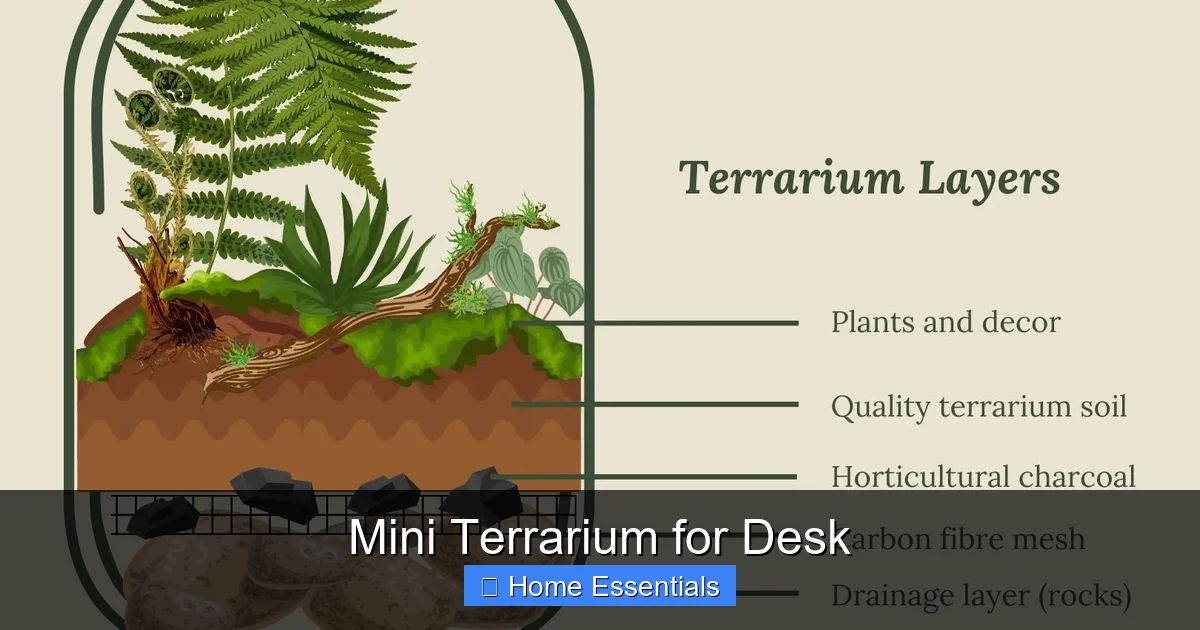
This is non-negotiable for closed terrariums. At the bottom of your clean, dry glass container, add a 1-2 inch layer of small pebbles or aquarium gravel. This creates a reservoir for excess water, preventing the plant roots from sitting in soggy soil. On top of the gravel, add a thin (¼ inch) layer of activated charcoal. You can buy this at pet stores or aquarium shops. The charcoal acts as a natural filter, absorbing impurities and odors from the water and soil, keeping the environment fresh.
The Perfect Soil Substrate
Next, add a 2-3 inch layer of terrarium-specific soil or a mix you create. A good recipe is 2 parts coco coir or peat moss (for moisture retention), 1 part perlite or pumice (for aeration and drainage), and 1 part standard potting soil. Avoid heavy garden soil, which compacts and contains pests. The soil layer should be deep enough for plant roots but leave ample headspace for your greenery to grow.
Planting and Landscaping
Now for the creative part! Before placing plants, sketch a rough plan. Place taller plants (like a small fern) towards the back or center, and low, spreading plants (like moss or baby’s tears) towards the front. Gently remove plants from their nursery pots, loosen the roots slightly, and dig a small hole in the soil. Pat the soil around them to secure. Don’t overcrowd—plants will grow. Now, add your hardscape: interesting stones, a small piece of driftwood, or a miniature figurine. A layer of decorative sand or small gravel on the soil surface can help retain moisture and add visual texture.
The First Watering: Less is More
After planting, you need to moisten the soil, not flood it. Use a spray bottle (a mister) to lightly mist the entire soil surface until it’s damp to the touch but not pooling. For closed terrariums, you can also pour a tablespoon of water directly onto the soil near the plants if needed. The goal is to kickstart the water cycle. Once you see consistent condensation on the glass (a few droplets is fine; a heavy fog means too much water), you know it’s working. Seal the lid if you have one.
Simple Maintenance for Long-Term Success
The beauty of a mini terrarium is its independence, but it’s not a “forget it forever” project. A few minutes of care every few weeks will keep it thriving.
Visual guide about Mini Terrarium for Desk
Image source: i.pinimg.com
The Art of Watering (or Not Watering)
This is the #1 cause of terrarium death: overwatering. The rule of thumb? Do not water on a schedule. Observe. Check the soil moisture with your finger. If it’s dry an inch down, it’s time for a light misting. If the soil is still moist, wait. In a closed terrarium, if you see heavy condensation covering most of the glass all the time, open the lid for a day or two to let some excess moisture evaporate. A slightly drier environment is safer than a soggy one. Remember, the cycle will re-humidify the space.
Pruning and Grooming
Plants will grow. When a leaf or stem starts to push against the glass or look unruly, trim it back with small, clean scissors. This maintains the shape and prevents one plant from shading out others. Remove any yellowing or dead leaves immediately to prevent mold. This regular grooming is part of the therapeutic process—it’s like giving your tiny garden a haircut.
Cleaning the Glass: Clarity is Key
Over time, the inside of the glass may get a faint film from minerals in the water or dust. For the best view of your creation, keep it clean. Never use chemical glass cleaners inside the terrarium—the fumes can harm your plants. For mineral deposits, gently wipe with a cloth dampened with a 50/50 white vinegar and water solution, being careful not to disturb the soil. For general dusting, a dry, soft microfiber duster for blinds or a microfiber cloth is ideal. Its fine fibers grab dust without scratching the glass, and the flexible head can reach into corners. For tight spots around small decorations, a cotton swab works well. The goal is to maintain a crystal-clear view without harming the delicate ecosystem.
Managing Pests and Mold
Sometimes, a tiny gnat or a speck of white mold might appear. Usually, this indicates excess moisture. If you see mold, remove the affected area with a clean spoon or tweezers and increase ventilation by opening the lid for a few days. For fungus gnats, let the soil dry out more between waterings. Sticky traps placed near (not inside) the terrarium can catch adult flies. In a well-balanced closed system, pest issues are rare.
Creative Themes and Ideas for Your Desktop
Why stop at a generic green jar? Your mini terrarium can tell a story.
The Classic Moss Forest
This is the quintessential closed terrarium. Use a variety of mosses—sheet moss for a “lawn,” mood moss for fluffy hills, and cushion moss for texture. Add a few tiny ferns like the Maidenhair or Button Fern for height. A small, smooth river stone or a piece of bark becomes a “boulder.” The effect is serene, ancient, and deeply calming.
The Desert Succulent Scene
For an open container, create a arid landscape. Use a sandy, gritty soil mix. Plant a cluster of small Haworthias or Echeverias. Add decorative sand in waves or patterns (this is called “sand art” in terrariums). Incorporate a few smooth, colored stones or a tiny, weathered animal figurine. This design is sculptural, modern, and requires even less water than a closed terrarium.
The Air Plant (Tillandsia) Display
Air plants are the ultimate low-maintenance option. They get all their nutrients and water from the air. In an open terrarium or on a decorative piece of driftwood or crystal, they can be arranged in an artistic cluster. They need weekly misting or a 1-2 hour soak in water and bright, indirect light. Their unique, spiky forms add an architectural, almost alien element to your desk.
A “Themed” Miniature World
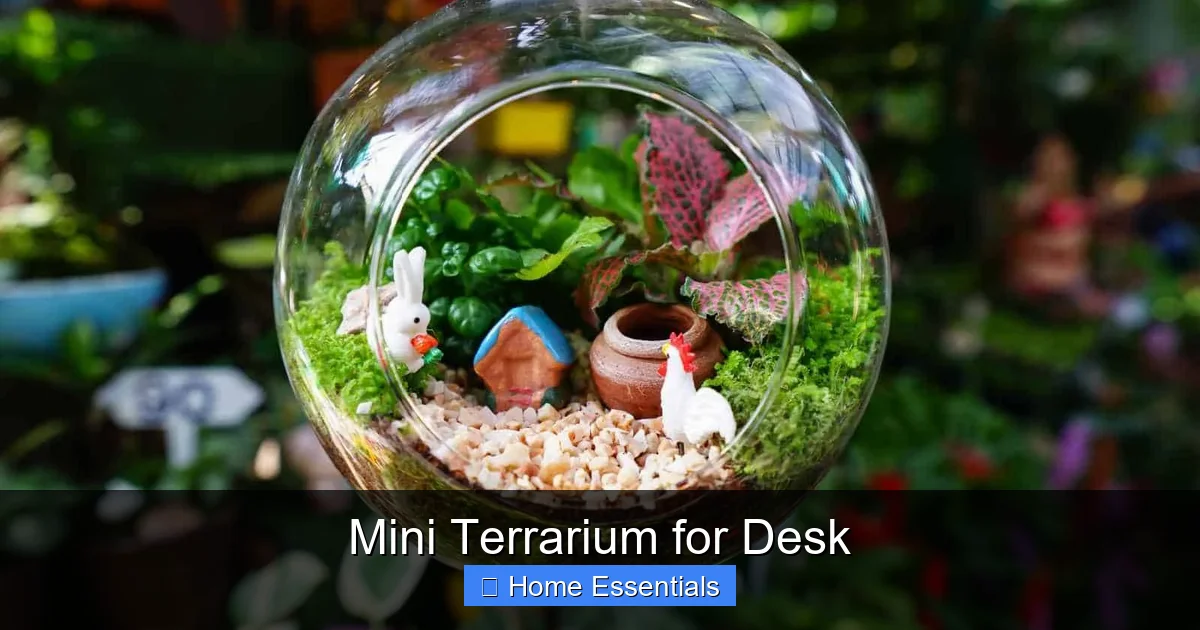
This is where personality shines. Create a tiny “beach” with sand, a blue glass “water” piece, and a miniature palm tree. Build a “fairy garden” with a miniature door, tiny furniture, and delicate plants. A “Star Wars” or “Harry Potter” scene with relevant figurines nestled among the plants can be a fantastic personal touch. The only limit is your imagination and the scale of your container.
Conclusion: Your Personal Pocket of Peace
A mini terrarium for your desk is a simple yet profound upgrade to your daily environment. It’s a manageable project that offers ongoing rewards—a little project to nurture, a beautiful object to admire, and a constant, quiet connection to the natural world. By choosing the right plants, layering correctly, and following a few simple maintenance rules, you can create a thriving miniature ecosystem that will bring you joy for years to come. It’s more than decor; it’s a daily reminder to pause, breathe, and appreciate the slow, steady beauty of growth right before your eyes. So clear a spot on your desk, gather your materials, and start building your pocket of peace today.
Frequently Asked Questions
How often do I really need to water my mini terrarium?
It depends on the type. A closed terrarium may only need watering every 3-4 weeks, or even longer. An open succulent terrarium might need a light watering every 2-3 weeks. Always check the soil moisture first—water only when the top inch feels dry. The key is to mimic a damp sponge, not a swamp.
Can I put any plant in a terrarium?
No. Success depends on matching plants to the environment. Closed terrariums need high-humidity lovers like mosses, ferns, and Fittonias. Open terrariums are for plants that prefer dry conditions, like succulents, cacti, and air plants. Avoid fast-growing or large plants that will quickly outgrow the space.
My terrarium glass is fogging up constantly. Is that bad?
Heavy, persistent fogging usually means there’s too much moisture. Remove the lid for a day or two to allow some evaporation. If the soil feels very wet, you may have overwatered. Absorb some excess water with a paper towel placed on the soil surface. Once the cycle balances, you’ll see light condensation in the morning that clears by afternoon, which is ideal.
Can I keep a mini terrarium in a room with no windows?
Not ideally. All plants need light for photosynthesis. In a windowless room, you must use an artificial light source. A cool LED desk lamp placed 12-18 inches away for 6-8 hours a day can work. Avoid hot incandescent bulbs, which can overheat the glass. You might also consider a low-light tolerant plant like a Pothos cutting, but growth will be very slow.
My cat knocked over my terrarium! Is it salvageable?
Probably! First, carefully check for broken glass. If the container is intact, gently clean any soil from the plants and roots. Rebuild the layers in the container or a new one. Trim any broken roots with clean scissors. Replant, water lightly, and give it a week to recover in bright, indirect light. The plants may look shocked but will often rebound.
How do I prevent mold from growing in my terrarium?
Mold thrives on excess moisture and poor air circulation. Prevent it by not overwatering, ensuring you have a proper drainage layer, and using a breathable soil mix. If you see a small patch, remove it immediately with a spoon. Increase ventilation by leaving the lid off for a day. A tiny bit of white, fuzzy growth on a decaying leaf is normal; widespread mold is a sign of imbalance.