Plants for Computer Desk
Bringing nature onto your computer desk is a simple, powerful way to enhance your workspace. The right plants can purify the air, reduce stress, and boost your productivity without demanding constant attention. This guide cuts through the noise to recommend truly low-maintenance, low-light tolerant plants perfect for desk environments. You’ll learn exactly how to care for them, where to place them, and what to avoid, turning your desk into a serene, healthy, and inspiring command center.
You stare at your screen for hours. The hum of the computer, the artificial light, the stack of papers—it’s a functional space, but is it a *nourishing* one? What if I told you the single most impactful upgrade to your productivity, air quality, and mental well-being could fit in a pot beside your monitor? I’m not talking about a complicated gardening project. I’m talking about the quiet, steadfast power of the right plant. Welcome to the world of plants for computer desk—where science meets serenity, and your workspace transforms from a cubicle to a sanctuary.
This isn’t about becoming a plant expert overnight. It’s about making one smart choice that pays dividends every single day. A living, breathing thing on your desk changes the energy of the room. It’s a tiny act of rebellion against sterile, soul-crushing interiors. But here’s the catch: not all plants are created equal for this specific job. A thirsty fern or a sun-worshipping citrus tree will quickly become a depressing brown memory. So, let’s ditch the guesswork. We’re going to find your perfect desk companion, understand its simple needs, and set you both up for long-term success. Get ready to green your grind.
Key Takeaways
- Air Purification is Key: Many desk-sized plants, like the Snake Plant and Peace Lily, are proven by NASA studies to remove common volatile organic compounds (VOCs) from indoor air, creating a healthier breathing space right at your workstation.
- Low Light is a Must: Your desk likely doesn’t get full sun. Prioritize plants adapted to low to medium indirect light, such as the ZZ Plant, Pothos, or Cast Iron Plant, to ensure they survive and thrive.
- Low-Maintenance Means Success: Forgetting to water is often better than overwatering. Choose plants that are drought-tolerant and prefer to dry out between waterings, like succulents or Snake Plants, to match a busy schedule.
- Size and Scale Matter: Select plants that won’t quickly outgrow your desk space. Consider trailing varieties like Philodendron or Spider Plants that can be hung or placed on a shelf above the desk to save surface area.
- Proximity to Electronics: Avoid plants with high moisture requirements or those that shed excessively near sensitive equipment. Ensure pots have drainage to prevent water damage to your desk or cables.
- Mental Health Boost: The presence of greenery has been shown to lower cortisol levels, reduce anxiety, and improve concentration, making your desk a more pleasant and productive place to be.
- Easy Care is Non-Negotiable: Success hinges on matching the plant to your specific desk environment—light, humidity, and your personal tendency to remember (or forget) watering. There is a perfect, easy-care plant for every type of desk owner.
📑 Table of Contents
- Why Your Computer Desk Craves a Plant: More Than Just Decor
- The All-Star Roster: Best Plants for Computer Desk Success
- Mastering the Basics: Care That Doesn’t Take Over Your Life
- Placement & Aesthetics: Integrating Your Plant Seamlessly
- Common Desk Plant Pitfalls (And How to Dodge Them)
- Beyond the Basics: Leveling Up Your Desk Jungle
- Conclusion: Your Desk, Reimagined
Why Your Computer Desk Craves a Plant: More Than Just Decor
Let’s be clear: a plant on your desk is not just a trendy aesthetic choice (though it does look amazing). It’s a functional tool for a better work experience. The benefits are backed by a surprising amount of research, and they directly combat the downsides of a typical office or home office setup.
The Science of Clean Air at Your Fingertips
That “new electronics” smell? It’s off-gassing volatile organic compounds (VOCs) like formaldehyde and benzene. Furniture, paint, and even your printer contribute. Poor indoor air quality can lead to headaches, fatigue, and irritated eyes—the exact opposite of what you need when you’re deep in a project. This is where your plants for computer desk become miniature air scrubbers. The famous NASA Clean Air Study demonstrated that certain plants are exceptionally good at filtering these toxins. Through their leaves and root systems, they metabolize pollutants into harmless compounds. Having one on your desk means you’re breathing cleaner air in the immediate vicinity of your face for 8+ hours a day. It’s a passive, beautiful health filter.
The Psychology of a Single Sprig of Green
Biophilic design—the practice of connecting people with nature in built environments—isn’t a fad; it’s a fundamental human need. A study from the University of Exeter found that enriching a workspace with plants could increase productivity by up to 15%. Why? Plants reduce stress. The color green is restful to the eye and calming to the mind. When you glance up from a complex spreadsheet or a tricky line of code and see a thriving leaf, it provides a micro-moment of mental rest. This tiny break can prevent decision fatigue and restore focus. In a space dominated by hard lines and blue light, a soft, organic shape is profoundly grounding. It’s a living reminder to breathe, to pause, and to reconnect with something slower and more resilient than your inbox.
A Lesson in Patience and Care
In a world of instant gratification, caring for a living thing is a practice in delayed rewards and mindful attention. Watering your desk plant on schedule, wiping its leaves, and watching a new unfurl is a small, tangible ritual. It breaks the monotony of screen-based tasks and gives you a tiny sense of nurture and accomplishment. This simple act of care can be a powerful antidote to the feeling of being a cog in a machine. You’re not just managing tasks; you’re sustaining life. That shift in perspective is quietly revolutionary.
The All-Star Roster: Best Plants for Computer Desk Success
Okay, enough with the “why.” Let’s get to the “what.” Here are the champions of the desk world. These plants have earned their spot through a combination of resilience, appropriate size, and air-purifying prowess. They are the ones that will look good for years with minimal fuss.
Visual guide about Plants for Computer Desk
Image source: thespruce.com
The Un-killable Hero: Snake Plant (Sansevieria trifasciata)
If you have a black thumb, meet your new best friend. The Snake Plant, also humorously called Mother-in-Law’s Tongue, is the definition of low-maintenance. It thrives on neglect. Its tall, architectural, sword-like leaves shoot straight up, making it perfect for tight corners behind your monitor. It tolerates low light brilliantly and can go for weeks without water. In fact, overwatering is its #1 enemy. As an air purifier, it’s a superstar, working overtime at night to release oxygen and filter toxins. It’s the ultimate set-it-and-forget-it plant for computer desk. Varieties like ‘Laurentii’ (with yellow edges) or the more compact ‘Hahnii’ are excellent desk-sized choices.
The Trailblazer: Pothos (Epipremnum aureum)
You’ve seen this one everywhere. For good reason. The Pothos is a vining plant with beautiful heart-shaped leaves, often variegated with yellow, white, or green. It’s incredibly adaptable, thriving in low to medium indirect light. Its trailing habit is a design asset—you can let it cascade off the side of your desk, train it onto a small trellis, or keep it neatly trimmed. It’s a powerful air purifier and a rapid growger, which is satisfying. Water when the top inch of soil is dry. It’s forgiving if you forget. It’s the perfect, lively companion that adds movement and life without demanding anything in return.
The ZZ Plant (Zamioculcas zamiifolia): Shiny, Stoic, and Perfect
Look at those glossy, dark green, oval leaves on graceful stems. The ZZ Plant looks like it costs a fortune at a fancy boutique, but it’s surprisingly affordable and tough. It’s a native of arid Africa, so it stores water in its potato-like rhizomes underground. This means it can withstand serious drought. Like the Snake Plant, it thrives in low light and hates wet feet. Its slow, steady growth means you won’t be repotting it every year. It’s the silent, elegant guardian of your desk, adding a touch of modern sophistication while quietly cleaning the air. It’s the plant you buy when you want to look like a plant whisperer without actually having to whisper.
The Compact Powerhouse: Spider Plant (Chlorophytum comosum)
Don’t let the name scare you. This cheerful, grassy plant is one of the easiest and most rewarding. It produces long, slender stems with tiny plantlets (the “babies”) at the ends—a fascinating process to watch. It loves moderate indirect light but tolerates less. It’s not a fan of soggy soil, so let it dry out between waterings. Spider Plants are incredibly efficient at removing formaldehyde and xylene from the air. Their arching, fountain-like shape adds softness and a dynamic element to your desk setup. They’re also non-toxic to pets, a crucial consideration if your office has a four-legged colleague.
The Succulent Star: Haworthia or Echeveria
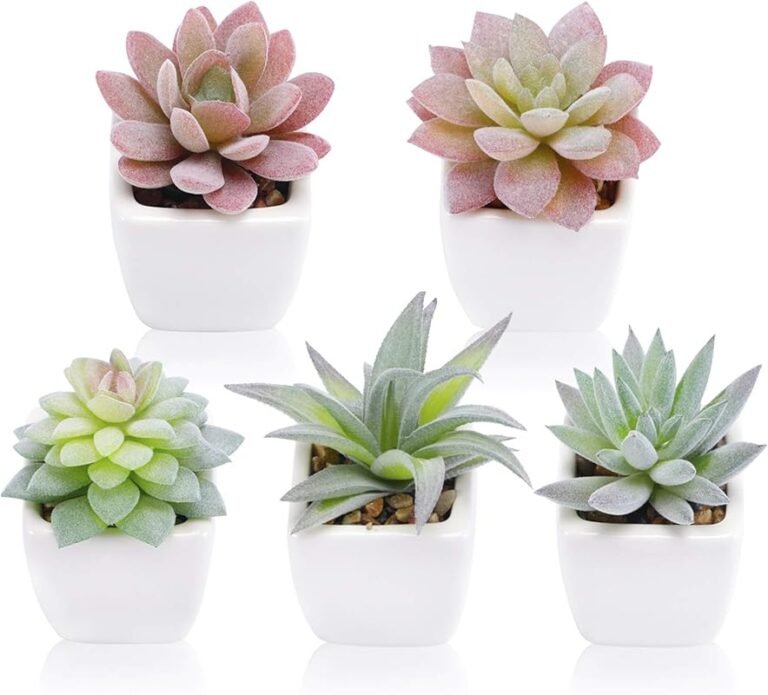
If your desk is bathed in bright, direct light from a south or west window, a small succulent is a stunning choice. Haworthias (like the Zebra Plant) and Echeverias have striking, geometric forms and incredible textures. They are water-retaining masters, needing only a soak every 1-2 weeks once the soil is completely dry. Their small size is perfect for a minimalist desk. They require excellent drainage, so a pot with a hole is non-negotiable. While their air-purifying abilities are less studied than the foliage giants above, their presence is undeniably calming and sculptural. They are the jewelry of the plant world for your workspace.
Mastering the Basics: Care That Doesn’t Take Over Your Life
You’ve chosen your green ally. Now, the “how.” The secret to success with plants for computer desk is understanding three core principles: light, water, and cleanliness. Nail these, and you’re 90% there.
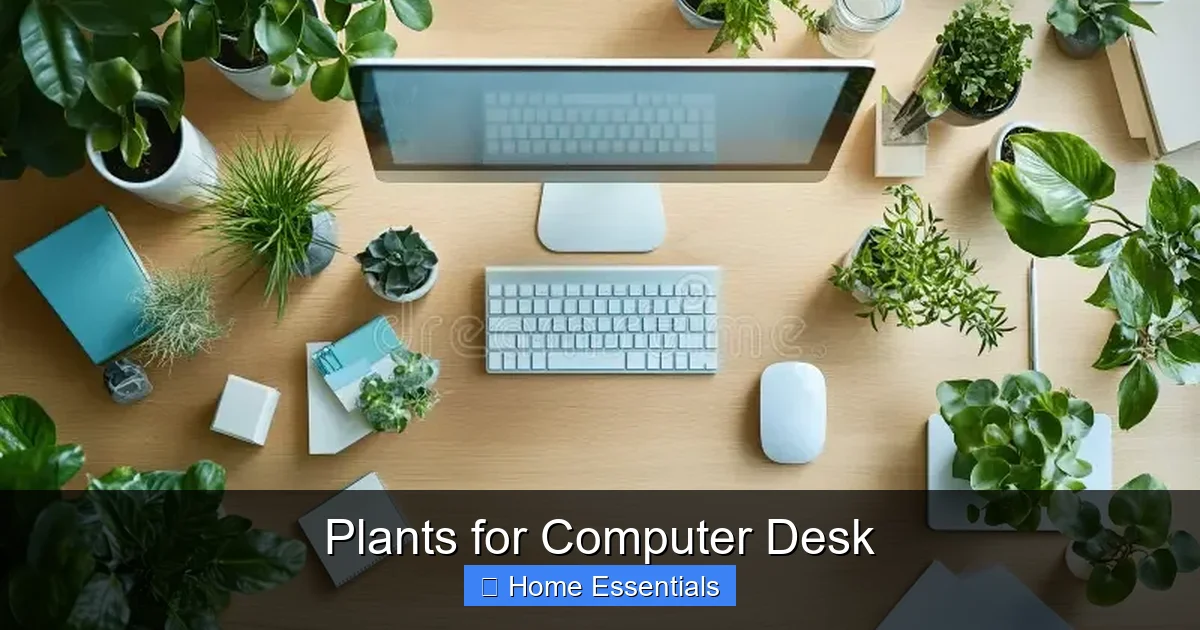
Visual guide about Plants for Computer Desk
Image source: thumbs.dreamstime.com
Light: The Energy Currency
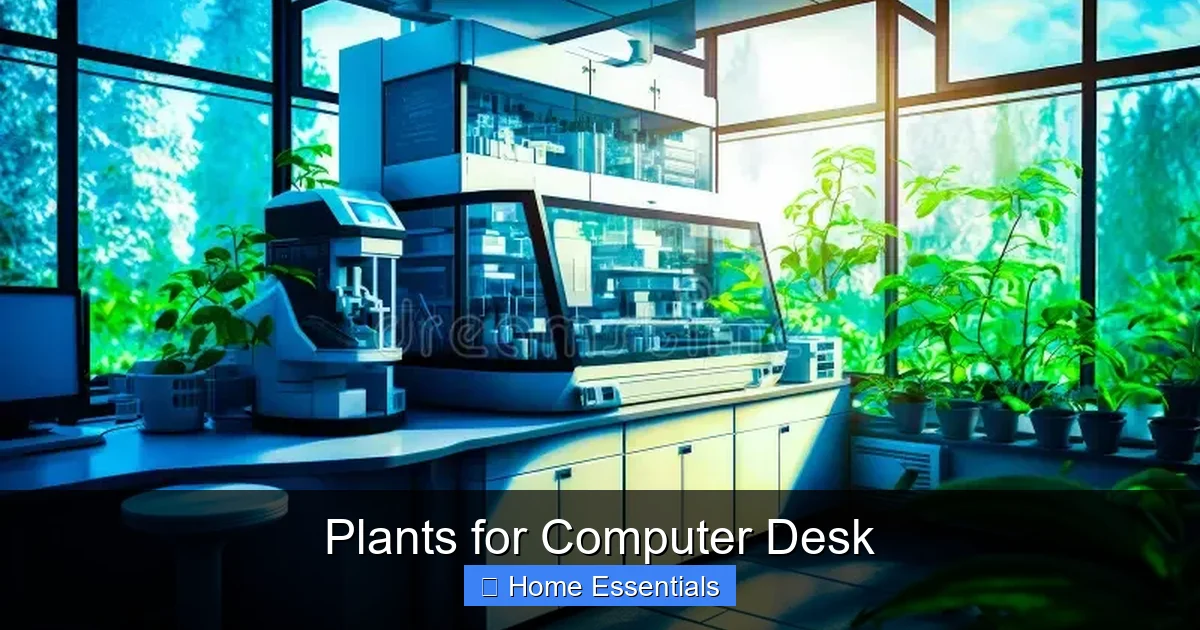
“Low light” is the magic phrase for desk plants. This doesn’t mean “no light.” It means the plant can survive and grow in the absence of direct sunbeams. The light from a north-facing window or the ambient light of a room is usually sufficient. East or west windows with sheer curtains work beautifully. A key test? You should be able to read a book in the spot without turning on a lamp. If your desk is in a dark corner with no windows, you’ll need a small, dedicated grow light, which adds complexity. For true desk success, place your plant where it gets the brightest indirect light you can offer, but not in the direct path of afternoon sun that can scorch leaves through a window.
Water: The #1 Killer (And How to Avoid It)
Overwatering is the silent assassin of desk plants. Your instinct is to water like you’d water a garden. Fight it. The rule is simple: stick your finger in the soil. If the top 1-2 inches are dry, water. If they’re moist, wait. When you do water, do it thoroughly until water runs out the drainage hole, then immediately discard any excess from the saucer or tray. Never let the pot sit in water. For Snake Plants, ZZ Plants, and succulents, you can let the soil dry out completely. For Pothos and Spider Plants, water when the top half is dry. Remember, it’s always better to underwater slightly. A slightly wilted, dry plant can often be revived; a mushy, waterlogged root rot situation is usually a death sentence. Consistency is less important than the “dry down” period.
Cleaning: The Unsung Hero of Plant Health
Dust is the enemy. It settles on leaves, blocking their pores (stomata) and inhibiting their ability to photosynthesize and purify air. A dusty plant is a struggling plant. Once a month, give your desk plant a spa day. Use a soft, damp microfiber cloth to gently wipe each leaf, supporting it from underneath. For smaller plants, you can pop them in the shower for a gentle lukewarm rinse (cover the soil with plastic to prevent erosion). This simple act keeps your plant looking vibrant and maximizes its air-cleaning efficiency. It also gives you a moment to inspect for pests like spider mites (tiny moving dots) or mealybugs (white cottony fluff). Early detection is critical. Keeping your workspace dust-free with a microfiber duster designed for electronics not only protects your gear but also reduces the dust load on your plant’s leaves.
Placement & Aesthetics: Integrating Your Plant Seamlessly
Where you put your plant matters as much as which one you choose. The goal is harmony, not hazard.
Visual guide about Plants for Computer Desk
Image source: thumbs.dreamstime.com
The Golden Rules of Desk Placement
First, stability. Ensure your pot is heavy enough or has a wide base that it won’t be easily knocked over by an errant elbow or a sudden chair movement. Ceramic or concrete pots are great for this. Second, clearance. Leave at least 2-3 inches between the plant and your monitor or laptop to avoid blocking views and to allow for air circulation. Third, cable management. Never place a pot with a drainage hole directly over power strips, cables, or important documents. Use a waterproof saucer or a decorative cachepot (a pot without a hole) with a plastic liner inside. Fourth, consider a plant stand. A small, tall stand can elevate a trailing plant, creating visual interest and saving precious desk real estate.
Styling for Your Vibe
Your plant is part of your desk’s ecosystem. A Snake Plant in a sleek, matte black pot screams “modern minimalist.” A Spider Plant in a woven basket feels “bohemian cozy.” A row of three small Haworthias in geometric concrete pots is “architectural chic.” Match the pot’s material, color, and shape to your desk’s style. Don’t be afraid to group plants! A trio of different-sized plants (e.g., a Snake Plant, a Pothos, and a small succulent) creates a dynamic mini-jungle corner. Just ensure the light needs are similar. Remember, the goal is to create a space that feels like *yours*—a place that inspires you. A well-placed plant is the final brushstroke on that canvas.
Common Desk Plant Pitfalls (And How to Dodge Them)
Even with the best intentions, things can go sideways. Here are the most common mistakes and their fixes.
The “I Love You to Death” Overwaterer
Symptom: Yellowing leaves, mushy stem base, constantly soggy soil. Cure: Stop watering immediately. Repot into fresh, dry soil and a pot with drainage. For Snake Plants and ZZ Plants, cut back watering to once every 3-4 weeks, even in summer. When in doubt, wait. Set a calendar reminder if you’re a habitual waterer.
The “Out of Sight, Out of Mind” Neglector
Symptom: Crispy, brown leaf tips, leaves dropping, soil pulled away from pot edges. Cure: This is a sign of chronic underwatering. Give the plant a good, thorough soak (submerge the pot in a bucket of water for 10 minutes if it’s very dry). Then, establish a more consistent routine based on the finger test. A moisture meter is a cheap, foolproof tool for this person.
The “Wrong Light” Confusion
Symptom: Leggy, stretched-out growth reaching for a window (too little light). Scorched, bleached, or crispy patches on leaves (too much direct sun). Cure: Move the plant. Leggy plants need to be closer to a light source. Scorched plants need to be pulled back from the window or filtered with a sheer curtain. Remember, desk plants want bright, *indirect* light.
Ignoring the Dust
Symptom: Dull, lackluster leaves; seemingly slower growth. Cure: Wipe those leaves! Incorporate it into your weekly desk cleaning routine. A clean leaf is a happy, efficient leaf. A tidy workspace, including your plant’s foliage, contributes to a clearer mind. Consider using a proper microfiber cloth for dusting to gently clean both your desk surface and your plant’s leaves without scratching.
Beyond the Basics: Leveling Up Your Desk Jungle
Once you’ve mastered the core care, you can have a little fun.
Propagation: The Gift That Keeps on Giving
Many of our top picks are incredibly easy to propagate, meaning you can create new plants for free. A Pothos or Philodendron? Snip a stem with a node (the little bump where leaves emerge) and place it in water. Roots will appear in weeks. Snake Plants and ZZ Plants can be divided at the rhizome when you repot. Spider Plants produce those cute plantlets—just snip one off, pop its little roots in water, and pot it up. Propagating your desk plant is immensely satisfying and a great way to share a piece of your workspace with a friend.
Seasonal Adjustments
Your plant’s needs change with the seasons. In winter, growth slows or stops. Reduce watering frequency accordingly. The air is drier, so you might occasionally mist the leaves (though this is less critical than proper watering). Also, windows get colder, so don’t let your plant’s leaves touch freezing glass. In summer, you might water slightly more often, but always check the soil first. The golden rule remains: the plant’s condition, not the calendar, dictates care.
Conclusion: Your Desk, Reimagined
Integrating a plant for computer desk is one of the simplest, most rewarding upgrades you can make to your daily life. It’s a small investment with a massive return: cleaner air to breathe, a calmer mind to think with, and a touch of living beauty in an otherwise static environment. You don’t need a greenhouse. You just need one resilient, well-chosen companion.
Start with a Snake Plant if you’re a beginner, a Pothos if you want something with a bit of personality, or a ZZ Plant for sleek elegance. Give it a pot with drainage, place it in your brightest indirect light, and water only when the soil is dry. Then, step back. Watch it grow. Let it remind you that growth—like good work—happens quietly, steadily, and beautifully with just a little bit of mindful care. Your most productive, healthiest workspace is waiting. It’s time to put down roots.
Frequently Asked Questions
What is the absolute easiest plant for a low-light desk?
The Snake Plant (Sansevieria) is widely considered the most foolproof. It thrives on neglect, tolerates very low light, and only needs water every few weeks. It’s nearly impossible to kill through under-watering.
How often should I really water my desk plant?
Forget a weekly schedule. Always check the soil first. For most low-light desk plants like Snake Plants, ZZ Plants, and succulents, water only when the soil is completely dry. For Pothos and Spider Plants, water when the top 1-2 inches are dry. This usually means watering every 1-3 weeks, depending on your home’s temperature and humidity.
Can I put any plant on my desk if I have a cat or dog?
No. Many common houseplants are toxic to pets if ingested. Safe options for pet owners include Spider Plants, Boston Ferns, and African Violets. Always check the ASPCA’s toxic plant list before bringing a new plant into a pet-friendly home. Keep all plants out of reach if you’re unsure.
Will a plant on my desk really improve the air quality?
Yes, but with a caveat. NASA’s research shows certain plants can remove VOCs. However, you would need a very high density of plants (one per 10 square feet) to match a building’s air filtration system. A single plant provides a localized, meaningful benefit right at your breathing zone but isn’t a substitute for good overall ventilation.
What soil is best for plants on a computer desk?
Use a high-quality, well-draining potting mix. For succulents and cacti, choose a specific “cactus & succulent” mix that contains extra perlite or sand. For tropical foliage plants like Pothos or Snake Plants, a standard indoor potting mix is fine, but you can improve drainage by mixing in 10-20% perlite. Never use garden soil, which is too dense and can contain pests.
My plant is growing too big for my desk. What should I do?
Prune it! Use clean, sharp scissors to trim back leggy stems or overgrown leaves. For vining plants like Pothos, you can also propagate the cuttings in water to create new, smaller plants to gift or keep elsewhere. For plants like Snake Plants, you can divide the rhizome when you repot in spring, separating it into smaller clumps.