Plants for Office Desk
Bringing plants to your office desk isn’t just decor—it’s a productivity booster. The right desk plants improve air quality, reduce stress, and enhance creativity without demanding constant care. This guide cuts through the noise to give you actionable advice on selecting, styling, and maintaining the perfect green companion for your workspace, even in low-light conditions.
Key Takeaways
- Air Purification is Real: Certain desk plants, like the Snake Plant and Peace Lily, actively filter common office toxins (VOCs) from the air, creating a healthier micro-environment.
- Light Dictates Choice: Assess your desk’s lighting first. North-facing or deep cube farm? Go for low-light tolerant plants like ZZ or Pothos. South/west window? You have more options.
- Low-Maintenance is Key: Office environments can be unpredictable. Prioritize plants that tolerate irregular watering and occasional neglect, such as the Cast Iron Plant or Jade Plant.
- Size & Scale Matter: Choose plants proportionate to your desk space. A small succulent in a 4″ pot is often better than a large, sprawling plant that crowds your workspace.
- Mind the Drainage: Always use pots with drainage holes to prevent root rot. If you love a cachepot without holes, use it as a decorative sleeve and water in a separate pot.
- Pet Safety First: If pets roam the home office, research toxicity. Opt for pet-safe options like Spider Plants or Boston Ferns, and keep toxic ones like Peace Lilies out of reach.
- Consistent Care Beats Intensity: A 5-minute weekly check-in (water, dust leaves, rotate) is more effective than sporadic, intense care sessions.
📑 Table of Contents
- Why Your Office Desk Needs a Plant (Seriously)
- The Golden Rules: Choosing the Right Plant for Your Desk Environment
- Top 10 Plants for Office Desk: The A-List
- Setting Up for Success: Pots, Soil, and Placement
- Care Basics: Watering, Cleaning, and Feeding
- Styling Your Desk with Plants: Aesthetics Meets Function
- Troubleshooting: Common Desk Plant Problems Solved
- Conclusion: Your Green Oasis Awaits
Why Your Office Desk Needs a Plant (Seriously)
Look at your desk right now. Keyboard, monitor, coffee mug, maybe a photo frame. Now, imagine a little burst of green nestled between your laptop and the stack of papers. That’s not just a plant; it’s a tiny, photosynthesizing wellness ambassador. The concept of biophilic design—integrating nature into built environments—isn’t a trendy buzzword; it’s backed by science. Studies show that introducing plants into an office setting can reduce stress by up to 37%, increase productivity by 15%, and even lower noise levels. In a world of back-to-back Zoom calls and fluorescent lighting, a living thing on your desk serves as a subtle, constant reminder to breathe and connect with something beyond the screen.
The benefits are multi-layered. On a practical level, plants are natural air filters. They absorb carbon dioxide and release oxygen, but they also tackle volatile organic compounds (VOCs) like formaldehyde (from furniture) and benzene (from inks and adhesives) that are common in office air. On a psychological level, caring for a living thing provides a micro-moment of mindfulness. The act of watering, wiping a leaf, or simply glancing at something growing fosters a sense of nurture and breaks the monotony of digital tasks. It’s a low-cost, high-impact upgrade to your personal work environment that you have complete control over.
The Golden Rules: Choosing the Right Plant for Your Desk Environment
Before you fall in love with a monstera or a fiddle leaf fig, you must play detective. Your office desk is a unique micro-climate, and the number one reason desk plants die is a mismatch between plant needs and desk conditions. Let’s diagnose your space.
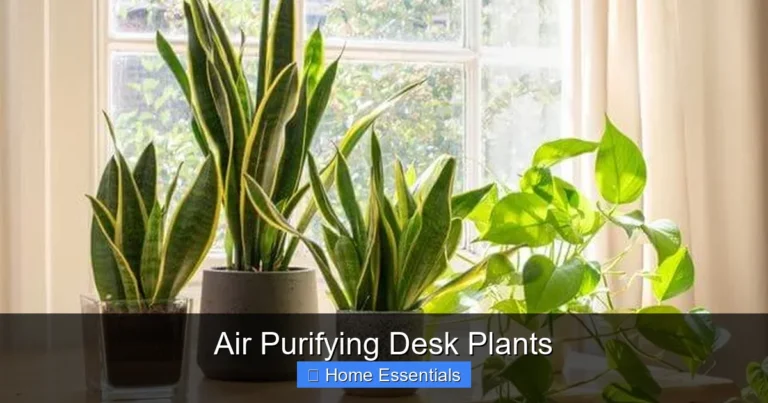
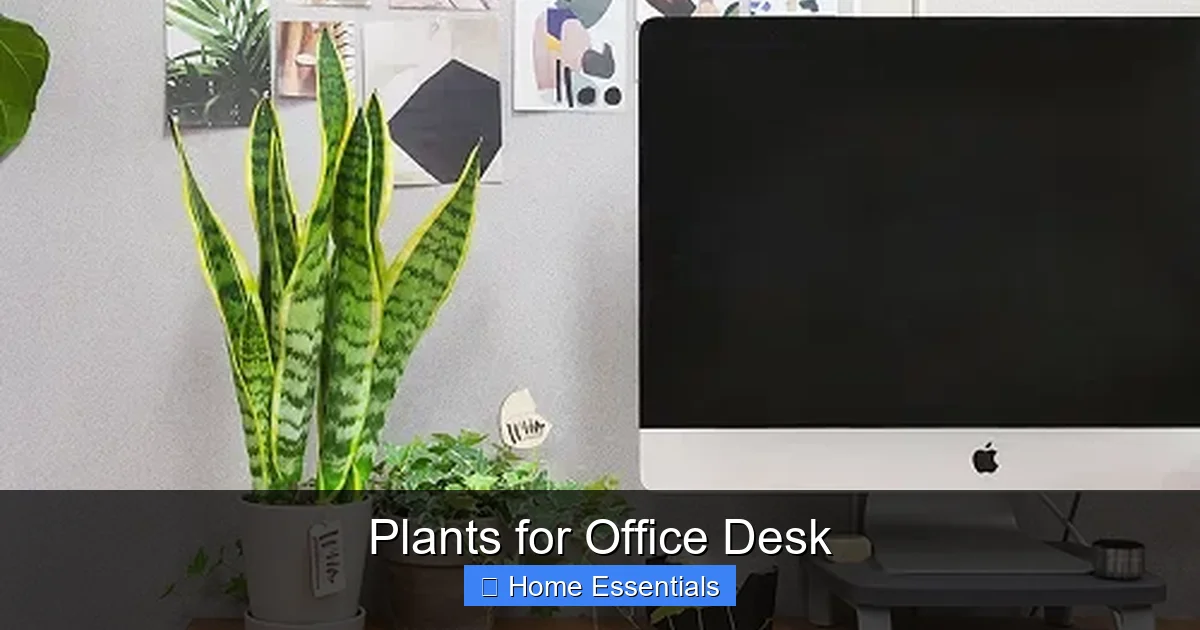
Visual guide about Plants for Office Desk
Image source: balconygardenweb.b-cdn.net
1. The Light Audit: Your Plant’s Lifeline
Light is the non-negotiable factor. Be brutally honest about what your desk actually gets.
- High Light (Direct Sun): Within 2-3 feet of a south or west-facing window, getting 4+ hours of direct sun. Plants like a Jade Plant, Aloe Vera, or a small Citrus tree thrive here.
- Medium/Indirect Light: A bright spot near an east-facing window, or a few feet back from a south/west window where sun hits indirectly. Many common houseplants like the Pothos, Philodendron, or Bird of Paradise prefer this.
- Low Light: No direct sun, but a general brightness. Often found on north-facing desks or in the interior of offices with good overhead lighting. This is the most common office scenario. Your champions here are the ZZ Plant (Zamioculcas zamiifolia), Snake Plant (Sansevieria), Cast Iron Plant (Aspidistra), and certain low-light tolerant Pothos varieties.
Pro Tip: If you’re unsure, do the “shadow test.” At noon, hold your hand above the desk. A sharp, defined shadow means high light. A fuzzy shadow means medium light. No shadow? That’s low light.
2. Size & Space: Less is More
Your desk is a workspace, not a jungle. A plant should complement, not compete. Consider the footprint. A trailing plant like a Philodendron Brasil in a hanging pot saves precious desk real estate. A compact succulent in a 2-3 inch pot adds life without clutter. Avoid large, fast-growing plants that will quickly outgrow their spot and require frequent pruning. Think of your plant as functional sculpture.
3. Maintenance & Your Schedule
Are you the person who remembers to water every Sunday, or do you forget until the leaves are crispy? Be real. For the forgetful or frequently traveling office worker, succulents and cacti (need deep, infrequent watering), Snake Plants (can go weeks without water), and ZZ Plants (store water in rhizomes) are forgiving. Plants like Fittonia (Nerve Plant) or Calathea are stunning but demand consistent moisture and humidity—a high-maintenance choice for most desks.
Top 10 Plants for Office Desk: The A-List
Based on the rules above, here are the proven winners that combine aesthetics, resilience, and air-purifying power.
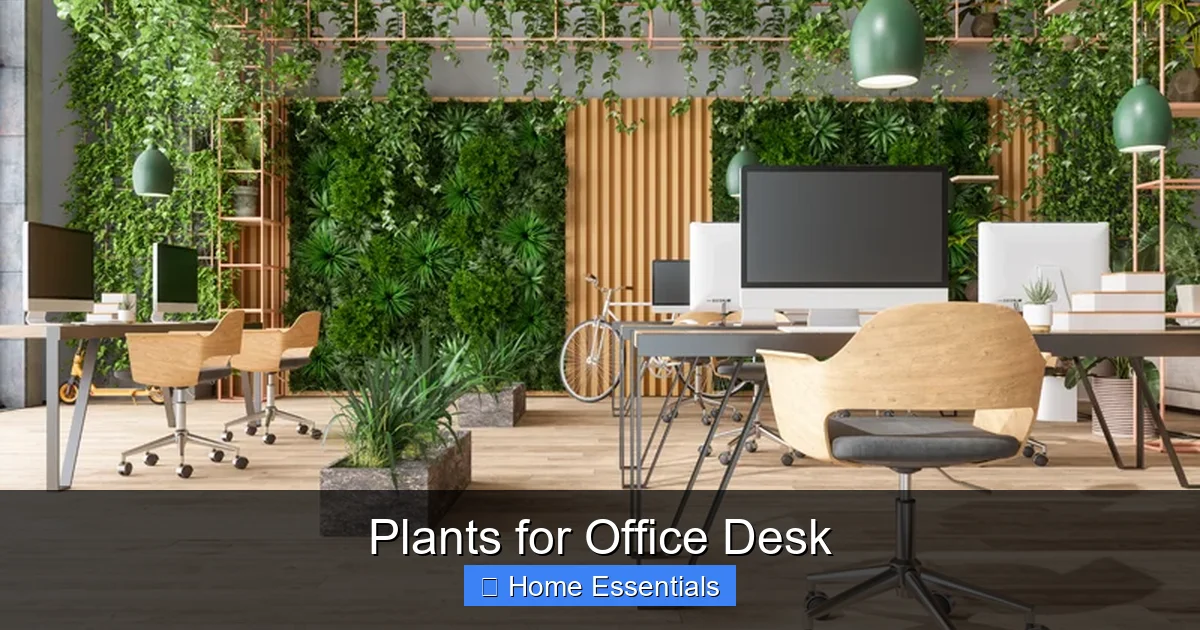
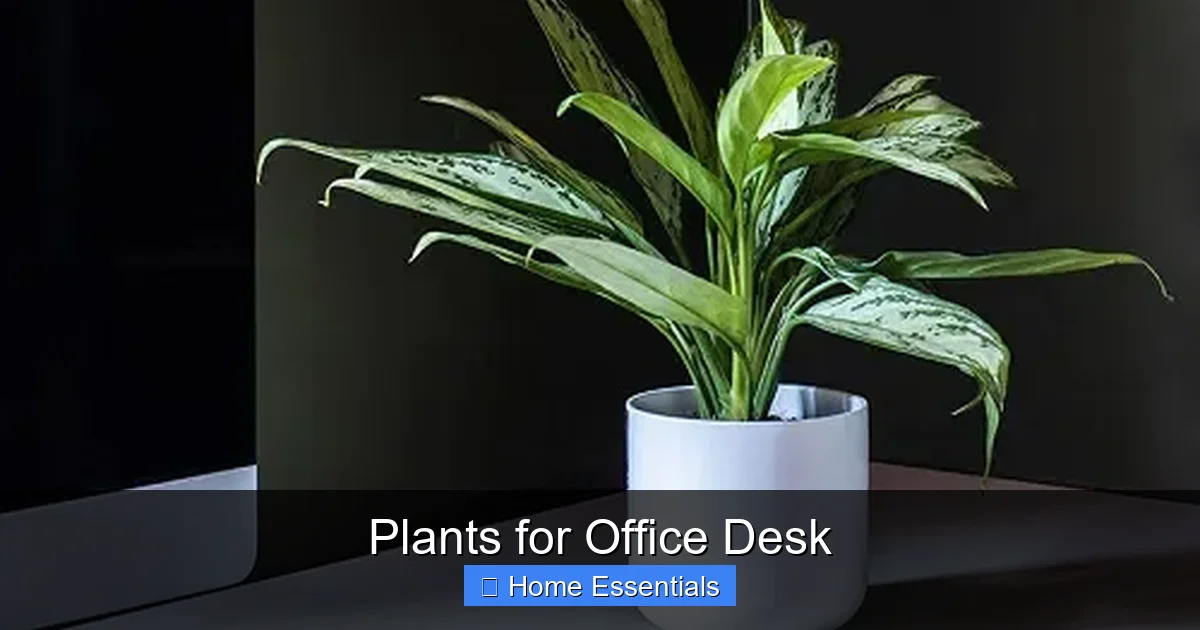
Visual guide about Plants for Office Desk
Image source: goodearthplants.com
- ZZ Plant (Zamioculcas zamiifolia): The undisputed champion of neglect. Thrives in low light and can survive months without water. Its glossy, dark green leaves add a modern touch. Almost impossible to kill.
- Snake Plant (Sansevieria trifasciata): The vertical accent. Comes in many sizes and varieties (like the tall ‘Laurentii’ or compact ‘Futura Superba’). A powerhouse air purifier, especially at night. Needs water only when soil is completely dry.
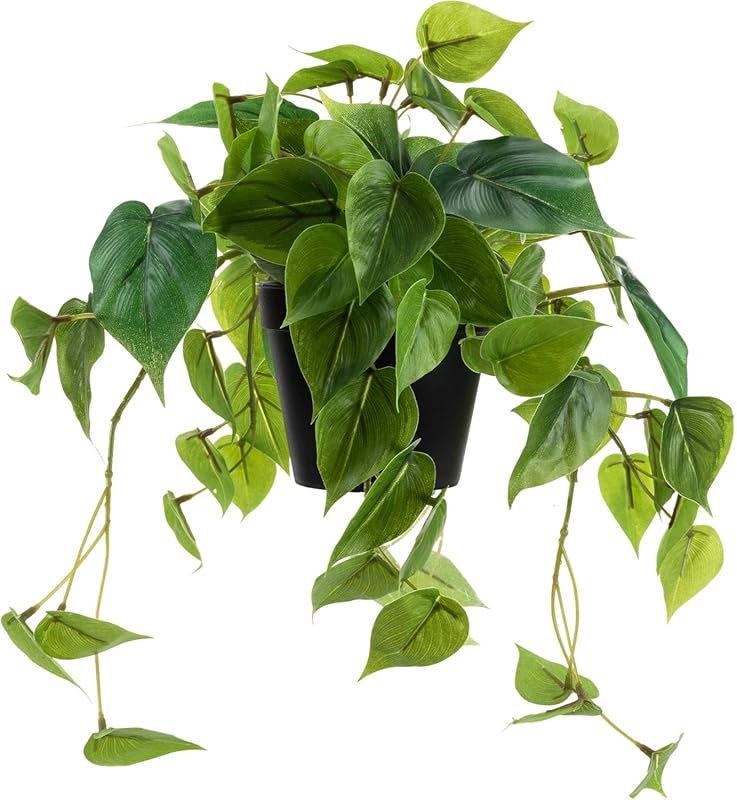
- Pothos (Epipremnum aureum): The versatile trailor. Adapts to low, medium, or bright light. Varieties like ‘Golden Pothos’, ‘Marble Queen’, and ‘Jade’ are all excellent. Let it trail down the side of your desk or train it up a small moss pole.
- Spider Plant (Chlorophytum comosum): The resilient producer. Loves bright indirect light but tolerates less. Produces cute “babies” on long stems, making it fun to share with coworkers. Excellent for removing formaldehyde.
- Jade Plant (Crassula ovata): The succulent staple. Needs bright light and infrequent watering. Its thick, fleshy leaves store water. Prone to etiolation (stretching) in low light, so place it near a window if possible.
- Peace Lily (Spathiphyllum): The dramatic bloomer. Tolerates low light and will even flower in medium light. It visibly droops when thirsty, giving you a clear watering signal. Note: Toxic to pets if ingested.
- Cast Iron Plant (Aspidistra elatior): The name says it all. Extremely tolerant of low light, irregular watering, and temperature fluctuations. Slow-growing but incredibly sturdy with dark, arching leaves.
- Philodendron (Heartleaf or Brasil): Similar to Pothos in care, with lovely heart-shaped leaves (Heartleaf) or variegated splashes (Brasil). Very adaptable and fast-growing enough to be satisfying without being unruly.
- Air Plants (Tillandsia): The no-soil wonder. Mount these on a piece of driftwood, a geometric holder, or a small frame. They get all nutrients from the air and light. Require a weekly misting or soak. Zero mess, maximum curiosity factor.
- Burrow’s Tail Sedum (Sedum morganianum): A stunning, trailing succulent with plump, blue-green leaves. Needs bright light and infrequent water. Looks beautiful in a hanging pot or draping over the edge of a shelf.
Setting Up for Success: Pots, Soil, and Placement
You’ve chosen your plant. Now, give it a proper home on your desk. The right setup prevents 80% of common problems.
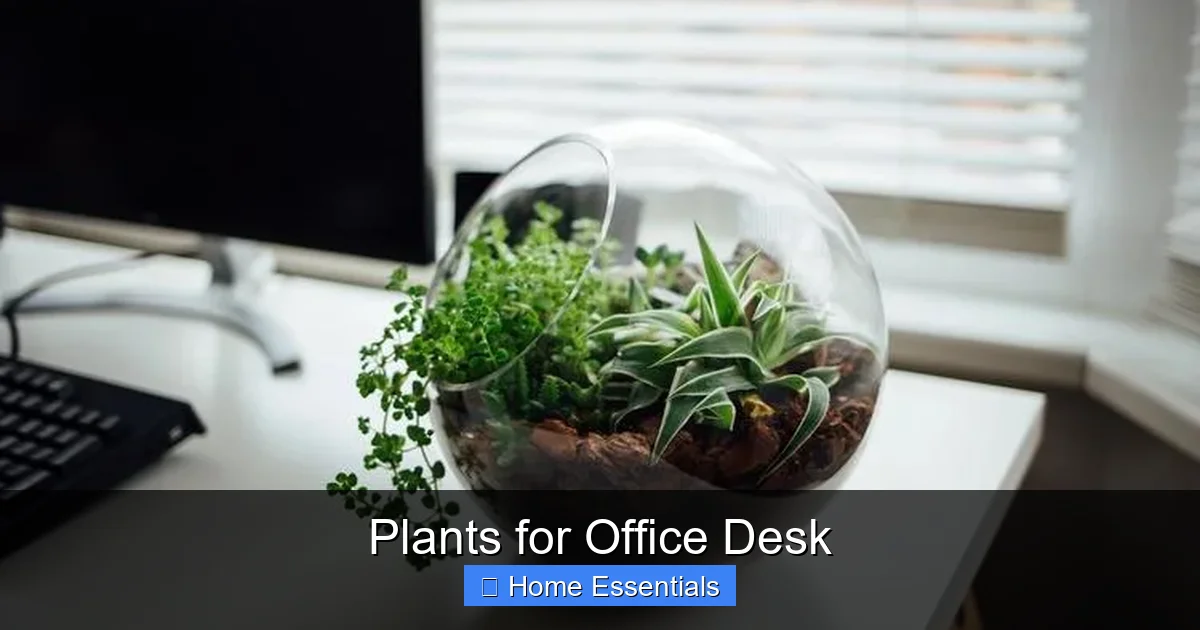
Visual guide about Plants for Office Desk
Image source: cdn.sanity.io
The Pot: It’s All About Drainage
This is the single most important rule. Your pot must have a drainage hole. Waterlogged soil suffocates roots and leads to root rot—the #1 killer of indoor plants. A plastic nursery pot with holes is functional, but for your desk, you might want something more aesthetic. The solution: use the nursery pot as an inner liner and place it inside a decorative cachepot (a pot without a hole). After watering, let excess water drain fully in the sink before returning it to the cachepot. Alternatively, pots made of unglazed terracotta are naturally porous and help wick away moisture, reducing overwatering risk.
The Soil: Don’t Use Garden Dirt
Potting mix is not dirt. It’s a engineered blend of materials like peat moss, perlite, vermiculite, and bark that provides drainage, aeration, and nutrients. Never dig up soil from outside—it’s too dense, may contain pests, and lacks nutrients for containers. For most desk plants, a standard, high-quality indoor potting mix is perfect. For succulents and cacti, use a cactus/succulent mix which has extra sand or grit for faster drainage.
Location, Location, Location
Placement is strategic. Keep plants away from:
- Vents/Heaters: Blasts of hot or cold air shock and dry out plants.
- Direct Drafts: From frequently opened doors or windows.
- Monitor Heat: Some plants don’t like the radiant heat from the back of a desktop computer tower.
- Leaky Coffee Cups: Sounds obvious, but keep watering cans and mugs away from the soil surface.
A small saucer under the pot protects your desk from water marks. Consider a plant stand or small riser to elevate the pot, improving airflow and adding visual interest.
Care Basics: Watering, Cleaning, and Feeding
Office plant care is simple but requires consistency. Here’s your weekly checklist.
Watering: The Finger Test is Your Friend
Forget calendars. The best way to know if a plant needs water is to check the soil. Stick your finger 1-2 inches deep into the soil.
- If it feels dry, it’s time to water.
- If it feels cool and moist, wait.
When you water, do it thoroughly. Pour water into the pot until it runs freely out the drainage hole. This ensures the entire root ball is hydrated and flushes out any mineral salt buildup. Then, let it drain completely before placing it back on your desk. Never let the pot sit in a saucer full of water. For low-light office plants, underwatering is always safer than overwatering.
Dusting: A Must for Desk Plants
Dust settles on leaves, blocking sunlight and hindering photosynthesis. It also makes your plant look sad. Once a month, gently wipe leaves with a damp microfiber cloth. For delicate plants, use a soft paintbrush or a can of compressed air (held at a distance). This is also a great time to inspect for pests like spider mites (tiny webbing) or mealybugs (white cottony fluff). Keeping leaves clean is a simple act of care that makes a huge difference. You can learn more about proper dusting techniques for various surfaces in our guide on how to use a microfiber cloth for dusting.
Fertilizing: Light Meals in Spring/Summer
Plants in pots have limited soil nutrients. During the active growing season (spring and summer), feed them a balanced, water-soluble houseplant fertilizer at half the recommended strength once a month. During fall and winter, when growth slows, stop fertilizing entirely. Over-fertilizing burns roots and causes salt buildup.
Styling Your Desk with Plants: Aesthetics Meets Function
Your plant is now thriving. Let’s make it part of your desk’s personality.
Grouping for Impact
Group 2-3 plants of varying heights and textures together to create a mini-jungle vignette. Place a taller Snake Plant in the back, a trailing Pothos in the middle, and a small succulent in the front. This creates depth and makes watering easier (one trip for all). Use a tray or wooden slab underneath to unify the group and protect your desk surface.
The Hanging Option
If desk space is at a premium, go vertical. Hang a small pot with a trailing plant (like a Philodendron or Burrow’s Tail) from a wall hook, a shelf above your desk, or a ceiling hook. This adds life at eye level without using any surface area. Macrame hangers are a popular choice that adds boho texture.
Matching Your Vibe
- Minimalist/Modern: A single Snake Plant in a white ceramic pot, or a cluster of identical ZZ Plants in geometric black pots.
- Bohemian: A mix of hanging plants, terracotta pots, and a quirky Air Plant display.
- Scandinavian: Clean lines, neutral pots (concrete, light wood), and plants with simple foliage like a Cast Iron Plant or a single, large Monstera leaf in a vase.
Troubleshooting: Common Desk Plant Problems Solved
Even the hardiest plants can hit a snag. Here’s how to diagnose.
Yellowing Leaves
This is the most common cry for help. Often, it’s overwatering. Check the soil—is it soggy? Let it dry out completely. It can also signal underwatering (soil is bone dry, leaves crispy yellow) or a nutrient deficiency (older leaves yellow first). Adjust your watering routine first.
Leggy, Stretchy Growth (Etiolation)
Your plant is reaching for the light. Stems become long, sparse, and leaves are far apart. The fix is simple: move it to a brighter location. If that’s not possible, consider a small, clip-on desk grow light—they are energy-efficient and can dramatically improve plant health in deep cubicles.
Brown, Crispy Leaf Tips
Usually a humidity issue. Office air, especially with AC or heat, is dry. Increase humidity by grouping plants together, using a small pebble tray (a tray with pebbles and water), or a tiny desktop humidifier. Also check for underwatering or mineral buildup from tap water. Try using filtered or rainwater.
Pests: The Unwanted Guests
Mealybugs (white fluff) and spider mites (fine webbing) are the usual suspects. Isolate the plant immediately. For mealybugs, dab them with a cotton swab dipped in rubbing alcohol. For spider mites, spray the plant thoroughly with water or use insecticidal soap. Repeat every few days until gone. Keeping plants clean is your best prevention.
Conclusion: Your Green Oasis Awaits
Incorporating plants into your office desk is one of the simplest, most rewarding upgrades you can make to your daily work life. It’s not about becoming a botanist; it’s about choosing the right partner for your specific conditions and giving it the basic, consistent care it needs to thrive. Start with a forgiving, low-light champion like a ZZ Plant or Snake Plant. Feel the difference that a little piece of nature makes—in your air, your focus, and your mood. Your future, more productive and peaceful self, will thank you. Now, go find your perfect desk plant and watch your workspace—and your well-being—transform.
Frequently Asked Questions
What is the absolute easiest plant for a low-light office desk?
The ZZ Plant (Zamioculcas) and Snake Plant (Sansevieria) are tied for first place. They require very little light and can survive infrequent watering, making them nearly foolproof for beginners or challenging office environments.
Can I use any decorative pot for my desk plant?
Only if it has a drainage hole. The safest method is to keep your plant in its plastic nursery pot with holes and place that inside a decorative cachepot without holes. Always empty the cachepot of excess water after watering to prevent root rot.
How often should I water my desk plant?
There is no set schedule. The best practice is to check the soil with your finger every 3-5 days. Water only when the top 1-2 inches of soil feel dry. In winter, you’ll likely water much less frequently.
My office has no windows. Can I still have a plant?
Yes, but your choices are very limited. You’ll need a plant that tolerates extremely low light, like a ZZ Plant or a Cast Iron Plant. Even these will need some ambient light from office fixtures. For truly dark spaces, consider a desk grow light or opt for preserved (artificial) plants.
Are office plants messy? I don’t want soil on my keyboard.
Choose plants that don’t shed leaves or flowers frequently. Avoid plants that produce a lot of “babies” or have messy pollen. Use pots with saucers. Keep trailing plants trimmed so leaves don’t drape directly onto your desk surface. Succulents and cacti are generally very tidy.
I have a cat/dog that visits my home office. What plants are safe?
Many common desk plants are toxic to pets if ingested. Safe options include Spider Plant, Boston Fern, Parlor Palm, African Violet, and some varieties of Peperomia. Always double-check the ASPCA toxic plant list before bringing any new plant into a pet-friendly home.