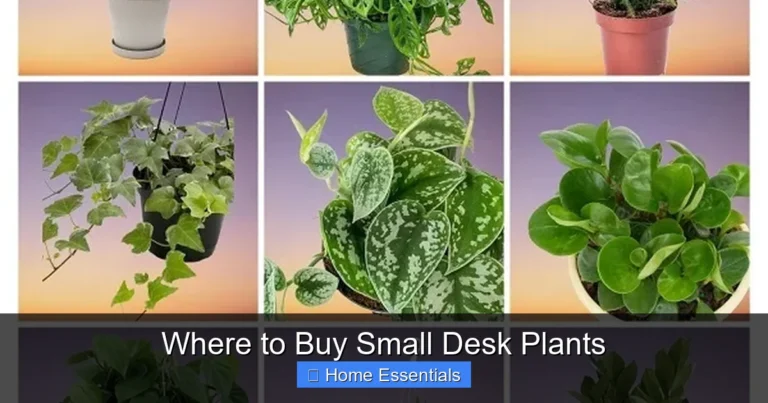
Plants for Window Desk
Bringing plants to your window desk transforms your workspace into a vibrant, health-boosting sanctuary. The right plants thrive in your specific light conditions, from shady north-facing windows to full southern exposure. With simple, consistent care—like proper watering and occasional leaf dusting—you can enjoy a flourishing mini-garden that reduces stress and cleans your air.
Have you ever glanced at your window desk and felt it was missing something? A touch of life, a splash of color, a bit of nature’s calm? You’re not alone. Transforming that sunny or shady sliver of space into a mini-green oasis is one of the simplest and most rewarding ways to upgrade your home office or study. The right plants for window desk setups don’t just look pretty; they can sharpen your focus, purify the air you breathe, and inject a dose of serenity into your daily grind. But where do you start? With so many options, the key is matching a plant’s personality to your window’s personality. Let’s dig in and build your perfect desk-side garden, one leaf at a time.
Key Takeaways
- Light is the #1 factor: Match plants to your window’s direction (bright south vs. low-light north) for success.
- Watering needs vary wildly: A snake plant needs far less water than a fern; always check soil moisture first.
- Pet safety comes first: Many common desk plants are toxic to cats and dogs; opt for pet-safe varieties like spider plants.
- Clean leaves for health: Dusty leaves can’t photosynthesize well; gently wipe with a damp microfiber cloth.
- Style with purpose: Use pots, stands, and groupings to create a curated look that complements your decor and maximizes light.
- Air purification is a real benefit: Plants like peace lilies and pothos can help remove common indoor pollutants.
- Start small: Begin with 1-2 easy-care plants to build confidence before expanding your collection.
📑 Table of Contents
- Why Your Window Desk Craves a Plant Friend
- Decoding Your Light: The First Step to Success
- Top Plant Picks for Your Window Desk
- Caring for Your Window Desk Plants: A Simple Guide
- Design and Styling: Making Your Desk a Green Haven
- Common Mistakes to Avoid with Window Desk Plants
- Conclusion: Your Green Workspace Awaits
Why Your Window Desk Craves a Plant Friend
Before we talk about which plants, let’s talk about why you absolutely should have them. Your desk is where you think, create, and labor. Introducing living plants into that equation changes the entire energy of the space. It’s not just folklore; science backs it up.
The Science-Backed Benefits of Desk Plants
Study after study shows that interacting with plants can lower stress, reduce feelings of anxiety, and even lower blood pressure. Having a living thing to care for—even a low-maintenance succulent—creates a tiny, positive ritual. You pause to water it, you wipe a leaf, you watch a new vine unfurl. These micro-moments of mindfulness break up the monotony of screen time. Furthermore, plants are natural air filters. Through photosynthesis, they absorb carbon dioxide and release oxygen. Some, like the famous peace lily and snake plant, are particularly adept at filtering volatile organic compounds (VOCs) like formaldehyde and benzene, which can off-gas from furniture and cleaning supplies. In a semi-enclosed desk area, that clean air boost is no small thing.
Aesthetic and Psychological Impact
Let’s be real: a beautiful plant simply makes a space look better. It adds texture, height, and organic shape that contrasts wonderfully with straight computer monitors and angular stationery. A well-styled desk with a plant feels intentional, lived-in, and personal. Psychologically, this connection to nature—even a tiny patch—is a concept called “biophilia.” It suggests we have an innate tendency to seek connections with nature. Satisfying that need in our workspaces can improve mood, creativity, and overall well-being. Your window desk, with its natural light, is the perfect stage for this.
Decoding Your Light: The First Step to Success
You can have the greenest thumb in the world, but if you put a sun-worshipper in a dark corner, it’s a losing battle. Your window’s orientation dictates the light intensity and duration your plants will receive. This is the single most important factor in choosing your plants for window desk.
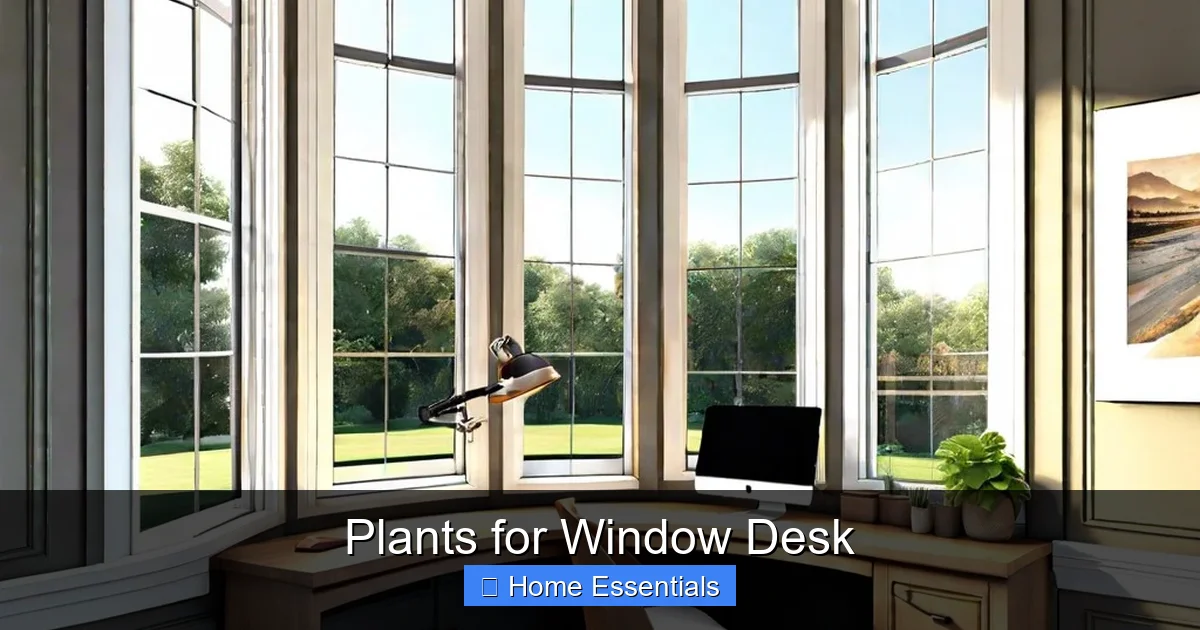
Visual guide about Plants for Window Desk
Image source: windowdigest.com
South-Facing Windows (Northern Hemisphere): The Solar Powerhouse
If your desk is against a south-facing wall (or north-facing if you’re in the Southern Hemisphere), you have a prime sun spot. This window gets the strongest, most direct light for most of the day.
- Perfect for: Cacti, succulents (like jade or echeveria), crotons, fiddle leaf figs (if acclimated), and most flowering plants like African violets.
- Watch out for: Leaf scorch on sensitive plants. The intense afternoon sun can burn leaves, especially through glass which can magnify heat. A sheer curtain can help diffuse the light for plants that prefer “bright indirect.”
East & West-Facing Windows: The Moderate Duo
East windows offer gentle morning sun, which is cooler and less intense. West windows provide strong afternoon and evening sun, which can be hot and harsh, similar to south-facing light but for fewer hours.
- East-facing ideal: Ferns, peace lilies, pothos, spider plants, and many palms. They love the gentle, bright morning rays.
- West-facing caution: Similar to south, you may need to protect plants from the intense late-day heat. Succulents and heat-loving varieties will thrive here.
North-Facing Windows: The Low-Light Champion
This is the trickiest spot for most plants, offering only consistent, low to medium indirect light. No direct sunbeams grace this windowsill.
- Heroes of the north: Snake plants, ZZ plants, pothos, philodendrons (heartleaf), cast iron plants, and certain dracaenas. These are the survivors, adapted to forest floors with dappled light.
- Management tip: Keep leaves clean to maximize light absorption. Rotate plants weekly so all sides get some light. Consider a small, clip-on grow light for deeper winter months if growth seems to stall.
Top Plant Picks for Your Window Desk
Now for the fun part! Here are our top recommendations, broken down by light need and care level. All are generally available at local nurseries or big-box stores.
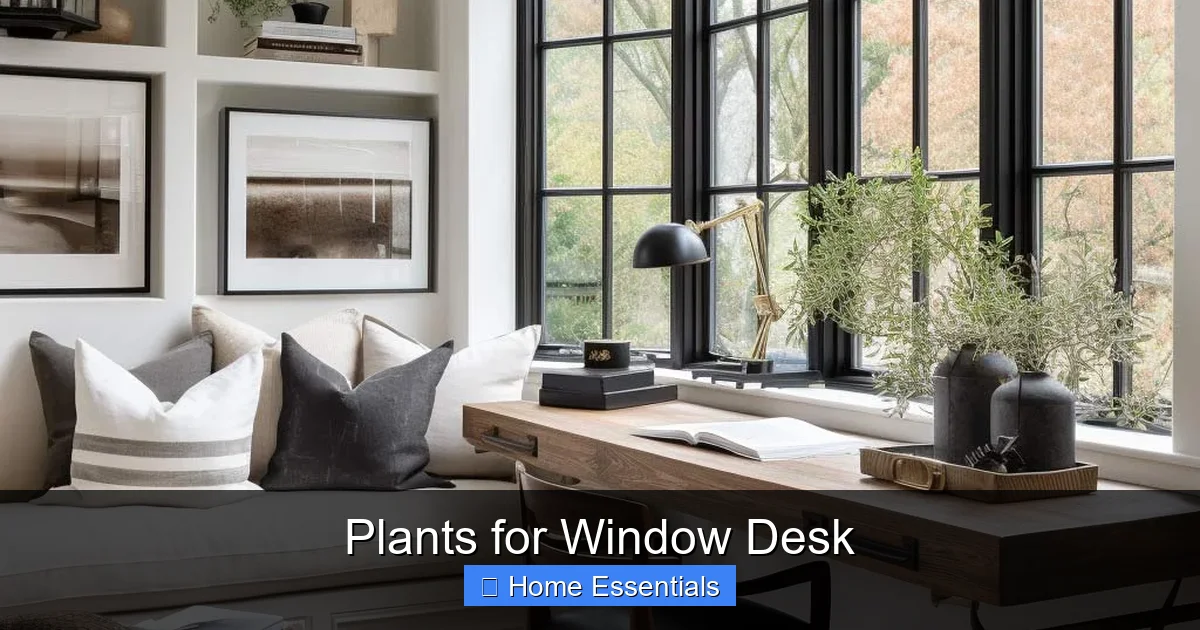
Visual guide about Plants for Window Desk
Image source: plankandpillow.com
The Indestructible Trio: For Beginners & Forgetful Waterers
If you’re new to the plant game or travel often, start here. These are famously tolerant of neglect.
- Snake Plant (Sansevieria): The ultimate survivor. It thrives on neglect, tolerates low light (though brighter is better), and only needs water every few weeks. Its architectural, upright leaves add a modern touch. Note: mildly toxic if ingested, so keep away from curious pets.
- ZZ Plant (Zamioculcas zamiifolia): Glossy, dark green leaflets on graceful stems. It stores water in potato-like rhizomes, making it extremely drought-tolerant. Perfect for a dim north-facing desk. Also toxic to pets.
- Pothos (Epipremnum aureum): The classic vining plant. It’s incredibly adaptable, growing in low light to bright indirect. Let it trail down your desk or train it up a small trellis. It’s a fast grower and easy to propagate. Toxic to pets.
The Humidity Lovers: For Bright, Indirect Light
These plants prefer a bit more moisture in the air and consistent watering, making them ideal for a humid bathroom window desk or a desk you can mist regularly.
- Spider Plant (Chlorophytum comosum): Non-toxic and a champion air purifier. It produces cute “babies” on long stems, which you can snip off and pot. Loves bright, indirect light and slightly moist soil. One of the best plants for window desk in a family home.
- Bird’s Nest Fern (Asplenium nidus): With its wide, ripple-edged leaves that form a central “nest,” it’s a stunning textural piece. It loves humidity and consistent moisture but not soggy soil. Perfect for an east-facing window with morning sun.
- Prayer Plant (Maranta leuconeura): Famous for its leaves that fold up at night like praying hands. It has striking vein patterns. It needs high humidity, consistent warmth, and moist (not wet) soil. A bit more finicky, but its movements are endlessly fascinating.
The Succulent & Cacti Squad: For Sun-Drenched Desks
If your window gets 4+ hours of direct sun, these desert dwellers will be in heaven.
- Jade Plant (Crassula ovata): A classic with thick, fleshy leaves. It prefers to dry out completely between waterings. With enough sun, it can develop a woody base and small, star-shaped flowers.
- Echeveria: These come in countless colors and shapes, resembling beautiful, tight rosettes. They need maximum sun to maintain compact form and vibrant hues. Water deeply but infrequently.
- Small Cacti (e.g., Bunny Ears, Golden Barrel): Add a sculptural, prickly element. Use caution and place where they won’t be knocked over. They need the brightest light possible and very little water.
Caring for Your Window Desk Plants: A Simple Guide
Choosing the right plant is step one. Keeping it happy is step two, and it’s easier than you think. Forget complex schedules; think in terms of observation.
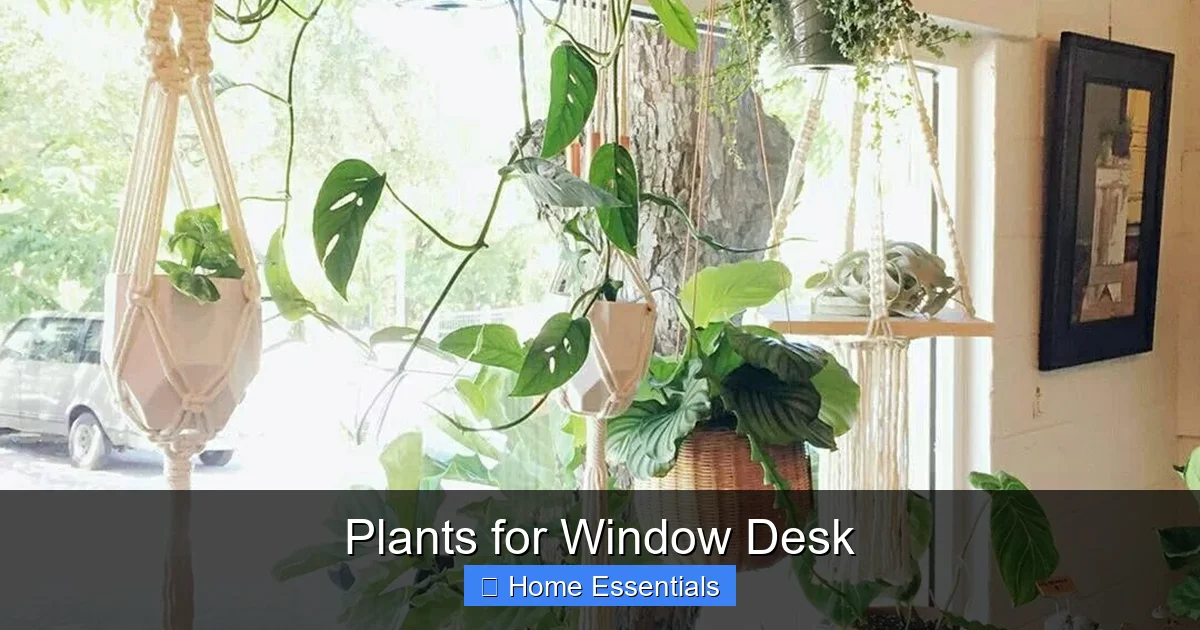
Visual guide about Plants for Window Desk
Image source: i.pinimg.com
Watering: The #1 Killer (and How to Avoid It)
Overwatering is far more common than underwatering. The golden rule: stick your finger in the soil. For most plants, water when the top 1-2 inches are dry. For succulents and cacti, wait until the soil is completely dry. Water thoroughly until it runs out the drainage hole, then let it drain completely—never let the pot sit in a saucer of water. Your watering frequency will change with the seasons; plants need less in winter.
Feeding and Fertilizing: Less is More
Plants need food, but they don’t need much. During the active growing season (spring and summer), use a balanced, water-soluble fertilizer at half the recommended strength once a month. In fall and winter, stop feeding entirely. Over-fertilizing can burn roots and cause salt buildup.
Dusting and Cleaning: A Critical, Often-Forgotten Task
Dust buildup on leaves blocks sunlight and hampers photosynthesis. It also looks dull. Every few weeks, gently wipe leaves with a damp microfiber cloth. For larger plants, you can even give them a lukewarm shower in the bathroom. This simple act keeps your plant breathing easy and looking vibrant. For a thorough guide on using the right tools for dusting, including delicate plant leaves, see this resource on how to use microfiber cloth for dusting. Keeping the leaf surface clean is as important as watering.
Repotting: When and How
Plants outgrow their pots. Signs include roots poking out the drainage hole, soil drying out extremely quickly, or stunted growth. When repotting, choose a pot only 1-2 inches larger in diameter. Always use fresh potting mix and a pot with a drainage hole. Gently loosen the root ball before placing it in its new home.
Design and Styling: Making Your Desk a Green Haven
Function is key, but form is the fun part. How you arrange your plants for window desk can turn a simple shelf into a stunning display.
Think in Layers and Heights
Create visual interest by varying height. Use a stack of books, a small plant stand, or a decorative box to lift a shorter plant to the level of a taller one. Place trailing plants like pothos on a higher shelf so their vines can cascade down, softening the desk’s edge.
Pot Matters: Cohesive or Eclectic?
Your pots are the jewelry of your plant collection. For a clean, minimalist look, stick to a color palette—all whites, terracotta, or matte blacks. For a bohemian, collected feel, mix vintage ceramics, handmade pots, and simple nursery containers. Ensure all pots have drainage holes, or use them as decorative cachepots with a plastic nursery pot inside.
Grouping for Impact and Humidity
Grouping plants together is aesthetically pleasing and creates a microclimate with higher humidity, which many tropical plants love. Try grouping a fern, a peace lily, and a pothos together. Vary the leaf shapes—broad, feathery, and vining—for a dynamic look. Leave a little space between pots for air circulation.
Mind the Desk Real Estate
Your primary goal is to work, so don’t let plants take over. Ensure your main work surface has enough clear space for your keyboard, mouse, and a notepad. A single, well-placed plant at one corner of the desk or on a nearby shelf is often better than several crowded together. Consider wall-mounted planters or small hanging pots to free up surface area.
Common Mistakes to Avoid with Window Desk Plants
Even with the best intentions, it’s easy to slip up. Here are the most common pitfalls and how to dodge them.
Mistake 1: Ignoring the Light Reality
You love a plant’s picture online, but your north-facing desk would be its prison. Always, always match the plant to your proven light conditions. If you have low light, embrace the snake plant and ZZ. Don’t try to force a sun-lover to survive in the shade; it will become leggy, pale, and weak.
Mistake 2: The “Weekly Watering” Routine
Watering on a strict calendar is a recipe for disaster. The soil’s dryness depends on the pot size, plant type, season, and indoor temperature. Always check the soil before you water. Insert your finger; if it’s dry an inch down, water. If it’s moist, wait.
Mistake 3: Forgetting About Drainage
A pot without a hole is a swamp. Water pools at the bottom, leading to root rot—the silent killer. If you have a decorative pot you love without a hole, use it as a cachepot. Place the plastic nursery pot with drainage holes inside it, and empty any excess water after watering.
Mistake 4: Overlooking Pests
Indoor plants can still get pests like spider mites, mealybugs, or fungus gnats. Inspect new plants thoroughly before bringing them home. Isolate new arrivals for a week or two. Regularly check the undersides of leaves. At the first sign of trouble (webbing, white cottony fluff, tiny flying insects), treat immediately with neem oil, insecticidal soap, or by wiping with alcohol.
Conclusion: Your Green Workspace Awaits
Creating a thriving garden on your window desk is a journey of observation and small joys. It starts with honestly assessing your light and choosing a plant that fits your lifestyle, not the other way around. Begin with one resilient friend like a snake plant or pothos. Learn its rhythms—when it thirsts, when it’s content. As your confidence grows, experiment with textures and heights. Remember, the goal isn’t a Pinterest-perfect jungle overnight. It’s about cultivating a living, breathing space that supports your work and your well-being. So, take that first step. Visit a nursery, touch the leaves, find the one that speaks to you, and give it a home on your windowsill. Your future, greener, calmer self will thank you.
Frequently Asked Questions
What are the absolute easiest plants for a window desk?
For true beginners, start with a snake plant, ZZ plant, or pothos. These three are incredibly forgiving of low light and irregular watering, making them nearly impossible to kill with basic care.
How often should I water my desk plants?
There is no single schedule. The best practice is to check the soil: water when the top 1-2 inches are dry for most tropicals, and wait until the soil is completely dry for succulents and cacti. Always ensure excess water drains away.
Can I keep plants on my desk if I have cats or dogs?
You must choose carefully. Many popular desk plants like pothos, snake plants, and ZZ plants are toxic to pets if ingested. Safe options include spider plants, African violets, and many ferns. Always verify a plant’s toxicity on the ASPCA database before bringing it home.
My window gets very little sun. What can I grow?
>Focus on plants that thrive in low to medium indirect light. Excellent choices include snake plants, ZZ plants, pothos, philodendrons, and cast iron plants. You can also supplement with a small, energy-efficient grow light to boost growth.
When should I repot my window desk plant?
Repot when you see roots circling the pot or poking out the drainage holes, when the soil dries out extremely fast, or when growth has noticeably stalled. Typically, this is every 1-2 years. Always go up only 1-2 inches in pot size.
How do I clean the dust off my plant leaves?
Use a soft, damp microfiber cloth to gently wipe each leaf, supporting it from behind. For smaller plants, you can place them in a sink and rinse with lukewarm water. Avoid using leaf shine products, as they can block pores. For detailed techniques, refer to guides on using microfiber cloth for cleaning delicate surfaces.