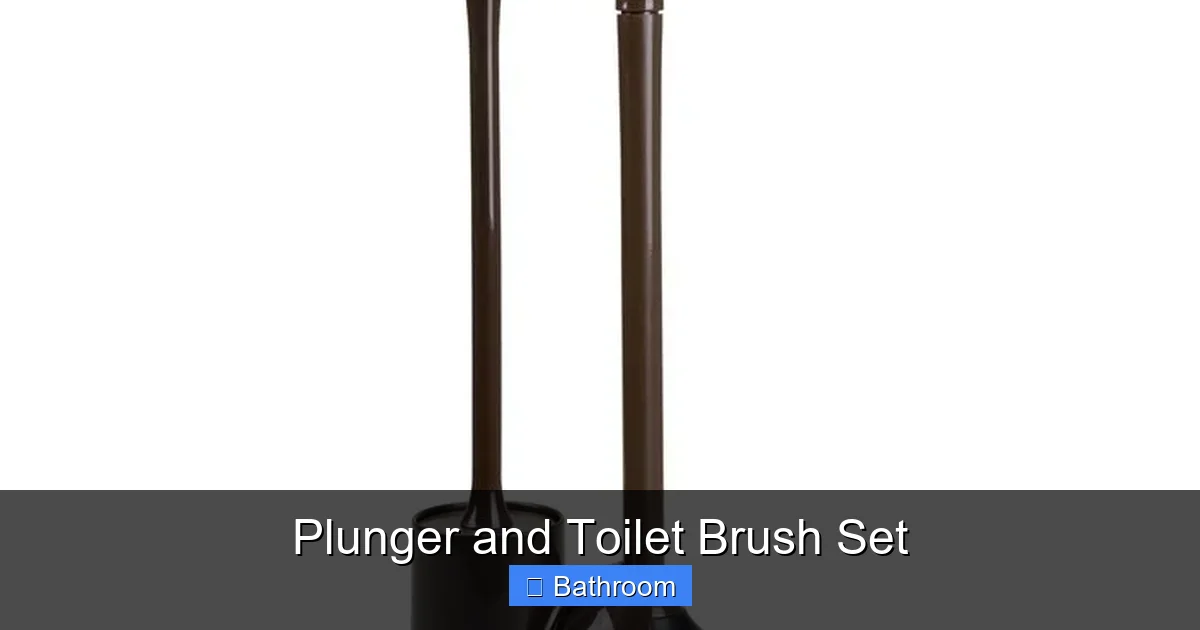
Plunger and Toilet Brush Set
A plunger and toilet brush set is more than just a bathroom essential—it’s a cornerstone of cleanliness and hygiene. These tools work together to tackle clogs and everyday grime, keeping your toilet spotless and your home fresh. Investing in a high-quality plunger and toilet brush set saves time, reduces mess, and promotes a healthier living environment.
Key Takeaways
- Essential Hygiene Tools: A plunger and toilet brush set helps prevent the spread of germs and bacteria in your bathroom.
- Clog-Free Performance: The plunger quickly resolves blockages, while the brush maintains daily cleanliness.
- Space-Saving Design: Most sets are compact and wall-mountable, perfect for small bathrooms.
- Easy to Clean: Look for sets with removable brush heads and easy-to-empty containers.
- Material Matters: Stainless steel or high-quality plastic handles resist rust and last longer.
- Odor Control: A well-maintained set with a sealed container reduces unpleasant smells.
- Cost-Effective: A good plunger and toilet brush set pays for itself by preventing plumbing issues.
Key Takeaways
- Understanding Plunger And Toilet Brush Set: Provides essential knowledge
📑 Table of Contents
- Why Every Bathroom Needs a Plunger and Toilet Brush Set
- What Is a Plunger and Toilet Brush Set?
- Benefits of Using a Plunger and Toilet Brush Set
- How to Choose the Best Plunger and Toilet Brush Set
- How to Use a Plunger and Toilet Brush Set Effectively
- Maintenance Tips for Longevity
- Top Plunger and Toilet Brush Set Brands to Consider
- Common Mistakes to Avoid
- Eco-Friendly Alternatives and Upgrades
- When to Call a Plumber Instead of Using a Plunger
- Frequently Asked Questions
Why Every Bathroom Needs a Plunger and Toilet Brush Set
Picture this: You’re getting ready for work, the morning rush is on, and suddenly—plunger and toilet brush set alert! A clogged toilet disrupts your routine, creates a stinky mess, and leaves you scrambling for tools. Whether it’s hair, toilet paper buildup, or something more stubborn, a clog can strike at the worst time. That’s where the humble plunger and toilet brush set comes in—a powerhouse duo designed to save the day.
But this isn’t just about fixing emergencies. A plunger and toilet brush set is a daily hero. The brush handles routine cleaning, removing stains, lime scale, and bacteria from the bowl. The plunger deals with the big messes—blockages in the drainpipe. Together, they keep your toilet fresh, functional, and safe. In this guide, we’ll walk you through everything you need to know about choosing, using, and maintaining a plunger and toilet brush set.
What Is a Plunger and Toilet Brush Set?
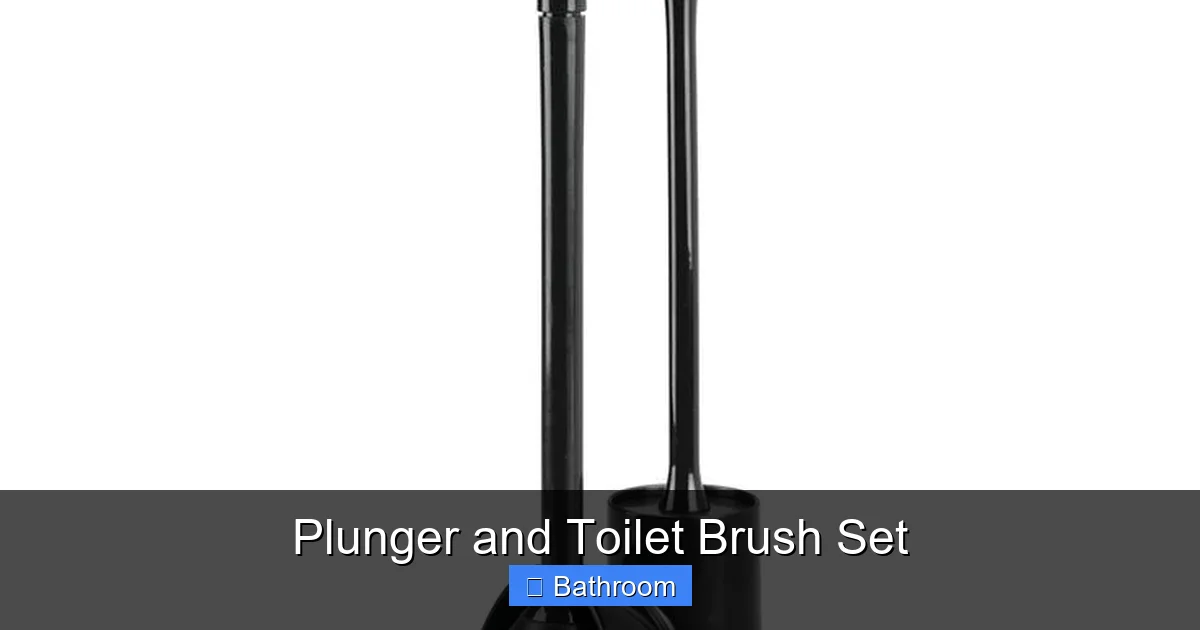
A plunger and toilet brush set is a two-in-one bathroom tool that includes both a toilet plunger and a toilet brush, often housed together in a stylish, wall-mounted holder. The set is designed for convenience, efficiency, and hygiene. While some bathrooms keep these tools separate, a combined set streamlines your cleaning routine and reduces clutter.
The Components of the Set
Most plunger and toilet brush sets include:
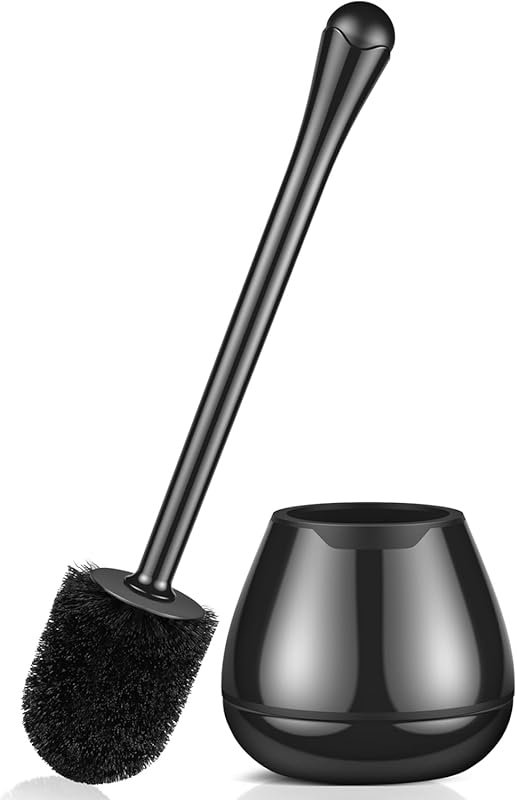
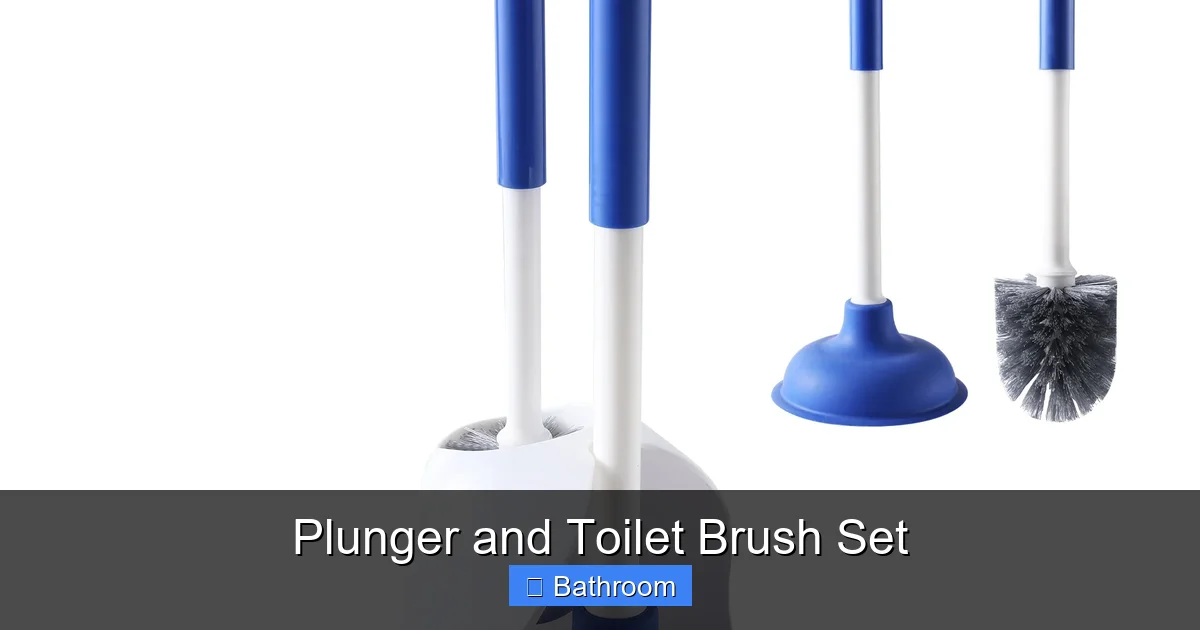
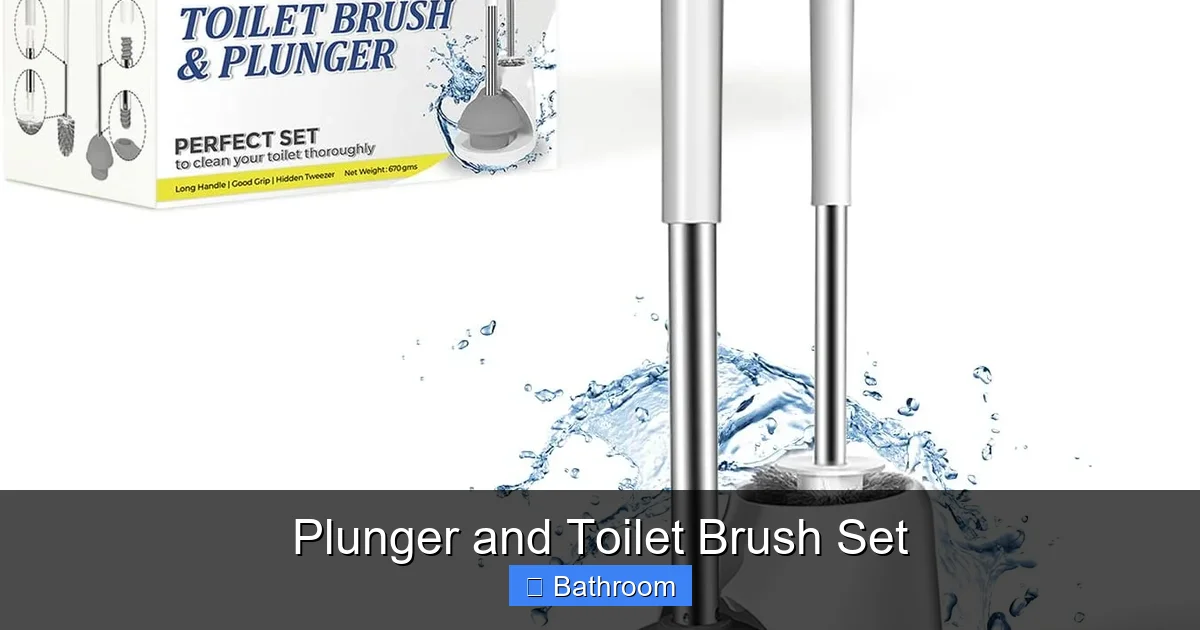
- Toilet Brush: A brush with a long handle and bristles designed to scrub the inside of the toilet bowl. Some come with replaceable heads.
- Plunger: A bowl-shaped rubber cup attached to a handle. Used to create suction and dislodge clogs.
- Holder or Bracket: A wall-mounted or freestanding base that stores both tools neatly.
- Optional Features: Some sets include a reservoir for the brush, a drip tray, or antimicrobial coatings.
How It Works
The brush is used daily or weekly to clean the toilet bowl after each use. Simply dip the brush in the included reservoir (if available), scrub the inside of the bowl, and rinse. The plunger is used only when there’s a clog. Press the rubber cup firmly over the drain hole, push down, and pull up quickly to create suction that breaks up the blockage.
Benefits of Using a Plunger and Toilet Brush Set
Investing in a plunger and toilet brush set offers more than just convenience—it’s a smart choice for cleanliness, health, and home maintenance.
1. Prevents the Spread of Germs
Toilets are breeding grounds for bacteria like E. coli and Salmonella. Without proper cleaning, germs can spread through the air or on surfaces. A toilet brush with a sealed holder reduces splashing and keeps germs contained. Using a plunger only when necessary minimizes exposure to waste, and proper storage keeps everything clean and dry.
2. Saves Time and Effort
Having both tools in one set means you don’t have to search for a plunger or brush when needed. Most sets are wall-mounted, so they’re always within reach. Quick cleaning after each use prevents buildup, making deep cleans less frequent.
3. Reduces Clog Frequency
Regular use of the brush helps break down soft deposits before they harden into clogs. This proactive cleaning means you’re less likely to need a plunger—or worse, a plumber—for minor blockages.
4. Enhances Bathroom Aesthetics
Modern plunger and toilet brush sets come in sleek designs—stainless steel, matte black, or white finishes—that blend with contemporary bathrooms. A clean, organized holder makes your bathroom look tidy and well-maintained.
5. Eco-Friendly Option
Using a plunger instead of chemical drain cleaners reduces chemical runoff and protects your pipes. A reusable brush and holder cut down on plastic waste compared to disposable cleaning products.
How to Choose the Best Plunger and Toilet Brush Set
Not all plunger and toilet brush sets are created equal. Choosing the right one depends on your bathroom layout, cleaning habits, and style preferences.
1. Consider the Plunger Type
There are two main types of plungers:
- Flange Plunger: Features a rubber extension on the cup that fits snugly into the toilet drain. Best for most toilets.
- Cup Plunger: Has a flat rubber cup. Good for sinks and tubs but less effective for toilets.
For toilets, always choose a flange plunger. It creates a better seal and more powerful suction.
2. Check the Brush Design
Look for:
- Replaceable Heads: Saves money and reduces waste.
- Soft, Durable Bristles: Nylon bristles are gentle on porcelain but tough on stains.
- Ergonomic Handle: Reduces hand fatigue during cleaning.
3. Evaluate the Holder
The holder should:
- Be wall-mountable to save space.
- Have a drip tray to catch excess water.
- Be easy to clean and resistant to mold.
4. Material Quality
Opt for:
- Stainless Steel: Rust-proof and long-lasting.
- ABS Plastic: Lightweight and durable.
- Avoid cheap plastic that cracks or discolors.
5. Size and Fit
Make sure the plunger cup fits your toilet’s trapway. Too small, and it won’t seal properly. Too large, and it won’t fit. Test the plunger before buying if possible, or choose a brand with a satisfaction guarantee.
6. Hygiene Features
Some sets include:
- Antimicrobial coatings on handles or bristles.
- Self-cleaning brush heads.
- UV sanitizing lights (in premium models).
How to Use a Plunger and Toilet Brush Set Effectively
Knowing how to use your plunger and toilet brush set properly ensures maximum effectiveness and safety.
Using the Toilet Brush
Daily Routine:
- Wet the brush head and dip it into the included reservoir (if available).
- Scrub the inside of the bowl, focusing on the rim, corners, and under the water line.
- Rinse the brush in the reservoir or under running water.
- Place the brush back in the holder upright to dry.
Weekly Deep Clean:
- Remove the brush and holder.
- Soak the brush in a mixture of warm water and vinegar or a mild disinfectant.
- Scrub the holder with soap and water to remove residue.
- Rinse thoroughly and air-dry.
Using the Plunger
When to Use It: Only when the toilet won’t flush or water isn’t draining.
Steps:
- Remove the lid and any loose debris from the bowl.
- Place the plunger over the drain hole, ensuring a tight seal.
- Pump up and down 10–15 times with firm pressure.
- Flush to test if the clog is cleared.
- Repeat if necessary, but avoid excessive force—it can damage the toilet.
Pro Tip: For stubborn clogs, pour a small amount of warm (not boiling) water into the bowl before plunging. This helps loosen the blockage.
Maintenance Tips for Longevity
A well-maintained plunger and toilet brush set lasts years and performs better.
1. Clean the Brush Weekly
Remove the brush and scrub it under hot water with dish soap. Rinse thoroughly and let it air-dry. Replace the head every 3–6 months.
2. Empty the Reservoir Regularly
If your set has a water reservoir, empty and rinse it weekly to prevent mold and odors.
3. Disinfect the Holder
Wipe the holder with a disinfectant wipe or a cloth soaked in diluted bleach (1 part bleach to 10 parts water). Rinse well.
4. Store in a Dry Place
Even with a drip tray, moisture can accumulate. Wipe down the holder after each use.
5. Check the Plunger Seal
Over time, the rubber cup can degrade. If it’s cracked or misshapen, replace it immediately.
6. Avoid Using Harsh Chemicals
Strong acids or abrasives can damage the brush bristles or plunger rubber. Stick to mild cleaners.
Top Plunger and Toilet Brush Set Brands to Consider
While many brands offer basic sets, some stand out for quality, design, and durability.
1. Kohler
Known for premium bathroom fixtures, Kohler offers sleek, stainless steel sets with replaceable brush heads. Their plungers are flange-style and designed for optimal suction.
2. Moen
Moen’s sets feature antimicrobial protection and easy-clean surfaces. Their wall-mounted holders are rust-resistant and come in multiple finishes.
3. Simplehuman
This brand focuses on hygiene. Their sets include self-sanitizing brushes and UV-C light technology that kills 99.9% of bacteria.
4. Brabantia
A European favorite, Brabantia offers stylish, space-saving designs with soft-touch handles and drip-free holders.
5. AmazonBasics
A budget-friendly option with reliable performance. Great for first-time buyers or guest bathrooms.
6. Umbra
Umbra combines design and function. Their sets feature modern aesthetics with practical features like quick-dry holders.
Common Mistakes to Avoid
Even with the best plunger and toilet brush set, mistakes can reduce effectiveness or spread germs.
Mistake 1: Using the Wrong Plunger
Using a cup plunger on a toilet is like using a screwdriver to hammer a nail—it just won’t work well. Always use a flange plunger for toilets.
Mistake 2: Not Sealing the Plunger Properly
A loose seal means suction won’t form. Press firmly and make sure the rubber cup covers the entire drain hole.
Mistake 3: Overusing Chemical Drain Cleaners
These can corrode pipes and kill beneficial bacteria in your septic system. Use a plunger first—it’s safer and more effective.
Mistake 4: Storing the Brush Wet
Leaving a wet brush in a holder creates a breeding ground for mold. Always dry it before storing.
Mistake 5: Ignoring the Plunger Handle
The handle can collect germs too. Wipe it down after each use.
Eco-Friendly Alternatives and Upgrades
Want to go green? Consider these sustainable options:
1. Bamboo Handles
Bamboo is renewable and naturally antimicrobial. Look for sets with bamboo handles for a greener choice.
2. Refillable Brush Heads
Instead of replacing the whole brush, buy refill heads. This reduces plastic waste.
3. DIY Cleaning Solutions
Use vinegar, baking soda, or hydrogen peroxide instead of chemical cleaners. They’re effective and safe for the environment.
4. Solar-Powered Sanitizers
Some advanced sets use solar energy to sanitize the brush head—no electricity needed.
When to Call a Plumber Instead of Using a Plunger
Sometimes, a plunger and toilet brush set isn’t enough. Know when to call a professional:
- Repeated Clogs: If the toilet clogs more than once a month, there may be a deeper blockage in the pipe.
- Slow Draining: Water takes minutes to drain—this could indicate a partial blockage.
- Strange Odors: Persistent smells suggest a cracked pipe or sewer line issue.
- Water Backing Up: If water rises in the toilet or drains, there’s a serious blockage.
Ignoring these signs can lead to costly repairs. A plunger is great for emergencies, but it’s not a permanent solution.
Frequently Asked Questions
Can I use the same brush for cleaning and the plunger for clogs?
Yes, but always use the brush for cleaning and the plunger only for clogs. Never use the brush to scoop out waste—this spreads germs. Keep the tools separate for hygiene.
Visual guide about Plunger and Toilet Brush Set
Image source: eyliden.com
Visual guide about Plunger and Toilet Brush Set
Image source: i5.walmartimages.com
Visual guide about Plunger and Toilet Brush Set
Image source: i.pinimg.com
How often should I replace the brush head?
Replace the brush head every 3 to 6 months, or sooner if the bristles become frayed. A worn brush is less effective and can harbor bacteria.
Are electric plungers better than manual ones?
Electric plungers are convenient but expensive and not always more effective. A good manual plunger does the job just as well and is more affordable.
Can I clean the plunger with bleach?
Yes, but rinse it thoroughly afterward. Bleach can damage the rubber over time. Let the plunger air-dry completely before storing.
Do I need a plunger and toilet brush set if I have a bidet?
Yes. Bidets clean the exterior, but they don’t clean the toilet bowl. A plunger and brush are still needed for hygiene and clog prevention.
How do I remove stubborn stains from the toilet bowl?
Use a toilet brush with a pumice stone attachment or a paste of baking soda and vinegar. Let it sit for 15 minutes, then scrub. Avoid abrasive scrubbers that can scratch porcelain.
Frequently Asked Questions
Can I use the same brush for cleaning and the plunger for clogs?
Yes, but always use the brush for cleaning and the plunger only for clogs. Never use the brush to scoop out waste—this spreads germs. Keep the tools separate for hygiene.
How often should I replace the brush head?
Replace the brush head every 3 to 6 months, or sooner if the bristles become frayed. A worn brush is less effective and can harbor bacteria.
Are electric plungers better than manual ones?
Electric plungers are convenient but expensive and not always more effective. A good manual plunger does the job just as well and is more affordable.
Can I clean the plunger with bleach?
Yes, but rinse it thoroughly afterward. Bleach can damage the rubber over time. Let the plunger air-dry completely before storing.
Do I need a plunger and toilet brush set if I have a bidet?
Yes. Bidets clean the exterior, but they don’t clean the toilet bowl. A plunger and brush are still needed for hygiene and clog prevention.
How do I remove stubborn stains from the toilet bowl?
Use a toilet brush with a pumice stone attachment or a paste of baking soda and vinegar. Let it sit for 15 minutes, then scrub. Avoid abrasive scrubbers that can scratch porcelain.