Powerful Toilet Plunger
Powerful Toilet Plunger is an essential topic that provides valuable insights.
Key Takeaways
- Superior Suction Power: A powerful toilet plunger features a tight seal and deep plunge design that creates maximum suction, breaking up tough clogs more effectively than standard plungers.
- Ergonomic Design: Comfortable, contoured handles reduce hand fatigue and improve control during extended plunging, making the job easier and faster.
- Multiple Plunger Types: From flange plungers for toilets to cup plungers for sinks, choosing the right tool ensures optimal performance for each fixture.
- Chemical-Free Solution: Using a plunger eliminates the need for harsh drain cleaners, protecting your pipes and the environment while solving clogs naturally.
- Easy Maintenance: Most powerful plungers are made with durable, easy-to-clean materials like rubber or silicone, ensuring long-term hygiene and performance.
- Cost-Effective Emergency Tool: A reliable plunger saves money by preventing minor clogs from becoming major plumbing issues, reducing the need for professional repairs.
- Compact and Portable: Despite their strength, many powerful plungers are compact and lightweight, making them easy to store and use anywhere in the home.
📑 Table of Contents
- What Is a Powerful Toilet Plunger and Why Do You Need One?
- How a Powerful Toilet Plunger Works: The Science Behind the Suction
- Types of Powerful Toilet Plungers: Which One Is Right for You?
- Benefits of Using a Powerful Toilet Plunger
- How to Use a Powerful Toilet Plunger Like a Pro
- Maintenance and Care for Your Powerful Toilet Plunger
- Common Toilet Clogs and How a Powerful Plunger Solves Them
- When Not to Use a Plunger: Knowing When to Call a Plumber
- Top Features to Look for in a Powerful Toilet Plunger
- Conclusion: Why a Powerful Toilet Plunger Belongs in Every Home
What Is a Powerful Toilet Plunger and Why Do You Need One?
Imagine this: You’re in the middle of a relaxing evening when suddenly, the toilet gurgles and begins to overflow. Panic sets in—what do you do? The answer lies in a simple yet mighty tool: the powerful toilet plunger. Unlike regular plungers that struggle with stubborn blockages, a powerful plunger is engineered for performance. It features enhanced suction, a tighter seal, and ergonomic design to tackle even the most challenging clogs with ease.
A powerful toilet plunger isn’t just a backup tool—it’s your first line of defense against plumbing emergencies. Whether it’s a buildup of toilet paper, hair, or something more stubborn like a foreign object, this plunger delivers the force needed to clear the blockage quickly. Built with durable materials and optimized shapes, it ensures efficient results without damaging your toilet’s interior. In short, a powerful toilet plunger is an essential item every household should have in their bathroom arsenal.
How a Powerful Toilet Plunger Works: The Science Behind the Suction
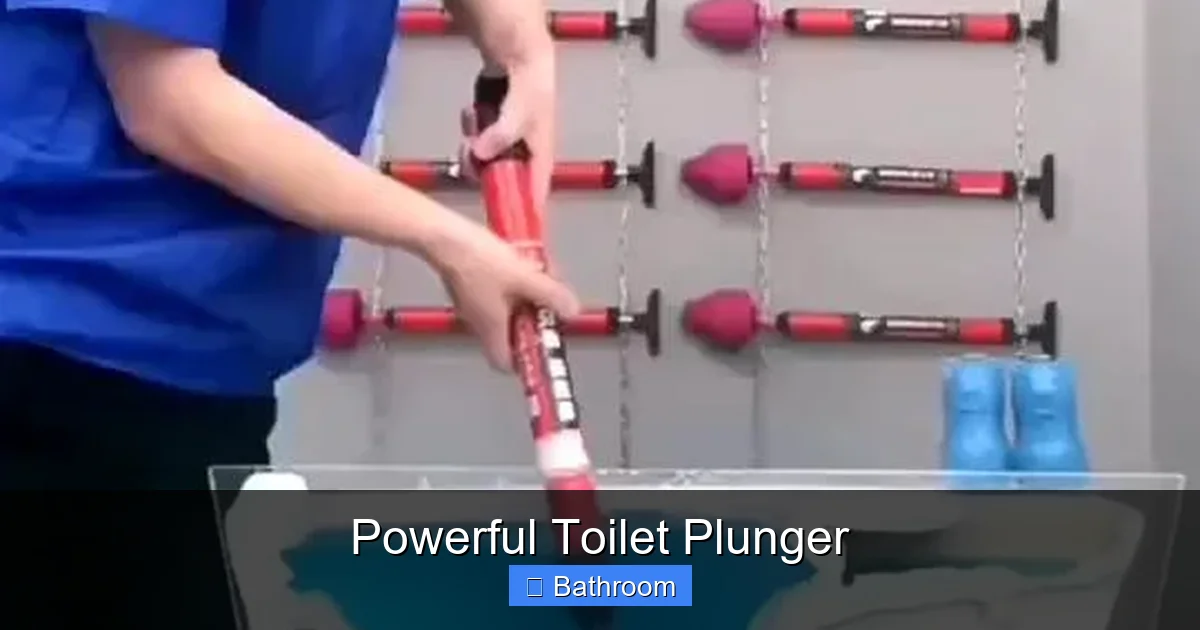
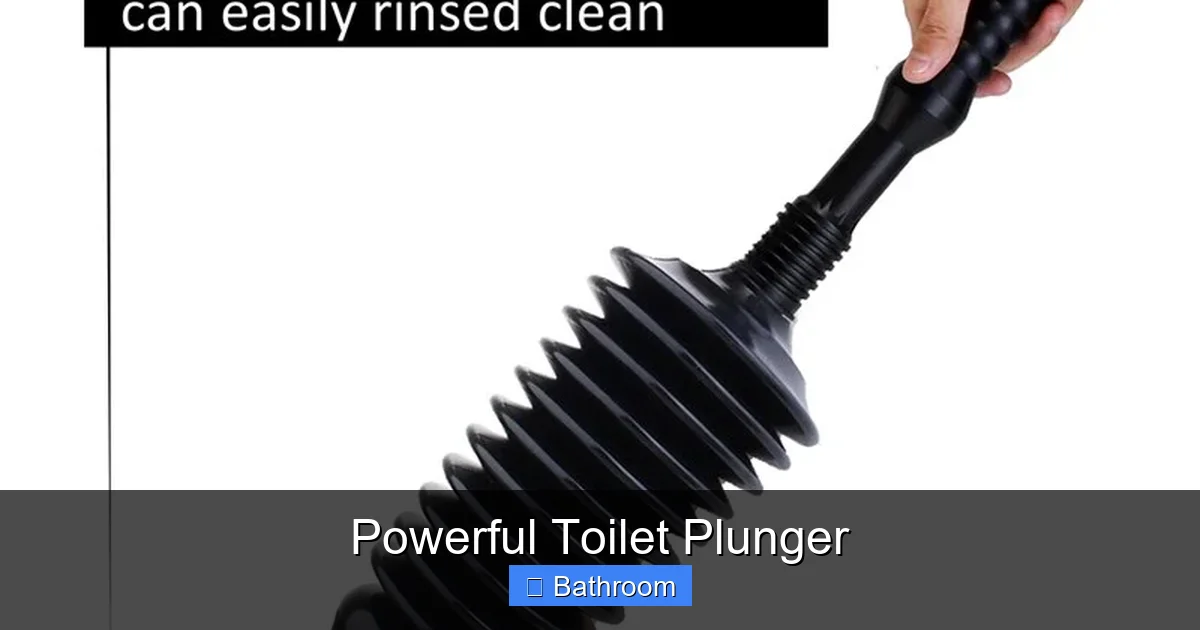
At its core, a powerful toilet plunger operates on the principle of air pressure and vacuum. When you push down and pull up rapidly on the plunger, you create a pressure differential that pulls the clog deeper into the pipe or dislodges it entirely. A powerful plunger enhances this process through several design features.
Visual guide about Powerful Toilet Plunger
Image source: images.nexusapp.co
The Role of the Flange Design
The flange—a small extension at the bottom of most plungers—is crucial. It fits snugly into the toilet drain hole, creating a tight seal. This seal is what allows the plunger to build pressure. Without it, air escapes, and the suction power drops significantly. A powerful plunger’s flange is often made of high-quality rubber or silicone, ensuring flexibility and durability for repeated use.
Ergonomic Handles for Better Control
Many powerful plungers feature contoured, non-slip handles that distribute pressure evenly across your hand. This reduces strain and improves grip, especially during prolonged plunging. Some even have double handles for two-handed operation, giving you more control over the motion.
Rapid Up-and-Down Motion
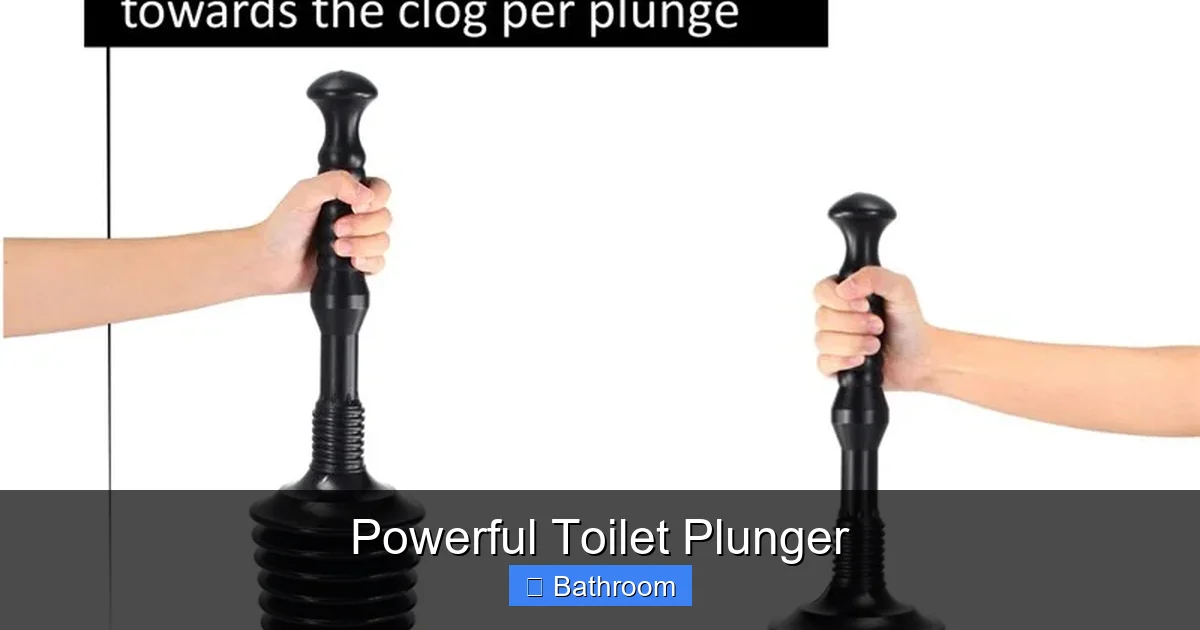
Speed matters. A powerful plunger encourages a fast, rhythmic motion—pushing down to create pressure, then pulling up quickly to generate suction. This motion helps dislodge clogs that a slow, steady plunge might not affect.
Think of it like this: You’re not just pushing against the clog—you’re creating a vacuum that pulls it apart. The faster and more consistently you apply pressure, the more effective the plunger becomes.
Types of Powerful Toilet Plungers: Which One Is Right for You?
Not all plungers are created equal. While a basic cup plunger works for sinks, toilets require a different design. Here’s a breakdown of the most effective types of powerful toilet plungers:
Visual guide about Powerful Toilet Plunger
Image source: images.nexusapp.co
Flange Plungers (The Toilet Specialists)
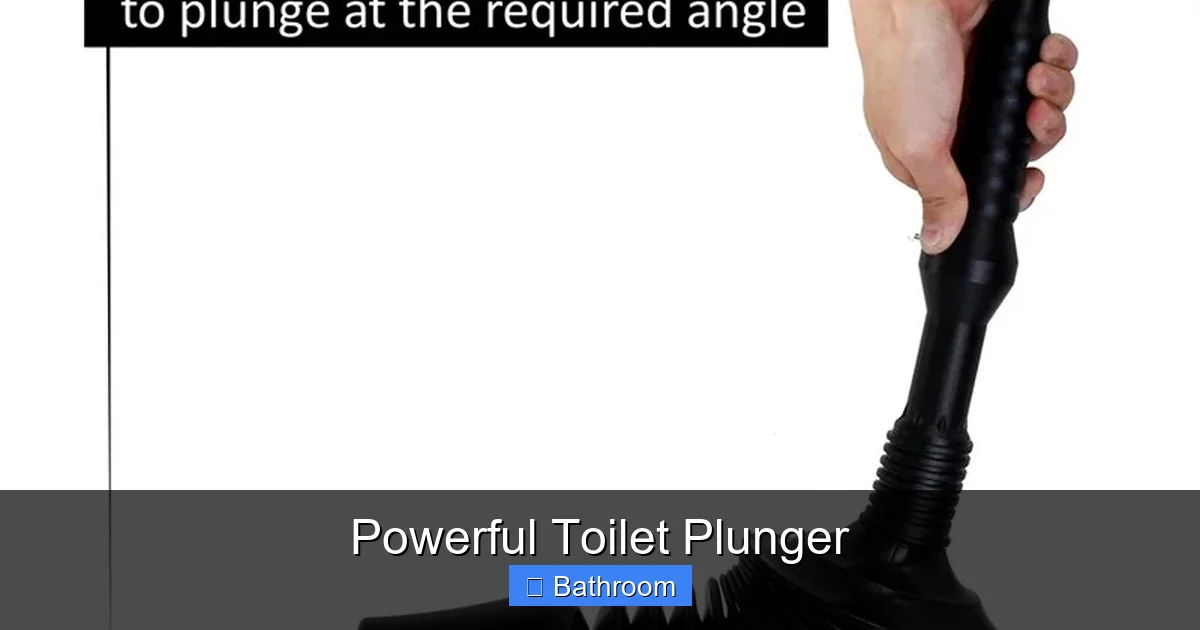
The flange plunger is the gold standard for toilets. Its flared bottom with a protruding rubber ring fits perfectly into the toilet drain. This design maximizes suction and prevents air leakage. Most powerful plungers are flange-style, making them ideal for tackling toilet clogs.
Dual-Action Plungers
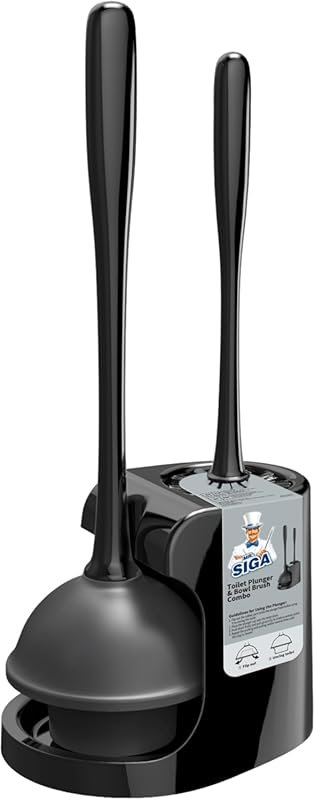
These innovative plungers combine the flange design with a secondary cup on the side. One end is for toilets, the other for sinks or tubs. This dual functionality makes them versatile and space-saving, perfect for small bathrooms.
Heavy-Duty Rubber Plungers
Made from thick, durable rubber, these plungers resist wear and tear. They maintain their shape longer than foam or cheaper rubber models, ensuring consistent suction over time. Ideal for frequent use or households with children or pets.
Silicone Plungers
Silicone plungers are softer and more flexible than rubber, allowing them to conform better to the toilet drain. They’re less likely to scratch porcelain and are easier to clean. However, they may not last as long under heavy use.
When choosing a powerful toilet plunger, consider your bathroom setup, frequency of use, and whether you need multi-fixture capability. A flange plunger is usually the best starting point for toilet-specific clogs.
Benefits of Using a Powerful Toilet Plunger
Beyond just unclogging toilets, a powerful plunger offers several advantages that make it a must-have household tool.
Visual guide about Powerful Toilet Plunger
Image source: images.nexusapp.co
1. Fast and Effective Results
With proper technique, a powerful plunger can clear a clog in under a minute. This speed prevents water from spilling over and minimizes mess. Unlike chemical cleaners that take hours or require multiple applications, a plunger works immediately.
2. Safe for Pipes and Fixtures
Using a plunger avoids harsh chemicals that can corrode pipes, damage seals, or harm the environment. It’s a natural, non-toxic solution that protects your plumbing system while solving the problem.
3. Cost-Effective
Professional plumbing services can cost $100–$300 for a simple unclog. A powerful toilet plunger costs under $20 and can last years with proper care. That’s a huge savings, especially for frequent clogs.
4. Environmentally Friendly
No chemicals mean less plastic waste from emptying bottles and fewer toxins entering waterways. Using a plunger reduces your carbon footprint and supports sustainable living.
5. Emergency Preparedness
In case of a plumbing emergency—like a clogged toilet during a party or a burst pipe—having a powerful plunger on hand means you’re ready to act quickly. It’s a small investment for peace of mind.
How to Use a Powerful Toilet Plunger Like a Pro
Even the most powerful plunger won’t work miracles without proper technique. Here’s how to use it effectively:
Step 1: Prepare the Area
Remove any rugs or towels near the toilet. Place a bucket or old towel under the rim to catch splashes. Flush the toilet to see how full the bowl is—this helps you assess the clog.
Step 2: Position the Plunger
Insert the plunger into the toilet drain so the flange fits snugly inside. Make sure the rubber cup is centered and covers the entire drain opening. A tight seal is essential for suction.
Step 3: Apply Pressure and Create a Seal
Press down gently at first to ensure a good seal. Then, push down firmly to expel air and water from the bowl. Hold the handle steady to maintain pressure.
Step 4: Rapid Up-and-Down Motion
Now, pull up quickly and release the plunger. Repeat this motion 10–15 times. The rapid change in pressure helps break up the clog. Avoid slow, steady plunging—it’s less effective.
Step 5: Test the Drain
After plunging, flush the toilet to see if the clog is cleared. If water drains slowly, repeat the process. If it’s still blocked, you may need to use a drain snake or call a plumber.
Pro Tip:
For stubborn clogs, try using hot water first. Pour a kettle of hot (not boiling) water into the bowl before plunging. The heat softens waste and helps break up blockages.
Maintenance and Care for Your Powerful Toilet Plunger
To keep your powerful toilet plunger in top condition, follow these simple care tips:
Clean After Every Use
Rinse the plunger thoroughly with hot water after each use. Use a mild soap if needed, but avoid harsh chemicals that can degrade the rubber or silicone.
Disinfect Regularly
Soak the plunger in a mixture of water and vinegar or a diluted bleach solution (1 part bleach to 10 parts water) for 10 minutes once a week. This kills bacteria and mold.
Store Properly
Hang the plunger upside down using a hook or stand. This allows air to circulate and prevents moisture buildup, which can cause mildew. Avoid storing it in a damp cabinet.
Inspect for Damage
Check the rubber or silicone for cracks, tears, or loss of elasticity. A worn plunger loses suction power. Replace it every 1–2 years or sooner if it shows signs of damage.
Avoid Cross-Contamination
Use separate plungers for toilets and sinks if possible. If you must use one plunger for multiple fixtures, clean it thoroughly between uses to prevent spreading germs.
Common Toilet Clogs and How a Powerful Plunger Solves Them
Not all clogs are the same. Understanding the cause helps you choose the right approach—and confirms that a powerful plunger is often the best solution.
Paper Product Buildup
Toilet paper is designed to dissolve, but excessive use or hard water can cause slow drainage. A powerful plunger creates enough force to break up paper clumps and push them through the trap.
Hair and Soap Scum
In bathrooms with showers, hair and soap residue can enter the toilet through overflow pipes or splashing. These materials form sticky blockages that a plunger’s suction can dislodge.
Foreign Objects
Kids sometimes flush toys, wipes, or other objects. While a plunger can’t remove large items, it can help clear partial blockages until the object can be retrieved.
Grease or Oil Residue
If grease or cooking oil enters the toilet (e.g., from a kitchen sink backup), it can harden and clog the pipes. Hot water and plunging work together to melt and move the grease.
Root Intrusion (Less Common)
In older homes, tree roots can enter pipes through cracks. A plunger won’t fix this, but it can help clear minor backups until a plumber can address the root cause.
In all these cases, a powerful plunger offers a safe, effective first step. It’s the tool you reach for when the clog is small to medium—and often the only tool you’ll need.
When Not to Use a Plunger: Knowing When to Call a Plumber
While a powerful toilet plunger is incredibly useful, it’s not a cure-all. Recognizing when to stop plunging and call a professional saves you time, money, and frustration.
Persistent Clogs After Multiple Attempts
If you’ve plunged for over 5–10 minutes and the water still won’t drain, the clog is likely too deep or too hard for a plunger to handle.
Foul Odors That Won’t Go Away
A clogged toilet often causes bad smells. If plunging doesn’t eliminate the odor, there may be a deeper blockage or a broken seal in the pipe.
Multiple Drains Are Slow
If your sink, tub, or shower is also draining slowly, the issue is likely in the main sewer line—something a plunger can’t fix.
Water Backing Up into Other Fixtures
If water rises in your bathtub or sink when you flush the toilet, there’s a serious blockage in the main line. This requires immediate professional attention.
Cracks or Damage to the Toilet
Excessive force during plunging can crack porcelain or loosen the toilet from its wax seal. If you notice cracks or leaks, stop using the plunger and call a plumber.
Remember: A powerful plunger is a tool, not a miracle worker. Use it wisely, and know its limits. When in doubt, it’s better to call a professional than risk further damage.
Top Features to Look for in a Powerful Toilet Plunger
With so many options on the market, choosing the right plunger can be overwhelming. Focus on these key features to find the best one for your needs:
High-Quality Rubber or Silicone
The material determines durability and suction. Rubber is tough and long-lasting; silicone is softer and more flexible. Both should resist tearing and maintain shape.
Flange Design
A flange ensures a tight seal in the toilet drain. Avoid cup-style plungers for toilets—they won’t create enough suction.
Ergonomic Handle
Look for a handle with a comfortable grip and non-slip surface. Some models have contoured or padded handles for added comfort.
Compact and Lightweight
A good plunger should be easy to store and carry. Avoid bulky models that take up too much space in your bathroom cabinet.
Easy-to-Clean Surface
Choose a plunger that rinses off quickly and resists sticking to dirt. Smooth surfaces are easier to disinfect.
Brand Reputation
Stick with trusted brands known for quality bathroom tools. Read reviews to see how others rate suction power, durability, and ease of use.
Investing in a high-quality powerful toilet plunger means fewer clogs, less frustration, and longer-lasting performance.
Conclusion: Why a Powerful Toilet Plunger Belongs in Every Home
From overflowing toilets to stubborn clogs, plumbing issues can disrupt your day—but a powerful toilet plunger can turn a stressful situation into a quick fix. This unassuming tool packs serious punch, combining suction, design, and ease of use to clear blockages fast and safely. Whether you’re dealing with paper buildup, hair, or foreign objects, the right plunger makes the job effortless.
Beyond its practical benefits, a powerful plunger saves you money, protects your pipes, and reduces environmental impact. It’s a small investment that pays off in peace of mind and convenience. And with proper care, it can last for years, ready to handle whatever mess comes your way.
So the next time your toilet acts up, don’t panic. Grab your powerful toilet plunger—it’s the hero your bathroom needs. With the right technique and a little know-how, you’ll be back to normal in no time. After all, a clean, flowing toilet is just a few plunges away.
Frequently Asked Questions
How do I choose the best powerful toilet plunger for my home?
Look for a flange-style plunger made of high-quality rubber or silicone. Ensure it has an ergonomic handle and a tight seal design. A dual-action plunger is great if you need to unclog sinks too.
Can a powerful toilet plunger damage my toilet?
No, a properly used plunger won’t damage your toilet. However, excessive force or using it on a cracked toilet can cause harm. Always use gentle, rapid motions and avoid slamming the plunger.
How often should I replace my toilet plunger?
Replace your plunger every 1–2 years, or sooner if you notice cracks, tears, or loss of suction. Regular use and proper cleaning extend its lifespan.
Is it okay to use a plunger for a clogged sink?
Yes, but use a cup plunger for sinks and a flange plunger for toilets. Don’t use the same plunger for both unless you clean it thoroughly in between to avoid cross-contamination.
What should I do if the plunger doesn’t work?
If the clog persists after 10–15 plunges, try a drain snake or enzymatic cleaner. For serious blockages, call a plumber to inspect the pipes.
Can I use hot water with the plunger?
Yes, pour a kettle of hot (not boiling) water into the toilet bowl before plunging. The heat helps soften clogs and improves suction efficiency.