Professional Toilet Plunger
A professional toilet plunger is more than just a simple tool—it’s a powerhouse for clearing stubborn clogs and keeping your bathroom running smoothly. Designed with ergonomic handles and superior suction, it delivers powerful results without damaging your plumbing. Whether you’re dealing with a full backup or a slow drain, investing in a quality plunger ensures fast, effective, and hygienic unclogging every time.
Key Takeaways
- Durability and Design: Professional plungers are built with high-quality materials like heavy-duty rubber and reinforced handles for long-lasting performance.
- Superior Suction Power: The flared bell design ensures a tight seal on the toilet bowl, creating maximum suction to dislodge even the toughest clogs.
- Hygiene Features: Many models include antimicrobial coatings or come with disposable plunger covers to prevent cross-contamination.
- Ease of Use: Ergonomic handles and balanced weight distribution make plunging effortless, even for those with limited strength or mobility.
- Versatility: While designed for toilets, many professional plungers can also tackle sinks and tubs with the right technique.
- Maintenance Matters: Proper cleaning and storage extend the life of your plunger and keep it ready for use when needed.
- When to Call a Pro: If plunging fails after multiple attempts, you may have a serious blockage that requires professional plumbing services.
📑 Table of Contents
- What Is a Professional Toilet Plunger?
- Why You Need a Professional Toilet Plunger at Home
- How a Professional Toilet Plunger Works
- Choosing the Right Professional Toilet Plunger
- Maintenance and Care for Your Plunger
- When to Use a Plunger vs. Other Tools
- Top Brands and Models of Professional Toilet Plungers
- DIY Tips for Better Plunging Results
- Conclusion: Why a Professional Toilet Plunger Belongs in Every Home
What Is a Professional Toilet Plunger?
A professional toilet plunger is a specialized plumbing tool designed to clear stubborn clogs in toilet bowls with maximum efficiency. Unlike standard household plungers, these are built with enhanced durability, ergonomic design, and superior suction capabilities. They’re commonly used in commercial restrooms, hospitals, restaurants, and by professional plumbers who need reliable tools for frequent use.
What sets a professional plunger apart is its robust construction. Most feature a flared, wide-bell rubber cup that creates a tight seal over the toilet drain. This design allows for deeper suction and more powerful pressure when plunging. Additionally, many models include reinforced handles, non-slip grips, and even antimicrobial coatings to ensure hygiene and longevity. Whether you’re dealing with a full backup or a slow drain, a professional plunger is engineered to handle the toughest blockages without damaging your plumbing.
Why You Need a Professional Toilet Plunger at Home
While a basic plunger might work in a pinch, having a professional toilet plunger at home makes a world of difference. Standard plungers often lack the seal and power needed for modern toilets, especially those with elongated bowls or pressure-assisted flushing systems. Over time, using a subpar plunger can even push clogs deeper into your pipes, making the problem worse.

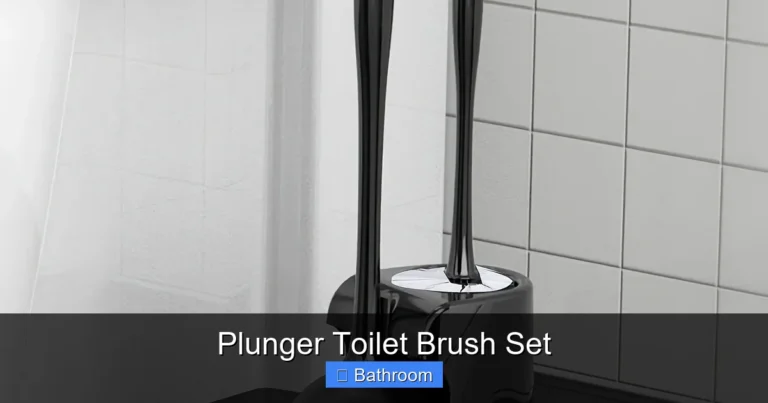
Visual guide about Professional Toilet Plunger
Image source: thumbs.dreamstime.com
Investing in a professional-grade tool means you’re prepared for any clog—no matter how stubborn. These plungers are designed to work faster and more effectively, reducing the time and effort required to clear blockages. Plus, their durable build means they won’t crack or wear out after a few uses. Whether you live in an older home with outdated plumbing or a modern house with high-efficiency fixtures, a professional plunger ensures you’re ready for whatever comes down the drain.
The Anatomy of a Professional Toilet Plunger
Understanding the parts of your plunger helps you use it more effectively and maintain it properly. Let’s break down the key components:
- Flared Bell Cup: This wide, bell-shaped rubber head creates the seal needed for strong suction. A well-designed cup ensures full contact with the toilet rim, maximizing pressure.
- Reinforced Handle: Sturdy, often metal-reinforced handles provide better leverage and reduce hand fatigue during use.
- Non-Slip Grip: Many professional models feature textured or rubberized handles for a secure hold, even when wet.
- Antimicrobial Coating: Some high-end plungers include silver-ion or copper-infused rubber to inhibit bacteria growth.
- Disposable Covers: Certain models come with replaceable plastic or silicone sleeves that can be thrown away after each use, enhancing hygiene.
When shopping for a professional plunger, look for these features. They not only improve performance but also make cleaning and storage much easier.
How a Professional Toilet Plunger Works
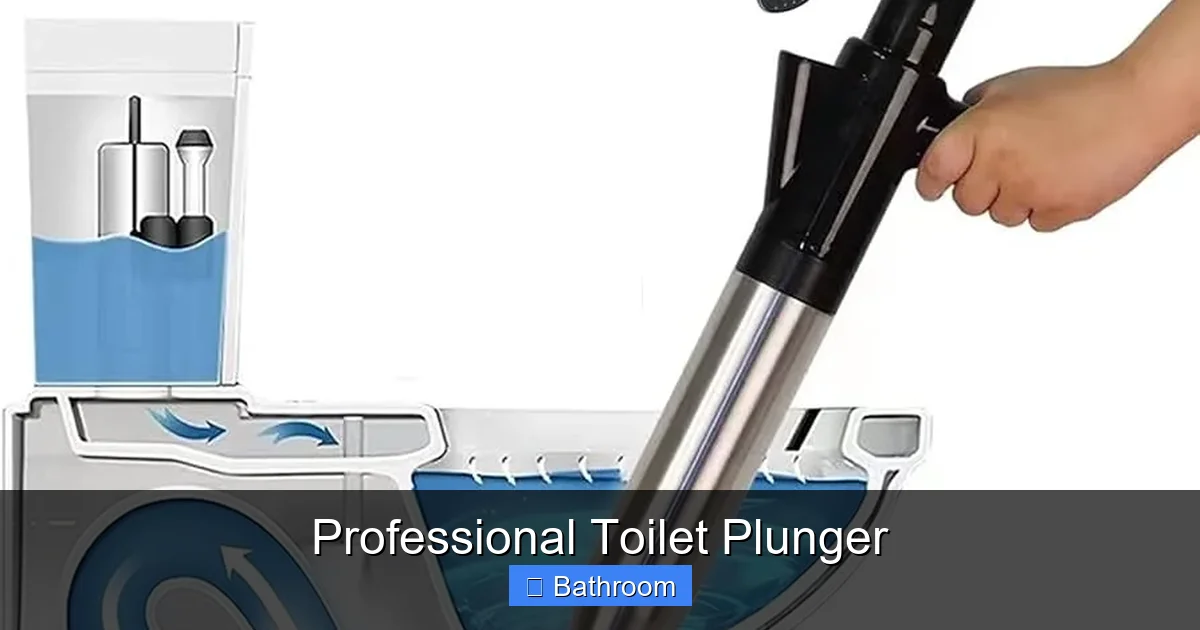
The science behind plunging is simple but powerful: pressure and suction. When you press the plunger down, you create a vacuum that forces air and water into the clog. Then, when you pull up, the sudden release of pressure dislodges the blockage. A professional plunger enhances this process with a tighter seal and more consistent motion.
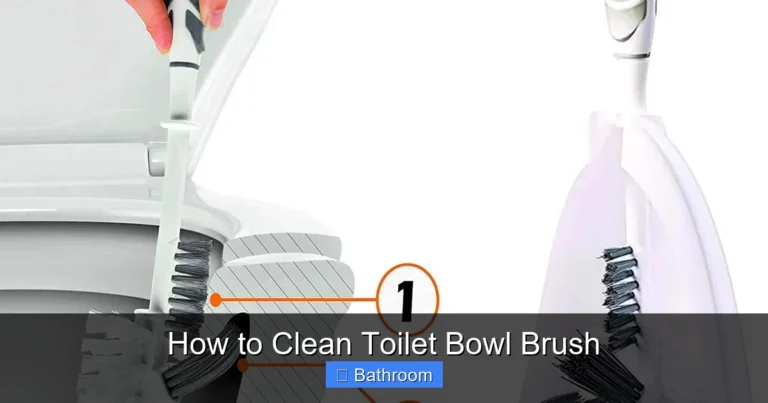
Visual guide about Professional Toilet Plunger
Image source: hishecozy.com
Here’s a step-by-step breakdown of how to use your plunger effectively:
- Position the Plunger: Place the flared bell over the drain hole, ensuring it’s fully covered and sealed.
- Create the Seal: Press down gently at first, then push down firmly to eliminate air pockets and create a tight seal.
- Apply Pressure: Use steady, rhythmic plunging motions—don’t just push down. Alternate between pushing and pulling to build suction.
- Check for Results: After 10–15 plunges, lift the plunger and flush the toilet. If the water drains quickly, you’re done. If not, repeat.
Pro tip: Always use a plunger with a professional toilet plunger design. Its superior seal and balance make the process faster and more effective, even for tough clogs caused by hair, toilet paper, or foreign objects.
Common Clogs and How Your Plunger Handles Them
Not all clogs are created equal. Some are easy to fix, while others require more force and technique. Here’s how a professional plunger tackles the most common blockages:
- Hair and Soap Scum: These build up in pipes over time, especially in older homes. A strong suction from a professional plunger can break them apart and flush them away.
- Excessive Toilet Paper: Modern toilets are designed to handle plenty of paper, but overloading the bowl can cause backups. A well-sealed plunger creates enough pressure to dissolve and push through the paper.
- Foreign Objects: Items like toys, wipes, or feminine hygiene products often cause serious blockages. A professional plunger’s deep suction can dislodge these, though sometimes they may need to be removed manually.
- Toilet Bowl Obstructions: Sometimes, something gets stuck in the S-trap. A plunger with a wide, flared bell is ideal for creating the pressure needed to clear this.
Remember: if the plunger doesn’t work after several attempts, the clog may be deeper in the plumbing. At that point, it’s time to consider a drain snake or professional help.
Choosing the Right Professional Toilet Plunger
With so many options on the market, selecting the best professional toilet plunger can feel overwhelming. But by focusing on a few key factors, you can make a smart choice that fits your needs and budget.

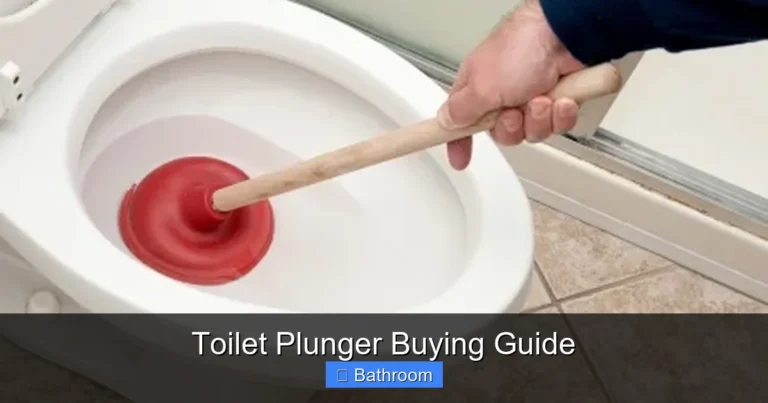
Visual guide about Professional Toilet Plunger
Image source: thumbs.dreamstime.com
Material Matters
The most common materials are:
- Rubber: Durable and flexible, rubber plungers create excellent seals and resist wear. Look for heavy-duty, thick rubber for long-term use.
- Silicone: Less common but gaining popularity. Silicone is more flexible and easier to clean, though it may not be as durable as rubber.
- Plastic: Usually found in disposable or budget models. Avoid these if you want a professional-grade tool.
For true performance, go with a rubber plunger from a reputable brand. They’re built to last and handle repeated use without losing their shape.
Size and Fit
Toilets come in two main bowl shapes: round and elongated. Most professional plungers are designed for elongated bowls, which are more common in North America. Make sure the plunger’s bell matches your toilet’s rim size. A plunger that’s too small won’t create a proper seal, while one that’s too large may be unwieldy.
Ergonomics and Comfort
Plunging can be tiring, especially if you’re dealing with a stubborn clog. Look for a plunger with:
- A balanced weight distribution
- A long, sturdy handle
- A non-slip grip
- Lightweight construction without sacrificing strength
Some models even include a telescoping handle for easier reach, which is helpful in larger bathrooms or for people with mobility issues.
Hygiene Features
Since plungers come into contact with waste, hygiene is a top concern. Modern professional models often include:
- Antimicrobial rubber
- Disposable plunger covers
- Easy-to-clean designs with smooth surfaces
After each use, rinse your plunger thoroughly with hot water and mild soap. For extra cleanliness, soak it in a diluted bleach solution (1 part bleach to 9 parts water) for 10 minutes, then rinse well.
Maintenance and Care for Your Plunger
Even the best professional toilet plunger won’t last forever—but with proper care, it can serve you for years. Here’s how to keep it in top condition:
Cleaning After Use
Never leave a used plunger sitting in the bathroom. Rinse it immediately with hot water to remove any residue. Then, scrub the rubber cup with a mild detergent or vinegar solution to prevent mold and odors. Avoid harsh chemicals that could degrade the rubber over time.
Drying and Storage
After cleaning, let your plunger air-dry completely before storing it. Store it upright in a well-ventilated area, away from direct sunlight or heat sources. Some people hang theirs on a hook to keep it off the floor and prevent contamination.
Inspecting for Wear
Check your plunger regularly for cracks, tears, or loss of elasticity in the rubber cup. A worn-out plunger won’t seal properly, reducing its effectiveness. Replace it every 6–12 months, depending on use.
Replacing Plunger Covers
If your plunger uses disposable covers, replace them after each use. These plastic sleeves create a barrier between the rubber and your hands, improving hygiene and reducing the need for constant cleaning.
Proper maintenance not only extends the life of your plunger but also ensures it’s always ready when you need it.
When to Use a Plunger vs. Other Tools
A professional toilet plunger is your first line of defense against clogs, but it’s not the only tool in the toolbox. Understanding when to use it—and when to call in reinforcements—can save you time and prevent damage.
Plunger First
Use a plunger for:
- Soft clogs caused by paper or hair
- Recent backups
- Minor slow drains
It’s fast, inexpensive, and non-invasive. Most household clogs can be cleared this way.
When to Upgrade
Move on to other tools if:
- The plunger doesn’t work after 2–3 attempts
- You hear gurgling or notice water backing up in other drains
- There’s a foul smell coming from the toilet
At this point, consider a drain snake or auger. These tools can reach deeper into pipes to break up blockages that a plunger can’t handle.
Knowing When to Call a Pro
If you’ve tried plunging, snaking, and even chemical drain cleaners (which can damage pipes over time) and the clog remains, it’s time to call a licensed plumber. Persistent blockages may indicate a more serious issue, like a collapsed pipe, tree root intrusion, or sewer line damage.
Don’t delay—repeated clogs can lead to costly repairs if left untreated.
Top Brands and Models of Professional Toilet Plungers
Not all plungers are created equal. Here are some of the most trusted brands and models known for quality and performance:
- Korky Professional Plunger: Features a flared rubber cup and ergonomic handle. Known for durability and ease of use.
- Fluidmaster Plunger: Comes with a telescoping handle and antimicrobial rubber. Great for larger bathrooms.
- Oatey Plunger: Offers both rubber and silicone options. The silicone model is lightweight and easy to clean.
- Klein Tools Plunger: A favorite among plumbers, this model has a reinforced steel handle and heavy-duty rubber.
- Mr. Rooter Plunger: Designed for professionals, it includes a disposable cover and deep suction cup.
When choosing a brand, read reviews, check for warranties, and consider how often you’ll use the plunger. For occasional use, a mid-range model may suffice. For frequent use or commercial settings, invest in a premium option.
Where to Buy
You can find professional plungers at:
- Home improvement stores (Home Depot, Lowe’s)
- Hardware stores (Ace, True Value)
- Online retailers (Amazon, eBay)
- Plumbing supply shops
Buying online often gives you access to customer reviews and competitive pricing. Just make sure to check return policies in case the plunger doesn’t fit your toilet.
DIY Tips for Better Plunging Results
Even with the best professional toilet plunger, technique matters. Here are some pro tips to maximize your results:
- Use Hot Water: Pour a few inches of hot (not boiling) water into the bowl before plunging. This helps dissolve grease and soap scum.
- Seal the Overflow: If your toilet has an overflow tube, cover it with a cloth or tape to prevent air from escaping and maintain suction.
- Plunge in Short Bursts: Instead of continuous pushing, use quick, rhythmic motions. This builds pressure more effectively.
- Flush Immediately After: Once the clog clears, flush right away to test the result and prevent re-clogging.
These small adjustments can make a big difference, especially with stubborn blockages.
Preventing Future Clogs
The best way to avoid clogs is prevention. Here’s how:
- Never flush anything other than toilet paper and human waste.
- Use less paper per flush—especially if you have a septic system.
- Install a drain strainer in the sink to catch hair and debris.
- Regularly clean your toilet bowl and plunger to prevent buildup.
- Consider a plunger with a professional toilet plunger design for faster, more reliable unclogging.
With a little routine, you can keep your plumbing clear and your bathroom running smoothly.
Conclusion: Why a Professional Toilet Plunger Belongs in Every Home
In the world of home maintenance, few tools are as essential—or as underrated—as the plunger. While it may seem simple, a professional toilet plunger is a game-changer when it comes to tackling clogs quickly and effectively. Its superior design, durability, and suction power make it far more capable than standard models, ensuring you’re prepared for whatever comes down the drain.
Whether you’re dealing with a full backup, a slow drain, or just want to be ready for emergencies, investing in a quality plunger is a smart move. It’s affordable, easy to use, and can save you from costly plumbing calls. Plus, with proper care, it will last for years, serving as a reliable backup whenever you need it.
So, if you’re still using a flimsy, cracked plunger from your grandparents’ house—it’s time for an upgrade. Choose a professional-grade model, learn the right technique, and you’ll wonder how you ever managed without one. Your bathroom (and your sanity) will thank you.
Frequently Asked Questions
What makes a professional toilet plunger different from a regular one?
A professional toilet plunger features a flared bell design for a tighter seal, heavy-duty rubber or silicone, and ergonomic handles. These improvements provide stronger suction and durability, making it more effective at clearing tough clogs compared to standard models.
How often should I replace my plunger?
Replace your plunger every 6 to 12 months, depending on use. Look for signs of wear like cracks, tears, or loss of elasticity in the rubber cup. Even with proper care, plungers degrade over time and won’t perform well if damaged.
Can I use a professional plunger on sinks and tubs?
Yes, but with caution. Most professional plungers are designed for toilets. For sinks and tubs, ensure the plunger fits the drain size and avoid using excessive force, as it may damage the plumbing. A plunger with a universal design works best for multi-purpose use.
Are plunger covers necessary?
Plunger covers are not required but highly recommended for hygiene. They create a barrier between the rubber and your hands, reduce the need for frequent cleaning, and are especially useful in homes with multiple users or pets.
What should I do if the plunger doesn’t work?
If the plunger fails after several attempts, try a drain snake or auger to reach deeper clogs. If the problem persists, there may be a serious blockage in the main line. In that case, call a licensed plumber to avoid causing further damage.
How do I clean my professional plunger properly?
After each use, rinse the plunger with hot water and scrub it with mild soap or a vinegar solution. For extra disinfection, soak it in a 1:9 bleach solution for 10 minutes, then rinse thoroughly. Let it air-dry completely before storing upright in a ventilated area.