Should Smart Bulbs Get Hot
Should smart bulbs get hot? Yes, but only slightly. Smart bulbs, like traditional bulbs, generate heat when powered, but modern designs are built to manage that heat safely. Overheating can signal a problem, not a feature. Understanding how heat works in smart bulbs helps you use them wisely and avoid risks.
Key Takeaways
- Smart bulbs do get warm, not hot. Normal operation produces mild warmth, similar to a lightbulb on a lamp.
- Overheating may indicate a defect or poor ventilation. If bulbs feel excessively hot, unplug them and inspect for issues.
- Heat affects lifespan and performance. Prolonged high temperatures can reduce bulb longevity and color accuracy.
- LED technology generates less heat than incandescent bulbs. This makes smart LED bulbs safer and more efficient.
- Proper placement improves heat dissipation. Avoid enclosed fixtures or tight spaces to keep bulbs cool.
- Manufacturers design safety features to prevent overheating. These include thermal cutoffs and heat-resistant materials.
- Monitor your smart bulbs regularly. Use apps to check usage patterns and detect abnormal behavior.
📑 Table of Contents
- Should Smart Bulbs Get Hot? A Complete Guide to Heat and Smart Lighting
- Understanding How Smart Bulbs Work
- Normal vs. Abnormal Heat: What’s Safe?
- Why Smart Bulbs Get Hot: The Science Explained
- When Heat Becomes a Problem: Risks and Dangers
- How to Keep Your Smart Bulbs Cool and Safe
- Smart Bulbs vs. Traditional Bulbs: A Heat Comparison
- What to Do If Your Smart Bulb Gets Too Hot
- Future of Smart Bulbs and Thermal Design
- Conclusion: Yes, Smart Bulbs Can and Should Run Warm—But Not Too Hot
Should Smart Bulbs Get Hot? A Complete Guide to Heat and Smart Lighting
Imagine turning on your smart bulb in the living room, only to notice it feels unusually warm to the touch. You pause, wondering: Is this normal? Should smart bulbs get hot? These questions are more common than you think—and for good reason. As smart home technology becomes part of our daily routines, understanding how our devices behave under normal and abnormal conditions is essential.
Smart bulbs are more than just lighting solutions; they’re connected devices packed with sensors, microchips, and wireless technology. Because of this complexity, many users worry about safety, especially when it comes to heat. After all, if a regular incandescent bulb can get warm, how much hotter could a smart bulb get? And more importantly—should it?
In this article, we’ll explore the science behind smart bulb heating, why they get warm, when it’s a cause for concern, and how to keep your smart lighting system safe and efficient. Whether you’re a new smart home owner or a seasoned tech enthusiast, this guide will help you make informed decisions about your lighting choices.
Understanding How Smart Bulbs Work
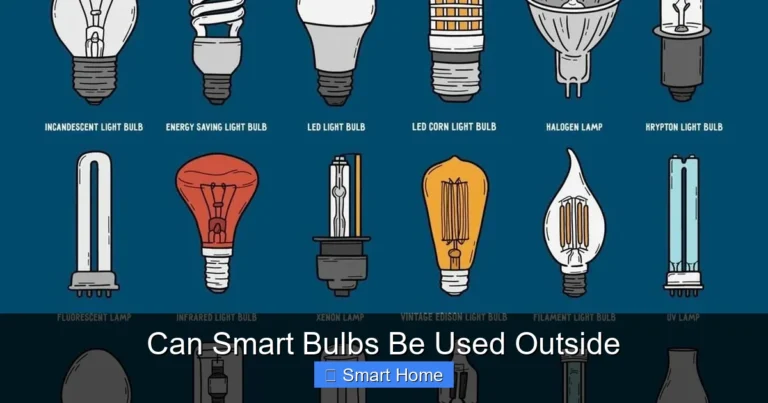
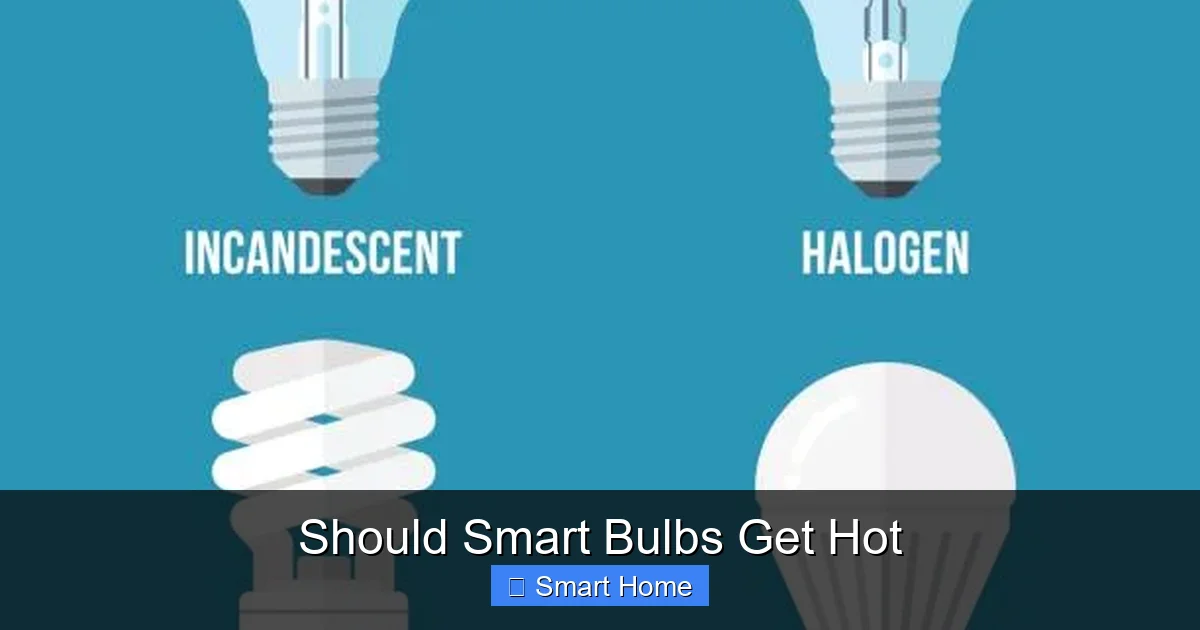
Before we dive into heat, let’s first understand what makes smart bulbs different from traditional bulbs. At their core, smart bulbs use LED (Light Emitting Diode) technology. Unlike incandescent bulbs, which produce light by heating a filament until it glows, LEDs generate light through a semiconductor process. This process is far more energy-efficient and produces significantly less heat.
Visual guide about Should Smart Bulbs Get Hot
Image source: lamphq.com
The Role of Electronics Inside Smart Bulbs
Unlike simple bulbs, smart bulbs contain tiny circuits, processors, and wireless modules (like Wi-Fi or Zigbee) to enable features such as voice control, scheduling, and color changing. These components consume power and generate heat—just like your smartphone or laptop does when running apps.
For example, when you use the Amazon Alexa to dim your smart bulb, the bulb’s internal processor adjusts the light output. This adjustment requires electricity, and electricity flowing through circuits creates heat. So, while the LED itself may not get extremely hot, the electronics inside do generate some warmth.
Why Smart Bulbs Are Designed to Run Warm
Manufacturers design smart bulbs to operate safely within a temperature range. Most smart LED bulbs are rated to function between 32°F and 104°F (0°C to 40°C), and they’re built to dissipate heat efficiently. The outer casing—often made of plastic or metal—acts as a heat sink, helping to keep internal components cool.
Think of it like a car engine. Engines get hot when running, but they’re designed with cooling systems (like fans and radiators) to manage that heat. Smart bulbs are similar—they’re built to handle normal heat output without damage.
Normal vs. Abnormal Heat: What’s Safe?
Now that we know smart bulbs do generate heat, the real question is: How warm is too warm? Let’s break it down.

Visual guide about Should Smart Bulbs Get Hot
Image source: craftycedar.com
What Is Normal Heat?
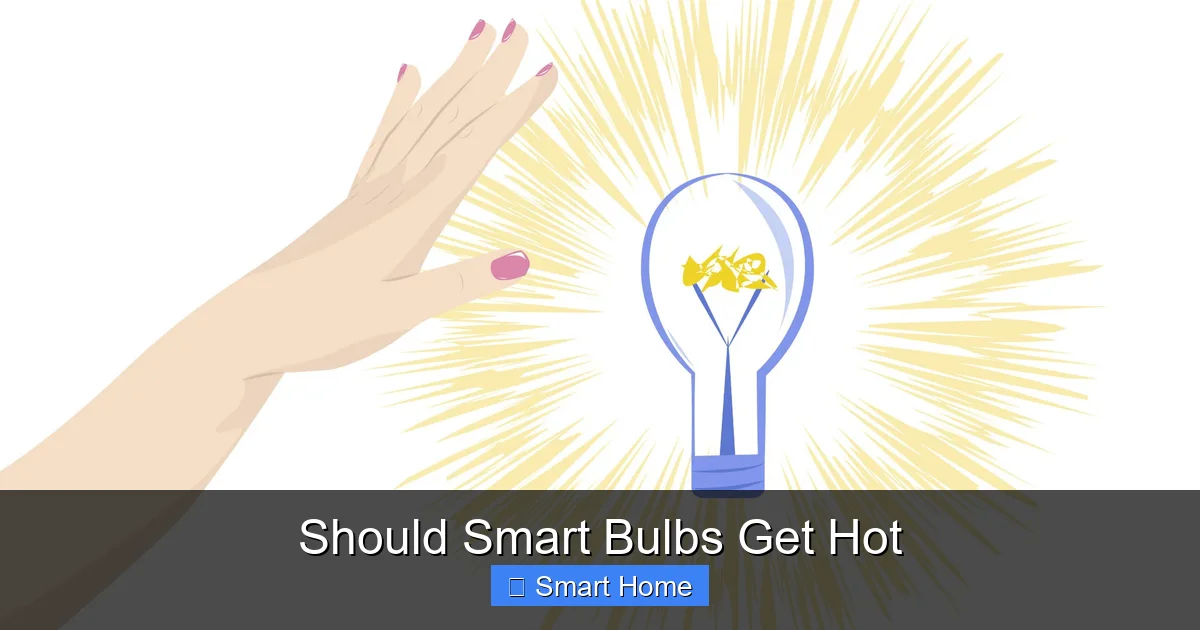
During normal operation, a smart bulb may feel slightly warm—like a lightbulb in a bedside lamp after being on for an hour. This warmth is usually between 86°F and 104°F (30°C to 40°C). You might feel it if you touch the bulb gently, but it shouldn’t be uncomfortably hot or burn your fingers.
For comparison, an incandescent bulb can reach temperatures above 180°F (82°C) and is often too hot to touch. Smart LED bulbs, by contrast, stay much cooler—thanks to energy-efficient design.
Signs of Abnormal or Excessive Heat
If your smart bulb feels too hot—like a warm coffee mug—it could signal a problem. Here are some signs to watch for:
- The bulb feels hot even when dimmed or turned off
- It emits a burning smell
- The plastic casing appears discolored or warped
- It flickers or shuts off unexpectedly
- The bulb is installed in an enclosed fixture (like a recessed ceiling light)
If you notice any of these, unplug the bulb immediately and inspect it. Overheating can damage the internal electronics, reduce lifespan, or even pose a fire risk.
Why Smart Bulbs Get Hot: The Science Explained
To understand whether smart bulbs should get hot, we need to look at the physics behind electricity and heat. This section breaks down the science in simple terms.
Visual guide about Should Smart Bulbs Get Hot
Image source: homeupward.com
Electrical Resistance and Heat Generation
When electricity flows through a material, it encounters resistance. This resistance causes energy to be converted into heat—a process known as Joule heating. In smart bulbs, this happens in the LED driver (a small circuit that regulates power) and other electronic components.
Even though LEDs are efficient, no system is 100% perfect. Some energy is lost as heat, which is why even efficient devices warm up during use.
Thermal Management in Smart Bulbs
Manufacturers use several techniques to manage heat:
- Heat sinks: Metal fins that absorb and dissipate heat
- Ventilation: Small gaps in the bulb design allow airflow
- Thermal cutoffs: Safety switches that shut off power if temperatures get too high
- Low-power components: Modern chips are designed to run cool
These features ensure that even under heavy use—like running color cycles or staying on all night—the bulb stays within safe limits.
Heat and Light Output: A Delicate Balance
Interestingly, heat can affect performance. If a smart bulb overheats, it may reduce brightness or change color to protect itself. This is a safety feature, but it can be annoying if you’re trying to create the perfect ambiance for movie night.
For example, if you set your smart bulb to 100% brightness for hours, the internal temperature might rise. To prevent damage, the bulb could automatically dim itself. This is normal—but it shows how heat directly impacts functionality.
When Heat Becomes a Problem: Risks and Dangers
While normal warmth is expected, excessive heat can lead to serious issues. Let’s explore the risks and how to avoid them.
Fire Hazards
One of the biggest concerns with overheating bulbs is fire risk. If a smart bulb gets too hot, especially in an enclosed space, it can ignite nearby materials. The National Fire Protection Association (NFPA) reports that electrical issues—including faulty lighting—account for thousands of home fires each year.
Smart bulbs aren’t inherently more dangerous than traditional bulbs, but their compact design and enclosed fixtures increase risk if not used properly.
Reduced Lifespan
Heat accelerates wear and tear on electronic components. Over time, excessive warmth can:
- Damage the LED chip
- Weaken solder joints
- Cause capacitors to fail
A smart bulb that runs hot may last only half as long as one that operates at normal temperatures.
Performance Issues
Overheating can also affect color accuracy, brightness, and responsiveness. For example, if you use a smart bulb in a bathroom and the room gets steamy, the heat from the bulb combined with humidity might cause it to malfunction.
How to Keep Your Smart Bulbs Cool and Safe
The good news? Most smart bulbs are safe when used correctly. Here are practical tips to keep them running cool and long-lasting.
Use Enclosed Fixtures with Caution
Not all light fixtures are suitable for smart bulbs. Enclosed fixtures—like recessed can lights or globe pendants—trap heat. If you must use a smart bulb in one, choose models labeled “dimmable” or “for enclosed fixtures” and ensure they’re rated for enclosed use.
Example: The Philips Hue White and Color Ambiance bulb is not rated for enclosed fixtures. If installed in a recessed ceiling, it could overheat. Always check the packaging or manufacturer’s website for guidance.
Avoid Blocking Ventilation
Some smart bulbs have small vents or fins. Never cover them with lampshades or decorative covers. Doing so traps heat and increases overheating risk.
Use in Well-Ventilated Areas
Place smart bulbs in rooms with good airflow—like living rooms or kitchens. Avoid placing them near heat sources like radiators or direct sunlight.
Monitor Usage Patterns
If you use smart bulbs for long periods (e.g., as nightlights or ambient lighting), consider setting timers or schedules. This reduces continuous heat buildup.
Choose Quality Brands
Not all smart bulbs are created equal. Stick to reputable brands like Philips Hue, LIFX, or TP-Link Kasa. These companies test their bulbs for safety and thermal performance.
Unplug When Not in Use
While smart bulbs can be left on, unplugging them when not needed (e.g., during summer or when away) can help manage heat and save energy.
Smart Bulbs vs. Traditional Bulbs: A Heat Comparison
To put things in perspective, let’s compare smart bulbs to traditional lighting options.
| Bulb Type | Average Temperature (After 1 Hour) | Energy Efficiency | Heat Output |
|---|---|---|---|
| Incandescent | 180°F+ (82°C+) | Low | High |
| Halogen | 160°F–180°F (71°C–82°C) | Medium | Medium-High |
| CFL (Compact Fluorescent) | 120°F–140°F (49°C–60°C) | High | Medium |
| Smart LED | 86°F–104°F (30°C–40°C) | Very High | Low |
As you can see, smart LED bulbs run the coolest—especially when compared to incandescent and halogen bulbs. This makes them ideal for smart homes where safety and efficiency are priorities.
What to Do If Your Smart Bulb Gets Too Hot
If you suspect your smart bulb is overheating, take these steps immediately:
- Turn off the power. Unplug the bulb or switch off the light.
- Let it cool. Wait 30 minutes before handling.
- Inspect for damage. Look for discoloration, warping, or burnt smells.
- Check the fixture. Ensure it’s not enclosed or overheating.
- Contact support. If the bulb is under warranty, reach out to the manufacturer.
Never ignore persistent heat. Safety should always come first.
Future of Smart Bulbs and Thermal Design
The smart lighting industry is evolving rapidly. Future smart bulbs will likely feature:
- Improved thermal management systems
- Self-cooling materials
- AI-powered usage monitoring to prevent overheating
- Better integration with smart thermostats to manage room temperature
As technology advances, we can expect even cooler-running, safer smart bulbs—making them more reliable and user-friendly.
Conclusion: Yes, Smart Bulbs Can and Should Run Warm—But Not Too Hot
So, should smart bulbs get hot? The answer is nuanced. Smart bulbs do generate heat during normal use, but this warmth is usually mild and safe. The key is distinguishing between normal warmth and dangerous overheating.
With proper use—avoiding enclosed fixtures, choosing quality brands, and monitoring usage—smart bulbs can run cool, last longer, and keep your home safe. Heat is a natural byproduct of electricity, but thanks to modern LED and thermal design, it’s no longer a concern.
As smart home technology continues to grow, understanding the basics—like how heat affects your devices—will help you enjoy a safer, smarter, and more efficient living space. So go ahead, light up your world with smart bulbs. Just keep an eye on the temperature… and your peace of mind.
Frequently Asked Questions
Can smart bulbs overheat?
Yes, smart bulbs can overheat if used in enclosed fixtures, damaged, or exposed to high ambient temperatures. Overheating may lead to reduced lifespan or safety risks.
Is it safe to touch a warm smart bulb?
It’s generally safe to touch a slightly warm smart bulb, but avoid touching one that feels hot like a warm mug. If it’s uncomfortably hot, unplug it and inspect for issues.
Why do smart bulbs get warm?
Smart bulbs get warm due to electrical resistance in their internal circuits and processors. Even though LEDs are efficient, some energy is converted to heat during operation.
Can overheating damage smart bulbs?
Yes. Prolonged overheating can damage internal components, reduce brightness, alter colors, and shorten the bulb’s lifespan.
How can I prevent smart bulbs from getting too hot?
Use them in well-ventilated areas, avoid enclosed fixtures unless rated for them, and choose high-quality brands with thermal safety features.
Are smart bulbs more likely to overheat than regular bulbs?
No. Smart LED bulbs actually run cooler than traditional incandescent or halogen bulbs due to their energy-efficient design and better thermal management.