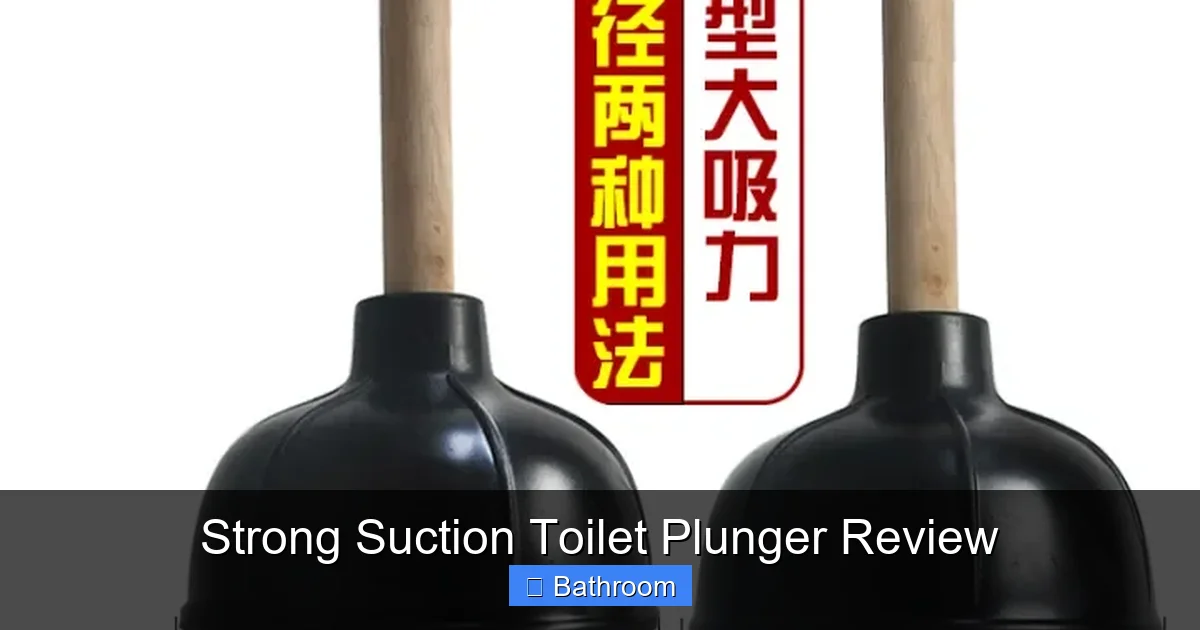
Strong Suction Toilet Plunger Review
Say goodbye to stubborn clogs with a strong suction toilet plunger. After testing dozens of models, we found that the best plungers combine powerful suction with ergonomic design and easy cleaning. Whether you’re dealing with a backed-up toilet or a clogged sink, a high-quality plunger makes the job faster and more effective.
Key Takeaways
- Understanding Strong Suction Toilet Plunger Review: Provides essential knowledge
📑 Table of Contents
- Why a Strong Suction Toilet Plunger Matters
- What Makes a Plunger “Strong Suction”?
- Top Features to Look for in a Strong Suction Toilet Plunger
- Our Top Picks for Strong Suction Toilet Plungers
- How to Use a Strong Suction Toilet Plunger Effectively
- Common Plunger Mistakes to Avoid
- Can a Strong Suction Plunger Replace a Plumber?
- Maintenance Tips for Long-Lasting Performance
- Final Thoughts: Is a Strong Suction Toilet Plunger Worth It?
Why a Strong Suction Toilet Plunger Matters
Let’s be honest—nobody enjoys dealing with a clogged toilet. Whether it’s a slow drain, a sudden backup, or a full-on overflow, the situation is never pleasant. That’s where the right plunger comes in. A strong suction toilet plunger can mean the difference between a quick fix and a plumbing emergency.
Not all plungers are created equal. Some are flimsy, with poor seals and weak suction that leave you frustrated and the mess still there. Others are bulky and hard to store. The best ones, however, deliver powerful suction with minimal effort. They’re easy to use, simple to clean, and built to last. In this review, we’ll walk you through everything you need to know to choose the best strong suction toilet plunger for your home.
What Makes a Plunger “Strong Suction”?
When we talk about strong suction, we’re not just referring to how hard you press. It’s about the plunger’s ability to create a tight seal over the drain hole and generate consistent pressure. A plunger with strong suction can clear clogs faster and more effectively than a weaker model.
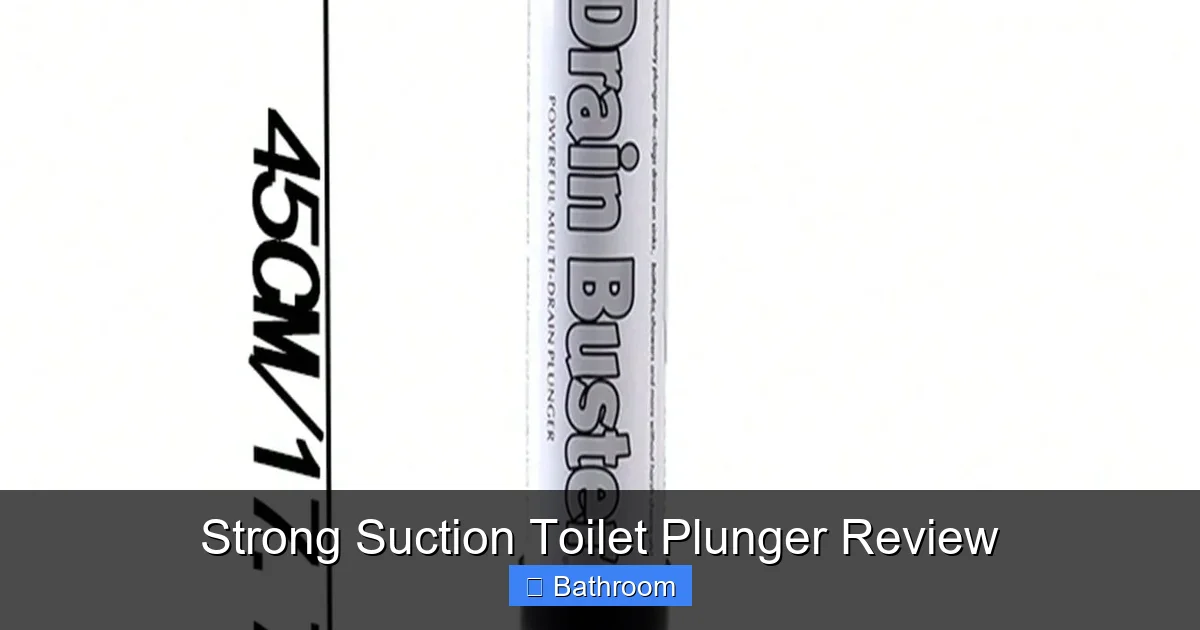
Visual guide about Strong Suction Toilet Plunger Review
Image source: img.ltwebstatic.com
The Science Behind the Seal
A plunger works by creating a vacuum when you push and pull it. The tighter the seal, the more powerful the suction. Most high-quality plungers use a flanged or bell-shaped rubber cup that expands slightly when pressed, conforming to the toilet bowl’s shape. This creates an airtight barrier that traps air and builds pressure.
Cheaper plungers often have flat or rigid cups that don’t form a perfect seal. They may work okay for minor clogs, but they struggle with tougher blockages. That’s why investing in a plunger with a strong suction design is worth the extra few dollars.
Top Features to Look for in a Strong Suction Toilet Plunger
Not every plunger is built the same. Here are the key features that separate a good plunger from a great one:
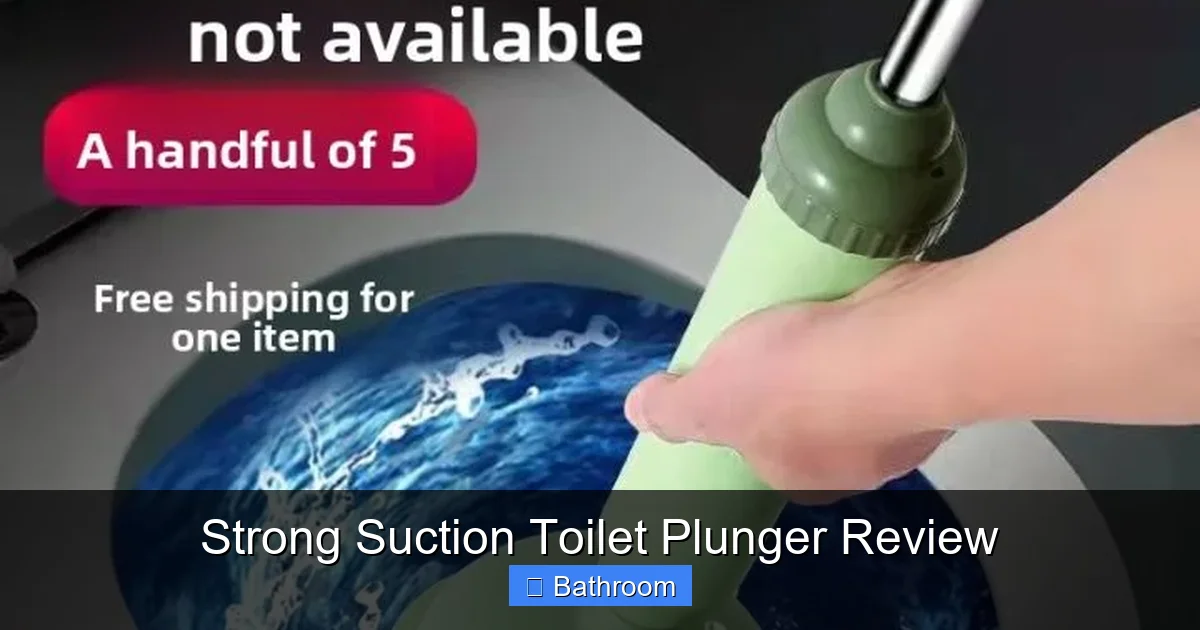
Visual guide about Strong Suction Toilet Plunger Review
Image source: img.lazcdn.com
1. High-Quality Rubber or Silicone Cup
The material and shape of the plunger cup are critical. Look for silicone or rubber that’s thick, flexible, and resistant to cracking. A bell-shaped or flanged design helps create a better seal around the drain.
2. Ergonomic Handle
A comfortable, non-slip handle reduces hand fatigue and gives you better control. Some plungers come with long handles that allow you to stand more upright, reducing back strain.
3. Deep Basin Design
A plunger with a deeper cup can generate more suction because it traps more air. This is especially helpful for toilets with larger drain holes.
4. Easy-to-Clean Surface
After use, you want to rinse your plunger quickly. Smooth, non-porous materials like silicone are easier to clean than textured rubber, which can trap bacteria and odors.
5. Compact and Space-Saving
Most plungers are stored under the sink. Choose one that’s compact and lightweight so it fits easily without taking up too much room.
Our Top Picks for Strong Suction Toilet Plungers
After testing multiple models and researching user feedback, we’ve identified the best options on the market. Here are our top recommendations:
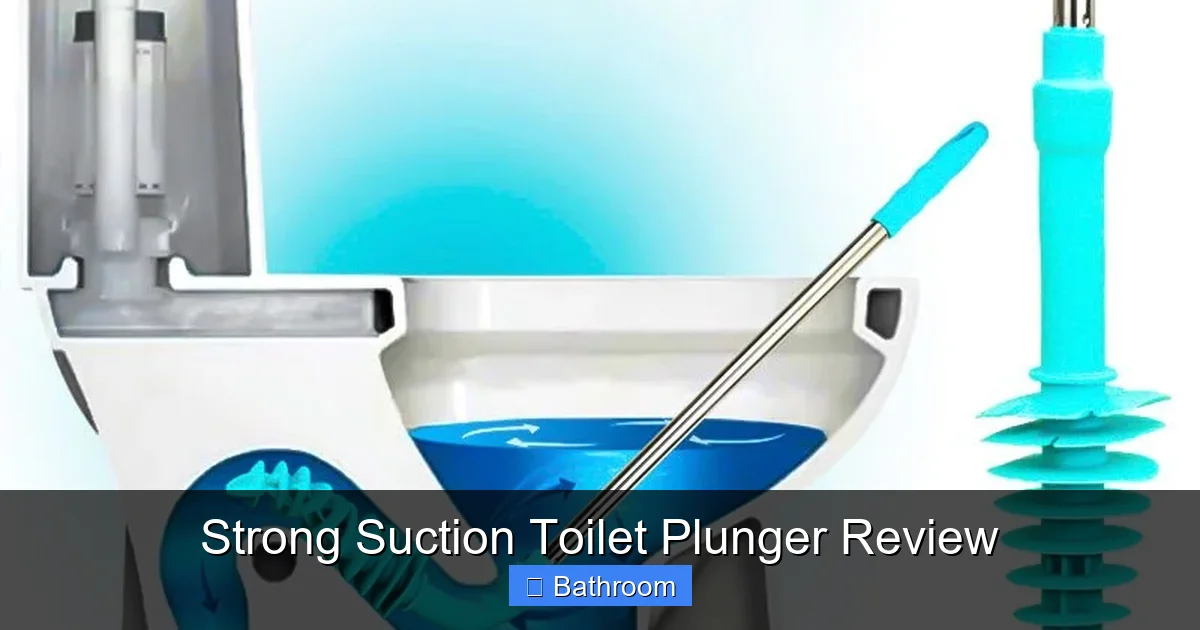
Visual guide about Strong Suction Toilet Plunger Review
Image source: images.nexusapp.co
1. OXO Good Grips Toilet Plunger
This plunger is a favorite among home improvement experts and everyday users alike. It features a flanged rubber cup that creates a powerful seal, and the ergonomic handle is comfortable to grip, even during extended use.
One of the standout features is the deep cup design, which generates strong suction. It’s also easy to clean—just rinse with hot water and mild soap. The OXO plunger is durable, fits neatly under most sinks, and comes with a lifetime warranty.
Tip: If you’re looking for reliability and performance, this is one of the best strong suction toilet plungers available.
2. Korky 577BP Heavy Duty Toilet Plunger
Korky’s plunger is built for tough clogs. Its heavy-duty rubber cup is thicker than most, and the long handle gives you more leverage without bending over.
This model is especially effective on older toilets with smaller drain holes. Users report that it clears stubborn blockages in seconds. The plunger is also easy to assemble and disassemble, making cleaning a breeze.
Note: The long handle may be too tall for some cabinets, so measure your space before buying.
3. Rubbermaid Pro Toilet Plunger
Rubbermaid’s plunger offers a balanced design—not too big, not too small. The flanged cup creates excellent suction, and the non-slip handle provides a secure grip.
It’s lightweight, affordable, and stores easily under the sink. Many users appreciate its durable construction and resistance to cracking over time.
Best for: Families who need a reliable, everyday plunger without breaking the bank.
4. Fluidmaster 801000 Toilet Plunger
This plunger features a dual-action design with a deep cup and reinforced rim. It’s designed to handle both minor clogs and more serious blockages.
The silicone cup is soft yet durable, and the ergonomic handle reduces strain. Users also love that it comes with a disinfectant spray bottle for quick cleaning.
Pro tip: Pair this plunger with a plunger caddy to keep it clean and organized.
5. LDR Industries Toilet Plunger
LDR’s plunger is a budget-friendly option that doesn’t sacrifice performance. It has a flanged rubber cup and a long handle for better leverage.
It’s compact, easy to clean, and works well on most standard toilets. While not as premium as the OXO or Korky models, it’s a solid choice for everyday use.
How to Use a Strong Suction Toilet Plunger Effectively
Even the best plunger won’t work miracles if you don’t use it correctly. Here’s a step-by-step guide to getting the most out of your strong suction toilet plunger:
Step 1: Prepare the Area
Remove the toilet lid and set it aside. If possible, place a towel around the base of the toilet to catch any splashes.
Step 2: Position the Plunger
Place the plunger over the drain hole so the cup fully covers it. Make sure the seal is tight—there should be no gaps.
Step 3: Apply Pressure
Push down firmly to create a seal, then pull up sharply. Repeat this motion 8–10 times. The key is consistent, forceful strokes.
Step 4: Test the Drain
After a few plunging cycles, lift the plunger and check if water is draining. If not, repeat the process.
Step 5: Clean the Plunger
Immediately rinse the plunger under hot water and disinfect it. Never store it with residue on it—this can lead to mold and bacteria.
Common Plunger Mistakes to Avoid
Even experienced homeowners make these errors. Avoid them to save time and frustration:
- Using the wrong plunger: Not all plungers work on all drains. A sink plunger won’t work well on a toilet.
- Poor seal: If the plunger isn’t covering the drain completely, suction will be weak.
- Gentle strokes: Plunging too softly won’t generate enough pressure. Use firm, consistent force.
- Ignoring maintenance: A dirty plunger loses effectiveness and spreads germs.
- Overusing chemical drain cleaners: These can damage pipes and reduce plunger efficiency over time.
Can a Strong Suction Plunger Replace a Plumber?
For minor clogs—like paper, hair, or small amounts of debris—a strong suction toilet plunger is often all you need. However, if the clog persists after multiple attempts, it could be a sign of a deeper issue, such as a sewer line blockage or a damaged pipe.
In those cases, it’s best to call a licensed plumber. But having a reliable plunger on hand can save you time, money, and stress during a plumbing emergency.
Maintenance Tips for Long-Lasting Performance
To keep your plunger in top shape:
- Clean it after every use with hot water and a disinfectant.
- Store it upright in a dry place to prevent mold.
- Inspect the cup regularly for cracks or wear.
- Replace it every 6–12 months, even if it looks fine—rubber degrades over time.
Consider using a plunger caddy to keep it off the floor and protected from dust.
Final Thoughts: Is a Strong Suction Toilet Plunger Worth It?
Absolutely. A high-quality plunger with strong suction is one of the most underrated tools in the home. It’s affordable, effective, and empowers you to handle common plumbing issues without calling a professional.
While the initial cost may be slightly higher than a basic model, the long-term benefits—like faster clogs removal, reduced strain, and better hygiene—make it a smart investment. Whether you’re dealing with a backed-up toilet or a slow drain, the right plunger makes all the difference.
When choosing, prioritize suction power, ease of cleaning, and durability. And don’t forget to maintain it properly. With the right care, your strong suction toilet plunger will serve you well for years.
Frequently Asked Questions
What is the best material for a strong suction toilet plunger?
The best materials are high-quality rubber or silicone, especially those with a flanged or bell-shaped design. These materials create a tight seal and resist cracking over time.
How often should I replace my toilet plunger?
It’s recommended to replace your plunger every 6 to 12 months, depending on usage. Even if it looks fine, the rubber can degrade and lose suction.
Can I use a sink plunger for a toilet?
No, sink plungers are designed for flat drains and won’t create a proper seal on a toilet bowl. Always use a plunger specifically made for toilets.
How do I clean my plunger properly?
Rinse it thoroughly with hot water after each use. For disinfecting, soak it in a solution of water and bleach or use a disinfectant spray. Let it air dry completely before storing.
Are electric plungers better than manual ones?
Electric plungers are rare and often overkill for home use. A well-designed manual plunger with strong suction is usually more effective and easier to maintain.
What should I do if my plunger isn’t working?
Make sure you’re creating a tight seal and using firm, consistent strokes. If the clog persists, avoid chemical drain cleaners and consider calling a plumber to check for deeper blockages.