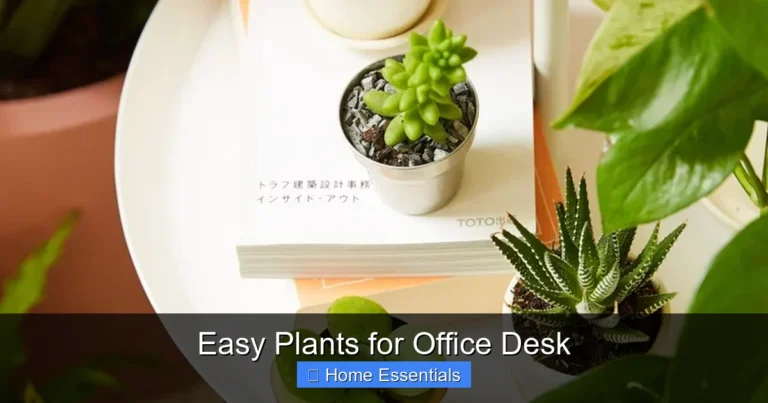
Sustainable Desk Plants
Sustainable desk plants are more than just decor; they’re a conscious choice for a healthier workspace and planet. By selecting low-impact species, using recycled pots, and adopting water-wise care, you create a thriving mini-oasis that purifies air, reduces stress, and aligns with eco-values. It’s about making simple, informed swaps that benefit both you and the environment without adding hassle to your routine.
You’re settled at your desk, the glow of the screen a familiar companion. But what if that same spot could also host a little burst of life? Not just a generic silk fern from a big-box store, but a living, breathing partner in your daily grind. This is the world of sustainable desk plants. It’s a shift from seeing plants as disposable decor to viewing them as a small, powerful act of environmental stewardship and personal wellness. Forget the pressure of high-maintenance orchids. We’re talking about resilient, low-impact green friends that ask for very little while giving back in spades—cleaner air, a calmer mind, and a tangible connection to nature, all from your workspace. Let’s dig into how to build a desk jungle that’s as kind to the planet as it is to your productivity.
Key Takeaways
- Definition Matters: A sustainable desk plant is chosen for low resource needs (water, light), sourced ethically, and kept in eco-friendly pots and soil.
- Top Species are Tough: Snake plants, ZZ plants, and pothos are superstar sustainable desk plants because they thrive on neglect and purify air efficiently.
- Potting is Part of the Practice: Ditch plastic; choose terracotta, recycled ceramic, or upcycled containers. Use organic, peat-free soil mixes.
- Water Wisdom is Key: Overwatering is the #1 killer. embrace drought-tolerant plants and use techniques like the ice cube method for precise watering.
- Source Responsibly: Buy from local nurseries or ethical growers who avoid wild harvesting and use sustainable growing practices.
- Benefits Go Beyond Green: These plants boost productivity, reduce stress, and improve indoor air quality, making your desk a wellness hub.
- Start Simple: Begin with one easy-care plant and master its needs. Propagation (taking cuttings) is a free, sustainable way to expand your collection.
📑 Table of Contents
- What Exactly Makes a Desk Plant “Sustainable”?
- The All-Star Roster: Top 5 Sustainable Desk Plants
- Potting & Soil: The Foundation of Sustainable Care
- The Art of Water-Wise Care: Less is More
- Sourcing with Intention: Where to Buy Your Green Companion
- The Bigger Picture: Wellness and the Sustainable Desk Ecosystem
- Conclusion: Your First Step is Your Most Important Step
What Exactly Makes a Desk Plant “Sustainable”?
It’s a great question, and the answer goes far beyond just “it’s a plant.” Sustainability is a full-circle mindset. For a sustainable desk plant, we consider its entire lifecycle—from how it’s grown to how it’s cared for and eventually, how it’s retired or propagated. It’s the antithesis of the “fast fashion” approach to houseplants, where trendy, often wild-harvested species are shipped thousands of miles in plastic pots and tossed when they outgrow their spot.
The Three Pillars of a Truly Sustainable Choice
Think of it as a three-legged stool. If one leg is weak, the whole thing wobbles.
- Low Environmental Impact: This is the plant’s inherent demands. A truly sustainable choice requires minimal water, thrives in typical indoor light (so you’re not running grow lights 24/7), and doesn’t need frequent repotting into larger containers that consume more resources. Native or well-adapted species often excel here.
- Ethical & Eco-Conscious Sourcing: Where did this plant come from? Was it grown in a monoculture farm with heavy pesticides? Was it poached from the wild, threatening native populations (a sad reality for many rare aroids)? Supporting local growers, specialty nurseries with transparent practices, or choosing plants propagated via cuttings (cloning) rather than seed from unsustainable harvests is crucial.
- Circular Care Practices: This is where you come in. Your ongoing care completes the loop. Using reclaimed or natural pots, organic soil, collected rainwater, and sharing cuttings (propagation) instead of buying new plants closes the cycle. It turns consumption into cultivation.
When you align a plant with all three pillars, you’re not just buying greenery. You’re investing in a small, functional ecosystem on your desk.
The All-Star Roster: Top 5 Sustainable Desk Plants
Now for the fun part! Choosing the right plant is 80% of the sustainability battle. You want a partner that is inherently tough, requiring little intervention. These plants are famously resilient, often called “hard to kill,” which means fewer resources (your time, water, replacement plants) wasted over the long haul.
Visual guide about Sustainable Desk Plants
Image source: savetheplanet.ae
1. The Indestructible: Snake Plant (Sansevieria)
The ultimate set-it-and-forget-it sustainable desk plant. Its architectural, sword-like leaves are practically iconic. The snake plant is a NASA-study-proven air purifier, removing toxins like formaldehyde and benzene. It thrives on neglect, tolerating low light and infrequent watering (think once a month or less in winter). It’s also a slow-grower, meaning it won’t quickly outgrow its pot. Look for varieties like ‘Laurentii’ (yellow-edged) or the compact ‘Hahnii’ (bird’s nest snake plant), perfect for tight desk spaces.
2. The Low-Light Legend: ZZ Plant (Zamioculcas zamiifolia)
If your desk is in a dim cubicle or a room with no windows, the ZZ plant is your hero. Its glossy, dark green leaflets on graceful stems look like a delicate fern but are tougher than nails. It stores water in potato-like rhizomes underground, making it extremely drought-tolerant. Overwatering is its only kryptonite. Place it in the darkest corner of your desk and water only when the soil is completely dry. It’s a slow, steady grower that will bring life to the shadiest spot.
3. The Air-Purifying Powerhouse: Peace Lily (Spathiphyllum)
For a touch of elegant white blooms (yes, it flowers indoors!) alongside top-tier air cleaning, the peace lily is a stellar choice. It’s famously communicative: it droops dramatically when thirsty, making watering foolproof. It prefers low to medium indirect light. While it likes consistently moist soil (but not soggy), its clear signals make it easy to manage without overindulging. It’s a great sustainable desk plant for those who like a visible cue for care.
4. The Versatile Vining Beauty: Pothos (Epipremnum aureum)
The classic trailing plant for a reason. Pothos comes in many varieties—golden, marble queen, jade—and grows happily in a small pot on a desk, trailing down the side or climbing a small trellis. It thrives in a wide range of light conditions, from low to bright indirect. Let the top inch of soil dry out between waterings. Its greatest sustainable superpower? Propagation. Snip a 4-6 inch stem with a leaf or two, pop it in water, and you’ve got a new plant in weeks. Share cuttings with colleagues to spread the green gospel.
5. The Desert Dweller: Haworthia or Echeveria Succulents
For a truly water-wise sustainable desk plant, look to small succulents like Zebra Haworthia or Echeverias. They come in stunning geometric shapes and patterns. They need bright light (a south or west window is ideal) and a well-draining soil mix. Water deeply but infrequently—maybe once every 2-3 weeks—allowing the soil to dry completely. Their tiny footprint and minimal water needs make them paragons of resource efficiency. Just ensure they get enough light to stay compact and healthy.
Potting & Soil: The Foundation of Sustainable Care
You could have the perfect plant, but if it’s sitting in a toxic plastic pot filled with peat-moss soil from a destroyed wetland, your sustainability score plummets. This is the physical foundation of your plant’s life, and it’s where you make some of the most impactful eco-choices.
Visual guide about Sustainable Desk Plants
Image source: deflectodisplay.com
Ditch the Plastic: Sustainable Pot Materials
The goal is to choose durable, natural, or recycled materials that last for years.
- Terracotta & Unglazed Ceramic: These are classic for a reason. They’re porous, allowing soil to breathe and reducing overwatering risk. They’re made from natural clay and, if broken, are inert and can be used in garden drainage. Look for locally made pots to reduce shipping emissions.
- Recycled & Upcycled Containers: Get creative! Clean, sturdy tin cans (remove the label), glass jars, wooden crates, or even old teapots can become unique plant homes. Just ensure they have drainage holes—drill them if needed. This is the ultimate in circular design.
- Natural Fiber & Biodegradable Pots: Pots made from coconut coir, rice husks, or recycled paper are fantastic. They can often be planted directly into a larger pot as they break down, minimizing transplant shock and waste. Perfect for starter plants.
- What to Avoid: Cheap, thin plastic pots that degrade in sunlight. Glossy, heavily-glazed ceramics that don’t breathe and often involve toxic glazes. And always, always avoid pots without drainage holes unless you’re an expert at layering.
Soil: It’s Not Just Dirt
Standard potting mix is often a unsustainable cocktail. It’s heavy on peat moss, which is harvested from ancient peat bogs—critical carbon-storing ecosystems. The mining releases stored CO2 and destroys habitat. Instead, seek out:
- Peat-Free Potting Mixes: Brands are increasingly using coir (coconut fiber), composted bark, or leaf mold as the base. These are renewable and have a much lower carbon footprint. Check the label explicitly for “peat-free.”
- DIY Sustainable Mix: For ultimate control, mix your own. A simple, excellent recipe for most sustainable desk plants is: 1 part high-quality peat-free potting compost, 1 part perlite or pumice (for drainage), and 1 part coconut coir (for moisture retention). Add a handful of worm castings for gentle nutrition.
- The Role of Mulch: A top dressing of small river stones, bark chips, or even dried moss helps retain moisture, reduces soil splash, and looks tidy. It’s a small addition with big benefits for reducing watering frequency.
The Art of Water-Wise Care: Less is More
Here’s the secret most plant killers don’t know: you are almost certainly watering too much, not too little. For sustainable desk plants, a conservative watering regime is the cornerstone of low-impact care. It saves water, prevents root rot (the main cause of death), and reduces the need for chemical fungicides or replacements.
Visual guide about Sustainable Desk Plants
Image source: everydayorganisers.com
Forget a Schedule, Learn to Read
Throw out the “water every Tuesday” idea. Your plant’s needs change with the season, light, and pot size. Develop a habit of checking.
- The Finger Test: Insert your index finger into the soil up to the first knuckle. If it feels completely dry, it’s time to water. If it’s cool and damp, wait. For succulents, let the soil dry for several days after it’s completely dry.
- The Lift Test: Get to know the weight of your pot when dry versus watered. A dry pot is surprisingly light. Lift it periodically to build that intuition.
- Observe the Plant: Some, like the peace lily, will droop. Others, like snake plants, may look slightly wrinkled or less plump. Slight underwatering is almost always recoverable; overwatering is often fatal.
Watering Hacks for the Eco-Conscious
- The Ice Cube Method: For plants like peace lilies or small pots, place 2-3 ice cubes on the soil surface once a week. As they melt slowly, they provide a deep, gradual soak without risk of waterlogging. It’s precise and eliminates guesswork.
- Bottom Watering: Place the pot in a shallow tray of water for 15-30 minutes, allowing the soil to soak up what it needs from the bottom. This encourages roots to grow downward and prevents soil compaction. Pour out any excess.
- Use Saved Water: Keep a pitcher or jar on your desk to collect leftover drinking water, water from rinsing vegetables, or even cooled aquarium water. This repurposes water that would go down the drain.
Remember, in winter, most sustainable desk plants are semi-dormant. They need far less water than during the bright, warm growing season. When in doubt, wait another few days.
Sourcing with Intention: Where to Buy Your Green Companion
This is where your purchasing power directly shapes the market. Where you buy your sustainable desk plant is as important as what you buy.
Prioritize Local & Independent
seek out local plant nurseries, garden centers, and independent growers. They are more likely to:
- Source from regional growers, cutting down on transportation miles.
- Have knowledgeable staff who can tell you about the plant’s origin and care.
- Stock plants that are appropriate for your local climate (even indoors).
- Often use more sustainable practices than massive commercial operations.
- Support your local economy.
Ask the Right Questions at Any Store
Whether you’re at a big-box store or a fancy boutique, don’t be shy. Ask questions that signal you care about sustainability:
- “Do you know where this plant was grown?”
- “Is this plant nursery-propagated or wild-harvested?” (Avoid any hint of wild-harvested, especially for tropicals like certain philodendrons or monsteras).
- “Do you use pesticides or growth hormones on your plants?”
- “What kind of soil do you use in your potting mix?” (Look for peat-free answers).
Your questions encourage businesses to adopt more transparent, ethical practices.
The Propagation & Swap Revolution
The most sustainable plant is the one you already own, multiplied. Before you buy anything, check if a friend or colleague has a pothos or spider plant you can take a cutting from. Join local plant swap groups on social media. These community-driven exchanges are zero-waste, free, and build connections. Propagating your own sustainable desk plants is incredibly rewarding and ensures you have a steady supply of new, genetically identical plants without any new resource extraction.
The Bigger Picture: Wellness and the Sustainable Desk Ecosystem
Choosing a sustainable desk plant is a double-win. It’s not just an environmental act; it’s a profound investment in your own human ecosystem at work.
Science-Backed Benefits for You
- Air Purification: As mentioned, plants like snake plants, peace lilies, and pothos are proven to remove volatile organic compounds (VOCs) from the air—chemicals emitted from paints, furniture, and electronics. Cleaner air means fewer headaches, less fatigue, and better cognitive function.
- Stress Reduction & Mood Boost: Numerous studies show that interacting with indoor plants can lower blood pressure, reduce cortisol (the stress hormone), and improve mood. The simple act of tending to a living thing provides a mindful, grounding break from screen-based work.
- Enhanced Focus & Productivity: Research from institutions like the University of Exeter indicates that plants in an office can increase productivity by up to 15%. They reduce fatigue and minor ailments, leading to fewer sick days and more sustained concentration.
- Biophilic Connection: We have an innate tendency to seek connections with nature (biophilia). A desk plant satisfies this deep-seated need, even in a windowless office, reducing the psychological drain of being in a built environment.
Building Your Personal Ecosystem
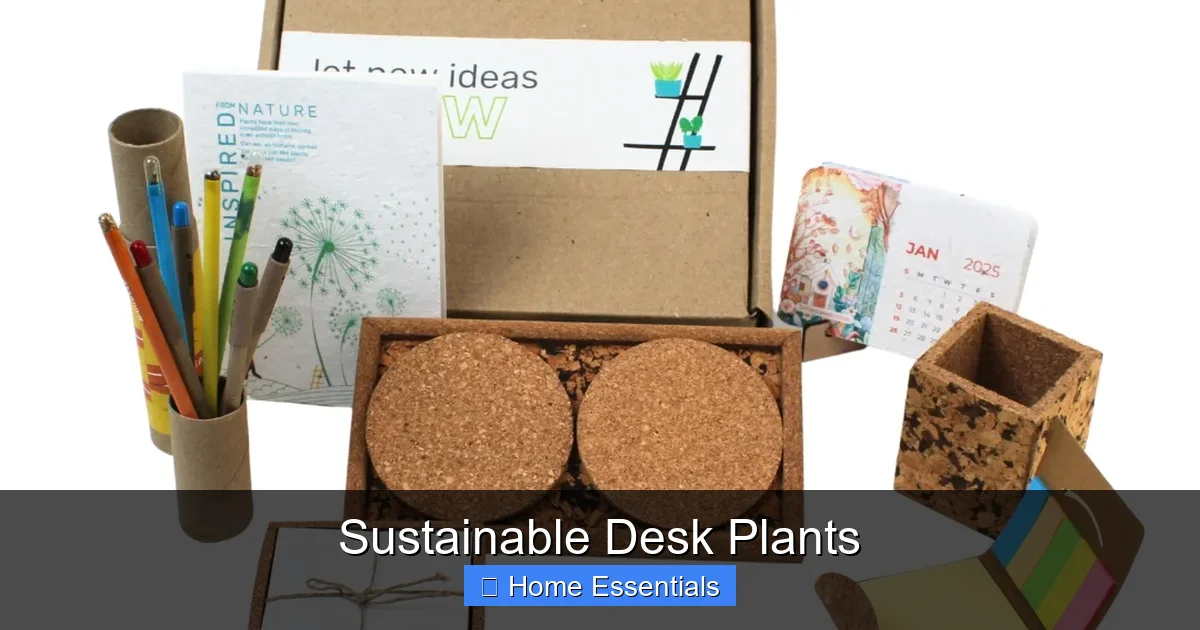
Think of your desk not as a solitary workstation but as a mini-ecosystem you curate. Your sustainable desk plant is a keystone in that system. Pair it with other conscious choices: a recycled notebook, a bamboo desk organizer, a reusable mug. Each element reinforces the others, creating a cohesive environment that supports both your well-being and your values. It sends a subtle message to yourself and others: this space is one of intention and care.
Conclusion: Your First Step is Your Most Important Step
The journey to a greener, healthier desk doesn’t require a complete overhaul tomorrow. It starts with one conscious choice. Maybe it’s rescuing a neglected snake plant from a sale bin and giving it a home in a upcycled jar. Perhaps it’s asking a local nursery for their most drought-tolerant, peat-free option. Or simply taking a cutting from a friend’s pothos and rooting it in a glass of water.
Every sustainable desk plant you choose is a vote for a less wasteful, more ethical horticulture industry. It’s a commitment to a practice of care that extends beyond the plant to the soil it grows in, the pot it lives in, and the water you use. You’re not just decorating your desk; you’re participating in a circular economy of growth, propagation, and sharing. You’re bringing a piece of the natural world into your synthetic one, with all the profound wellness benefits that entails. So, take that first step. Find your tough, low-impact green companion, pot it with intention, and water it with wisdom. Your desk—and your peace of mind—will thank you.
Frequently Asked Questions
Are succulents good sustainable desk plants?
Yes, many small succulents like Haworthia are excellent. They have extremely low water needs, require minimal repotting, and thrive in bright light with very little intervention, making them highly resource-efficient.
What’s the best low-light sustainable desk plant for a windowless office?
The ZZ plant is the absolute champion for low-light conditions. It tolerates very dim spaces and needs water only once a month or less. A snake plant is another superb, nearly indestructible choice for such environments.
How often should I really water my sustainable desk plant?
Forget a calendar. Always check the soil first. For most plants like snake plants or ZZ plants, water only when the soil is completely dry, which may be every 2-4 weeks. For a peace lily, water when the leaves start to droop slightly. When in doubt, wait another few days.
Can I use any jar or can as a pot for my desk plant?
You can use almost anything as a pot as long as you provide drainage. Drill or punch holes in the bottom of jars, cans, or boxes. Without drainage, water will pool and cause fatal root rot. A layer of stones at the bottom does not replace drainage holes.
Is it better to buy a plant or start from a cutting?
Starting from a cutting (propagation) is the most sustainable option. It costs nothing, uses no new resources for shipping or production, and you often get it from a friend. If buying, choose a smaller plant that will grow into its space slowly, reducing the need for frequent repotting.
Do desk plants really improve air quality?
Yes, research from NASA and others shows certain plants can remove common indoor air toxins like formaldehyde and benzene. While you need many plants to significantly alter a room’s air, even one or two on your desk contributes to a cleaner micro-environment around your breathing zone and provides measurable psychological benefits.