Toilet Clogged but Plunger Not Working
When your plunger fails to clear a stubborn toilet clog, it’s time to try advanced techniques. This article walks you through effective methods like using a closet auger, chemical-free alternatives, and preventive care. Learn how to tackle tough blockages safely and efficiently—without damaging your pipes.
Mastering these strategies empowers you to handle clogs confidently, saving time and money.
Key Takeaways
- Assess the clog type: Identify whether it’s a partial or complete blockage to choose the right tool.
- Use a closet auger: A drain snake reaches deeper clogs where a plunger can’t.
- Try baking soda and vinegar: A natural, safe alternative to harsh chemicals that can damage pipes.
- Avoid overusing chemical drain cleaners: They corrode pipes and harm the environment.
- Flush with hot (not boiling) water: Helps dissolve grease and soap buildup.
- Prevent future clogs: Discard only toilet paper and avoid flushing wipes, paper towels, or hygiene products.
- Know when to call a professional: Persistent issues may signal serious plumbing problems.
📑 Table of Contents
- Toilet Clogged but Plunger Not Working: What to Do When the Basics Fail
- Why the Plunger Might Not Be Working
- Effective Alternatives When the Plunger Fails
- Natural and Safe Solutions for Toilet Clogs
- What Not to Do: Common Mistakes
- Preventing Future Toilet Clogs
- When to Call a Professional Plumber
- Final Thoughts: Stay Calm and Confident
Toilet Clogged but Plunger Not Working: What to Do When the Basics Fail
Picture this: you’re in the middle of a quiet evening, the bathroom is clean, and suddenly—your toilet starts gurgling and won’t flush. You reach for the plunger, the trusty tool you’ve used a hundred times before. But this time, it’s not working. The water keeps rising, and frustration sets in. You’re left wondering: Why isn’t the plunger working? and what now?
This is a common household crisis, but don’t panic. A toilet clog that resists the plunger usually means the blockage is deeper or more stubborn than usual. While a plunger is effective for many clogs, it has its limits—especially when dealing with thick buildup, foreign objects, or long-term pipe damage. The good news? There are several proven methods to tackle this problem safely and effectively. In this guide, we’ll walk you through everything you need to know about handling a toilet clogged but plunger not working, from diagnosing the issue to clearing it without calling a plumber.
Whether you’re dealing with a recurring issue or a one-time blockage, understanding your options empowers you to act quickly and protect your plumbing system. Let’s dive in and get that toilet flowing again—without the headache.
Why the Plunger Might Not Be Working
Before jumping into solutions, it’s important to understand why a plunger might fail. The plunger is excellent at creating suction and dislodging surface-level blockages, but it has limitations. If the clog is too deep, too compact, or involves a foreign object, the plunger alone won’t cut it.
Visual guide about Toilet Clogged but Plunger Not Working
Image source: cdn.shopify.com
The Plunger’s Limitations
A standard plunger works by sealing around the drain opening and creating pressure to dislodge clogs. However, it can only reach so far—typically within a few inches of the trap. If the blockage is deeper, such as in the main drain line or due to years of buildup, the plunger’s force won’t penetrate far enough to clear it.
Additionally, if the clog is made of thick, fibrous material like wet wipes, feminine hygiene products, or excessive toilet paper, the plunger may just push it further down instead of breaking it up. This is especially common in older homes with narrower pipes.
Signs the Clog Is Too Stubborn
How do you know when the plunger has met its match? Here are a few red flags:
- Water continues to rise even after multiple plunging attempts.
- You hear gurgling sounds from the toilet or nearby drains, indicating a deeper blockage.
- The clog returns quickly after a brief flush, suggesting a persistent buildup.
- Other drains slow down—this means the clog is likely in the main line, not just the toilet.
When these signs appear, it’s time to upgrade your tool kit. The next section will show you how to do just that.
Effective Alternatives When the Plunger Fails
Don’t give up! There are several powerful tools and techniques that go beyond the plunger. These methods are designed to reach deeper into the pipe and break up stubborn blockages. Let’s explore them one by one.
Visual guide about Toilet Clogged but Plunger Not Working
Image source: horow.com
1. Use a Closet Auger (Drain Snake)
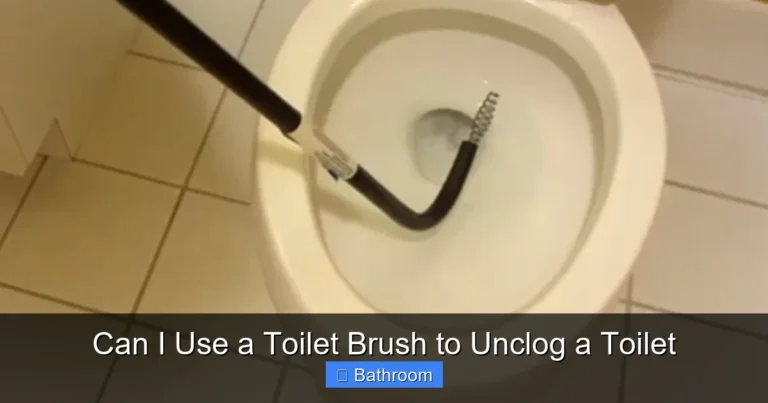
A closet auger, also known as a toilet snake, is the go-to tool for tough clogs. Unlike a plunger, it has a flexible, coiled cable that can snake down into the toilet’s trap and beyond. This allows it to reach clogs that a plunger can’t touch.
How to use it safely:
- Insert the auger into the toilet bowl, past the water level.
- Turn the handle clockwise to feed the cable into the drain.
- Gently push and rotate the cable to break up or hook the clog.
- Once the clog is dislodged, flush the toilet to test the flow.
Pro tip: Wear gloves and safety goggles to protect yourself from splashing water and debris. Always unplug the auger if it has an electric motor to avoid electrical hazards.
2. Try a Wet/Dry Vacuum
Did you know your wet/dry vacuum can double as a powerful plunging tool? If you have one, this method can be surprisingly effective for deep clogs.
Steps:
- Remove the vacuum’s dust bag and attach the wet/dry hose.
- Place the hose over the toilet drain, creating a tight seal.
- Turn on the vacuum and let it run for 30–60 seconds to create strong suction.
- Turn it off and wait a few seconds to let the pressure build, then repeat.
This method mimics the plunger’s suction but with much greater power. It’s especially useful if the clog is just beyond the reach of the plunger.
3. Use a Plunger with a Bucket
Sometimes, modifying your plunger technique can make a big difference. Try this method:
- Fill a bucket with hot (not boiling) water and let it sit for 10 minutes.
- Carefully pour the hot water into the toilet bowl—this helps soften grease and soap buildup.
- Now use the plunger: create a tight seal and plunge vigorously for 20–30 seconds.
- Repeat as needed.
The hot water loosens the clog, while the plunger helps dislodge it. This combo is often more effective than plunging alone.
Natural and Safe Solutions for Toilet Clogs
If you prefer to avoid chemical drain cleaners—which can damage pipes and harm the environment—there are several natural alternatives that work well for many types of clogs.

Visual guide about Toilet Clogged but Plunger Not Working
Image source: thumbs.dreamstime.com
Baking Soda and Vinegar Method
This eco-friendly duo is a favorite among homeowners. It’s safe for pipes and effective for breaking down organic buildup.
How to use it:
- Pour 1/2 cup of baking soda into the toilet bowl.
- Follow with 2 cups of white vinegar.
- Let the mixture fizz for 15–20 minutes—this is normal and indicates the reaction is working.
- Flush the toilet to rinse.
For persistent clogs, repeat the process once more. This method works best for mild to moderate buildup and is safe for septic systems.
Hot Water Flush
Hot water helps dissolve grease, soap, and other residues that accumulate in pipes over time.
Steps:
- Boil water on the stove (don’t use boiling water directly in the toilet—it can crack porcelain).
- Let the water cool for 5–10 minutes so it’s hot but not scalding.
- Pour 1–2 gallons slowly into the toilet bowl.
- Let it sit for 15–30 minutes, then flush.
This method is especially useful if the clog is due to a fatty buildup from hair, soap, or food particles.
Enzyme-Based Cleaners
These are natural, bacteria-based cleaners that eat away organic matter like hair, soap scum, and toilet paper residue. They’re safe for pipes and septic systems and take time to work—usually 24–48 hours.
Simply pour the recommended amount into the toilet and let it sit. Then flush. While not as fast as chemical cleaners, they’re a great long-term solution for prevention.
What Not to Do: Common Mistakes
When your plunger isn’t working, it’s tempting to try anything to clear the clog. But some actions can make things worse. Avoid these common mistakes:
Don’t Use Too Much Chemical Drain Cleaner
Chemical drain cleaners may seem like a quick fix, but they contain caustic ingredients like lye or sulfuric acid. These can:
- Corrode metal pipes over time.
- Damage rubber seals and gaskets.
- Harm septic systems and the environment.
If you must use a chemical cleaner, follow the instructions exactly and never mix products. But remember: prevention is always better than cleanup.
Don’t Flush Non-Flushable Items
Toilet paper is the only thing you should ever flush. Items like wet wipes, paper towels, cotton swabs, and even dental floss can cause severe clogs. Even “flushable” wipes often don’t break down as advertised. When in doubt, throw it in the trash.
Don’t Ignore Gurgling Sounds
If your toilet gurgles after flushing, it’s a sign that air is trying to escape through other drains—usually due to a clog in the main line. This isn’t just an inconvenience; it can lead to sewer backups. Address it immediately.
Preventing Future Toilet Clogs
The best way to deal with a clogged toilet is to prevent one from happening in the first place. Here are some simple habits that make a big difference:
Practice Proper Flushing
Only flush toilet paper and human waste. Avoid flushing:
- Wet wipes (even if labeled “flushable”)
- Paper towels and napkins
- Cotton balls and swabs
- Hair, dental floss, or food scraps
These items don’t break down and can accumulate into large blockages.
Regular Maintenance
Once a month, pour a mixture of 1/2 cup baking soda and 2 cups vinegar into the toilet. Let it sit for 15 minutes, then flush. This keeps pipes clear and reduces buildup.
Install a Drain Screen
If hair or debris frequently enters the toilet, consider installing a small mesh screen over the drain. This catches loose strands and prevents them from causing clogs.
Be Mindful of Water Usage
Older toilets may have low flushes that don’t fully clear waste. If your toilet is over 10 years old, consider upgrading to a high-efficiency model with stronger flushing power.
When to Call a Professional Plumber
While many clogs can be handled at home, there are times when it’s best to call a licensed plumber. Consider professional help if:
- You’ve tried multiple methods and the clog persists.
- Water starts backing up into other drains or sinks.
- You smell sewage or notice foul odors.
- You suspect damage to the toilet’s internal components.
A plumber has specialized tools like hydro-jetting equipment and can diagnose underlying issues like tree root intrusion or pipe corrosion. They can also ensure the job is done safely and correctly, preventing future problems.
Final Thoughts: Stay Calm and Confident
A toilet clogged but plunger not working can feel like a plumbing emergency, but with the right knowledge, it doesn’t have to be. You now know the reasons a plunger might fail, the tools and techniques to tackle deeper clogs, and how to prevent future blockages. Whether you reach for a closet auger, try natural cleaners, or upgrade your maintenance routine, you have the power to handle this common issue confidently.
Remember: prevention is your best defense. By flushing only what should be flushed and performing regular maintenance, you can keep your toilet—and your peace of mind—flowing smoothly. And when in doubt, don’t hesitate to call a professional. A little help now can save you from a bigger mess later.
Stay prepared, stay calm, and keep your pipes happy.
Frequently Asked Questions
Why is my plunger not working on a clogged toilet?
The plunger may not work if the clog is too deep, too thick, or involves a foreign object. It can only reach within a few inches of the drain, so deeper blockages require tools like a closet auger or wet/dry vacuum.
Can a wet/dry vacuum clear a stubborn toilet clog?
Yes, a wet/dry vacuum can be very effective. Attach the hose to create suction and run it for 30–60 seconds to pull the clog out. This method mimics a plunger but with much greater power.
Is it safe to use chemical drain cleaner in a toilet?
Use with caution. Chemical cleaners can damage pipes, harm septic systems, and pose health risks. Try natural alternatives like baking soda and vinegar first. If you must use chemicals, follow instructions exactly.
How often should I clean my toilet to prevent clogs?
Once a month, pour 1/2 cup baking soda and 2 cups vinegar into the toilet, let it fizz for 15 minutes, then flush. This helps break down buildup and keeps pipes clear.
What causes a toilet to gurgle after flushing?
Gurgling usually indicates a clog in the main drain line. Air is trapped and trying to escape through other drains, often due to a blockage further down the plumbing system.
Should I call a plumber if the clog keeps coming back?
Yes. Recurring clogs may signal a more serious issue like pipe damage, root intrusion, or a collapsed sewer line. A professional can diagnose and fix the problem safely and permanently.