Toilet Plunger and Brush Set
A toilet plunger and brush set is a bathroom essential that combines powerful clog removal with thorough cleaning. Together, they keep your toilet hygienic, odor-free, and in top condition with minimal effort. Investing in a quality set saves time, prevents messes, and promotes a healthier home environment.
Key Takeaways
- Efficient Clog Removal: A plunger uses suction and pressure to clear blockages quickly, while a brush scrubs away residue and buildup.
- Hygienic Design: Modern sets feature antimicrobial materials and easy-clean surfaces to reduce bacteria and odors.
- Space-Saving Combo: Storing a plunger and brush together in one holder keeps your bathroom organized and clutter-free.
- Easy Maintenance: Most sets are dishwasher-safe or quick-rinse clean, making upkeep simple and hassle-free.
- Versatile Use: Ideal for homes, apartments, RVs, and offices—anywhere a toilet needs reliable cleaning tools.
- Cost-Effective Solution: A durable plunger and brush set lasts years, reducing the need for frequent replacements.
- Eco-Friendly Options: Many sets use sustainable materials or reduce water waste compared to chemical cleaners.
📑 Table of Contents
- Why a Toilet Plunger and Brush Set Is Your Bathroom MVP
- What Is a Toilet Plunger and Brush Set?
- Benefits of Using a Toilet Plunger and Brush Set
- How to Choose the Best Toilet Plunger and Brush Set
- Step-by-Step: How to Use a Toilet Plunger and Brush Set
- Maintenance Tips for Longevity
- Common Mistakes to Avoid
- Top Brands and Recommended Sets
- Frequently Asked Questions
Why a Toilet Plunger and Brush Set Is Your Bathroom MVP
Let’s face it—no one loves thinking about what goes down the toilet. But keeping it clean isn’t just about appearance; it’s about hygiene, plumbing health, and avoiding awkward moments. That’s where a toilet plunger and brush set comes in. This dynamic duo tackles clogs, grime, and buildup with precision and power. Whether you’re dealing with a stubborn clog or just want to keep your porcelain throne sparkling, having the right tools makes all the difference.
Modern bathroom cleaning has evolved beyond just tossing in a roll of paper and hoping for the best. Today’s plunger and brush sets are designed with ergonomics, durability, and hygiene in mind. From silicone brushes that resist bacteria to plungers with contoured handles, these tools are built to last. Plus, when used together, they form a complete cleaning system that’s more effective than using just one tool alone. In this article, we’ll explore everything you need to know about choosing, using, and maintaining your toilet plunger and brush set—so you can keep your bathroom fresh, functional, and frustration-free.
What Is a Toilet Plunger and Brush Set?
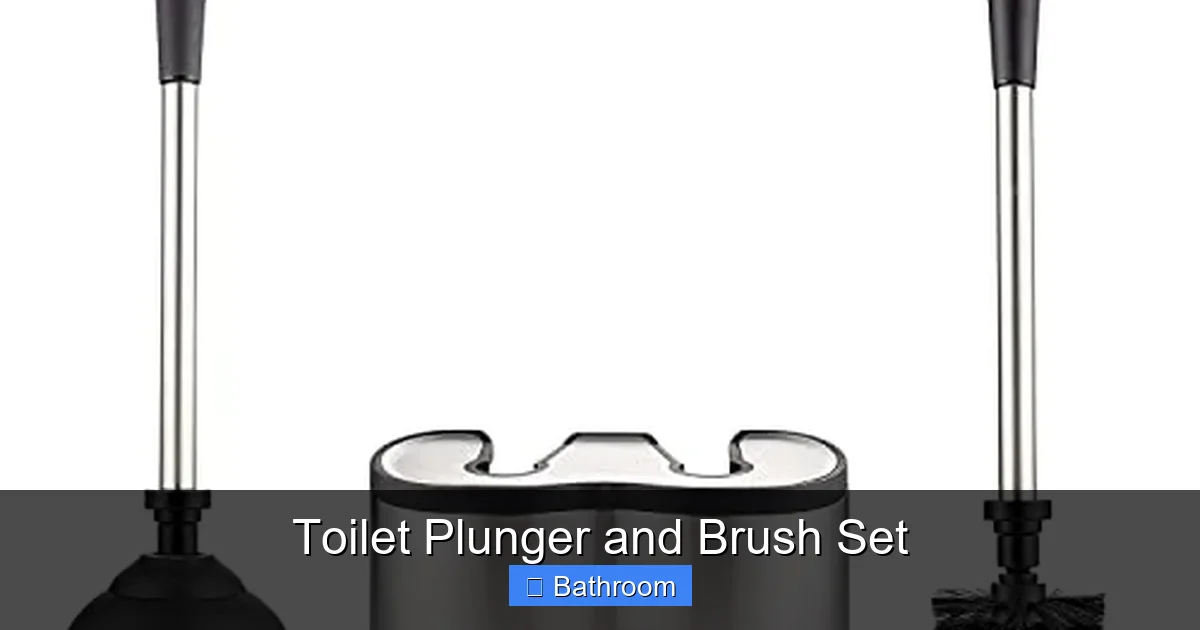
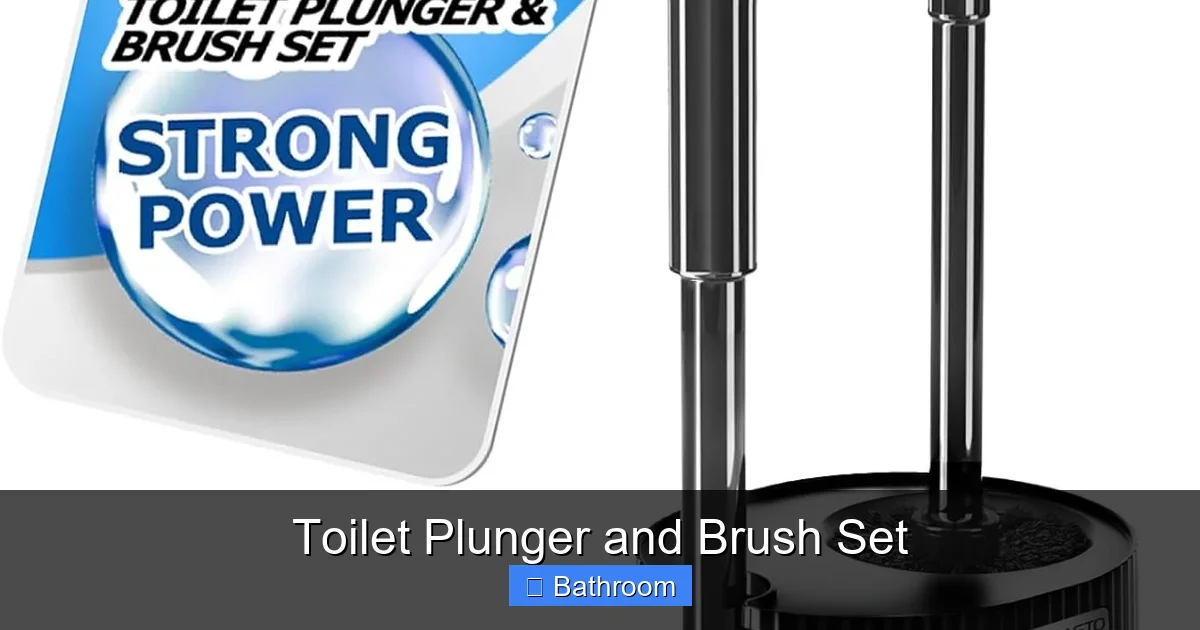
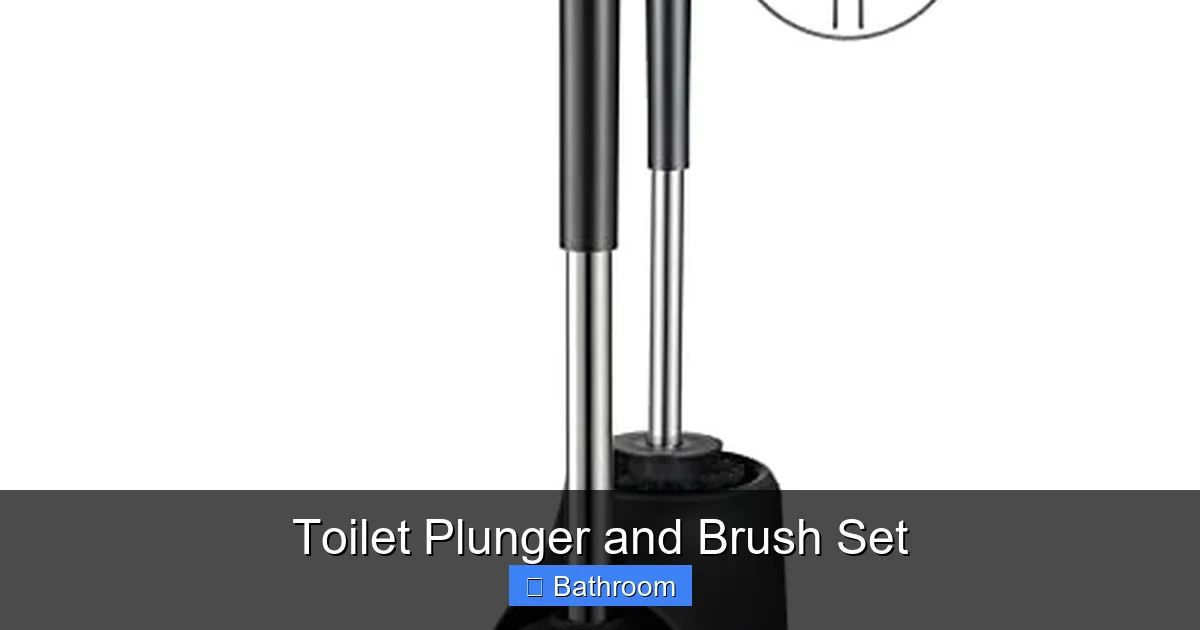
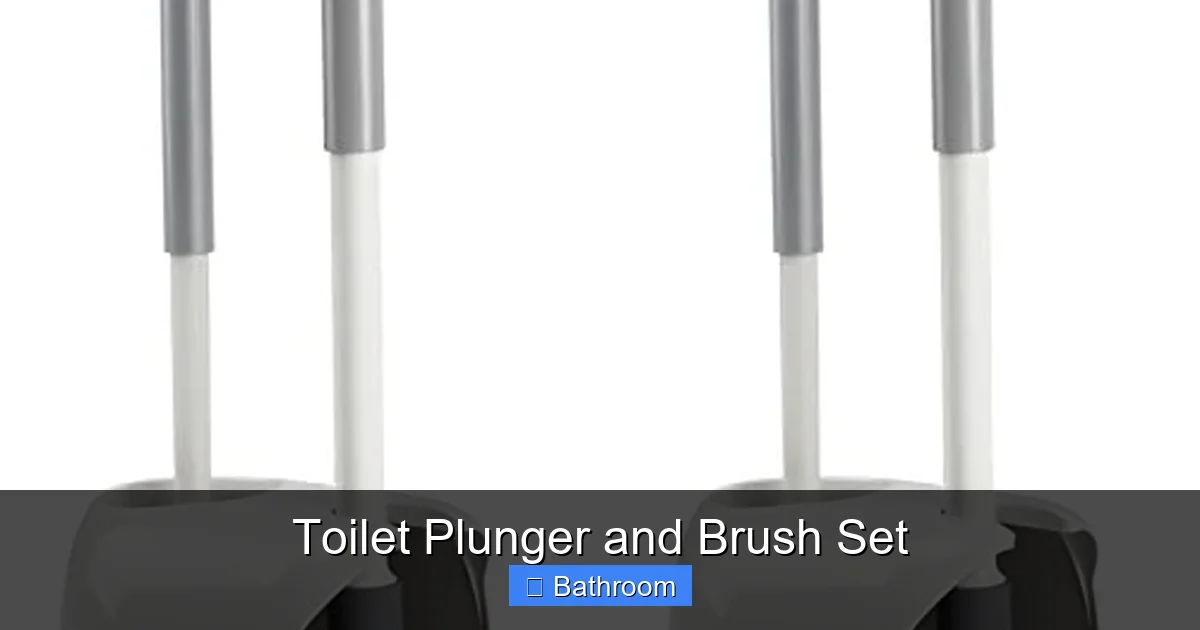
A toilet plunger and brush set is a two-in-one cleaning tool designed specifically for toilet maintenance. It typically includes a plunger—a rubber cup on a handle used to create suction—and a brush, often made of nylon or silicone, used to scrub the bowl’s interior. Some sets come with a storage caddy or holder to keep both tools organized in one place.
Visual guide about Toilet Plunger and Brush Set
Image source: winterbritt.com
Components of the Set
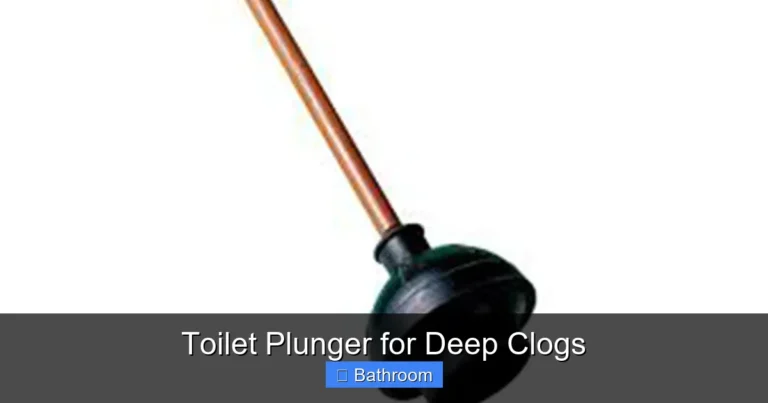
The plunger is the workhorse of the set. Made from rubber or silicone, it fits snugly over the drain hole to create a seal. When you push and pull the handle, you generate pressure that dislodges clogs. The brush, on the other hand, reaches under the rim and into corners where grime accumulates. Together, they ensure both immediate blockage relief and long-term cleanliness.
Types of Plungers
Not all plungers are the same. There are two main types:
- Flange Plunger: Features a small rubber ring (flange) that fits into the toilet drain. This is the most common type and is ideal for toilets.
- Cup Plunger: Has a wide rubber cup without a flange. Best for sinks, showers, or floor drains—not recommended for toilets.
When buying a set, always choose one with a flange plunger for toilet use.
Brush Materials Matter
The brush is just as important as the plunger. Look for:
- Silicone Brushes: Resist mold, easy to clean, and gentle on porcelain.
- Nylon Bristles: Durable and effective at scrubbing, but require more thorough drying.
- Antimicrobial Coating: Helps prevent bacteria growth—great for families or shared bathrooms.
Many modern sets also include a squeegee or spray nozzle for rinsing off the brush after use.
Benefits of Using a Toilet Plunger and Brush Set
Investing in a quality plunger and brush set isn’t just about convenience—it’s about performance, hygiene, and peace of mind. Here’s why every bathroom should have one.
Visual guide about Toilet Plunger and Brush Set
Image source: m.media-amazon.com
1. Quick and Effective Clog Relief
When a toilet backs up, time is of the essence. A plunger creates the suction needed to break up clogs caused by toilet paper, wipes, or even small toys. Unlike chemical drain cleaners, which can damage pipes over time, a plunger is safe and immediate. When paired with a brush, you can also remove residue that contributes to future blockages.
Example: Imagine your child flushed a toy truck down the toilet. Instead of panic, you grab the plunger and brush set. A few firm plunges clear the blockage, and a quick scrub removes any remaining debris. Done in under a minute.
2. Deep Cleaning Beyond the Surface
Toilets aren’t just flushed clean—they collect biofilm, mineral deposits, and bacteria under the rim. A brush scrubs where the plunger can’t reach, ensuring a truly clean bowl. Regular brushing prevents staining and keeps your toilet smelling fresh.
3. Reduces Odors Naturally
Stagnant water and buildup create unpleasant smells. A clean toilet bowl with no residue traps fewer odors. Plus, many brushes are made with antimicrobial materials that inhibit bacterial growth—naturally keeping your bathroom smelling clean.
4. Saves Money and Time
Instead of calling a plumber for every minor clog, a plunger can handle most blockages. This saves you hundreds of dollars annually. A brush also reduces the need for harsh chemical cleaners, which can be expensive and damaging to pipes.
5. Eco-Friendly Cleaning
Using physical tools instead of chemical cleaners is better for the environment. No harsh fumes, no plastic waste from single-use bottles. A durable plunger and brush set can last years with proper care, making it a sustainable choice.
6. Prevents Plumbing Damage
Repeated use of chemical drain cleaners can corrode pipes and shorten your plumbing system’s lifespan. A plunger is a gentler, mechanical solution that protects your pipes while still getting the job done.
How to Choose the Best Toilet Plunger and Brush Set
With so many options on the market, selecting the right set can feel overwhelming. Here’s what to look for.
Visual guide about Toilet Plunger and Brush Set
Image source: m.media-amazon.com
Material Quality
Opt for sets made from food-grade silicone or medical-grade rubber. These materials resist cracking, tearing, and bacterial growth. Avoid cheap plastics that can degrade over time.
Ergonomic Design
Look for a plunger with a contoured, non-slip handle. This makes plunging easier and more comfortable, especially for people with arthritis or limited grip strength.
Brush Attachment Options
Some brushes attach directly to the plunger handle, while others are separate. Attached brushes are convenient, but detachable ones allow for deeper cleaning and easier replacement.
Storage and Hygiene
A good set includes a holder or caddy. This keeps tools off the bathroom floor, where they can collect germs. Look for one with ventilation or a drip tray to prevent mold.
Ease of Cleaning
Choose a set that’s dishwasher-safe or can be rinsed under hot water quickly. Some brushes are self-rinsing with a built-in spray nozzle—a handy feature.
Brand Reputation
Stick with trusted brands known for bathroom tools. Reading customer reviews can help you spot sets that last longer and perform better than others.
Step-by-Step: How to Use a Toilet Plunger and Brush Set
Using a plunger and brush correctly ensures maximum effectiveness and safety. Follow these steps for best results.
Step 1: Prepare the Toilet
Flush the toilet to lower the water level. For stubborn clogs, you may need to pour a few inches of water into the bowl to create enough suction.
Step 2: Plunge the Toilet
Place the plunger over the drain hole, ensuring a tight seal. Push down gently, then pull up sharply—this creates suction. Repeat 10–15 times. Avoid splashing by keeping your face away from the bowl.
Step 3: Flush and Inspect
Flush again. If the water doesn’t drain immediately, repeat the plunging process. Don’t force it—gentle, consistent pressure works best.
Step 4: Scrub the Bowl
Once the clog is cleared, use the brush to scrub the inside of the bowl, especially under the rim. Focus on areas with visible buildup or discoloration.
Step 5: Rinse and Store
Rinse both the plunger and brush under hot water. Shake off excess water and store them in a dry, ventilated area—ideally in the included caddy.
Pro Tip:
Always clean your tools after each use. Bacteria can grow quickly in damp environments. Wipe the plunger cup and brush bristles with disinfectant before storing.
Maintenance Tips for Longevity
With proper care, your toilet plunger and brush set can last for years. Here’s how to maintain it.
Clean After Every Use
Wash the brush and plunger with hot, soapy water. For extra disinfection, soak them in a mixture of water and bleach (1:10 ratio) for 10 minutes, then rinse thoroughly.
Dry Completely
Moisture is the enemy of rubber and bristles. After cleaning, place the plunger upside down in a holder to air dry. Hang the brush or lay it flat to prevent mold.
Inspect Regularly
Check for cracks, tears, or worn bristles. Replace the plunger if the rubber becomes stiff or loses its seal. A worn brush won’t clean effectively.
Avoid Harsh Chemicals
While bleach can disinfect, it can also degrade rubber over time. Use it sparingly and rinse well afterward.
Store in a Ventilated Area
A bathroom cabinet without airflow can trap moisture. Use a caddy with holes or place the set near a fan to promote drying.
Replace When Needed
Most plungers last 1–2 years with regular use. Brushes may need replacement every 6–12 months depending on usage and material.
Common Mistakes to Avoid
Even with the best tools, improper use can reduce effectiveness or create new problems. Here are common mistakes and how to fix them.
Mistake 1: Using the Wrong Plunger
Using a cup plunger on a toilet won’t create a proper seal. Always use a flange plunger designed for toilets.
Mistake 2: Plunging Too Hard
Hard, jerky plunging can splash germs and damage the toilet base. Use steady, firm pressure instead.
Mistake 3: Not Cleaning the Brush
Neglecting the brush leads to bacterial buildup. Clean it after every use to maintain hygiene.
Mistake 4: Storing Tools Wet
Leaving the plunger in water promotes mold and mildew. Always dry thoroughly before storage.
Mistake 5: Ignoring Minor Clogs
Small blockages can grow into major clogs. Use the plunger regularly to prevent buildup.
Mistake 6: Using Chemical Cleaners First
Chemical cleaners can mask clogs temporarily but often make them worse. Use a plunger first, then clean if needed.
Top Brands and Recommended Sets
Not all plunger and brush sets are created equal. Here are some top-rated options based on performance, durability, and user reviews.
1. OXO Good Grips Toilet Brush and Plunger Set
This set features a soft, durable brush and a flange plunger with a comfortable, non-slip handle. The included caddy keeps everything organized and dry. Users praise its ease of cleaning and long-lasting materials.
2. OXO Good Grips Toilet Bowl Brush with Plunger Combo
Similar to the above, this version includes a detachable brush for deeper cleaning. The plunger has a unique shape that fits most toilets snugly.
3. Simplehuman Toilet Brush and Plunger Set
Known for sleek design, this set includes a stainless steel caddy with a drip tray. The brush is antimicrobial, and the plunger is easy to clean.
4. Rubbermaid Toilet Bowl Brush and Plunger Set
Affordable and reliable, this set uses durable nylon bristles and a sturdy plunger. Great for budget-conscious buyers who don’t want to compromise on quality.
5. iDesign Toilet Brush and Plunger Set
Compact and modern, this set fits in small bathrooms. The brush is self-rinsing with a built-in spray nozzle, making cleanup effortless.
When choosing a set, consider your bathroom size, storage needs, and how often you’ll use it. For families, durability is key. For small spaces, compact designs save room.
Frequently Asked Questions
How often should I clean my toilet brush and plunger?
Clean both after every use. Wash with hot, soapy water and rinse thoroughly. For extra hygiene, soak in a diluted bleach solution once a week.
Can I use a plunger and brush for other drains?
The plunger should only be used on toilets. For sinks or showers, use a cup plunger. The brush is versatile and can clean sinks, tubs, and even grout.
Do I need to buy a plunger and brush separately?
No. A combo set is more convenient, saves space, and ensures the tools are designed to work together. Most sets include a holder for easy storage.
Are silicone brushes better than nylon?
Silicone brushes resist mold and are easier to clean, but nylon bristles are more abrasive and better for tough stains. Choose based on your needs.
How do I remove stubborn stains?
After scrubbing with the brush, apply a paste of baking soda and vinegar. Let it sit for 15 minutes, then scrub again. For mineral deposits, use a pumice stone gently.
Can I use a plunger if the toilet is overflowing?
No. If the toilet is overflowing, turn off the water supply first. Use a wet/dry vacuum or bucket to remove excess water before plunging. Plunging can spread germs if done during overflow.
Frequently Asked Questions
How often should I clean my toilet brush and plunger?
Clean both after every use. Wash with hot, soapy water and rinse thoroughly. For extra hygiene, soak in a diluted bleach solution once a week.
Can I use a plunger and brush for other drains?
The plunger should only be used on toilets. For sinks or showers, use a cup plunger. The brush is versatile and can clean sinks, tubs, and even grout.
Do I need to buy a plunger and brush separately?
No. A combo set is more convenient, saves space, and ensures the tools are designed to work together. Most sets include a holder for easy storage.
Are silicone brushes better than nylon?
Silicone brushes resist mold and are easier to clean, but nylon bristles are more abrasive and better for tough stains. Choose based on your needs.
How do I remove stubborn stains?
After scrubbing with the brush, apply a paste of baking soda and vinegar. Let it sit for 15 minutes, then scrub again. For mineral deposits, use a pumice stone gently.
Can I use a plunger if the toilet is overflowing?
No. If the toilet is overflowing, turn off the water supply first. Use a wet/dry vacuum or bucket to remove excess water before plunging. Plunging can spread germs if done during overflow.