Toilet Plunger Buying Guide
Choosing the right toilet plunger is essential for tackling clogs quickly and hygienically. Whether you need a traditional cup plunger or a high-tech auger, this guide helps you find the best option for your bathroom needs. With the right tool, you’ll save time, reduce mess, and keep your pipes in top shape.
Key Takeaways
- Know the two main types: Cup plungers work best for toilets, while flange plungers are better for sinks and tubs.
- Material matters: Rubber plungers are durable and effective, while silicone offers a tighter seal and easier cleaning.
- Size and fit are critical: A plunger should fit snugly in the bowl to create the right suction for clearing clogs.
- Handle design affects comfort: Ergonomic, non-slip handles make plunging easier and less tiring.
- Consider a plunger with a built-in holder: Keeps the plunger clean and accessible in one spot.
- Don’t ignore hygiene: Look for antimicrobial materials or easy-to-clean designs to prevent mold and odors.
- For stubborn clogs: A plunger with a long handle or auger feature offers more power and reach.
📑 Table of Contents
- Toilet Plunger Buying Guide: Your Complete Guide to Choosing the Best Plunger for Your Bathroom
- Why a Good Toilet Plunger Matters
- Types of Toilet Plungers
- Choosing the Right Material
- Handle Design and Ergonomics
- Size and Fit
- Hygiene and Maintenance
- Storage and Accessibility
- When to Use a Plunger vs. Other Tools
- Top Brands to Consider
- Tips for Effective Plunging
- Eco-Friendly Plunger Options
- Common Plunger Myths Debunked
- Final Thoughts: Choose Wisely, Plunge Confidently
Toilet Plunger Buying Guide: Your Complete Guide to Choosing the Best Plunger for Your Bathroom
We’ve all been there. You reach for the toilet plunger, press down, and—nothing happens. The clog remains stubborn, the water rises, and frustration sets in. But what if you could choose the perfect plunger the first time? A well-chosen toilet plunger doesn’t just clear clogs—it saves you time, prevents mess, and keeps your bathroom functioning smoothly. In this comprehensive Toilet Plunger Buying Guide, we’ll walk you through everything you need to know to select the right plunger for your home.
From understanding the different types of plungers to evaluating materials, sizes, and special features, this guide is designed to make your decision easy and effective. Whether you’re dealing with everyday hair clogs or something more stubborn, the right plunger can make all the difference. Let’s dive in and turn you into a plunger expert.
Why a Good Toilet Plunger Matters
You might think all plungers are the same—just rubber cups on sticks. But that’s far from true. The effectiveness of a plunger depends on its design, material, and how well it matches your plumbing needs. A cheap, flimsy plunger might leave residue, trap germs, or simply not create enough suction to clear a clog. On the other hand, a well-made plunger can handle tough blockages with ease, all while staying clean and hygienic.
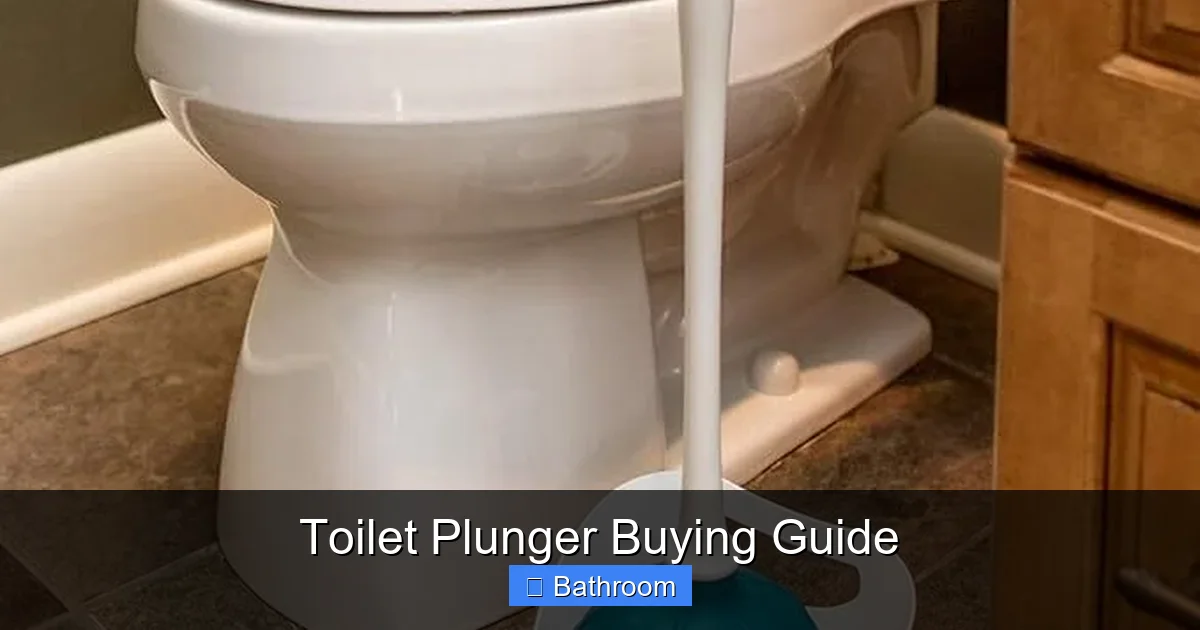
Visual guide about Toilet Plunger Buying Guide
Image source: toiletlounge.com
Beyond functionality, the right plunger contributes to a cleaner, safer bathroom environment. Plungers that are easy to clean and store help prevent mold, odors, and the spread of bacteria. Plus, a plunger with a convenient holder keeps it within reach and out of the way—so you’re never scrambling for it during an emergency.
Types of Toilet Plungers
Cup Plungers
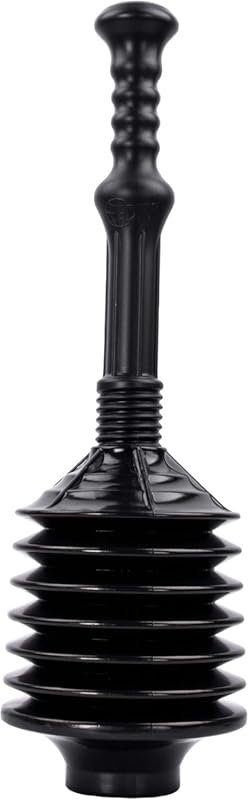
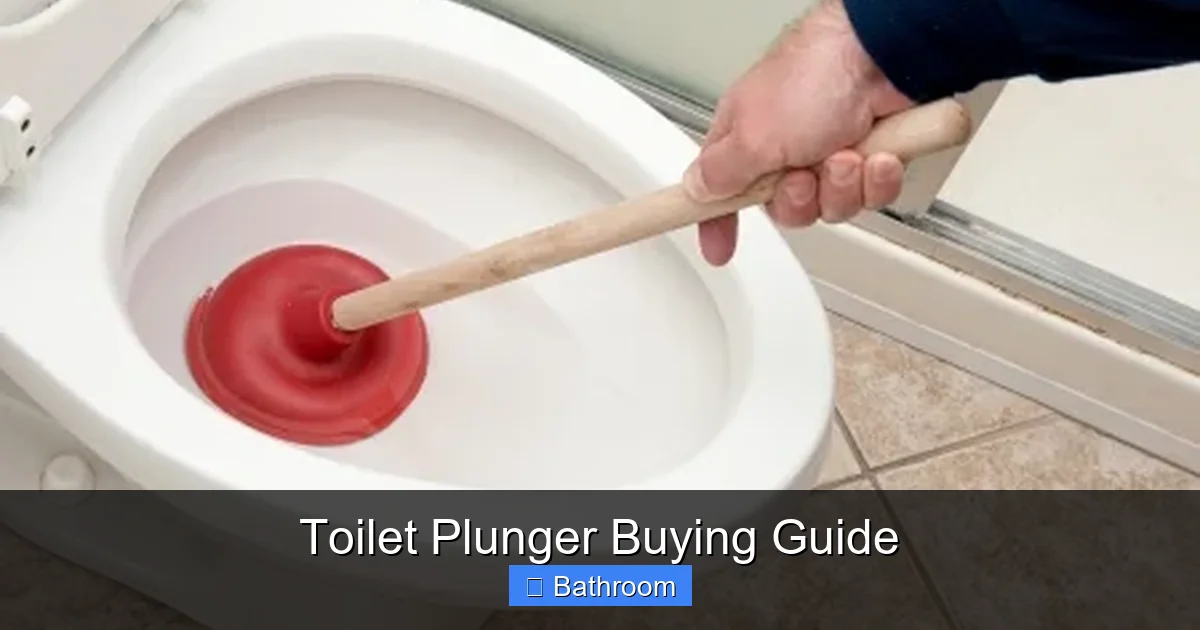
The most common type of toilet plunger is the cup plunger. It features a flat, circular rubber cup attached to a wooden or plastic handle. This design is ideal for toilets because the cup fits snugly over the drain hole, creating a tight seal that generates suction when pressed and pulled.

Visual guide about Toilet Plunger Buying Guide
Image source: pvcguy.com
Best for: Toilet clogs caused by toilet paper, small amounts of waste, or minor blockages.
Pros: Affordable, widely available, and effective for most household clogs.
Cons: Not suitable for sinks or tubs; may wear out over time if made of low-quality rubber.
Flange Plungers
Flange plungers are designed for use in sinks, tubs, and showers. They have a cup with a small rubber flange (a raised ring) around the edge. This flange helps the plunger grip irregular drain openings, creating a better seal than a standard cup plunger.
Best for: Sinks, bathtubs, and showers with non-round or offset drains.
Pros: Versatile; can be used on multiple fixtures; provides a secure seal on uneven surfaces.
Cons: Not ideal for toilets; the flange can leave marks or be harder to clean.
Plunger Augers (Combination Plungers)
These advanced plungers combine a cup plunger with a flexible metal cable and auger head. The auger can be extended into the pipe to break up tough clogs, while the cup plunger handles surface-level blockages.
Best for: Stubborn clogs, long pipe runs, or recurring blockages.
Pros: Highly effective for severe clogs; versatile for multiple fixtures.
Cons: More expensive; bulkier to store; may be overkill for simple clogs.
Electric Plungers (Emergencies Only)
While not common, some electric plungers use vibration or suction technology to clear clogs. These are typically used in commercial settings or for severe blockages.
Best for: Heavy-duty or industrial use.
Cons: Expensive, not practical for home use, and often require plumbing access.
Choosing the Right Material
Rubber Plungers
Most traditional plungers are made of natural or synthetic rubber. Rubber is durable, flexible, and creates a strong seal when pressed against the drain.
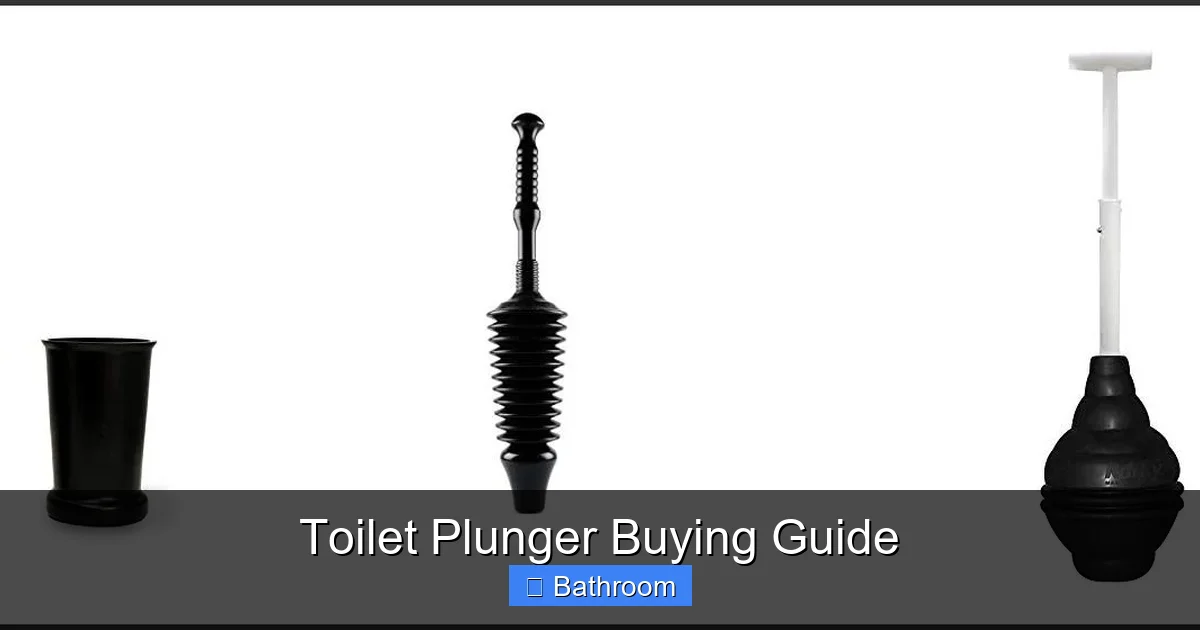
Visual guide about Toilet Plunger Buying Guide
Image source: guideofadviser.com
Pros: Affordable, effective, and long-lasting with proper care.
Cons: Can develop odors or harbor bacteria if not cleaned properly; may degrade over time with exposure to harsh cleaners.
Tip: Rinse rubber plungers thoroughly after each use and allow them to air dry completely to prevent mold.
Silicone Plungers
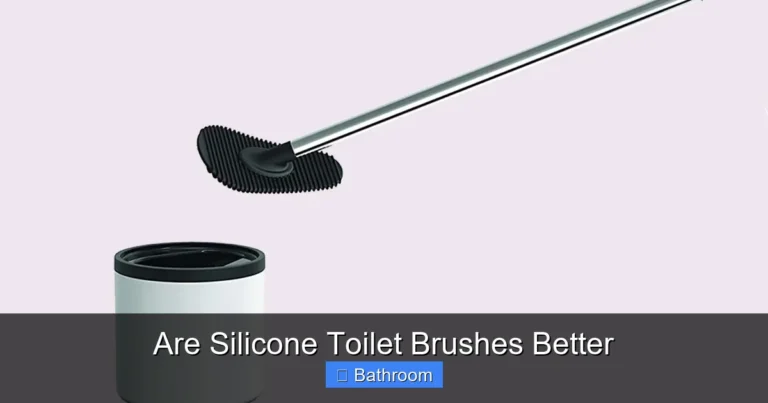
Silicone is a modern alternative to rubber. It’s non-porous, resistant to bacteria, and easier to clean than rubber.
Pros: More hygienic, flexible, and resistant to odors and mold.
Cons: Can be more expensive; may not last as long as rubber in high-use situations.
Tip: Silicone plungers are ideal for households with allergies or those who prioritize cleanliness.
Plastic or Foam Plungers
These are lightweight and often used in travel kits or as backup plungers. They’re less durable and don’t create as strong a seal.
Best for: Emergency use or travel.
Cons: Not recommended for regular use; may tear or lose effectiveness quickly.
Handle Design and Ergonomics
The handle of your plunger plays a big role in comfort and effectiveness. A poorly designed handle can make plunging more difficult, especially if you need to apply strong pressure.
Non-Slip Handles
Look for plungers with textured or rubberized handles. These provide a secure grip, even when wet, reducing the risk of slipping and making the plunging motion more efficient.
Ergonomic Shapes
Handles shaped to fit comfortably in your hand reduce strain during use. Some plungers feature contoured grips or angled handles that allow for better leverage.
Length of the Handle
A longer handle gives you more reach and leverage, which is helpful for stubborn clogs. However, a handle that’s too long can be awkward to store. Most home plungers have handles between 14 and 18 inches.
Size and Fit
Not all plungers fit all toilets. Standard toilet bowls have a drain hole of about 2.1 to 2.4 inches in diameter. The plunger cup should match this size to create a proper seal.
Standard Size
Most cup plungers are designed for standard toilet bowls. These are the best choice for the average home.
Adjustable or Expandable Plungers
Some advanced models have expandable cups that can adapt to slightly larger or smaller drains. These are useful if you have older or non-standard plumbing.
Testing the Fit
Before purchasing, check the plunger’s diameter. A good fit means the cup covers the drain completely without overhanging. An overhanging cup won’t create a seal, reducing effectiveness.
Hygiene and Maintenance
Plungers can become breeding grounds for bacteria and mold if not cared for properly. After each use, rinse the plunger thoroughly with hot water. Avoid submerging it in bleach or harsh chemicals, as this can degrade the rubber or silicone over time.
Cleaning Tips
- After use, rinse the cup and handle with hot water.
- Let it air dry completely before storing.
- Wipe the cup with a disinfectant wipe occasionally.
- Store in a dry, well-ventilated area or in a plunger caddy.
Antimicrobial Features
Some high-end plungers are treated with antimicrobial coatings to inhibit bacterial growth. These are especially useful in shared bathrooms or homes with children.
Storage and Accessibility
Where you store your plunger affects both convenience and hygiene. A plunger left in a corner can collect dust, hair, and moisture, leading to odors and mold.
Plunger Caddies and Holders
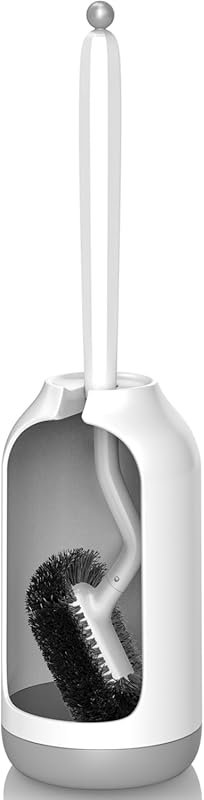
Invest in a plunger caddy or holder that keeps the plunger upright and off the floor. These often include a lid to prevent splatter and contamination. Some caddies even have a built-in brush for cleaning.
Wall-Mounted Options
Wall-mounted holders save space and keep the plunger visible and accessible. Make sure the mount is sturdy and won’t fall if the plunger is bumped.
Travel Plungers
For frequent travelers, consider a compact, collapsible plunger that fits in a suitcase or car trunk. These are lightweight and easy to clean.
When to Use a Plunger vs. Other Tools
While plungers are effective for many clogs, some blockages require more than just suction. Knowing when to switch tools can save time and prevent damage to your pipes.
Plunger Only
Use a plunger for minor clogs caused by toilet paper, small amounts of waste, or hair in sinks. These are common and usually respond well to suction.
Plunger + Enzyme Cleaner
For organic clogs (like hair or grease), use a plunger first, then follow up with an enzyme-based drain cleaner. These break down organic matter without damaging pipes.
Auger or Snake
If the plunger fails, it may be time for a plumbing snake or auger. These tools can break up clogs deep in the pipes that a plunger can’t reach.
Professional Help
If you’ve tried plunging, snaking, and chemical cleaners without success, it’s time to call a plumber. Persistent clogs may indicate a more serious issue, like a collapsed pipe or tree root intrusion.
Top Brands to Consider
While many plungers are made by generic manufacturers, some brands stand out for quality, durability, and design.
Korky
Known for high-quality plumbing tools, Korky offers durable plungers with ergonomic handles and reliable seals.
OXO
OXO plungers feature comfortable, non-slip handles and are designed with user feedback in mind. Their models are often praised for ease of use.
Plumbcraft
This brand offers a range of plungers, including silicone and rubber models, with a focus on hygiene and long-term performance.
OXO Good Grips
OXO’s Good Grips plunger is a favorite among users for its comfortable grip and effective suction. It’s made of rubber and includes a convenient storage caddy.
Danco
Danco plungers are known for their affordability and solid performance. They offer both standard and flange models.
Tips for Effective Plunging
Even the best plunger won’t work miracles if you don’t use it correctly. Here are some proven techniques to clear clogs faster and with less effort.
Create a Seal
Press the plunger firmly over the drain to eliminate air leaks. A tight seal is essential for generating suction.
Use the Right Motion
Instead of just pushing down, use a quick, firm up-and-down motion. This creates a pressure change that helps dislodge the clog.
Don’t Rush
Give the plunger time to work. Hold it in place for 15–30 seconds before lifting. Repeat several times if needed.
Avoid Overuse
Repeated plunging without success can push the clog further down or damage the seal around the toilet flange. Switch to a snake if the plunger isn’t working.
Clean Up Afterward
Flush the toilet several times to clear any debris. Wipe down the plunger and store it properly to prevent future issues.
Eco-Friendly Plunger Options
If you’re environmentally conscious, consider eco-friendly plunger options. These include:
- Biodegradable plungers: Made from natural materials that break down over time.
- Reusable silicone plungers: Long-lasting and washable, reducing waste.
- Plunger caddies with compostable liners: Some brands offer caddies with liners that can be composted after use.
While eco-plungers may be slightly more expensive, they offer long-term savings and reduce your environmental footprint.
Common Plunger Myths Debunked
Myth: All Plungers Are the Same
False. Cup, flange, and auger plungers serve different purposes. Using the wrong type can reduce effectiveness or damage fixtures.
Myth: Bleach Cleans a Plunger Better Than Water
False. Bleach can degrade rubber and silicone over time. Hot water and mild soap are safer and just as effective.
Myth: A Longer Handle Means a Better Plunger
Not necessarily. A handle that’s too long can be awkward to store and use. Opt for a balance between reach and practicality.
Myth: You Can Use a Plunger on Any Drain
False. Flange plungers work on sinks and tubs, but cup plungers are best for toilets. Using the wrong type can leave marks or fail to seal properly.
Final Thoughts: Choose Wisely, Plunge Confidently
Choosing the right toilet plunger doesn’t have to be complicated. By understanding the types, materials, and features available, you can make an informed decision that saves you time, money, and frustration. Whether you opt for a classic rubber cup plunger or a high-tech auger model, the key is to pick one that fits your needs and bathroom setup.
Remember, a good plunger is more than just a tool—it’s a lifeline when clogs strike. With the right plunger, you’ll be prepared for any blockage, big or small. So next time you reach for that plunger, do it with confidence. You’ve got this.
Frequently Asked Questions
What’s the difference between a cup plunger and a flange plunger?
A cup plunger has a flat rubber cup and is best for toilets. A flange plunger has a rubber ring around the cup and is designed for sinks and tubs. Using the wrong type can reduce effectiveness or damage fixtures.
How do I clean my toilet plunger properly?
After each use, rinse the plunger with hot water and let it air dry completely. Avoid bleach, which can degrade rubber. Store it in a dry, well-ventilated area or in a caddy to prevent mold.
Can I use a plunger on a clogged sink?
Only if it’s a flange plunger. Cup plungers are not designed for sinks and may not create a proper seal. A flange plunger fits irregular drains and provides better suction.
How often should I replace my plunger?
Replace your plunger every 6–12 months if used regularly. Signs it’s time to replace include cracks, odors, or reduced suction. If it’s made of silicone, it may last longer than rubber.
Do I need an auger plunger for every home?
Not necessarily. A standard cup or flange plunger is sufficient for most household clogs. An auger is only needed if you frequently deal with stubborn or recurring blockages.
Are silicone plungers better than rubber?
Silicone is more hygienic and easier to clean, but rubber is more durable and often more affordable. Choose based on your priorities—cleanliness vs. longevity.