Toilet Plunger for Low Flow Toilet
Low flow toilets can be tricky to unclog, but the right plunger makes all the difference. Choosing a toilet plunger for low flow toilet models ensures better suction and faster results without damaging your fixture. In this guide, we’ll walk you through what makes a plunger ideal for these water-saving designs and how to pick, use, and maintain one like a pro.
Key Takeaways
- Low flow toilets have smaller drain holes that trap debris more easily, requiring a plunger with stronger suction.
- Choose a flange plunger—it’s the best toilet plunger for low flow toilet systems due to its extended rubber tip.
- Proper seal is critical: press the plunger firmly and create a tight seal over the drain hole before plunging.
- Use a plunger with a cup size that matches your toilet’s bowl shape to maximize contact and pressure.
- Consider a plunger with a built-in seal or gasket for added efficiency and reduced splatter.
- Regular cleaning and storage prevent mold and bacteria buildup, extending your plunger’s life.
- Sometimes plunging isn’t enough—know when to call a plumber to avoid costly damage.
📑 Table of Contents
- Toilet Plunger for Low Flow Toilet: The Ultimate Guide to Clearing Clogs Efficiently
- Understanding Low Flow Toilets and Why They Clog More
- What Makes a Plunger Ideal for Low Flow Toilets?
- How to Use a Plunger on a Low Flow Toilet Effectively
- Alternative Tools and When to Call a Plumber
- Maintaining Your Plunger and Preventing Future Clogs
- Top Brands and Recommendations
Toilet Plunger for Low Flow Toilet: The Ultimate Guide to Clearing Clogs Efficiently
You’ve probably noticed how modern bathrooms are evolving—sinks, showers, and especially toilets are becoming more water-conscious. Low flow toilets, designed to save gallons per flush, have become the standard in homes across the country. While they’re eco-friendly and cost-effective, they come with a common challenge: clogs. Because these toilets use less water, they’re more prone to buildup and blockages. That’s where a toilet plunger for low flow toilet systems comes in.
Not all plungers are created equal. A standard cup plunger might not cut it when dealing with the tight spaces and reduced water volume in low flow models. You need a tool specifically designed to create maximum suction and pressure in confined areas. In this comprehensive guide, we’ll break down everything you need to know about choosing, using, and maintaining the best plunger for your low flow toilet. Whether you’re dealing with a stubborn clog or just want to be prepared, this article will equip you with the knowledge to handle it like a pro.
Understanding Low Flow Toilets and Why They Clog More
How Low Flow Toilets Work
Low flow toilets use between 1.28 and 1.6 gallons per flush (GPF), compared to older models that used 3.5 to 7 GPF. This efficiency is achieved through improved trapways (the curved pipe inside the toilet), dual-flush mechanisms, and specialized flush valves. While these designs reduce water consumption, they also create a narrower and more compact drain path.
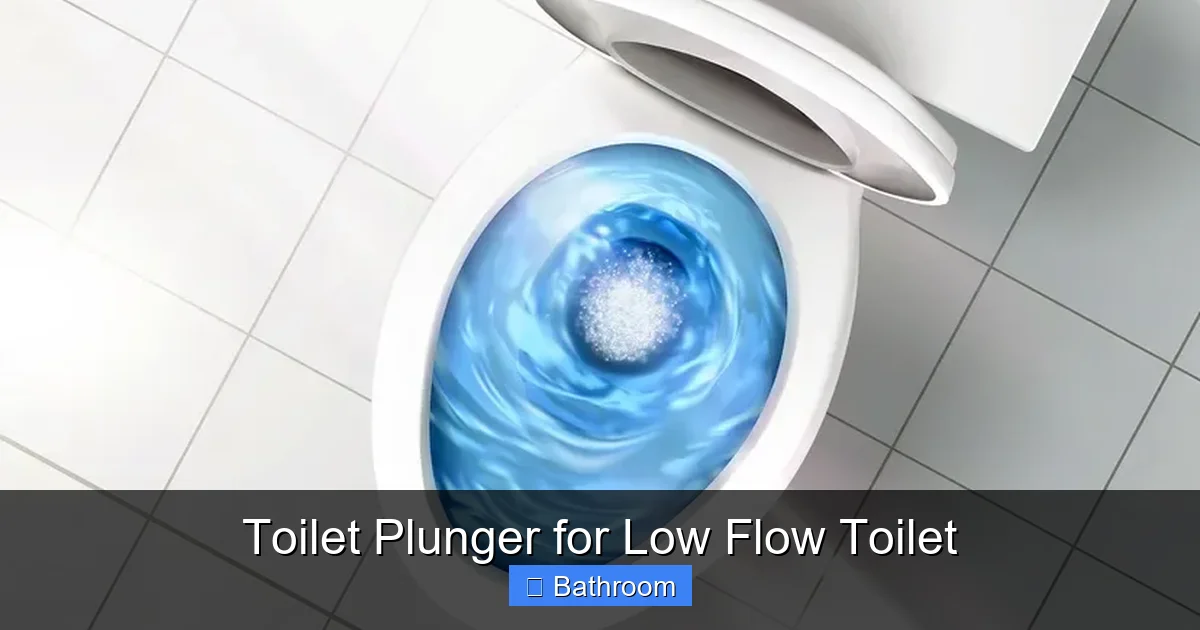
Visual guide about Toilet Plunger for Low Flow Toilet
Image source: media.hswstatic.com
This compact design means there’s less room for debris to pass through. Hair, soap scum, toilet paper, and other materials can accumulate quickly, especially in households with children or frequent guests. The reduced water volume also means there’s less force to push waste down the drain, increasing the likelihood of clogs.
Common Clog Causes in Low Flow Toilets
Understanding what causes clogs helps you prevent them—and choose the right tool to fix them. Here are the most frequent culprits:
- Excessive toilet paper use: Even a little goes a long way, but overuse can overwhelm the system.
- Non-flushable items: Wipes, feminine hygiene products, or paper towels can cause major blockages.
- Hard water buildup: Mineral deposits from hard water can narrow the drain over time.
- Hair and soap residue: These stick to the sides of the bowl and trap other debris.
- Improper installation: If the toilet isn’t vented correctly or is installed too close to the wall, airflow can be restricted, leading to slow drainage.
Because low flow toilets are more sensitive to blockages, it’s essential to act quickly when you notice slow drainage or incomplete flushes. Delaying action can lead to overflows or even cracks in the bowl from pressure buildup.
What Makes a Plunger Ideal for Low Flow Toilets?
The Difference Between Cup and Flange Plungers
When shopping for a toilet plunger for low flow toilet, you’ll likely see two main types: cup plungers and flange plungers. The difference lies in the rubber tip.
Visual guide about Toilet Plunger for Low Flow Toilet
Image source: shutterstock.com
- Cup plungers have a smooth, round rubber cup. They’re great for sinks, tubs, and showers but don’t fit snugly over the toilet drain hole.
- Flange plungers feature a smaller rubber extension at the bottom of the cup. This flange creates a tighter seal around the toilet’s drain opening, which is critical for low flow models.
For low flow toilets, a flange plunger is your best bet. The extended rubber tip fits precisely into the smaller drain hole, allowing you to create a stronger seal and more effective suction. This means fewer plunging attempts and a cleaner, faster solution.
Key Features to Look For
Not every flange plunger is built the same. Here are the features that make a plunger ideal for low flow toilets:
- Durable rubber construction: Look for high-quality, non-marking rubber that won’t degrade over time.
- Ergonomic handle: A comfortable, non-slip grip makes plunging easier and more effective.
- Built-in seal or gasket: Some plungers come with a rubber ring or gasket that enhances the seal and reduces splatter.
- Appropriate cup size: The cup should be large enough to cover the drain hole but not so big that it doesn’t fit properly.
- Easy-to-clean design: A removable rubber cup or dishwasher-safe components help maintain hygiene.
Brands like Korky, Fluidmaster, and OXO offer reliable flange plungers with these features. While you can find affordable options at hardware stores, investing in a quality plunger saves time and frustration in the long run.
How to Use a Plunger on a Low Flow Toilet Effectively
Step-by-Step Plunging Technique
Even the best toilet plunger for low flow toilet won’t work if you don’t use it correctly. Follow these steps for maximum effectiveness:
Visual guide about Toilet Plunger for Low Flow Toilet
Image source: media.hswstatic.com
- Remove excess water: If the bowl is more than halfway full, use a cup or sponge to remove some water. Too much liquid reduces suction.
- Position the plunger: Place the rubber cup directly over the drain hole. Make sure the flange fits snugly into the trapway.
- Create a tight seal: Press down firmly to eliminate air gaps. A good seal is essential for generating suction.
- Plunge in short, quick motions: Push down gently, then pull up sharply. Repeat 10–15 times with consistent rhythm.
- Test the flush: After plunging, flush the toilet to see if the clog is cleared. If not, repeat the process.
Common Mistakes to Avoid
Many people unknowingly sabotage their efforts by making these errors:
- Using a cup plunger: As mentioned, this won’t create a proper seal on a low flow toilet.
- Plunging too slowly: Quick, firm motions build pressure faster than slow pushes.
- Not removing water first: Excess liquid reduces suction power.
- Using excessive force: This can damage the toilet’s porcelain or push clogs deeper.
- Not cleaning the plunger after use: Residual waste can breed bacteria and attract pests.
Pro tip: If the clog persists after two or three plunging attempts, stop and consider alternative methods. Over-plunging can damage the toilet’s internal components.
Alternative Tools and When to Call a Plumber
Other Methods for Stubborn Clogs
If your toilet plunger for low flow toilet isn’t working, don’t panic. There are other tools and techniques to try:
- Toilet auger (snake): A flexible cable that can reach deeper into the drain to break up clogs. Ideal for recurring blockages.
- Enzyme-based drain cleaners: Safe for pipes and effective for organic buildup. Use sparingly and follow instructions.
- Boiling water (with caution): Pouring hot (not boiling) water down the bowl can help dissolve grease and soap scum. Avoid if you have PVC pipes or wax seals.
- Plunger with plunger and brush combo: Some models include a scrubbing brush to clean the bowl while plunging.
Remember: low flow toilets are sensitive. Avoid chemical drain cleaners—they can corrode the internal components and void your warranty.
When to Call a Professional
Knowing when to stop DIY efforts is crucial. Call a licensed plumber if:
- The clog returns within a day or two.
- You hear gurgling sounds after flushing.
- Water starts to back up into the bowl or floor.
- You suspect a blockage in the main sewer line.
- You’ve tried multiple methods without success.
Attempting to force a solution can lead to cracked bowls, overflows, or even sewage backups. A professional has the tools and expertise to diagnose and fix the issue safely and permanently.
Maintaining Your Plunger and Preventing Future Clogs
Cleaning and Storage Tips
A clean plunger is a safe plunger. After each use, follow these steps:
- Rinse thoroughly: Use hot water to wash away debris and residue.
- Disinfect: Soak in a mixture of one part bleach to four parts water for 10 minutes.
- Air dry: Store in a dry, upright position to prevent mold growth.
- Wash the handle: Use soap and water to clean the handle, especially if you’ve touched the bowl.
Never leave your plunger sitting in standing water or in the bathroom sink. Store it in a well-ventilated area, preferably in a plunger caddy or on a stand.
Preventive Measures
Prevention is always better than cure. Here’s how to keep your low flow toilet clog-free:
- Use less toilet paper: One or two squares per flush is usually enough.
- Install a toilet paper holder with a dispenser: This encourages mindful use.
- Flush only human waste and toilet paper: Never flush wipes, paper towels, or anything else.
- Use a hair catcher in the shower: This reduces hair entering your plumbing system.
- Run cold water while flushing: This helps push waste through the system.
- Schedule annual inspections: A plumber can check for buildup or venting issues.
By adopting these habits, you’ll extend the life of your toilet and reduce the need for emergency plunging sessions.
Top Brands and Recommendations
Best Toilet Plungers for Low Flow Toilets
After extensive research and user feedback, here are the top-rated options:
- Korky 302BP Universal Flange Plunger: Durable, fits most toilet sizes, and comes with a protective rubber cover.
- OXO Good Grips Toilet Plunger: Ergonomic handle, non-slip grip, and easy-to-clean design.
- Fluidmaster 407A Flange Plunger: High-quality rubber, ideal for low flow and standard toilets.
- Plumbcraft 1025 Flange Plunger: Affordable and effective, with a flange that ensures a tight seal.
When choosing, consider your budget, storage space, and frequency of use. A mid-range plunger from a trusted brand will outlast a cheap one and perform better.
Where to Buy
You can find quality toilet plunger for low flow toilet models at:
- Home improvement stores: Home Depot, Lowe’s, Ace Hardware
- Online retailers: Amazon, Wayfair, The Home Depot website
- Specialty plumbing supply stores: For professional-grade tools
Look for customer reviews and ratings to ensure you’re getting a reliable product. Many brands offer warranties, which is a good sign of quality.
Frequently Asked Questions
What is the best type of plunger for a low flow toilet?
The best plunger for a low flow toilet is a flange plunger, which has an extended rubber tip that fits snugly into the smaller drain hole. This creates a stronger seal and more effective suction compared to a standard cup plunger.
Can I use a regular plunger on a low flow toilet?
It’s not recommended. A regular cup plunger won’t create a proper seal on a low flow toilet’s narrow drain hole, making it less effective. A flange plunger is specifically designed for this purpose.
How do I know if my low flow toilet is clogged?
Signs include slow drainage, water not flushing away after a flush, gurgling sounds, or water backing up into the bowl. If the toilet doesn’t flush completely, it’s likely clogged.
How often should I clean my toilet plunger?
Clean your plunger after every use. Rinse it with hot water, disinfect with a bleach solution, and let it air dry. Regular cleaning prevents bacteria buildup and extends the plunger’s life.
Can I use chemical drain cleaners on a low flow toilet?
No, avoid chemical drain cleaners. They can damage the internal components of low flow toilets, void warranties, and harm your plumbing system. Use mechanical methods like plunging or a toilet auger instead.
What should I do if plunging doesn’t work?
If plunging doesn’t clear the clog after a few attempts, try a toilet auger or enzyme-based cleaner. If the problem persists, call a licensed plumber to avoid causing further damage.