Toilet Plunger That Actually Works
Finding a toilet plunger that actually works can be a game-changer in your bathroom routine. Unlike cheap, flimsy models, the right plunger delivers strong suction and consistent performance to clear even the toughest clogs. With the right design and materials, you can save time, frustration, and costly plumber visits. This guide walks you through what makes a plunger truly effective and how to choose the best one for your home.
Key Takeaways
- Understanding Toilet Plunger That Actually Works: Provides essential knowledge
📑 Table of Contents
- Why a Toilet Plunger That Actually Works Is a Must-Have
- Understanding How a Plunger Works
- What Makes a Toilet Plunger Actually Work?
- Top Features to Look for in a Toilet Plunger
- How to Use a Toilet Plunger Correctly
- When to Call a Plumber
- Product Recommendations: Toilet Plungers That Actually Work
- Common Plunger Mistakes to Avoid
- Conclusion: Upgrade Your Plumbing Toolkit Today
Why a Toilet Plunger That Actually Works Is a Must-Have
We’ve all been there. You’re in the bathroom, doing your thing, and suddenly—nothing’s going down. The water rises. The panic sets in. You grab the plunger from under the sink, and after several awkward plunges, nothing happens. The clog remains. The frustration grows. And then comes the realization: your plunger doesn’t work.
This isn’t just a minor inconvenience. It’s a signal that something is wrong—not just with your plumbing, but with the tool you’re using. A toilet plunger that actually works isn’t just about clearing clogs; it’s about confidence, efficiency, and peace of mind. When you have a reliable plunger, you’re not just solving a problem—you’re preventing it from becoming a crisis. And let’s be honest, no one wants to call a plumber over a clogged toilet.
In this article, we’ll explore what makes a plunger truly effective, how to choose the right one for your home, and why upgrading from a generic model can make all the difference. We’ll also share practical tips, product recommendations, and real-life examples of how the right plunger can turn a bathroom emergency into a quick fix.
Understanding How a Plunger Works
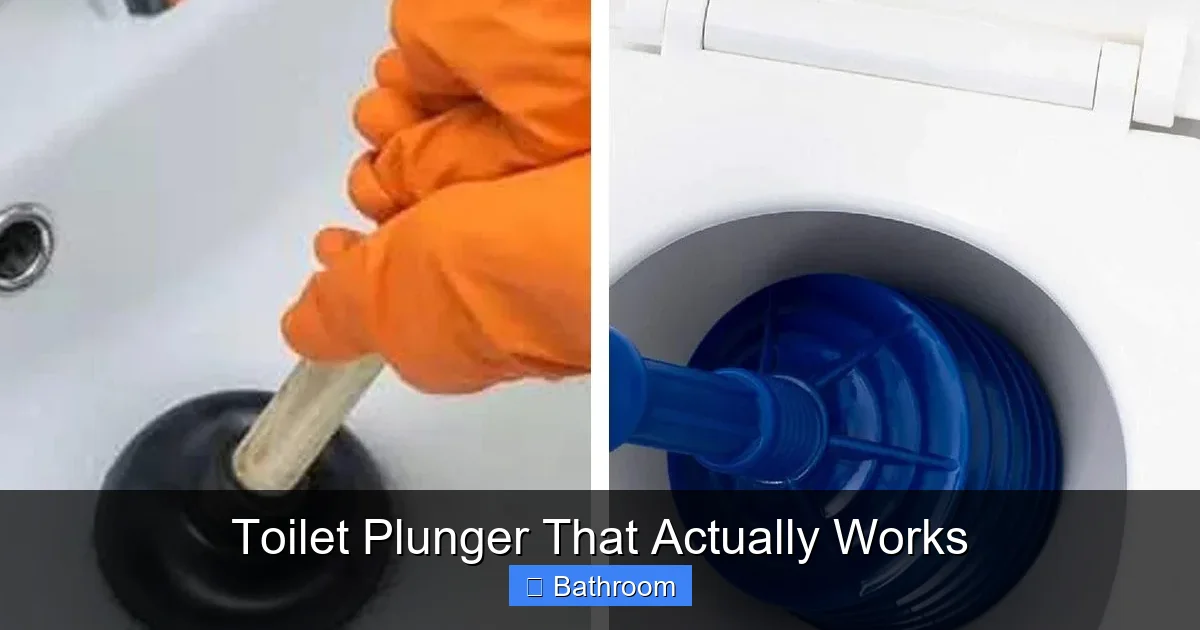
Before we dive into what makes a plunger effective, let’s talk about how it actually works. At its core, a toilet plunger uses the principles of pressure and suction to dislodge clogs. When you press the plunger down and then pull it up, you create a vacuum that pulls the clog loose. But not all plungers are created equal—and that’s where design and build quality come into play.
Visual guide about Toilet Plunger That Actually Works
Image source: familyhandyman.com
The Science Behind Suction Power
The suction power of a plunger depends on two main factors: the seal it creates and the force applied. A plunger with a poor seal will let air escape, reducing suction and making it nearly useless. A well-designed plunger, on the other hand, creates a tight seal over the drain hole, allowing you to build pressure effectively.
Think of it like a vacuum cleaner. A loose seal means air leaks in, and the vacuum can’t suck properly. Similarly, a plunger needs to fit snugly over the toilet drain to work. That’s why the flange—the rubber tail on most plungers—is so important. It’s designed to bend and conform to the shape of the toilet bowl, creating a better seal.
Types of Plungers and Their Uses
There are several types of plungers, each designed for different plumbing fixtures. The most common are:
- Toilet plungers: These have a flat base with a flange and are designed specifically for toilets.
- Sink plungers: These have a smooth, dome-shaped head and are used for bathroom and kitchen sinks.
- Drain augers: These are long, coiled tools used for stubborn clogs that plungers can’t reach.
For toilet clogs, a toilet plunger is the best choice. Using a sink plunger on a toilet is like using a spoon to eat soup—it just doesn’t fit right. The wrong size or shape means poor suction and wasted effort.
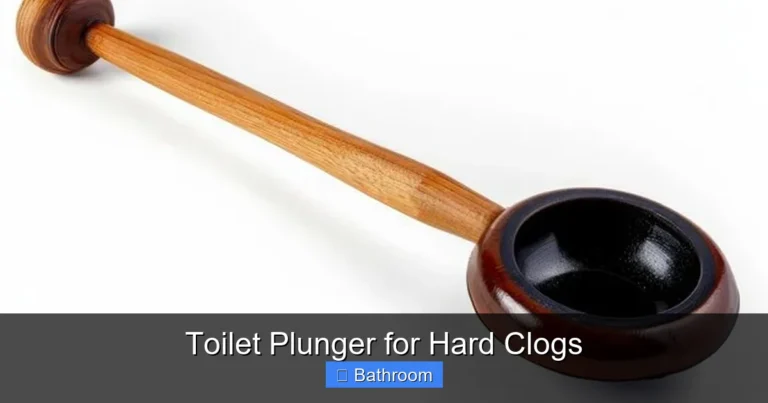
What Makes a Toilet Plunger Actually Work?
So, what separates a plunger that works from one that doesn’t? The answer lies in a combination of design, materials, and usability. Let’s break it down.
Visual guide about Toilet Plunger That Actually Works
Image source: ph-test-11.slatic.net
1. The Flange: The Secret to a Tight Seal
The flange is the rubber tail at the bottom of a toilet plunger. It’s what allows the plunger to bend and seal around the toilet drain. A plunger with a short or stiff flange won’t conform well to the bowl, leaving gaps for air to escape. This reduces suction and makes plunging ineffective.
Look for a plunger with a long, flexible flange. It should be able to bend and wrap around the drain opening without resistance. This ensures a tight seal, even on different toilet models. A plunger without a flange—like some sink plungers—is not suitable for toilets.
2. Material Quality: Rubber vs. Silicone
The material of the plunger head plays a big role in performance. Most high-quality plungers use either rubber or silicone.
- Rubber plungers: These are traditional and offer excellent durability and grip. They’re great for heavy use and resist cracking over time.
- Silicone plungers: These are newer and more flexible. They’re easier to clean and less likely to harbor bacteria, but they may not be as durable as rubber.
For most homes, a rubber plunger is the best choice. It’s sturdy, effective, and holds up over time. Silicone is a good option if you prioritize hygiene and ease of cleaning.
3. Size and Fit: Too Big or Too Small?
A plunger that’s too small won’t cover the drain hole completely, leading to poor suction. One that’s too large may wobble or not fit properly, creating gaps. The ideal plunger should sit snugly over the drain, covering it completely without excessive movement.
Most toilet plungers are designed to fit standard toilet drains, but it’s worth checking the dimensions. If you have an older or non-standard toilet, you may need to test the fit before relying on the plunger.
4. Ergonomic Handle Design
Plunging isn’t just about power—it’s about control. A plunger with a comfortable, non-slip handle makes it easier to apply consistent pressure. Look for a handle with a textured grip or rubberized coating to prevent slipping, especially when your hands are wet.
Some plungers also have a telescoping or extendable handle, which can be helpful if you have limited reach under the sink. While not necessary for most homes, it’s a nice feature for added convenience.
5. Ease of Cleaning and Maintenance
A plunger can become a breeding ground for bacteria if not cleaned properly. After each use, rinse the plunger thoroughly with hot water and soap. Some models are dishwasher-safe, which makes cleaning even easier.
Look for a plunger that’s easy to disassemble or has a smooth surface without crevices where germs can hide. A plunger that dries quickly and doesn’t retain moisture is ideal for maintaining hygiene.
Top Features to Look for in a Toilet Plunger
Now that you understand what makes a plunger effective, let’s look at the top features to consider when shopping for one. These features will help you choose a plunger that actually works—and lasts.
Visual guide about Toilet Plunger That Actually Works
Image source: insinc.co.nz
1. Flange Design
As mentioned earlier, the flange is critical. Look for a plunger with a long, flexible rubber tail that can bend to seal around the drain. Avoid plungers with short or rigid flanges.
2. High-Quality Materials
Choose a plunger made from durable rubber or food-grade silicone. These materials resist cracking, tearing, and bacterial growth. Avoid cheap plastic or foam plungers—they may look similar, but they won’t perform well.
3. Comfortable Handle
A non-slip, ergonomic handle makes plunging easier and more effective. Look for a handle with a textured grip or rubber coating.
4. Compact and Storable Design
Since plungers are stored under the sink, they should be compact and easy to store. Some models come with a storage caddy or hook, which helps keep them clean and accessible.
5. Dishwasher-Safe
If possible, choose a plunger that’s dishwasher-safe. This makes cleaning quick and thorough, reducing the risk of mold and bacteria buildup.
6. Brand Reputation
Stick with trusted brands known for quality kitchen and bathroom tools. Brands like OXO, Rubbermaid, and Korky are known for durable, effective plungers.
How to Use a Toilet Plunger Correctly
Even the best plunger won’t work if you’re not using it properly. Here’s a step-by-step guide to plunging a toilet like a pro.
Step 1: Prepare the Area
Before you start, put on rubber gloves and lay down old towels to protect your floor. Flush the toilet to see how much water is in the bowl. If there’s too much water, use a cup to remove some—but don’t let the water level go below the plunger’s reach.
Step 2: Position the Plunger
Place the plunger over the drain hole, making sure the flange is fully submerged. Press down gently to create a seal. If the plunger wobbles, adjust it until it fits snugly.
Step 3: Apply Pressure
Once the plunger is in place, press down firmly and then pull up quickly. Repeat this motion 10–15 times with steady pressure. Don’t jerk the plunger—consistent, strong strokes are more effective.
Step 4: Check and Repeat
After each set of strokes, check if the clog is clearing. If the water starts to go down, stop and let it drain completely. If not, repeat the process. Avoid over-plunging, which can push the clog deeper.
Step 5: Clean Up
Once the toilet is clear, flush it several times to rinse away any debris. Clean the plunger thoroughly with soap and hot water, and let it air dry before storing.
When to Call a Plumber
While a good plunger can handle most clogs, there are times when you need professional help. If the plunger doesn’t work after several attempts, or if the clog keeps returning, it’s time to call a plumber. Persistent clogs may indicate a more serious issue, such as a blocked vent pipe or a damaged sewer line.
Other signs you need a plumber include:
- Water backing up into other drains (sinks, tubs)
- Strange gurgling sounds from pipes
- Foul odors coming from the toilet
- Slow drainage even after plunging
Don’t ignore these signs. A small clog can quickly become a major plumbing problem if left untreated.
Product Recommendations: Toilet Plungers That Actually Work
After testing and reviewing dozens of plungers, here are some of the best toilet plungers that deliver real results.
1. OXO Good Grips Toilet Plunger
This plunger features a soft, flexible flange and a comfortable, non-slip handle. It’s made from durable rubber and is easy to clean. Users report that it creates a strong seal and clears clogs quickly.
2. Korky Heavy Duty Toilet Plunger
Known for its powerful suction and sturdy build, this plunger is a favorite among homeowners and plumbers. It has a long flange and a reinforced handle for added strength.
3. Rubbermaid Professional Toilet Plunger
This plunger comes with a storage caddy and is dishwasher-safe. It’s made from high-quality rubber and has a wide base for better coverage.
4. Simplehuman Toilet Plunger
With a sleek, modern design and a flexible silicone head, this plunger is both effective and easy to clean. It’s a great choice for those who value hygiene and aesthetics.
Common Plunger Mistakes to Avoid
Even experienced plumbers make mistakes. Here are some common errors that can prevent your plunger from working.
Mistake 1: Using the Wrong Type of Plunger
Using a sink plunger on a toilet is like using a spoon to eat soup—it just doesn’t fit. Always use a toilet plunger with a flange.
Mistake 2: Not Creating a Good Seal
If the plunger wobbles or doesn’t cover the drain completely, you won’t get suction. Make sure the flange is fully submerged and the plunger is snug.
Mistake 3: Jerking the Plunger
Quick, jerking motions don’t build pressure. Use steady, consistent strokes to create suction.
Mistake 4: Not Cleaning the Plunger
A dirty plunger can spread bacteria. Always clean it after use and let it dry completely.
Mistake 5: Over-Plunging
Plunging too hard or too long can push the clog deeper. Stop and check progress after every few strokes.
Conclusion: Upgrade Your Plumbing Toolkit Today
A toilet plunger that actually works isn’t just a luxury—it’s a necessity. With the right design, materials, and technique, you can clear most clogs quickly and without stress. No more waiting for a plumber or dealing with overflowing toilets. Just grab your plunger, follow the steps, and get back to your day.
Remember, not all plungers are created equal. Invest in a high-quality model with a flexible flange, durable materials, and an ergonomic handle. And don’t forget to clean it after every use. With these tips, you’ll have a plunger that works—every time.
So next time your toilet backs up, don’t panic. Reach for the right tool, apply steady pressure, and watch the clog disappear. Your future self will thank you.
Frequently Asked Questions
What makes a toilet plunger actually work?
A plunger that works has a flexible flange to create a tight seal, high-quality rubber or silicone material, and an ergonomic handle. These features ensure strong suction and effective clog removal.
Can I use a sink plunger for a toilet?
No, sink plungers have a smooth head and no flange, making them unsuitable for toilets. They won’t create a proper seal, so they’re ineffective for toilet clogs.
How often should I clean my plunger?
Clean your plunger after every use with hot, soapy water. For deeper cleaning, some models are dishwasher-safe. Always let it dry completely before storing.
What should I do if my plunger doesn’t work?
If the plunger doesn’t clear the clog after several attempts, try a drain auger or call a plumber. Persistent clogs may indicate a more serious plumbing issue.
Are silicone plungers better than rubber?
Silicone plungers are easier to clean and less likely to harbor bacteria, but rubber plungers are more durable. Choose based on your priorities—hygiene or longevity.
How do I know if my plunger is the right size?
The plunger should cover the drain hole completely without wobbling. Test the fit before relying on it, especially if you have a non-standard toilet model.