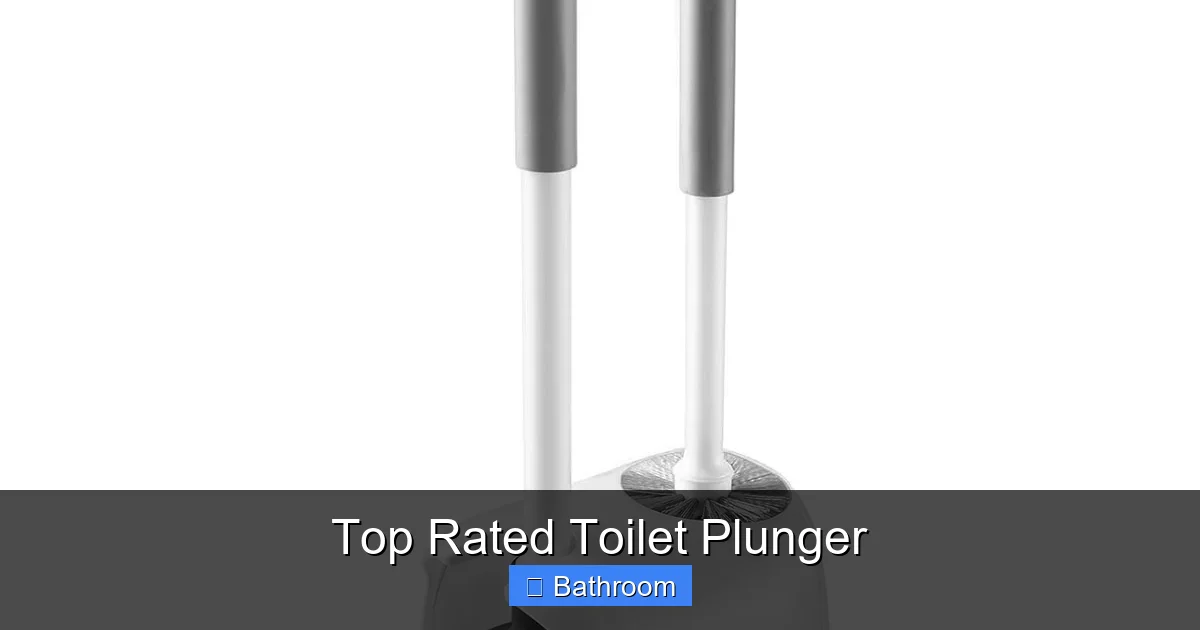
Top Rated Toilet Plunger
Finding the best toilet plunger can save you time, money, and frustration. Whether you’re dealing with a stubborn clog or just want to be prepared, a top rated toilet plunger is a must-have in every home. In this guide, we’ll walk you through the best models, key features to look for, and expert tips to keep your toilet flowing smoothly.
Key Takeaways
- Understanding Top Rated Toilet Plunger: Provides essential knowledge
📑 Table of Contents
- Why Every Home Needs a Top Rated Toilet Plunger
- Understanding the Different Types of Toilet Plungers
- What Makes a Toilet Plunger Top Rated?
- Top Rated Toilet Plunger Brands and Models
- How to Use a Toilet Plunger Like a Pro
- Maintenance Tips for Your Toilet Plunger
- When to Call a Plumber Instead of Plunging
- Bonus Tips: Preventing Future Clogs
- Final Thoughts: Why Invest in a Top Rated Toilet Plunger?
Why Every Home Needs a Top Rated Toilet Plunger
Let’s face it—clogged toilets are one of those household emergencies no one wants to deal with. Whether it’s a buildup of toilet paper, hair, or something a little more stubborn, a blocked toilet can disrupt your entire day. That’s where the top rated toilet plunger comes in. It’s not just a tool; it’s your first line of defense against bathroom disasters.
But not all plungers are created equal. A cheap, floppy plunger might push water around without clearing the blockage. A high-quality top rated toilet plunger, on the other hand, creates the right pressure to dislodge even the toughest clogs. In this guide, we’ll help you understand what makes a plunger truly effective, which models stand out in the market, and how to use one like a pro.
Understanding the Different Types of Toilet Plungers
Before you rush out to buy a plunger, it’s important to know there are two main styles. Each has its strengths, and choosing the right one depends on your toilet and the type of clog you’re facing.

Visual guide about Top Rated Toilet Plunger
Image source: soul-sanctuaries.com
Flange Plungers: The Gold Standard
The top rated toilet plunger with a flange is often considered the most effective. The flange is a rubber ring around the edge that fits snugly over the toilet drain. This creates a tight seal, allowing you to build pressure and push clogs down the pipe. Flange plungers are especially good for modern toilets with smooth, straight drains.
Many plumbers recommend flange plungers because they offer better suction and control. They’re also easier to clean since the rubber doesn’t absorb moisture like some other materials.
Cup Plungers: Simple and Effective
Cup plungers have a smooth, bowl-shaped rubber cup without a flange. They work well on older toilets or those with a tapered drain. While they can handle most clogs, they may not create as strong a seal as flange models.
If you’re on a budget, a good cup plunger can still get the job done. Just make sure it’s made of high-quality rubber or silicone—cheap plastic versions tend to wear out quickly.
What Makes a Toilet Plunger Top Rated?
Not every plunger earns a spot among the top rated toilet plungers. Several factors determine how well a plunger performs. Here’s what to look for when shopping.
Visual guide about Top Rated Toilet Plunger
Image source: mobileimages.lowes.com
Material Quality
The plunger head should be made of durable rubber or silicone. These materials resist wear, stay flexible, and create a strong seal. Avoid cheap foam or thin plastic plungers—they lose their shape fast and can’t generate enough pressure.
Silicone is especially popular now. It’s non-porous, easy to clean, and doesn’t absorb odors. Rubber is also great, but make sure it’s thick and firm—not soft or spongy.
Handle Design
A comfortable handle makes a big difference. Look for plungers with ergonomic, non-slip handles. Some even have soft grips that reduce hand fatigue during repeated plunging.
Longer handles give you more leverage, which can be helpful for stubborn clogs. But make sure the handle is balanced—too long or too short can make the plunger harder to control.
Size and Fit
Your top rated toilet plunger should fit your toilet bowl snugly. Most standard plungers work with 4-inch drains, but some toilets have smaller or larger openings. Check your toilet’s drain size before buying.
Also, consider the plunger’s overall size. A plunger that’s too small won’t create enough suction. One that’s too large might not fit comfortably in your plunger caddy.
Ease of Cleaning and Storage
A good plunger should be easy to rinse and dry. After use, flush the plunger head with hot water to remove debris. Let it air-dry upright in a clean holder. Never store it in a damp or dirty caddy—it’ll grow bacteria and start smelling.
Some top rated toilet plungers come with storage stands that keep the plunger off the floor and promote airflow. These are a small detail, but they make a big difference in hygiene.
Top Rated Toilet Plunger Brands and Models
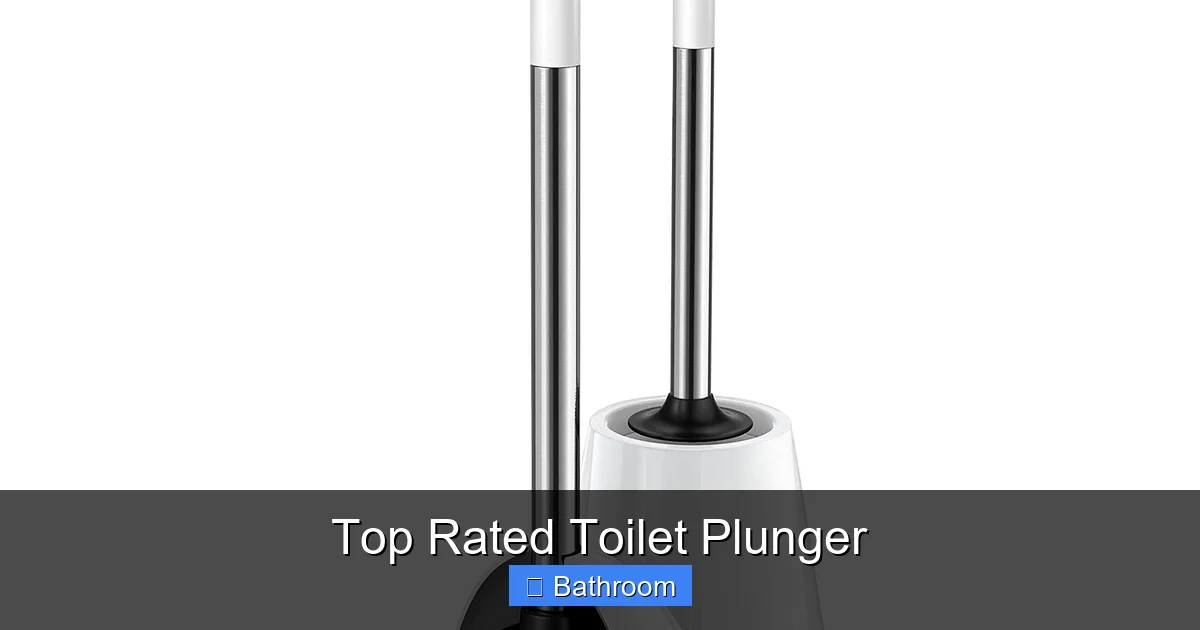
When it comes to reliability, certain brands consistently earn praise from homeowners and professionals alike. Here are some of the best top rated toilet plungers on the market today.
Visual guide about Top Rated Toilet Plunger
Image source: gosupps.com
Korky 308CP Heavy Duty Toilet Plunger
Korky is a trusted name in plumbing tools, and their 308CP model is a favorite among DIYers. It features a durable rubber cup with a flange that creates a tight seal. The handle is sturdy and easy to grip, even when wet.
One standout feature is the plunger’s ability to handle tough clogs without slipping. Many users report success with hair and paper buildup, and the plunger holds up well over time. It’s also easy to clean and store.
OXO Good Grips Toilet Plunger
OXO is known for its ergonomic designs, and this plunger is no exception. The soft, non-slip handle provides excellent grip, and the rubber head is firm yet flexible. The plunger fits most standard toilets and comes with a storage stand.
What sets this model apart is its balance and ease of use. The handle is the right length for most users, and the plunger head doesn’t wobble during use. It’s also dishwasher-safe, which makes cleaning even easier.
Fluidmaster 308CP Toilet Plunger
Another strong contender in the top rated toilet plungers category, Fluidmaster’s 308CP offers similar performance to Korky’s model. It has a flange design and a heavy-duty rubber cup that resists wear.
Users appreciate its solid construction and effectiveness on stubborn clogs. The handle is well-balanced, and the plunger fits securely over the drain. It’s a great choice for families or homes with older plumbing.
Rubbermaid Commercial Toilet Plunger
For those who want a commercial-grade tool at a reasonable price, Rubbermaid’s plunger is a solid pick. It’s made of high-quality rubber and features a flange for a tight seal. The handle is durable and easy to grip.
This model is especially good for high-traffic bathrooms or rental properties. It’s built to last and can handle frequent use without losing effectiveness.
OXO Good Grips Toilet Plunger with Storage
This version of the OXO plunger includes a convenient storage stand. The stand keeps the plunger upright and off the bathroom floor, which helps it dry faster and stay cleaner. It’s a small feature, but it makes a big difference in hygiene.
The plunger itself is the same high-quality model, with a firm rubber head and ergonomic handle. It’s a great all-around choice for most households.
How to Use a Toilet Plunger Like a Pro
Even the top rated toilet plunger won’t work miracles if you don’t use it correctly. Follow these steps for the best results.
Prepare the Area
Remove any rugs or towels near the toilet. Place a bucket or towel on the floor to catch any overflow. Make sure the plunger is clean before use.
Create a Seal
Insert the plunger into the toilet bowl so the rubber head covers the drain. For flange plungers, press down gently to ensure the flange fits snugly over the drain. For cup plungers, center the cup over the drain and press down.
Apply Pressure
Use a firm, steady motion to press down and pull up. Don’t just push—create a suction effect. For stubborn clogs, try a pumping motion: push down, then quickly pull up. Repeat several times.
Check for Success
After a few plunging cycles, lift the plunger and check if water starts to drain. If the clog is still there, add a cup of dish soap or a mixture of baking soda and vinegar to help break it down. Wait 10–15 minutes, then try plunging again.
Avoid Common Mistakes
Never plunge too hard—this can push the clog deeper. Don’t use the plunger on a toilet that’s already overflowing. And never use a sink or shower plunger on a toilet—they’re not designed for that.
Maintenance Tips for Your Toilet Plunger
A top rated toilet plunger can last for years—if you take care of it. Here’s how to keep it in top shape.
Clean After Every Use
After plunging, flush the plunger head with hot water to remove debris. You can also rinse it under running water or wipe it with a disinfectant cloth.
Store Properly
Always store the plunger upright in a clean, dry holder. Avoid leaving it in a damp caddy or on the bathroom floor. A storage stand helps it dry faster and prevents mold.
Inspect Regularly
Check the rubber head for cracks, tears, or wear. If it’s soft, sticky, or misshapen, it’s time to replace the plunger. A worn-out plunger won’t create a good seal and will be less effective.
Replace When Needed
Most top rated toilet plungers last 1–2 years with regular use. If you notice it’s not working as well as before, or if it’s been over two years, consider upgrading to a new one.
When to Call a Plumber Instead of Plunging
While a top rated toilet plunger can handle most clogs, some situations require professional help.
Persistent Clogs
If you’ve tried plunging multiple times and the toilet still won’t drain, the clog may be deeper in the pipes. A plumber can use specialized tools like a drain snake or auger to clear it.
Multiple Blocked Fixtures
If your toilet, sink, and shower are all backing up, you may have a main line clog. This is a sign that professional intervention is needed.
Foul Odors
Persistent bad smells from the toilet could indicate a cracked pipe or poor venting. A plumber can inspect and fix the issue safely.
Toilet Gurgling
If the toilet gurgles when you flush other drains, it may be a sign of a venting problem. This requires expert diagnosis and repair.
Bonus Tips: Preventing Future Clogs
Prevention is always better than cleanup. Here are some simple ways to keep your toilet running smoothly.
Use Less Toilet Paper
Modern toilets are designed to handle a fair amount of paper, but using too much can lead to clogs. Try to use only what’s necessary.
Avoid Flushing Non-Flushables
Items like wipes, diapers, paper towels, and feminine products should never be flushed. They don’t break down like toilet paper and can cause serious blockages.
Regular Maintenance
Every few months, pour a mixture of baking soda and vinegar into the toilet, let it sit for 15 minutes, then flush. This helps break down buildup and keeps the pipes clean.
Install a Drain Strainer
If you have a bathtub or shower with hair buildup, consider using a drain strainer. It catches hair and soap scum before they enter the pipes.
Final Thoughts: Why Invest in a Top Rated Toilet Plunger?
A top rated toilet plunger isn’t just a tool—it’s peace of mind. It’s the difference between a quick fix and a plumbing emergency. By choosing a high-quality model, using it correctly, and maintaining it well, you’ll save time, money, and stress in the long run.
Whether you go with a flange model from Korky, an ergonomic design from OXO, or a commercial-grade option from Rubbermaid, the key is to pick one that fits your needs and lasts. And remember: a little prevention goes a long way. Keep your plunger clean, use it wisely, and your toilet will thank you.
In a world where small household issues can turn into big headaches, having the right tools makes all the difference. So don’t wait until the next clog hits—upgrade to a top rated toilet plunger today and be prepared for whatever comes your way.
Frequently Asked Questions
What makes a toilet plunger top rated?
A top rated toilet plunger is made of durable materials like rubber or silicone, has a flange for a tight seal, and features an ergonomic handle. It should fit your toilet well and be easy to clean and store.
How often should I replace my toilet plunger?
Most top rated toilet plungers last 1–2 years with regular use. Replace it if the rubber head becomes soft, sticky, or misshapen, or if it’s been over two years.
Can I use a sink plunger on a toilet?
No, sink plungers aren’t designed for toilet drains. They may not create a proper seal and could push clogs deeper. Always use a top rated toilet plunger for toilets.
How do I clean my toilet plunger properly?
After use, flush the plunger head with hot water to remove debris. Rinse it under running water or wipe with disinfectant. Store it upright in a clean, dry holder.
What should I do if plunging doesn’t work?
If the clog persists after several plunging attempts, it may be deeper in the pipes. Try using a drain snake or call a plumber for professional help.
Are silicone plungers better than rubber?
Both are good, but silicone is non-porous, resists odors, and is easier to clean. Rubber is also durable, but make sure it’s thick and firm. Choose based on your needs and preferences.