Washable Microfiber Duster
Say goodbye to disposable dusters and hello to a smarter, sustainable cleaning tool. The washable microfiber duster is a game-changer for home cleaning—effective, reusable, and kind to the planet. Whether you’re cleaning delicate surfaces or tackling tough grime, this duster delivers consistent performance with every use. It’s time to upgrade your cleaning routine with a product that works harder and lasts longer.
Key Takeaways
- Eco-Friendly Choice: Reusable and washable, reducing plastic waste from disposable dusters.
- Superior Dust Capture: Microfiber traps fine dust and allergens better than traditional materials.
- Versatile Use: Ideal for furniture, electronics, ceiling fans, and tight spaces.
- Easy Maintenance: Simply rinse under water or toss in the washing machine for a fresh start.
- Cost-Effective: Saves money over time by eliminating the need for constant replacements.
- Gentle on Surfaces: Non-abrasive material protects delicate finishes and coatings.
- Long-Lasting Durability: High-quality construction ensures years of reliable use.
📑 Table of Contents
- Why a Washable Microfiber Duster Is a Must-Have in Every Home
- What Makes Microfiber So Special for Cleaning?
- Top 5 Benefits of Using a Washable Microfiber Duster
- How to Choose the Right Washable Microfiber Duster
- Creative Ways to Use Your Microfiber Duster
- How to Maintain and Extend the Life of Your Microfiber Duster
- Conclusion: Upgrade Your Cleaning Routine Today
Why a Washable Microfiber Duster Is a Must-Have in Every Home
Let’s be honest—cleaning can feel like a chore, especially when you’re constantly buying new dusters that fall apart after a few uses. You reach for a duster, wipe down a surface, and suddenly it’s full of dust and lint, looking worse than before. Sound familiar? That’s where the washable microfiber duster steps in—not just as a tool, but as a smarter, more sustainable solution for keeping your home fresh and tidy.
Unlike paper or foam dusters that get used once and tossed, a microfiber duster is built to last. Made from ultra-fine synthetic fibers, it captures dust, pet hair, and allergens with incredible efficiency. Plus, since it’s washable, you can reuse it hundreds of times—making it both eco-conscious and budget-friendly. Whether you’re dusting bookshelves, computer monitors, or ceiling fans, this versatile tool adapts to your needs without the hassle.
In this article, we’ll dive deep into everything you need to know about washable microfiber dusters—from how they work and why they’re better than traditional options, to tips on choosing the right one and maintaining it for peak performance. You’ll also learn how to use it in creative ways around your home, making cleaning faster, easier, and more effective.
What Makes Microfiber So Special for Cleaning?
The Science Behind Microfiber
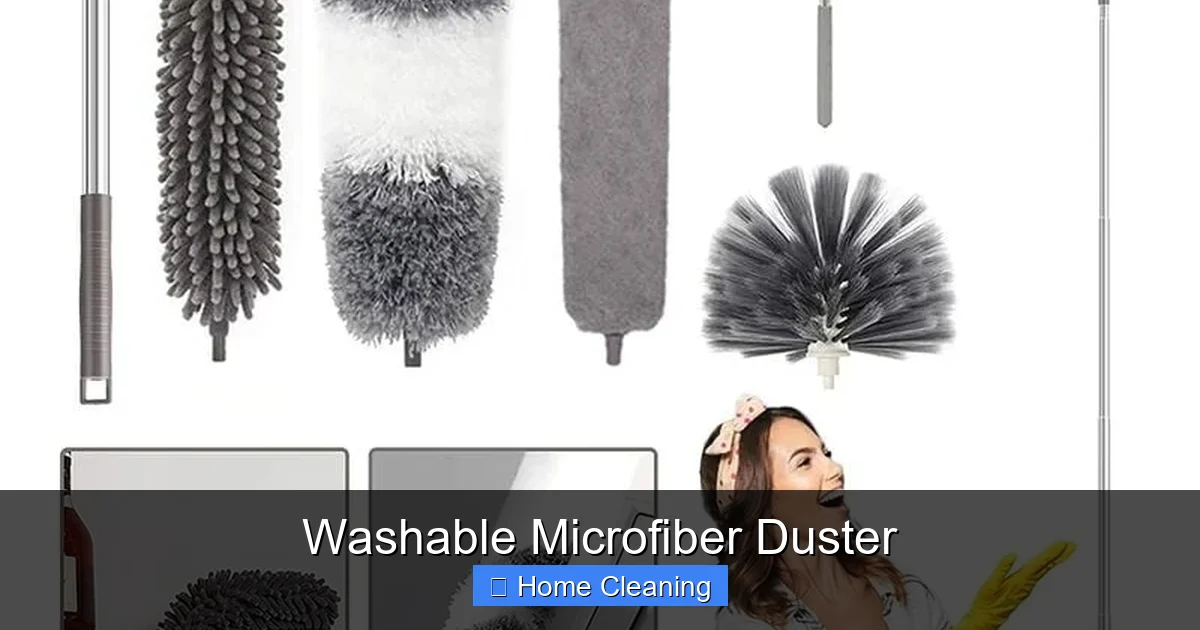
Microfiber isn’t just a buzzword—it’s a cleaning revolution. Made from tightly woven synthetic fibers, typically polyester and polyamide, microfiber is finer than a human hair. These fibers create millions of tiny pockets that trap dust, dirt, and moisture without spreading it around. This unique structure is why microfiber cloths and dusters outperform cotton or paper alternatives.
Visual guide about Washable Microfiber Duster
Image source: gardenequipmentreview.com
When you use a microfiber duster, the fibers attract and hold particles through both static electricity and mechanical entrapment. This means you don’t need to spray chemicals—just wipe and watch the dust disappear. For people with allergies or asthma, this is a game-changer. The duster doesn’t just push dust around; it actually removes it from surfaces, improving indoor air quality.
Why Washable Design Matters
A washable microfiber duster is more than just convenient—it’s responsible. Traditional dusters often end up in landfills after a few uses, contributing to plastic waste. By choosing a reusable option, you reduce your environmental footprint while saving money in the long run. Most washable dusters can be machine-washed or rinsed under water, restoring their cleaning power without losing effectiveness.
Imagine never having to buy a new duster every month. With proper care, a quality microfiber duster can last for years. That’s not just smart—it’s sustainable. Plus, washing it regularly ensures it stays hygienic and free of trapped allergens, making it ideal for households with pets or children.
Top 5 Benefits of Using a Washable Microfiber Duster
1. Superior Dust Capture and Retention
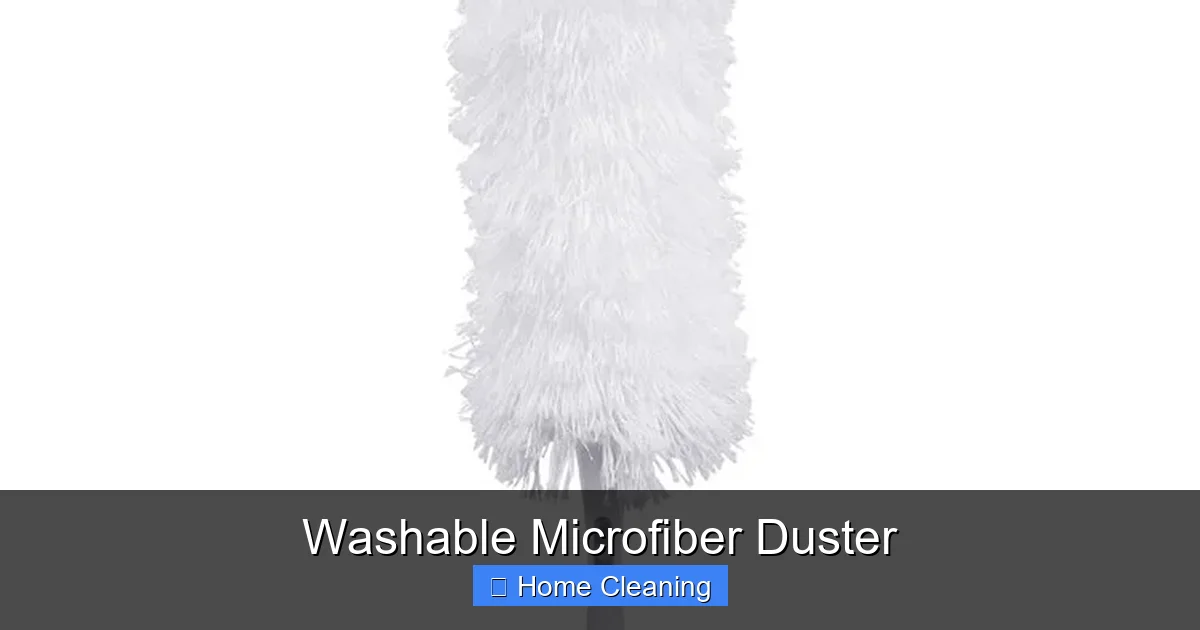
One of the biggest complaints about regular dusters is that they “push” dust around instead of removing it. A microfiber duster does the opposite. Its dense, electrostatic fibers grab particles and hold them securely—even fine dust like pollen or skin flakes. This makes it ideal for cleaning delicate surfaces like electronics, antiques, or painted furniture where you don’t want to risk scratching or spreading grime.
Visual guide about Washable Microfiber Duster
Image source: boardwalklabel.com
For example, when cleaning a TV screen or laptop keyboard, a microfiber duster gently lifts dust without leaving streaks or residue. You don’t need to spray anything—just a quick swipe and you’re done. This precision is especially useful in tight spaces like between keyboard keys or behind computer towers.
2. Versatility Across Surfaces and Spaces
Not all dusters are created equal. A washable microfiber duster is designed to handle a wide range of tasks. Use it on:
- Wooden furniture and shelves
- Electronics (TVs, computers, gaming consoles)
- Ceiling fans and light fixtures
- Kitchen appliances (microwaves, toasters, coffee makers)
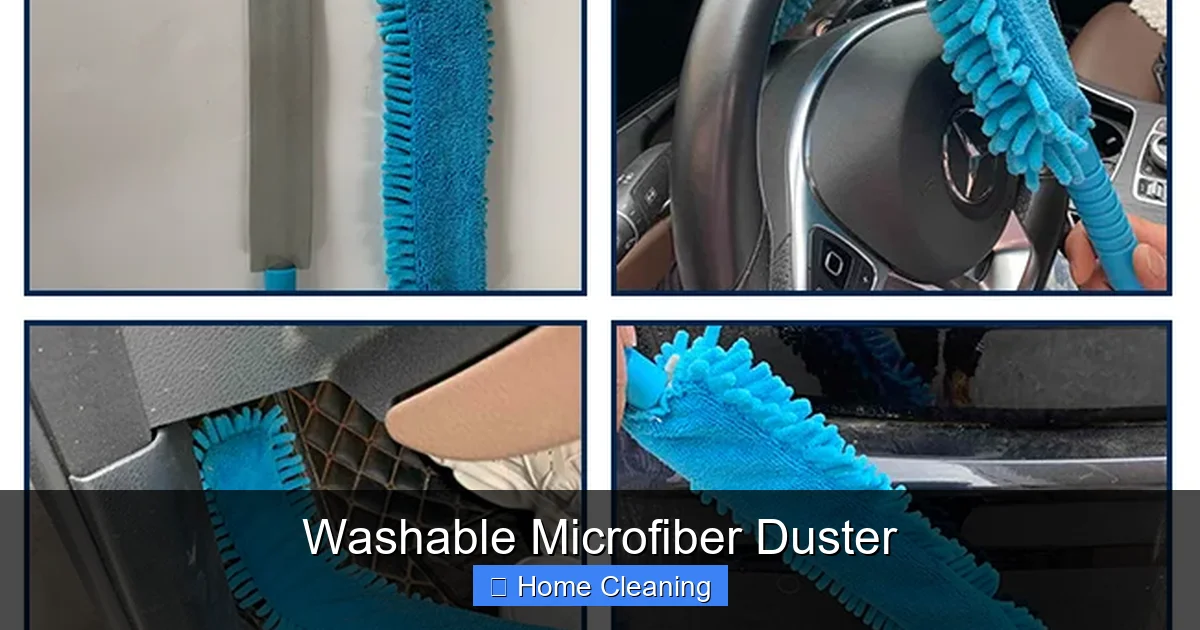
- Car interiors (dashboard, seats, vents)
- Blinds and window treatments
Many models come with extendable handles or flexible heads, making it easy to reach high or awkward areas without a ladder. Some even have replaceable heads, so you can swap out the microfiber pad when it gets worn out—keeping the handle intact for years.
3. Gentle Yet Effective Cleaning
You might worry that a microfiber duster is too soft to be effective. But here’s the truth: microfiber is tough on dirt but gentle on surfaces. Unlike abrasive sponges or rough cloths, it won’t scratch finishes, chip paint, or damage screens. This makes it safe for use on antiques, collectibles, and modern furniture with glossy coatings.
For instance, if you have a vintage wooden dresser with a delicate lacquer finish, a microfiber duster will clean it without risking damage. The fibers are soft enough to avoid scratching, but dense enough to lift dust and grime effectively. It’s the perfect balance of power and protection.
4. Easy to Clean and Maintain
One of the best features of a washable microfiber duster is how simple it is to maintain. Most can be rinsed under warm water to remove loose dust, or tossed into the washing machine on a gentle cycle. Avoid fabric softeners—they can clog the fibers and reduce their cleaning power. Air drying or low-heat tumble drying is best to preserve the duster’s shape and effectiveness.
Pro tip: Keep a second duster on hand while washing the first. That way, you always have a clean one ready to use. With minimal effort, your duster stays in top condition and ready for the next cleaning session.
5. Cost-Effective Over Time
Let’s talk money. A single microfiber duster may cost more upfront than a pack of paper dusters, but it pays for itself. A high-quality duster can last for years, while disposable ones need to be replaced every few weeks. Over time, you’ll save hundreds of dollars and reduce waste significantly.
For families or busy households, this adds up fast. Think about how often you buy new cleaning supplies—each time you skip the store and reuse your duster, you’re making a smart financial choice. Plus, you’re contributing to a cleaner planet by reducing single-use plastics.
How to Choose the Right Washable Microfiber Duster
Consider the Handle Design
The handle is the foundation of your duster. Look for one that’s lightweight, ergonomic, and adjustable. Telescopic handles are great for reaching high shelves or ceiling fans, while pivoting heads allow you to clean corners and vertical surfaces more easily. Some models even come with built-in squeegees or scrubbing bristles for added functionality.
Visual guide about Washable Microfiber Duster
Image source: supermarket-fixture.com
For tight spaces, like behind appliances or under furniture, a slim, flexible neck can make a big difference. Choose a handle made from durable materials like aluminum or reinforced plastic—it should withstand regular use without bending or breaking.
Check the Microfiber Quality
Not all microfiber is the same. High-density, split-fiber microfiber offers the best cleaning performance. These fibers are split into even smaller strands during manufacturing, increasing their surface area and dust-capturing ability. Look for labels like “split microfiber” or “high-pile” for superior results.
Also, consider whether the microfiber pad is replaceable. Some dusters have sewn-on pads that can’t be removed, while others use Velcro or snap attachments. Replaceable pads extend the life of your duster and let you use fresh pads when needed—perfect for heavy-duty cleaning tasks.
Think About Special Features
Modern washable microfiber dusters come with handy extras that make cleaning easier. For example:
- Extendable handles: Reach high and low without straining.
- Flexible necks: Bend to clean corners and tight spots.
- Wet/dry dual use: Some models can be used damp for sticky spills or dry for dusting.
- Antistatic properties: Reduces static cling on electronics.
These features add convenience and versatility, making your duster a true multitasker. When shopping, prioritize models that offer the tools you actually need—don’t pay for extras you’ll never use.
Creative Ways to Use Your Microfiber Duster
Cleaning Electronics Safely
Electronics are sensitive to moisture and static, but they still need regular cleaning. A microfiber duster is perfect for this. Use it dry to gently remove dust from keyboards, monitors, routers, and gaming consoles. The antistatic properties prevent dust from being attracted back to the surface after cleaning.
Avoid using sprays near electronics—instead, wipe with a slightly damp microfiber pad if needed. Always unplug devices first, and never spray liquid directly onto screens or ports.
Maintaining Ceiling Fans and Light Fixtures
Ceiling fans collect a surprising amount of dust, especially if you live in a dry climate. A microfiber duster with an extendable handle makes this task a breeze. Simply wipe each blade and the light fixture housing, then vacuum the motor housing (if accessible) to prevent dust buildup.
For crystal chandeliers, use a soft microfiber cloth instead of a duster to avoid knocking off crystals. But for most fixtures, a duster with a gentle touch does the job perfectly.
Detailing Your Car Interior
Your car isn’t just a vehicle—it’s your personal space. A microfiber duster helps keep the interior fresh and dust-free. Use it to clean dashboard vents, air conditioning outlets, and seat crevices. The fine fibers reach into tight spots where dust hides.
For leather seats, a dry duster prevents scratching. For fabric seats, a slightly damp pad can lift embedded dirt. Always test on a small area first to ensure no discoloration occurs.
Cleaning Blinds and Window Treatments
Mini-blinds and vertical blinds are dust magnets. A microfiber duster with a flexible head can clean each slat individually, reaching both sides without removing the blinds. For roller blinds, use the duster to wipe the surface from top to bottom.
For heavy dirt buildup, dampen the microfiber pad slightly with water or a mild cleaner. Never soak blinds—just a light mist is enough. This method saves time and prevents damage to the slats.
Tackling Kitchen Appliances
Microwaves, toasters, and coffee makers can harbor grease and crumbs. A microfiber duster helps remove dust from vents and control panels. For sticky residue, use a damp pad with a drop of dish soap. Wipe down the exterior and interior glass of microwaves to keep them sparkling.
Remember to unplug appliances before cleaning internal parts. Safety first!
How to Maintain and Extend the Life of Your Microfiber Duster
Proper Washing Techniques
To keep your duster effective, clean it regularly. For light dusting, rinse under warm water and let it air dry. For deeper cleaning, machine wash on a gentle cycle with cold water. Use a mild detergent—avoid bleach or fabric softeners, as they can degrade the fibers.
Air drying is best, but if you use a dryer, choose low heat. High heat can melt or shrink microfiber. Always check the manufacturer’s care instructions, as some models may have specific requirements.
Inspect for Wear and Tear
Over time, the microfiber pad may fray or lose its texture. If you notice reduced cleaning power or visible damage, it’s time to replace the pad or the entire duster. Don’t wait until it’s completely worn out—regular checks help maintain performance.
Store your duster in a dry place when not in use. Avoid folding it tightly or leaving it in damp areas, as this can promote mold or mildew.
Rotate Between Multiple Dusters
For households with high dust levels (like those with pets or smokers), consider keeping two or three dusters. Use one while another is being washed. This ensures you always have a clean tool ready and prevents cross-contamination of dust and allergens.
Conclusion: Upgrade Your Cleaning Routine Today
A washable microfiber duster isn’t just a cleaning tool—it’s a smart investment in your home’s cleanliness, health, and sustainability. With its superior dust-capturing power, versatility, and ease of maintenance, it outperforms traditional dusters in every way. Whether you’re cleaning delicate electronics, high ceilings, or everyday furniture, this duster adapts to your needs with precision and care.
By choosing a reusable microfiber duster, you’re not only saving money and reducing waste—you’re also protecting your surfaces and improving indoor air quality. It’s a small change that makes a big difference, both for your home and the planet.
So why keep using disposable dusters that get tossed after a few uses? Upgrade to a washable microfiber duster today and experience the difference. Your home—and your wallet—will thank you.
Frequently Asked Questions
How often should I wash my microfiber duster?
Wash your microfiber duster after every 10–15 uses or when it starts to lose effectiveness. For light dusting, rinse under water; for deeper cleaning, machine wash on a gentle cycle with cold water and mild detergent.
Can I use a microfiber duster on electronics?
Yes, microfiber dusters are safe for electronics. Their soft, static-reducing fibers gently remove dust without scratching screens or spreading particles. Always use dry or slightly damp (not wet) for best results.
Are microfiber dusters safe for delicate surfaces?
Absolutely. Microfiber is non-abrasive and ideal for delicate surfaces like antiques, painted furniture, and glossy finishes. It cleans effectively without scratching or damaging coatings.
How do I remove pet hair with a microfiber duster?
Microfiber’s electrostatic charge helps attract and trap pet hair. Use it dry for best results, wiping in the direction of the hair. For stubborn hair, a slightly damp pad works well.
Can I use a microfiber duster damp?
Yes, many microfiber dusters can be used damp for sticky spills or grease. Avoid soaking it—just dampen the pad slightly. Always air dry completely before storing to prevent mold.
How long does a washable microfiber duster last?
With proper care, a quality microfiber duster can last 2–5 years or more. Replace the microfiber pad when it shows signs of wear, or the entire duster if the handle is damaged.