What Happens If Microfiber Gets Wet
Microfiber cloths are designed to work even when wet, and understanding how moisture affects them is key to effective cleaning. When wet, microfiber becomes more effective at trapping dirt and bacteria, but improper drying can lead to mold or damage. With the right care, your microfiber tools can last longer and perform better.
Key Takeaways
- Wet microfiber enhances cleaning power: The fibers expand when wet, allowing them to capture more dust, grease, and bacteria.
- Drying is crucial: Leaving microfiber wet for too long can lead to mold, mildew, and unpleasant odors.
- Wringing vs. soaking: Lightly damp microfiber works best; soaking can reduce absorbency and damage fibers over time.
- Proper storage prevents issues: Store dry microfiber in a cool, dry place to avoid bacterial growth.
- Washing method matters: Use warm water and mild detergent—avoid fabric softeners, which coat fibers and reduce performance.
- Air drying is safest: Avoid machine drying unless the label allows it, as high heat can melt synthetic fibers.
- Signs of damaged microfiber: Fading, matting, or loss of elasticity mean it’s time to replace your cloths.
📑 Table of Contents
- What Happens If Microfiber Gets Wet?
- How Microfiber Works When Wet
- What Happens When Microfiber Dries
- Common Mistakes When Using Wet Microfiber
- How to Clean and Maintain Wet Microfiber
- When Microfiber Should Be Replaced
- Microfiber in Different Cleaning Scenarios
- Final Thoughts: Mastering Microfiber and Water
What Happens If Microfiber Gets Wet?
You’ve probably reached for a microfiber cloth the moment you saw a smudge on your glass, dust on your TV screen, or a spill on your kitchen counter. These little squares—or rectangles—are workhorses of home cleaning. But have you ever stopped to wonder: what actually happens when microfiber gets wet?
Microfiber isn’t just any fabric. It’s made from a blend of polyester and polyamide (a type of nylon), engineered at the microscopic level to create tiny fibers that are stronger than steel yet incredibly soft. These fibers are split into even smaller filaments, creating a massive surface area perfect for trapping particles. When water hits them, something magical—or at least very effective—happens. The fibers absorb and hold moisture, while their electrostatic charge helps attract and hold onto dust, dirt, and even bacteria. But that doesn’t mean you can just dunk them in water and call it a day. There’s more to the story.
In this article, we’ll explore exactly what happens when microfiber gets wet—from how it cleans better when damp to what goes wrong if you let it dry improperly. We’ll also share practical tips to keep your microfiber tools in top shape, so you get the most out of every wipe. Whether you’re cleaning windows, electronics, or kitchen counters, understanding microfiber and water is the key to a cleaner, healthier home.
How Microfiber Works When Wet
The Science Behind Wet Microfiber Cleaning
When microfiber gets wet, the magic really begins. The fibers, which are already ultra-fine, expand slightly when they absorb moisture. This expansion increases their surface area even more, allowing them to grip dirt and moisture more effectively. Think of it like a sponge—but one that’s 100 times more efficient.

Visual guide about What Happens If Microfiber Gets Wet
Image source: cdn.woodworkingadvisor.com
But there’s another trick up microfiber’s sleeve: electrostatic attraction. The synthetic fibers generate a small static charge when rubbed or agitated, which helps them attract and hold onto dust and bacteria. When wet, this charge is enhanced, making the cloth even better at picking up oily residues and microscopic particles. That’s why microfiber cloths often leave surfaces streak-free—because they’re not just wiping; they’re capturing.
Why Damp Is Better Than Dry
You’ve probably noticed that a dry microfiber cloth doesn’t do much on greasy stovetops or dusty screens. But when you lightly dampen it, it suddenly becomes a superhero. That’s because water helps lift dirt from surfaces and allows the microfiber to absorb it. A slightly damp cloth can clean glass without streaks, wipe away food residue, and even sanitize surfaces when combined with water and a bit of vinegar or cleaning solution.
However, there’s a balance. Too much water—or soaking the cloth—can reduce its effectiveness. Overly saturated microfiber loses some of its electrostatic properties and can become heavy, making it harder to maneuver. Plus, excess water may drip onto surfaces you’re trying to clean. So the golden rule? Lightly damp is best.
Microfiber vs. Traditional Cleaning Cloths
Compare microfiber to cotton or paper towels, and you’ll see why it’s the preferred choice for serious cleaning. Cotton cloths absorb water but don’t trap dirt as effectively. Paper towels are disposable but wasteful and often leave lint. Microfiber, on the other hand, can be reused hundreds of times, cleans better when damp, and doesn’t shed fibers.
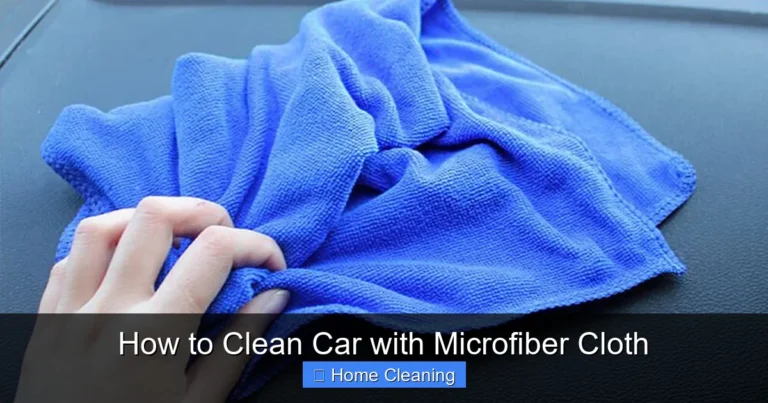
For example, if you’re cleaning a bathroom mirror, a dry cotton cloth might smear water around. A dry microfiber cloth might pick up some dust but miss the grease. But a lightly damp microfiber cloth? It glides across the glass, lifting dirt and moisture in one pass—leaving it sparkling and streak-free. That’s the difference moisture makes.
What Happens When Microfiber Dries
Proper Drying: The First Step to Longevity
After using your microfiber cloth, the next step is drying. This is crucial because wet microfiber left to sit can develop mold, mildew, and bacteria. These not only ruin the cloth but can spread germs around your home.
Visual guide about What Happens If Microfiber Gets Wet
Image source: liquorshelves.com
The best way to dry microfiber is to hang it in a well-ventilated area. Avoid folding it immediately after use—this traps moisture and creates a warm, dark environment perfect for mold growth. Instead, lay it flat or hang it with clips so air can circulate freely. A bathroom with a vent fan or near an open window works well.
Signs of Poor Drying
Over time, improper drying shows up in several ways:
- Musty Odor: If your microfiber smells sour or earthy after drying, bacteria or mold may have taken hold.
- Stiffness: Over time, trapped moisture can make fibers stiff and less flexible.
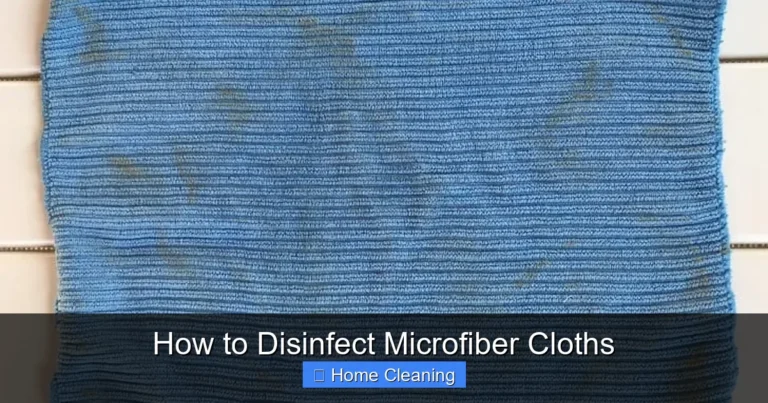
- Discoloration: Dark spots or fading can indicate mold or mineral buildup from hard water.
If you notice any of these, it’s time to wash the cloths thoroughly—or consider replacing them if damage is severe.
Can You Air Dry Microfiber?
Absolutely. In fact, air drying is the safest method for most microfiber products. It preserves the fibers and prevents heat damage. Just make sure the area is clean, dry, and away from direct sunlight for extended periods, which can degrade synthetic fibers over time.
Common Mistakes When Using Wet Microfiber
Soaking Instead of Dampening
One of the most common mistakes is soaking microfiber cloths in water. While it might seem like more water means better cleaning, too much moisture reduces the cloth’s ability to hold dirt and can lead to dripping. Plus, soaking for long periods can weaken the fibers and reduce their lifespan.

Visual guide about What Happens If Microfiber Gets Wet
Image source: chainsawintro.com
Instead, dampen the cloth by running it under lukewarm water and then wringing it out until it’s just slightly moist. A microfiber cloth should feel damp, not dripping.
Using Fabric Softeners
Fabric softeners are a no-go for microfiber. They coat the fibers with a waxy residue that reduces absorbency and electrostatic charge. This makes the cloth less effective at cleaning and can lead to more frequent replacements.
Stick to mild, fragrance-free detergents. If you must use a softener, use it on cotton towels—not microfiber.
Machine Drying on High Heat
High heat in the dryer can melt or damage microfiber. Most microfiber products are labeled “air dry only” for this reason. If you must machine dry, use the lowest heat setting and remove the cloths while they’re still slightly damp to prevent over-drying.
How to Clean and Maintain Wet Microfiber
Washing Basics
Cleaning microfiber regularly is essential to maintain its performance. Most microfiber can be machine washed, but always check the care label first. Use warm water (not hot) and a small amount of mild detergent. Avoid bleach or harsh chemicals, which can break down fibers.
Wash microfiber separately from cotton or other fabrics to prevent lint transfer. If you’re washing multiple cloths together, use a mesh laundry bag to protect them.
Washing Tips for Best Results
- Don’t Overload the Washer: Give microfiber room to move so it can clean effectively.
- Skip the Dryer Ball: Avoid tennis balls or dryer sheets, which can damage fibers.
- Rinse Thoroughly: Make sure all detergent is rinsed out to prevent residue buildup.
Sanitizing Wet Microfiber
To kill bacteria and germs, you can sanitize microfiber after use. One simple method is to wash it with water and white vinegar (1 cup per load). Vinegar is a natural disinfectant and helps break down grease. Alternatively, use a microfiber-safe disinfectant spray after washing.
Never use bleach—it breaks down the fibers and reduces their lifespan.
When Microfiber Should Be Replaced
Signs It’s Time to Retire Your Cloths
Microfiber doesn’t last forever. Over time, fibers break down, lose their ability to trap dirt, and become less absorbent. Here are some signs it’s time to replace them:
- Losing Absorbency: If it no longer holds water well, it’s losing effectiveness.
- Fading or Discoloration: This can indicate fiber degradation.
- Matting or Clumping: Fibers that won’t separate or feel rough may be damaged.
- Persistent Odor: Even after washing, a foul smell means deep-seated bacteria.
Most high-quality microfiber cloths last 100–300 washes, depending on use and care. Keep a rotation so you always have clean cloths ready.
Eco-Friendly Disposal
Microfiber is made from polyester and nylon, both synthetic plastics. While durable, it doesn’t biodegrade easily. When replacing microfiber, consider recycling programs or donating to organizations that accept cleaning cloths for reuse.
Microfiber in Different Cleaning Scenarios
Kitchen Cleaning
In the kitchen, microfiber shines when wet. Use a damp cloth to wipe down counters, clean spills, and polish stainless steel. The electrostatic charge helps pick up cooking grease and food particles, while the moisture lifts them away without streaks.
Avoid using abrasive scrubbers with microfiber—this can damage the surface and the cloth. Instead, use a soft sponge or brush for tough spots, then finish with a clean microfiber cloth.
Bathroom Use
Microfiber is excellent for bathroom cleaning when damp. It can remove soap scum, water spots, and mildew from tiles and glass. When combined with vinegar or a mild cleaner, it sanitizes surfaces effectively.
After use, make sure to rinse and dry the cloth immediately to prevent mold on damp surfaces like showers.
Electronics Care
Many people use microfiber to clean TVs, phones, and computers. A slightly damp cloth is ideal for removing fingerprints and smudges. The soft fibers won’t scratch screens, and the water helps lift oils without leaving residue.
Never spray liquid directly onto devices—dampen the cloth instead.
Final Thoughts: Mastering Microfiber and Water
So, what happens when microfiber gets wet? It becomes a powerful cleaning tool—more effective than dry, more efficient than cotton, and capable of leaving surfaces spotless. But that power comes with responsibility. Proper use, drying, and care are just as important as the cleaning itself.
By following simple guidelines—like using just enough water, avoiding fabric softeners, and air drying—you can keep your microfiber cloths performing at their best for years. And when they’ve reached the end of their life, remember that responsible disposal helps reduce environmental impact.
Microfiber is a game-changer in home cleaning. When you understand how it works—especially when wet—you unlock its full potential. Next time you reach for a cloth, remember: it’s not just a wipe. It’s a precision tool powered by science, water, and a little bit of care.
Frequently Asked Questions
Can microfiber be used dry?
Yes, microfiber can be used dry to dust surfaces and pick up loose particles. However, it’s most effective when lightly dampened, especially for greasy or sticky messes.
How long can microfiber stay wet before it grows mold?
Microfiber can start developing mold or mildew within 24–48 hours if left damp and in a warm, humid environment. Always dry it promptly after use.
Is it safe to wash microfiber with cotton towels?
It’s okay occasionally, but best to wash microfiber separately to avoid lint transfer, which can reduce its cleaning performance.
Can I use hot water to wash microfiber?
Use warm water only. Hot water can damage the fibers and reduce their lifespan. Always follow the care label.
Do microfiber cloths really kill bacteria?
Yes, when used with water and a bit of cleaning solution, microfiber can capture and remove up to 99% of bacteria, including E. coli and salmonella.
How many times can you reuse a microfiber cloth?
Most high-quality microfiber cloths can be reused 100 to 300 times, depending on use and care. Proper washing and drying extend their life.