What Is a Microfiber Duster
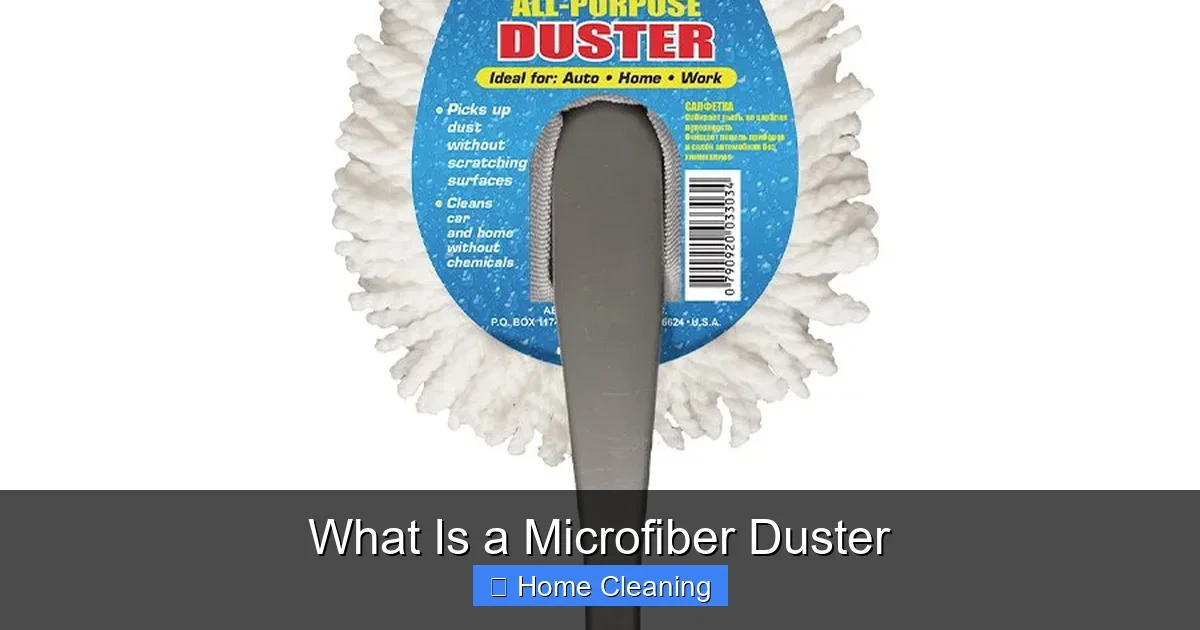
A microfiber duster is a lightweight, effective cleaning tool made from ultra-fine synthetic fibers that trap dust and allergens without scratching surfaces. Ideal for dusting furniture, electronics, and hard-to-reach areas, it’s reusable, eco-friendly, and more efficient than traditional cloths. Whether you’re cleaning delicate surfaces or tackling high shelves, a microfiber duster makes the job easier and faster.
Key Takeaways
- What It Is: A microfiber duster is a cleaning tool made from tightly woven, ultra-fine fibers that attract and hold dust, dirt, and allergens.
- Why It Works: The electrostatic properties of microfiber allow it to trap particles without spreading them around, making it far more effective than regular dusters.
- Versatile Use: Perfect for dusting furniture, electronics, ceiling fans, blinds, and even car interiors.
- Eco-Friendly Option: Reusable and washable, microfiber dusters reduce waste compared to disposable cleaning products.
- Easy Maintenance: Most models can be machine washed and air-dried, requiring minimal upkeep.
- Cost-Effective: A high-quality microfiber duster lasts for years with proper care, saving money over time.
- Safe for Delicate Surfaces: Gentle enough for use on screens, antiques, and polished wood without causing scratches.
📑 Table of Contents
- What Is a Microfiber Duster?
- How Does a Microfiber Duster Work?
- Types of Microfiber Dusters
- Benefits of Using a Microfiber Duster
- How to Use a Microfiber Duster Effectively
- Maintenance and Care Tips
- Microfiber Dusters vs. Traditional Dusting Tools
- Best Uses for a Microfiber Duster
- Choosing the Right Microfiber Duster
- Common Myths About Microfiber Dusters
- Final Thoughts: Why Every Home Needs One
What Is a Microfiber Duster?
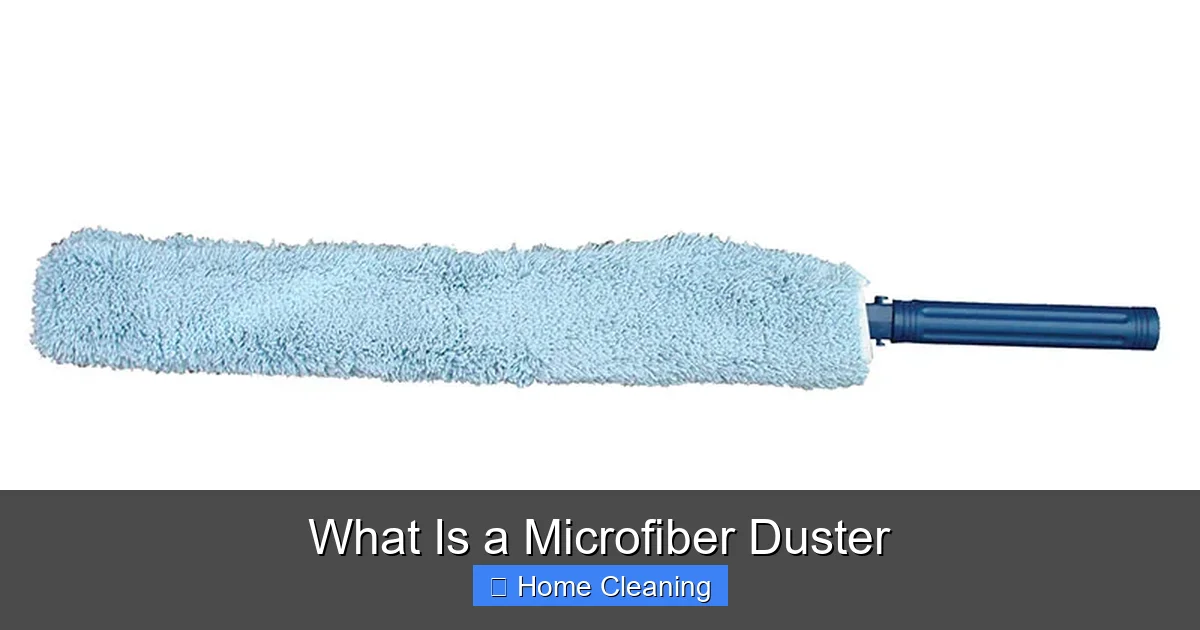
Imagine reaching up to clean a ceiling fan, only to watch dust swirl back into the air with every swipe of a regular duster. Frustrating, right? That’s where the microfiber duster shines. It’s a simple yet powerful cleaning tool made from synthetic fibers so fine they’re often thousands of times thinner than a human hair. These fibers create a static charge that attracts and traps dust and allergens, not just push them around.
Unlike traditional feather dusters or stiff-bristled tools, microfiber dusters are lightweight, flexible, and designed to lift dirt without smearing it. Whether you’re cleaning a delicate laptop screen or a high bookshelf, this duster glides quietly and efficiently. It’s no wonder millions of households worldwide rely on microfiber dusters for spotless, streak-free results.
How Does a Microfiber Duster Work?
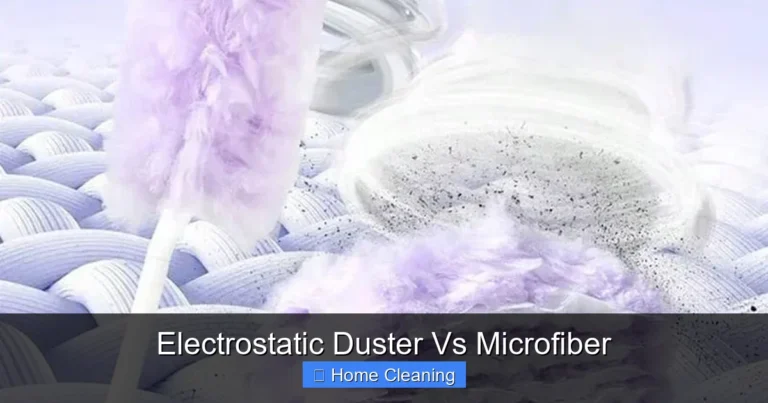
At its core, a microfiber duster works through a combination of physical and electrostatic attraction. The fibers are made from polyester and polyamide (nylon), materials engineered to create a static charge when rubbed or agitated. This charge allows the duster to grab tiny particles of dust, pet dander, and pollen that regular cloths miss.
Visual guide about What Is a Microfiber Duster
Image source: img.uline.com
The Science Behind the Strands
Each microfiber strand splits into even finer filaments, increasing the surface area and trapping more particles. When you sweep the duster across a surface, the movement enhances the electrostatic effect, pulling in dust from corners and crevices. This is why microfiber dusters are so much more effective than traditional options—they don’t just push dirt; they capture it.
No Harsh Chemicals Needed
Because the duster traps dust so efficiently, you rarely need sprays or cleaners. A dry pass usually does the trick. But if you do use a spray, opt for water or a mild cleaner. The microfiber won’t absorb liquids like cotton, so it won’t drip or streak.
Types of Microfiber Dusters
Not all microfiber dusters are the same. They come in various shapes, sizes, and configurations to suit different cleaning needs. Understanding the types helps you pick the best one for your home.
Visual guide about What Is a Microfiber Duster
Image source: ungerconsumer.com
1. Pole Dusters
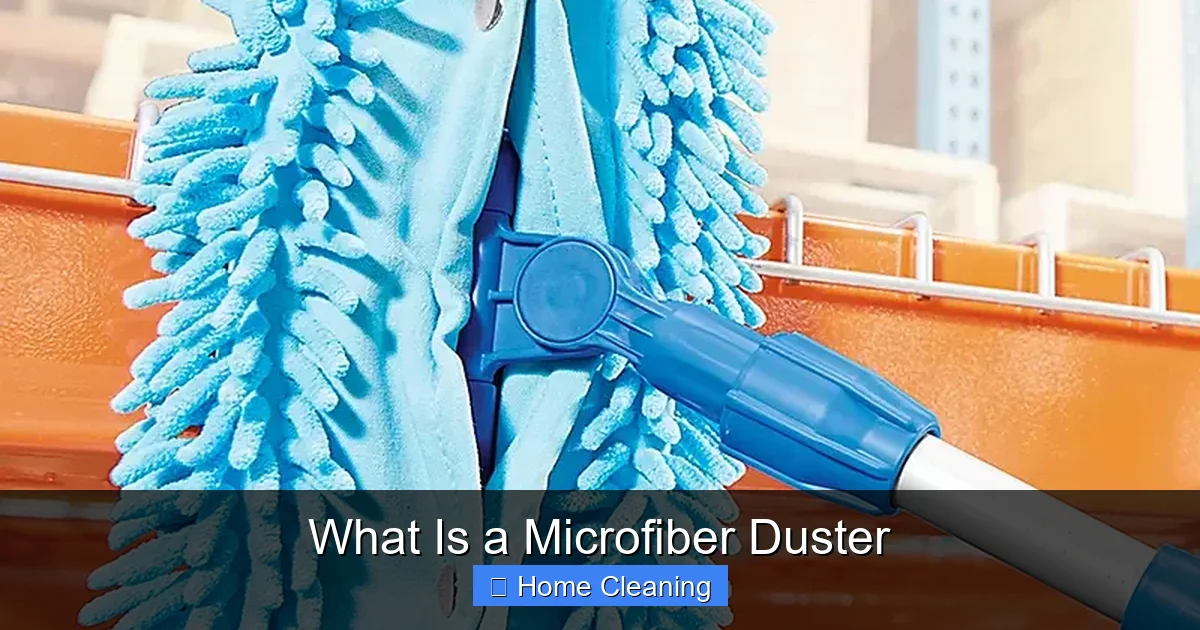
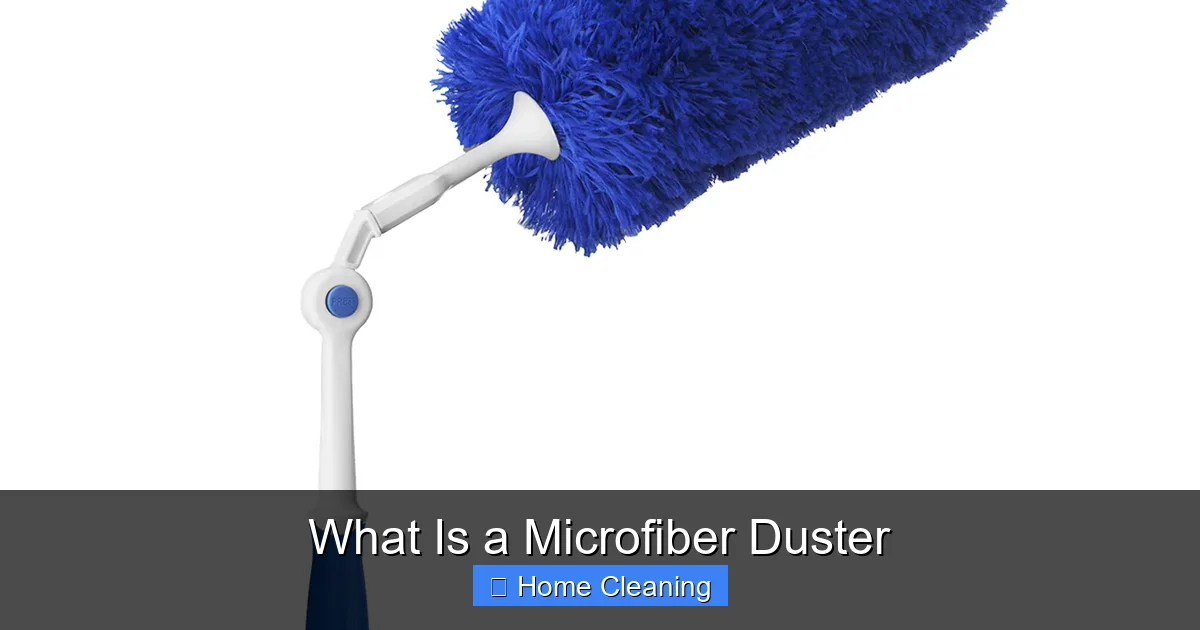
These are the classic long-handled dusters, perfect for reaching high shelves, ceiling fans, and window sills. Many come with extendable poles, allowing you to adjust the length as needed. Some models feature a swivel head for better maneuverability.
2. Handheld Dusters
Compact and portable, handheld microfiber dusters are ideal for quick cleanups around the house. They’re great for dusting electronics, keyboards, and small appliances. Some even come with built-in crevice tools for tight spaces.
3. Angled or Corner Dusters
Designed with a 90-degree bend, these dusters fit snugly into corners and along baseboards. They’re excellent for cleaning baseboards, door frames, and tight spaces where dust tends to accumulate.
4. Extension Dusters with Attachments
Some advanced models come with interchangeable heads—like soft brushes, extendable wands, or even vacuum adapters. These multi-functional tools make cleaning faster and more versatile.
5. Reusable vs. Disposable
Most microfiber dusters are reusable and machine washable. However, there are also disposable versions, often used in commercial settings. For home use, reusable models are more eco-friendly and cost-effective in the long run.
Benefits of Using a Microfiber Duster
Switching to a microfiber duster isn’t just about convenience—it’s about smarter, healthier cleaning. Here’s why they’re a must-have in every home.
Visual guide about What Is a Microfiber Duster
Image source: s2s-global.com
1. Superior Dust Capture
Thanks to their electrostatic properties, microfiber dusters trap up to 90% more dust than traditional cloths. This means fewer allergens circulate in your home, especially beneficial for people with asthma or allergies.
2. Gentle on Surfaces
Because the fibers are soft and non-abrasive, microfiber dusters won’t scratch delicate finishes, screens, or polished wood. That’s why they’re safe for use on TVs, mirrors, and antique furniture.
3. Reusable and Sustainable
Most microfiber dusters can be washed and reused hundreds of times. This reduces plastic waste from disposable cleaning products and saves money over time.
4. Lightweight and Easy to Use
No more straining or ladders! Microfiber dusters are designed for comfort, with ergonomic handles and balanced weight distribution.
5. Quick and Efficient
You’ll spend less time cleaning and more time relaxing. A single pass with a microfiber duster often does the job of several swipes with a regular cloth.
6. Works with or Without Cleaning Products
While you can use it dry, a microfiber duster also pairs well with water or all-purpose cleaners. Just avoid harsh chemicals like bleach, which can degrade the fibers.
How to Use a Microfiber Duster Effectively
Using a microfiber duster isn’t rocket science—but a few simple tips can make a big difference in performance and longevity.
Start with a Dry Duster
Before using any cleaning product, give the surface a dry pass with the microfiber duster. This lifts loose dust and prevents it from getting ground into surfaces when you apply liquids.
Use Light, Consistent Pressure
Press too hard, and you risk pushing dust into porous materials like wood. Instead, glide the duster gently across surfaces. The electrostatic charge does the heavy lifting.
Don’t Forget the Edges
Dust loves to hide in corners, along baseboards, and behind furniture. Use an angled duster or the end of a pole duster to reach these spots.
Clean the Duster Regularly
Over time, the duster will collect a lot of dust. Shake it out outdoors or rinse it under water (if machine washable). Let it air dry completely before reusing.
Rotate Between Surfaces
Avoid using the same duster on multiple rooms unless it’s clean. This prevents cross-contamination of dust and allergens.
Store It Properly
Keep your microfiber duster in a dry place. If it gets damp, mildew can grow and ruin the fibers. A breathable bag or hanging hook works well.
Maintenance and Care Tips
To keep your microfiber duster in top shape, follow these care guidelines.
Washing Instructions
Most microfiber dusters are machine washable. Use cold water and a gentle cycle. Avoid fabric softeners—they coat the fibers and reduce their ability to attract dust. Air dry or tumble dry on low heat.
When to Replace It
If the duster starts shedding fibers, loses its ability to pick up dust, or develops a musty smell, it’s time for a new one. A worn-out duster won’t clean effectively and may scratch surfaces.
Deep Cleaning for Heavy Use
For dusters used daily, consider soaking them in a bucket of warm water with a drop of dish soap for 10–15 minutes before washing. This helps remove deeply embedded grime.
Microfiber Dusters vs. Traditional Dusting Tools
You might wonder: why switch from what you’ve always used? Let’s compare microfiber dusters to common alternatives.
Feather Dusters
Feather dusters are lightweight but terrible at trapping dust. They just push it around, often leaving more behind. Microfiber dusters capture particles and don’t shed.
Paper Towels and Cloths
While absorbent, cotton cloths spread dust and require frequent washing or disposal. Microfiber dusters don’t absorb liquids and can be reused indefinitely.
Vacuum Attachments
Vacuums are great for carpets and floors, but they’re bulky for dusting furniture. Microfiber dusters are portable and gentle on delicate surfaces.
Broom and Mop
These are for larger areas, not fine dusting. A microfiber duster gives you precision and control.
Best Uses for a Microfiber Duster
From electronics to antiques, here’s where a microfiber duster really shines.
Electronics
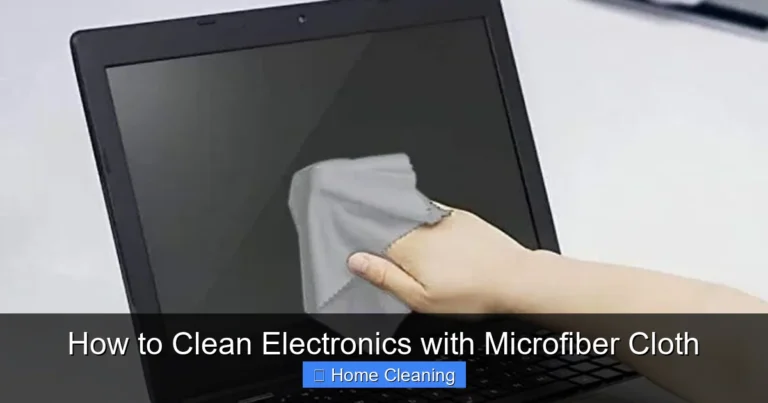
Use a soft microfiber duster on TVs, computer monitors, and keyboards. The gentle fibers won’t damage screens or collect dust in crevices.
Furniture
Dust wooden tables, chairs, and cabinets without worrying about scratches. Angled dusters fit perfectly along chair backs and table edges.
Ceiling Fans and Light Fixtures
Reach high without a ladder. The long pole duster makes quick work of dusty blades and fixtures.
Blinds and Window Treatments
Gently wipe vertical or horizontal blinds to remove dust. The soft fibers won’t damage slats.
Car Interiors
Dust dashboards, vents, and seats. A handheld duster is perfect for tight car spaces.
Air Vents and HVAC Grilles
Use a crevice tool attachment to clean around vents where dust builds up over time.
Choosing the Right Microfiber Duster
With so many options, how do you pick the best one?
Consider Your Needs
Need to reach high places? Go for a pole duster. Want portability? Choose a handheld model. Have lots of corners? An angled duster is ideal.
Check the Fiber Quality
High-quality microfiber has a dense weave and soft feel. Cheaper versions may shed or lose effectiveness quickly.
Look for Ergonomic Handles
Comfort matters, especially when cleaning high or tight spaces. Look for dusters with non-slip, cushioned grips.
Choose Reusable Models
Unless you’re cleaning in a sterile environment, reusable dusters are better for the planet and your wallet.
Read Reviews
Customer feedback helps you avoid flimsy models. Look for reviews mentioning durability, ease of cleaning, and effectiveness.
Common Myths About Microfiber Dusters
Let’s clear up some misunderstandings.
Myth 1: Microfiber Only Works with Sprays
False. Most dusters work best dry. Sprays can weigh down the fibers and reduce their ability to attract dust.
Myth 2: It’s Only for Hard Surfaces
Not true. Microfiber dusters are safe for fabric, wood, glass, and electronics. Just use the right attachment or technique.
Myth 3: You Can’t Wash It
Many are machine washable. Just avoid harsh detergents and fabric softeners.
Myth 4: It’s Expensive
While premium models cost more, basic microfiber dusters are affordable and last for years.
Final Thoughts: Why Every Home Needs One
A microfiber duster isn’t just another cleaning tool—it’s a game-changer. It’s efficient, gentle, reusable, and surprisingly simple to use. Whether you’re a busy parent, a pet owner, or someone with allergies, this little duster makes a big difference in home cleanliness and air quality.
From dusting your favorite bookshelf to cleaning your computer screen, a microfiber duster handles it all with ease. And because it’s so easy to maintain, you’ll keep your home spotless with minimal effort. In a world where time and sustainability matter, the microfiber duster is a smart, practical choice.
So the next time you reach for a dusty old feather duster, pause and consider switching. You’ll be amazed at how much better your home looks—and feels—with this humble but mighty tool.
Frequently Asked Questions
Can I use a microfiber duster on my TV screen?
Yes, microfiber dusters are safe for use on screens. Their soft, non-abrasive fibers won’t scratch or leave streaks, making them ideal for cleaning TVs, monitors, and tablets.
How often should I clean my microfiber duster?
Shake it out or rinse it every few days if used regularly. For heavy use, wash it every 2–4 weeks. Always let it dry completely before reusing.
Are microfiber dusters safe for wooden furniture?
Absolutely. Microfiber dusters are gentle and won’t scratch or damage polished wood. Just use light pressure and avoid excessive moisture.
Can I use a microfiber duster with cleaning spray?
Use it with water or a mild cleaner, but sparingly. Too much liquid can weigh down the fibers. It’s best to start with a dry pass.
Do microfiber dusters attract static?
Yes, they generate a mild static charge that helps attract and trap dust. This is what makes them so effective at picking up fine particles.
Where can I buy a good microfiber duster?
You can find high-quality microfiber dusters at home goods stores, online retailers like Amazon, or specialty cleaning supply shops. Look for brands with positive reviews and durable construction.