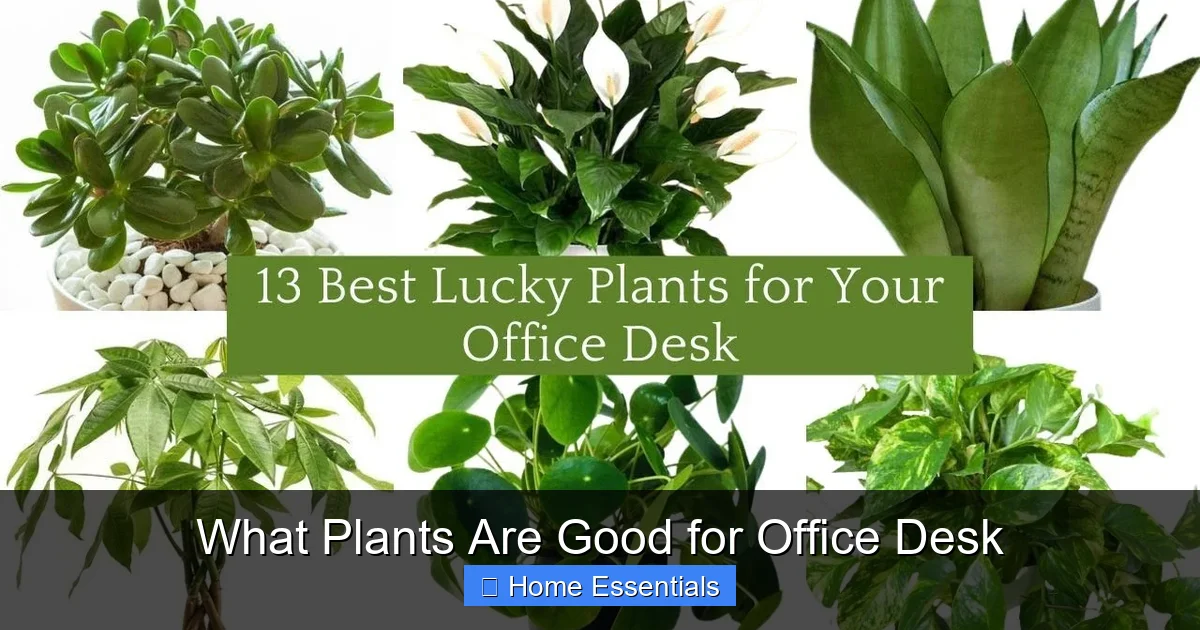
What Plants Are Good for Office Desk
Adding plants to your office desk isn’t just decorative—it’s a productivity booster! Studies show desk plants reduce stress, purify air, and enhance focus. Top picks like Snake Plants and Pothos thrive in office conditions with minimal care. Transform your workspace today with these easy, rewarding green companions.
Key Takeaways
- Desk plants offer science-backed benefits: They improve air quality, reduce stress, boost creativity, and increase productivity by up to 15%.
- Low-light tolerant plants are key: Choose varieties like Snake Plants, ZZ Plants, and Pothos that thrive under fluorescent lights and irregular watering.
- Overwatering is the #1 killer: Most office plants need soil to dry out completely between waterings. When in doubt, wait another week.
- Smart lighting can supplement darkness: For windowless offices, a smart light bulb on a timer can mimic natural sunlight cycles for your plants.
- Clean leaves regularly: Dust blocks photosynthesis. Use a soft microfiber cloth; learn proper dusting technique to avoid damage.
- Choose the right pot: Always use containers with drainage holes to prevent root rot. Decorative cachepots work if you slip the nursery pot inside.
- Start small: Begin with one resilient plant. Success builds confidence to grow your desk garden over time.
📑 Table of Contents
Why Your Office Desk Deserves a Green Companion
Look around your office. Do you see beige walls, fluorescent lights, and a sea of screens? It’s a sterile environment that can drain your energy. But what if you could add a touch of life? A small plant on your desk does more than just look pretty. It’s a tiny wellness tool. The simple act of caring for another living thing provides a mental break. Watching a new leaf unfurl offers a moment of genuine joy amidst deadlines. Biophilic design—the practice of connecting with nature—isn’t a trend; it’s a fundamental human need. Even a single succulent can bridge that gap. In this guide, we’ll find the perfect green partner for your specific workspace, whether it’s a sunny corner or a dim cubicle.
The Hidden Benefits of Desk Plants
You might think a plant is just a decoration. But research tells a different story. A study from the University of Exeter found that employees’ productivity increased by 15% when their workspace included plants. Why? Plants reduce stress. They lower blood pressure and calm the nervous system. They also improve air quality by absorbing toxins like formaldehyde and benzene—common in office furniture and carpets. On a psychological level, a plant signals that you care about your environment. It makes a space feel more personal and less like a temporary holding cell. In short, the right plant doesn’t just survive on your desk; it thrives and helps you do the same.
Top 6 Plants That Thrive on an Office Desk
Not all plants are cut out for office life. Some need bright, direct sun and daily attention. We need warriors that tolerate low light, irregular watering, and the occasional forgetful weekend. Here are the top contenders, chosen for their resilience and visual appeal. Each has a distinct personality, so you can pick one that matches your style.
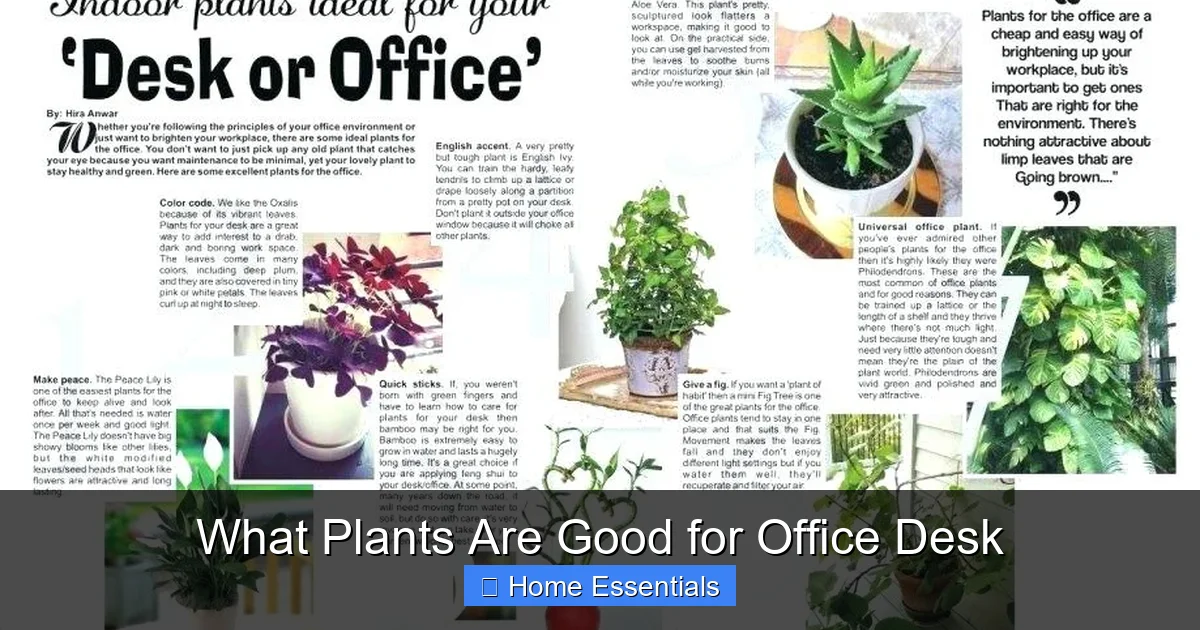
Visual guide about What Plants Are Good for Office Desk
Image source: plantscapes.ae
1. Snake Plant (Sansevieria)
The ultimate survivor. The Snake Plant, also humorously called “Mother-in-Law’s Tongue,” is nearly indestructible. It has stiff, upright leaves that can be green or edged with yellow. It’s a superb air purifier, working at night to release oxygen while you sleep—if you have one at home, that is! Care is brutally simple: It prefers bright, indirect light but tolerates low, fluorescent-lit corners. Water only when the soil is completely dry, sometimes as little as once a month in winter. It hates wet feet. Perfect for the beginner or the frequent traveler.
2. Golden Pothos (Epipremnum aureum)
This is the classic trailing vine you see everywhere, and for good reason. Its heart-shaped leaves are splashed with gold or cream. It grows rapidly, sending out long vines you can train around your monitor or let drape over a shelf. Pothos is famously forgiving. It thrives in low to medium light and tells you exactly when it needs water—the leaves will slightly droop. It’s also incredibly easy to propagate; just snip a stem and place it in water. It’s a living reminder of growth and resilience.
3. ZZ Plant (Zamioculcas zamiifolia)
If you have a truly dark corner, the ZZ Plant is your champion. Its thick, waxy, dark green leaves grow on graceful, arching stems. It stores water in its potato-like rhizomes, making it drought-tolerant. This plant’s motto is “slow and steady.” It grows slowly but lives for decades. Care is minimal: Low to bright indirect light is fine. Water deeply but infrequently—every 2-3 weeks, less in winter. Overwatering is its only true enemy. Its glossy foliage adds a touch of modern elegance to any desk.
4. Peace Lily (Spathiphyllum)
Want a plant that tells you when it’s thirsty? The Peace Lily is drama-free in care but vocal about its needs. Its dark green leaves are elegant, and it produces striking white “flowers” (actually modified leaves called spathes). It’s a powerful air purifier, removing common VOCs. It prefers low to medium light and will dramatically droop its leaves when thirsty—a clear signal that’s hard to miss. Just water it thoroughly and it perks up within hours. Note: It’s toxic to pets if ingested, so keep it away from cats and dogs.
5. Spider Plant (Chlorophytum comosum)
The Spider Plant is a cheerful, grassy classic. It produces long, thin leaves and constantly sends out “babies”—small plantlets on dangling stems. It’s non-toxic and incredibly safe for homes with curious pets. It adapts to various light conditions but does best in bright, indirect light. Water when the top inch of soil is dry. It loves humidity but tolerates dry office air. Its arching form adds softness, and the baby plantlets make great gifts for coworkers.
6. Aloe Vera
More than a succulent, Aloe Vera is a functional plant. Its thick, fleshy leaves contain a gel used for soothing minor burns and skin irritations. It’s a sculptural, minimalist beauty. Aloe needs bright, indirect light to stay compact and healthy. Without enough light, it will stretch and become leggy. Water deeply but rarely—the soil must dry out completely. It’s a great choice if your desk gets some morning sun. Plus, you get the occasional bonus of harvesting your own gel.
Getting the Basics Right: Light, Water, and Soil
Choosing the plant is step one. Keeping it alive is step two. Office environments have unique challenges. You’re not there 24/7. The air might be dry. The light is artificial. Let’s break down the three core needs.
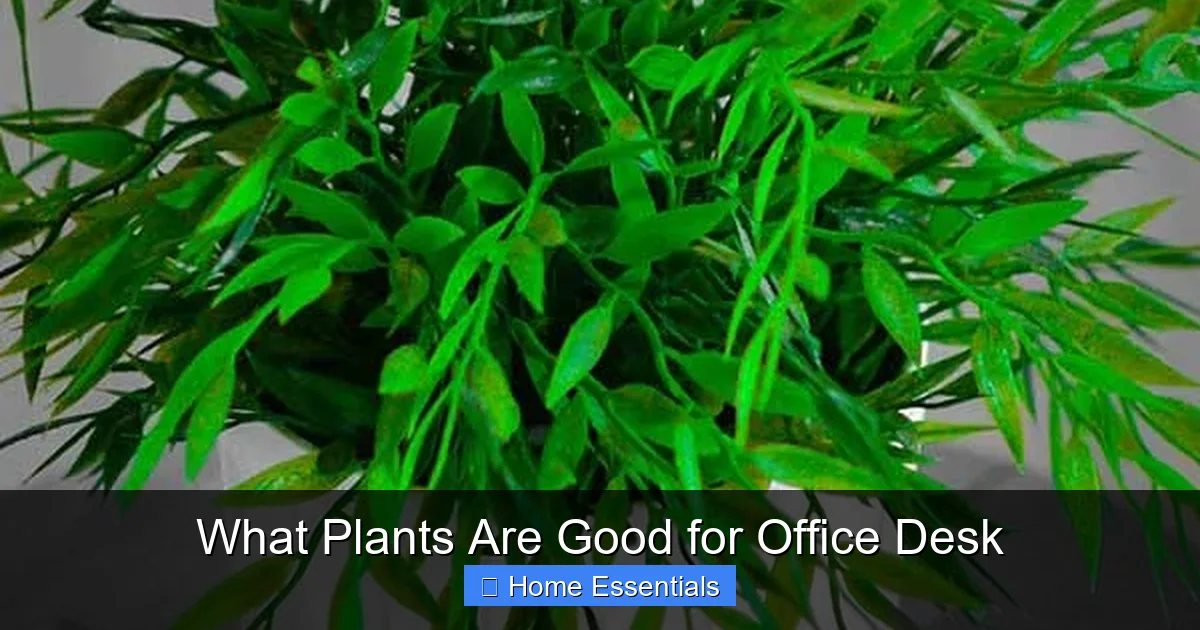
Visual guide about What Plants Are Good for Office Desk
Image source: gardenandhappy.com
Light Requirements: The Most Common Office Hurdle
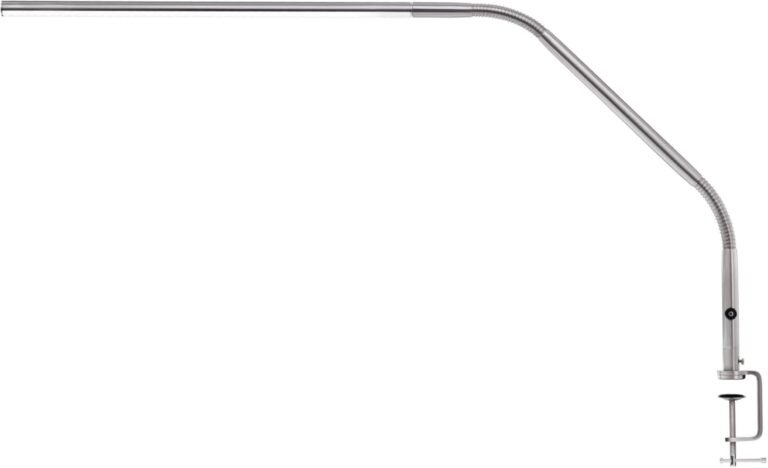
Light is the energy plants use to make food. Without enough, they become weak, leggy, and eventually die. Most offices have low to medium light. North-facing windows or deep interior desks get little direct sun. That’s why our top picks are low-light tolerant. But “low light” doesn’t mean “no light.” A plant needs some brightness to photosynthesize. Place your plant as close to a window as possible. If you have no windows at all, you have two options: choose the absolute lowest-light plants like ZZ or Snake Plant, or invest in artificial lighting. This is where energy-efficient smart bulbs can help. A small, focused desk lamp with a full-spectrum bulb on a timer (12 hours on, 12 off) can simulate a day/night cycle and keep your plant from starving. It’s a small upfront cost that saves your plant and your peace of mind.
Watering Wisdom: Less is Almost Always More
Overwatering is the silent killer of office plants. It’s not that you give too much water at once; it’s that the soil stays soggy, causing roots to rot. In an office, you might water on a Monday, and by Friday, the soil is still wet. The rule is simple: stick your finger into the soil up to the first knuckle. If it feels dry, water. If it’s moist, wait. For succulents like Aloe, wait until the soil is bone dry. When you do water, do it thoroughly until water runs out the drainage hole. Then, empty the saucer or cachepot immediately. Never let the pot sit in water. Set a weekly reminder to check, not necessarily to water. Let the plant’s needs, not the calendar, dictate your schedule.
Soil and Fertilizer: The Unsung Heroes
Potting soil is not just dirt. It’s a engineered mix for drainage and aeration. Always start with a fresh, high-quality potting mix for indoor plants. Never use garden soil, which is too dense and full of pests. As for fertilizer, less is more. Plants in pots have finite nutrients. During the growing season (spring and summer), feed them a balanced, water-soluble fertilizer at half-strength once a month. In fall and winter, stop entirely. Over-fertilizing burns roots and creates salt buildup. A little plant food goes a long way. If you forget a few months, your plant will survive. It won’t survive root rot.
Creative Ways to Display Your Desk Plants
Your plant is an accessory to your workspace. How you display it can enhance your desk’s aesthetic and your mood. Think beyond the basic plastic pot.
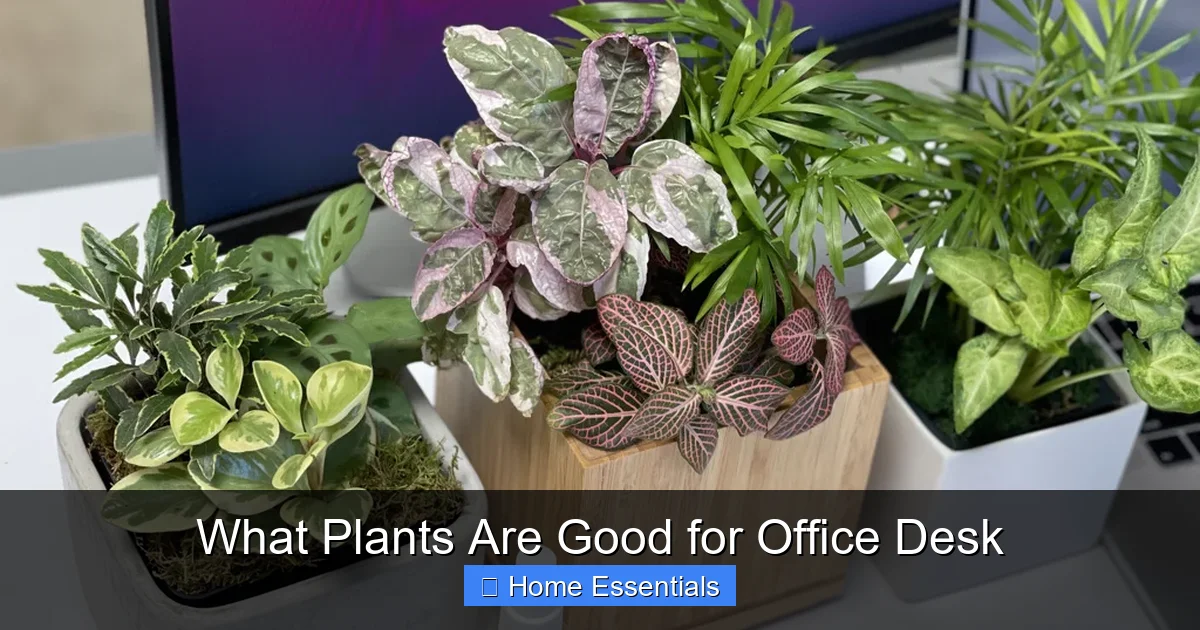
Visual guide about What Plants Are Good for Office Desk
Image source: blog.gardenuity.com
Minimalist Pots for Modern Desks
For a clean, professional look, choose pots in neutral tones—white, black, concrete grey, or terracotta. Geometric shapes (cubes, cylinders) add a modern touch. Ensure the pot has a drainage hole, or use the nursery pot inside a decorative cachepot. Match the pot material to your desk: a sleek ceramic for glass desks, a woven basket for a natural wood look. Remember, the pot should complement, not overshadow, the plant.
Hanging and Mounting Options
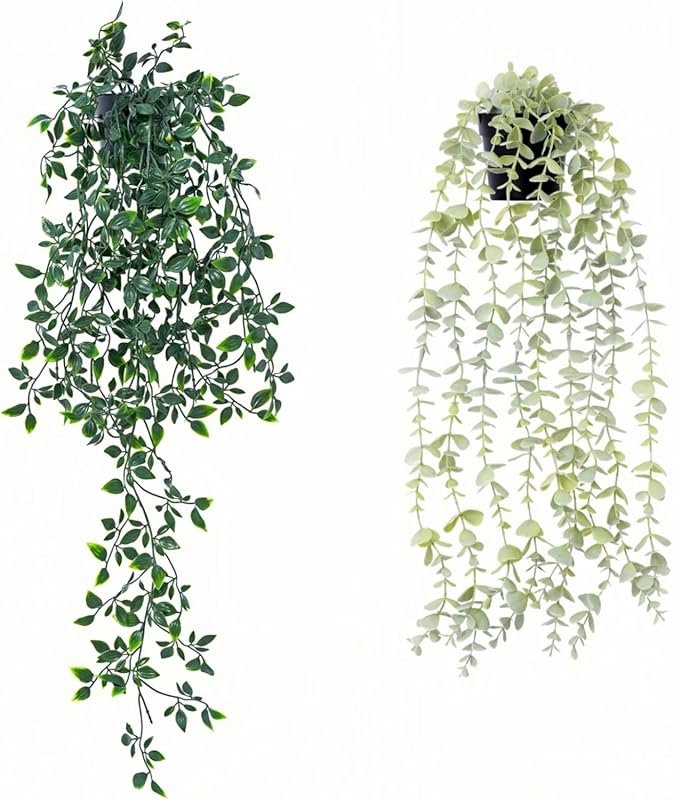
Short on desk real estate? Go vertical. Small hanging planters suspended from a shelf or ceiling hook are perfect for trailing plants like Pothos or Spider Plant. You can also use wall-mounted planters or even a DIY macramé hanger. Another clever idea: a small plant on a monitor riser or a dedicated plant stand beside your monitor. This keeps it at eye level without eating up precious workspace.
Themed Displays: Grouping for Impact
Don’t be afraid to create a tiny desktop jungle. Grouping plants of different heights, textures, and shapes creates a mini-landscape. Use a tray to corral them and protect your desk from water. Combine a tall, upright Snake Plant with a trailing Pothos and a round ZZ Plant. The contrast is visually interesting and creates a microclimate with slightly higher humidity. Just ensure all plants in the group have similar light and water needs. A desert-themed group of succulents (Aloe, Haworthia) would hate being next to a moisture-loving Peace Lily.
Common Mistakes (and How to Avoid Them)
Even with the best intentions, things can go wrong. Here are the most frequent pitfalls and how to sidestep them.
Mistake 1: Ignoring Light Needs
You bought a low-light plant and put it in a dark corner with no windows. It will survive for a while, but eventually, it will etiolate (stretch out weakly) and drop leaves. Solution: Honestly assess your light. Is there any natural light at all? If not, commit to a small smart grow light. If there’s a window, place the plant within 3-5 feet of it. Rotate the pot occasionally so it grows evenly.
Mistake 2: The Weekly Watering Routine
Watering every Friday because “it’s payday” is a recipe for disaster. Soil dries at different rates based on season, pot size, and plant type. Solution: Ditch the schedule. Use the finger test. In winter, most plants need water half as often as in summer. When you water, do it thoroughly.
Mistake 3: Forgetting to Clean the Leaves
Office air is dusty. Dust settles on leaves, forming a film that blocks sunlight. Your plant can’t photosynthesize efficiently. Solution: Once a month, gently wipe each leaf with a damp, soft microfiber cloth. For large plants, you can even give them a lukewarm shower in the sink. Avoid oily leaf-shine products; they clog stomata (leaf pores). Learn the correct way to use a microfiber cloth for dusting to avoid tearing delicate foliage.
Mistake 4: Using a Pot Without Drainage
A decorative pot without a hole is a death trap. Water sits at the bottom, roots rot silently. Solution: Always use a pot with a hole. If you love a cachepot without drainage, plant your plant in a smaller plastic nursery pot with holes and slip it inside the cachepot. Empty any excess water from the cachepot after watering.
Conclusion: Your Green Desk Awaits
Your office desk is your command center. It’s where ideas are born and tasks are conquered. Filling it with a living plant is a small act of rebellion against the sterile, digital world. It’s a commitment to a tiny bit of life and a lot of well-being. Start with one resilient friend—a Snake Plant or a Pothos. Get the watering right. Find a spot with some light. Watch it thrive. That success will inspire you to add another. Soon, you’ll have a miniature ecosystem that quietly supports your focus, cleans your air, and makes you smile when you see a new leaf. Your desk isn’t just a workspace anymore; it’s a sanctuary. Go ahead, bring a piece of nature inside. Your productivity—and your soul—will thank you.
Frequently Asked Questions
Are office plants safe for pets?
Some are, some aren’t Always check toxicity. Spider Plants and Boston Ferns are generally safe. Peace Lilies and Snake Plants are toxic if ingested. Keep plants out of reach or choose pet-friendly varieties if animals visit your workspace.
What is the absolute easiest plant for a dark office?
The ZZ Plant and Snake Plant are the champions of low light. They survive with minimal, indirect light and very infrequent watering. They are the most forgiving choices for a windowless cubicle.
How often should I water my desk plant?
There is no set schedule. Always check the soil first. For most plants, water when the top 1-2 inches of soil are dry. In winter, this might be every 2-3 weeks; in summer, weekly. When in doubt, wait another few days.
Can I propagate my office plant to make more?
Yes! Pothos, Spider Plant, and Philodendron are very easy to propagate. Simply cut a stem with a node (a small bump on the stem) and place it in water. Roots will appear in 1-2 weeks, and you can pot it up. It’s a great way to multiply your plants or share with friends.
Do desk plants really purify the air?
Yes, but with a caveat. NASA’s famous Clean Air Study showed certain plants can remove VOCs. However, you’d need a large number of plants in a very sealed space to match an air purifier’s effect. One or two plants offer a modest, real benefit alongside their psychological perks.
What’s the best pot material for an office desk?
Terracotta is porous and helps soil dry out, great for succulents and drought-tolerant plants. Ceramic and plastic retain moisture longer, good for plants that like consistent moisture. Choose based on your plant’s needs and your desk’s style. Always ensure there’s a drainage hole.