What Smart Bulbs Can Be Used Outside
Can smart bulbs work outside? Absolutely—but only if they’re built for it. Not all smart bulbs are created equal, and using the wrong kind outdoors can lead to damage, safety risks, or poor performance. The right weatherproof smart bulbs can transform your outdoor space with voice control, scheduling, and vibrant lighting effects. In this guide, we’ll walk you through everything you need to know—from IP ratings and compatible brands to installation tips and energy savings. Whether you’re lighting up a patio, garden path, or front yard, we’ve got you covered with smart, safe, and stylish outdoor lighting solutions.
Key Takeaways
- Weather resistance is key: Only smart bulbs rated for outdoor use (typically IP65 or higher) can handle rain, snow, and temperature extremes.
- Check compatibility: Ensure your bulb works with your smart home system—popular options include Philips Hue, LIFX, and Govee for outdoor setups.
- Energy efficiency matters: Outdoor smart bulbs use less power than traditional lighting and can be scheduled or dimmed to save energy.
- Installation requires care: Use weatherproof fixtures and follow manufacturer instructions to avoid moisture damage and electrical hazards.
- Enhance security and ambiance: Use motion-sensing or color-changing bulbs to deter intruders and create inviting outdoor spaces.
- Voice control adds convenience: Control your outdoor lights with Alexa, Google Assistant, or Siri for hands-free operation.
- Regular maintenance saves money: Clean bulbs, check connections, and update firmware to keep your system running smoothly.
📑 Table of Contents
Can Smart Bulbs Be Used Outside? The Short Answer
Yes, but not all smart bulbs are built to survive the great outdoors. Most standard indoor smart bulbs—like the popular Philips Hue or LIFX models—are not designed to handle moisture, temperature swings, or UV exposure. Using them outside can lead to premature failure, electrical hazards, or even fire risks. However, there are specific smart bulbs engineered for outdoor use. These bulbs come with weatherproofing features, durable materials, and certifications that ensure they can withstand rain, snow, heat, and cold.
So, what makes a smart bulb “outdoor-ready”? It’s not just about being smart—it’s about being tough. Outdoor smart bulbs are built with sealed enclosures, UV-resistant coatings, and components rated for extreme temperatures. They also have higher ingress protection (IP) ratings, which measure how well they resist dust and water. For outdoor use, aim for bulbs with at least an IP65 rating or higher. This means they’re protected against low-pressure water jets and dust ingress—perfect for patios, gardens, and walkways.
In this article, we’ll dive deep into everything you need to know about using smart bulbs outside. We’ll cover which brands and models are best, how to install them safely, and how to get the most out of your outdoor smart lighting system. Whether you’re looking to enhance your home’s security, create a cozy ambiance for summer gatherings, or simply save on energy bills, smart outdoor lighting is a game-changer. Let’s light up your outdoor space—safely and smartly.
What Makes a Smart Bulb Safe for Outdoor Use?
Not every smart bulb can brave the elements. Outdoor environments present unique challenges that indoor bulbs simply aren’t built to handle. From sudden rain showers to scorching summer heat, your smart bulb needs to be tough, reliable, and—above all—safe.
Visual guide about What Smart Bulbs Can Be Used Outside
Image source: cdn-fastly.upgradedhome.com
IP Ratings: Your Bulb’s Weather Shield
The first thing to check is the IP rating, or Ingress Protection rating. This two-digit code tells you how well a device resists dust and water. The first digit (0–6) measures dust resistance, and the second (0–8) measures water resistance.
For outdoor smart bulbs, you’ll want at least an IP65 rating:
- IP65: Fully protected against dust and low-pressure water jets (like rain). Ideal for patios and covered areas.
- IP67 or higher: Can handle being submerged in water up to 1 meter for 30 minutes. Perfect for floodlights or near pools.
Bulbs with lower ratings (like IP44 or IP20) are only suitable for covered or dry indoor use. Using them outside risks water damage and short circuits. Always check the packaging or product description for the IP rating before buying.
Temperature Tolerance
Outdoor bulbs face temperature extremes—from freezing winter nights to hot summer days. A good outdoor smart bulb can operate safely between -4°F to 104°F (-20°C to 40°C). This ensures it won’t crack, melt, or fail in harsh conditions.
For example, the LIFX Outdoor A19 is rated for -4°F to 104°F and features a frosted, UV-resistant lens that prevents yellowing over time. This means your light stays bright and clear, year after year.
Material and Build Quality
Outdoor smart bulbs are made with durable materials like polycarbonate or tempered glass, which resist cracking and fading. The base and internal components are sealed to prevent moisture from seeping in. Look for bulbs with reinforced connectors and corrosion-resistant finishes.
For instance, the Govee Outdoor Smart Bulbs use a shatterproof design and have a frosted cover that diffuses light evenly while protecting the LED inside. This makes them ideal for hanging in garages, porches, or near entryways.
Top Smart Bulb Brands for Outdoor Use
Several brands specialize in outdoor smart lighting or offer models that are safe for exterior use. Here are the top choices, each with unique features and benefits.
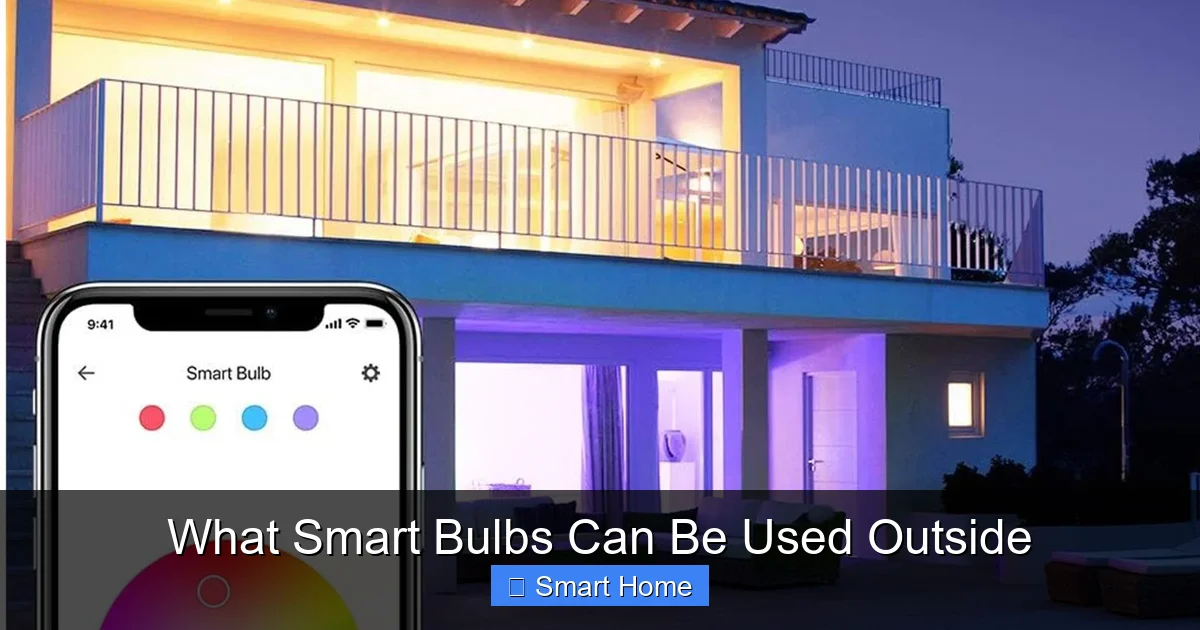
Visual guide about What Smart Bulbs Can Be Used Outside
Image source: revolights.com
Philips Hue Outdoor
Philips Hue is a household name in smart lighting, and their outdoor line delivers the same reliability and style as their indoor bulbs. The Philips Hue White and Color Ambiance Outdoor A19 is a top pick. It’s IP65 rated, works with Alexa and Google Assistant, and offers 16 million colors plus tunable white light.
One of the best features is Hue’s Sunrise Simulation, which slowly brightens your outdoor lights at dawn to mimic a natural sunrise. This is perfect for waking up without harsh lighting. The bulbs are also dimmable and can be scheduled or controlled via the Hue app.
However, Hue outdoor bulbs are more expensive than some competitors—starting around $60 per bulb. But their build quality and ecosystem integration make them worth the investment for serious smart home users.
LIFX Outdoor
LIFX is known for high-quality, energy-efficient bulbs that don’t require a hub. The LIFX Outdoor A19 is a standout model. It’s IP65 rated, runs on standard AC power (no hub needed), and offers full color control with no warm-up time.
What sets LIFX apart is its brightness and color range. At 1100 lumens, it’s one of the brightest outdoor smart bulbs available. The frosted lens diffuses light softly, reducing glare and creating a warm ambiance. LIFX also uses 80% less energy than traditional bulbs, saving you money on your electric bill.
Installation is easy—just screw it into any standard outdoor fixture. LIFX bulbs work with Alexa, Google Assistant, and Apple HomeKit, making them versatile for any smart home setup.
Govee Outdoor Smart Bulbs
Govee is a budget-friendly brand that doesn’t skimp on features. Their Govee Outdoor Smart Bulbs (2-Pack) are IP65 rated, offer RGBIC lighting (individual control of each color channel), and work with Alexa and Google Assistant.
These bulbs are perfect for decorative outdoor lighting—think string lights, garden paths, or patio corners. You can set them to pulse with music, sync with your TV, or create custom scenes. Govee’s app is user-friendly and includes a “Night Mode” that dims lights at bedtime.
At around $25 for a two-pack, Govee offers excellent value. The only downside is that they require a 2.4GHz Wi-Fi network (not compatible with 5GHz). But for most users, this is a small trade-off for affordable, colorful outdoor lighting.
Kasa Smart Outdoor Bulbs by TP-Link
Kasa smart bulbs are known for reliability and integration with the Kasa app. The Kasa Smart Outdoor A19 is IP65 rated, dimmable, and works with Alexa and Google Assistant. It’s also affordable, starting at $20 per bulb.
One unique feature is automatic scheduling. Set your lights to turn on at sunset and off at 11 PM, or adjust based on sunrise/sunset times. Kasa bulbs also support “away mode,” where lights randomly turn on and off to simulate occupancy—great for security.
Installation is simple, and the Kasa app is intuitive. While Kasa doesn’t offer as many colors as Hue or LIFX, the warm white and cool white options are perfect for functional outdoor lighting.
How to Install Outdoor Smart Bulbs Safely
Installing outdoor smart bulbs isn’t just about screwing them in. Proper installation ensures safety, longevity, and optimal performance. Follow these steps to get it right.
Visual guide about What Smart Bulbs Can Be Used Outside
Image source: androidauthority.com
Choose the Right Fixture
Not all light fixtures are suitable for outdoor bulbs. Make sure your fixture is designed for exterior use and has a weatherproof cover. Look for fixtures labeled “outdoor-rated” or “wet location.”
Avoid using indoor fixtures like desk lamps or table lamps outside. These aren’t sealed against moisture and can become electrical hazards in the rain.
Use a Weatherproof Socket
Even if your bulb is weatherproof, the socket must be too. Use a weatherproof outdoor socket cover or a sealed junction box. These are available at hardware stores and prevent water from entering the wiring.
For example, if you’re installing a bulb in a porch light, make sure the socket is covered with a plastic or metal guard rated for wet locations.
Screw in the Bulb Gently
Outdoor smart bulbs can be sensitive to over-tightening. Screw them in by hand—don’t use a wrench or pliers. Over-tightening can crack the base or damage the internal components.
After installing, test the bulb to make sure it turns on. If it doesn’t work immediately, wait a few minutes—some smart bulbs take time to connect to Wi-Fi.
Secure the Wiring
If your bulb requires hardwiring (not plug-in), make sure all connections are tight and covered with electrical tape or wire nuts. Moisture can seep into loose wires and cause shorts.
For plug-in outdoor bulbs, use a ground-fault circuit interrupter (GFCI) outlet. This protects against electrical shock in wet conditions—essential for areas near pools, patios, or driveways.
Test the Connection
Once installed, open your smart home app and test the bulb. Make sure it connects to your Wi-Fi network and responds to voice commands or app controls. If it doesn’t connect, check your Wi-Fi signal strength—outdoor areas may have weaker reception.
Consider using a Wi-Fi extender or a smart plug with a stronger antenna for better connectivity.
Benefits of Outdoor Smart Lighting
Smart bulbs aren’t just for indoor ambiance—they transform outdoor spaces in powerful ways. Here’s why you should consider them for your home.
Enhanced Security
Motion-activated smart bulbs can scare off intruders. When motion is detected, the light turns on brightly or changes color as a warning. This is especially useful for entryways, garages, and dark pathways.
For example, the Kasa Smart Outdoor Bulb can be set to turn on when motion is detected after sunset. You can even receive a notification on your phone when it activates.
Energy Savings
Smart bulbs use up to 80% less energy than incandescent bulbs. Plus, you can schedule them to turn off when you’re away or dim them during the day. This reduces your electricity bill and carbon footprint.
Some bulbs, like the LIFX Outdoor, use advanced LED technology that lasts 25,000 hours—about 25 times longer than traditional bulbs.
Customizable Ambiance
Want a romantic dinner under the stars? Or a festive holiday display? Smart bulbs let you change colors, brightness, and even sync with music. Create custom lighting scenes for any occasion.
For example, use Hue outdoor bulbs to set a “Movie Night” scene that dims the lights and shifts to blue tones. Or use Govee bulbs to pulse with your favorite playlist.
Voice Control and Automation
Control your outdoor lights with voice commands. Say, “Alexa, turn on the porch light,” or “Google, set the garden lights to red.” You can also automate routines—like turning on lights at sunset or dimming them at 10 PM.
Smart bulbs integrate with popular platforms like Apple HomeKit, Samsung SmartThings, and IFTTT, giving you endless automation possibilities.
Remote Access
Even when you’re on vacation, you can control your outdoor lights from anywhere. Turn them on to make it look like someone’s home, or adjust brightness based on weather changes.
This is especially useful for deterring burglars and ensuring your home looks lived-in when you’re away.
Common Mistakes to Avoid
Even with the best bulbs, mistakes can happen. Here are the most common errors and how to avoid them.
Using Indoor Bulbs Outdoors
This is the #1 mistake. Indoor smart bulbs lack weatherproofing and can fail in minutes when exposed to rain. Always check the IP rating and product description before buying.
Ignoring Wi-Fi Signal Strength
Outdoor areas often have weak Wi-Fi signals. If your bulb won’t connect, try moving your router closer, using a Wi-Fi extender, or switching to a 2.4GHz network.
Overlooking Maintenance
Clean your bulbs regularly to remove dirt and debris. A dirty lens can reduce brightness and affect color accuracy. Use a soft cloth and mild cleaner—never harsh chemicals.
Not Updating Firmware
Manufacturers release firmware updates to fix bugs and improve performance. Check your app regularly for updates and install them promptly.
Using the Wrong Fixture
Make sure your fixture is rated for outdoor use. Using an indoor fixture can lead to water damage and electrical hazards.
Final Thoughts: Smart Outdoor Lighting Is Worth It
Smart bulbs can absolutely be used outside—but only if you choose the right ones and install them properly. With weatherproof models from brands like Philips Hue, LIFX, and Govee, you can enjoy vibrant, energy-efficient lighting that enhances security, ambiance, and convenience.
From scheduling lights to syncing with music, the possibilities are endless. And with voice control and remote access, your outdoor space becomes more than just a place—it becomes part of your smart home ecosystem.
So go ahead—light up your porch, garden, or driveway with confidence. Just remember: safety first, weatherproof second, and smart third. With the right bulb and a little planning, your outdoor space can shine brighter than ever.
Frequently Asked Questions
Can all smart bulbs be used outside?
No, only smart bulbs specifically designed for outdoor use are safe for exterior installation. These bulbs have weatherproof features like IP65 ratings and UV-resistant coatings. Indoor smart bulbs lack these protections and can fail or become hazardous when exposed to moisture or temperature extremes.
What IP rating should outdoor smart bulbs have?
For outdoor use, aim for a minimum IP65 rating. This means the bulb is protected against dust and low-pressure water jets (like rain). IP67 or higher is even better for areas near pools or in heavy rain. Always check the product specifications before purchasing.
Do outdoor smart bulbs require a hub?
It depends on the brand. Some, like Philips Hue, require a hub for full functionality. Others, like LIFX and Govee, work directly over Wi-Fi without a hub. Check compatibility with your smart home system before buying.
Can I use smart bulbs in a covered porch?
Yes, but only if the bulb is rated for outdoor use. Even in a covered area, humidity, temperature changes, and occasional rain can damage indoor-rated bulbs. Use IP65 or higher rated bulbs for safety and longevity.
How do I keep outdoor smart bulbs connected to Wi-Fi?
Outdoor areas often have weak signals. Use a Wi-Fi extender, switch to a 2.4GHz network, or install the bulb in a central location. Ensure your router is close and the bulb supports your home’s Wi-Fi band.
Are outdoor smart bulbs more expensive?
Yes, weatherproof smart bulbs cost more than indoor models due to their durable materials and advanced features. Prices range from $20 to $60 per bulb. While pricier, they last longer and perform better in harsh conditions.