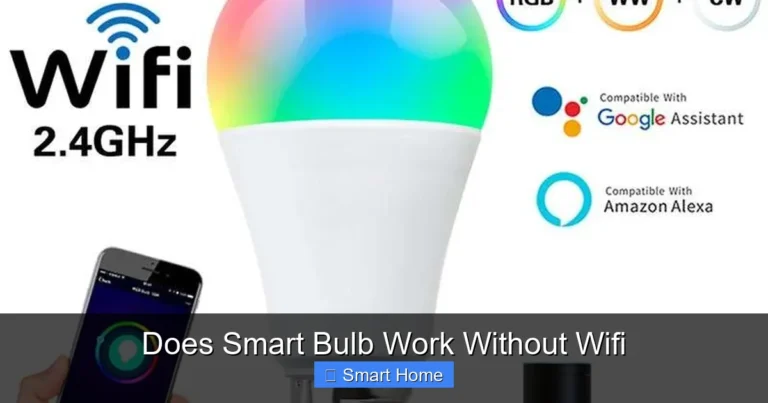
What Smart Bulbs Work with 5ghz Wifi
Not all smart bulbs play nice with 5GHz Wi-Fi networks. While some brands and models are optimized for faster, more reliable connections, others may struggle or fail to connect at all. In this guide, we’ll walk you through which smart bulbs work with 5GHz Wi-Fi, why it matters, and how to pick the right ones for your home.
Key Takeaways
- 5GHz Wi-Fi offers faster speeds and less interference compared to 2.4GHz, but has a shorter range and doesn’t penetrate walls as well.
- Most smart bulbs use 2.4GHz Wi-Fi, so check your bulb’s specs before assuming 5GHz compatibility.
- Some newer smart bulbs support dual-band Wi-Fi, meaning they can connect to both 2.4GHz and 5GHz networks.
- Brand matters: Philips Hue, LIFX, and Nanoleaf offer models with 5GHz support, while many budget options do not.
- Router placement affects performance: Even if your bulb supports 5GHz, weak signal strength can cause connectivity issues.
- Smart hubs can improve reliability: Devices like the Philips Hue Bridge or Apple HomePod can help manage connections.
- Always check the manufacturer’s website for the most accurate and up-to-date compatibility info.
📑 Table of Contents
- What Smart Bulbs Work With 5GHz Wifi?
- Understanding 5GHz Wi-Fi and Why It Matters
- Which Smart Bulbs Support 5GHz Wi-Fi?
- How to Check if Your Smart Bulb Works With 5GHz
- Tips for Using Smart Bulbs on 5GHz Networks
- What If Your Smart Bulb Doesn’t Support 5GHz?
- Conclusion: Smart Lighting, Smarter Connections
What Smart Bulbs Work With 5GHz Wifi?
Introduction: The Future of Smart Lighting is Faster
Imagine walking into a room and your smart lights instantly adjust to your mood—warmer tones for relaxing, bright whites for working, or pulsing colors for a party. This is the promise of smart lighting, and it’s becoming more accessible every day. But here’s the catch: not all smart bulbs are created equal when it comes to Wi-Fi connectivity. And if you’re running a modern home network with a 5GHz Wi-Fi router, you might be wondering: Do my smart bulbs even work with this faster, newer frequency?
The short answer? It depends on the bulb. While 5GHz Wi-Fi offers faster speeds, less interference, and better performance for devices like laptops, smartphones, and smart TVs, it’s not universally supported by all smart home gadgets—especially older or budget smart bulbs. Many of these devices were designed with 2.4GHz in mind, and they simply can’t connect to 5GHz networks. So, before you upgrade your entire lighting system, it’s important to know which smart bulbs actually play nice with 5GHz Wi-Fi.
In this guide, we’ll break down everything you need to know about smart bulb compatibility with 5GHz networks. We’ll cover which brands and models support it, why it matters, how to tell if your bulb will work, and what to do if you run into connection issues. Whether you’re building a smart home from scratch or upgrading your current setup, this guide will help you make informed decisions and avoid frustration.
Understanding 5GHz Wi-Fi and Why It Matters
What Is 5GHz Wi-Fi?
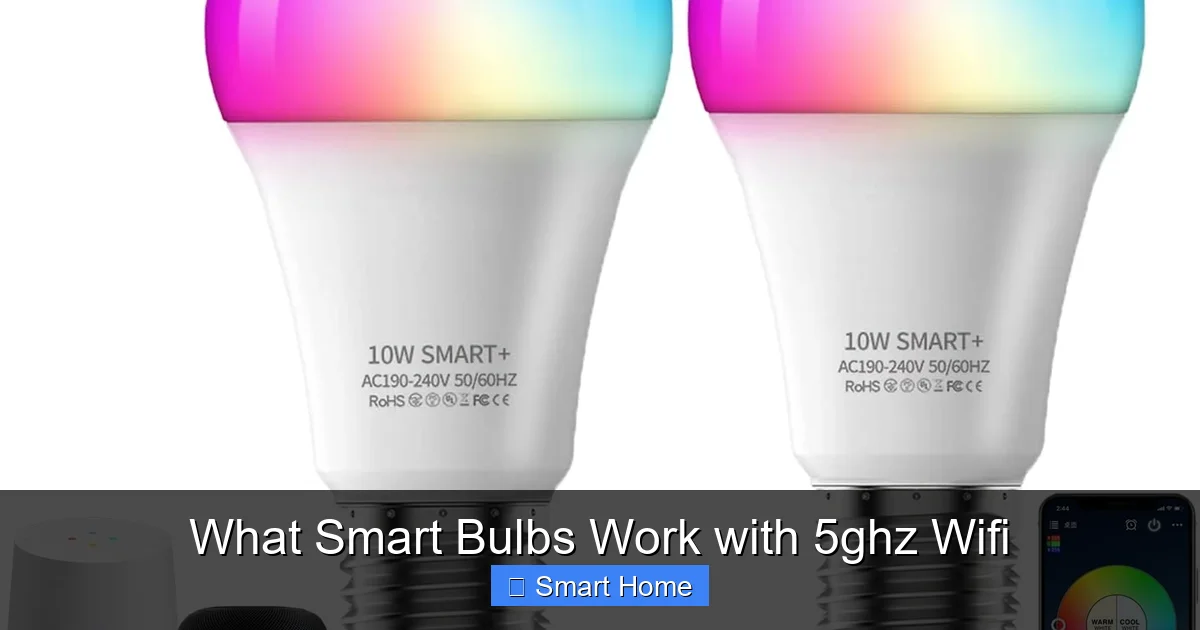
Wi-Fi operates on two main frequency bands: 2.4GHz and 5GHz. The 2.4GHz band has been around for decades and is used by everything from microwaves to cordless phones. While it offers excellent range and wall penetration, it’s also prone to congestion and interference, especially in dense urban areas.
Visual guide about What Smart Bulbs Work with 5ghz Wifi
Image source: m.media-amazon.com
5GHz Wi-Fi, on the other hand, is newer and less crowded. It provides faster data transfer speeds, lower latency, and better performance for bandwidth-heavy devices. However, it has a shorter range and struggles to penetrate walls and obstacles as well as 2.4GHz. This makes it ideal for high-performance devices like gaming consoles, 4K streaming devices, and smart TVs—but not always the best fit for low-power IoT devices like smart bulbs.
Why Smart Bulbs Often Use 2.4GHz
Smart bulbs are designed to be energy-efficient and low-maintenance. They don’t require high bandwidth, and their main job is to respond to commands—not stream video or download large files. As a result, most manufacturers optimize their bulbs for 2.4GHz Wi-Fi, which offers reliable connectivity even at longer distances and through walls.
Additionally, 2.4GHz signals are easier for bulbs to connect to, especially in older homes with thick walls or multiple floors. This simplicity helps reduce setup time and ensures a stable connection without requiring complex configurations.
The Case for 5GHz in Smart Lighting
So why would anyone want a smart bulb that works with 5GHz? There are a few compelling reasons:
- Reduced Interference: With fewer devices on 5GHz, your smart bulbs are less likely to drop off due to network congestion.
- Faster Response Times: Even though bulbs don’t use much bandwidth, 5GHz can reduce lag when controlling them via voice assistants or apps.
- Future-Proofing: As more smart home devices adopt 5GHz, having compatible bulbs ensures better integration with your overall network.
However, it’s important to note that 5GHz’s shorter range means your router needs to be closer to the bulb—or you’ll need a strong signal throughout your home. This is where mesh Wi-Fi systems come in handy.
Which Smart Bulbs Support 5GHz Wi-Fi?
Philips Hue: A Leader in Smart Lighting
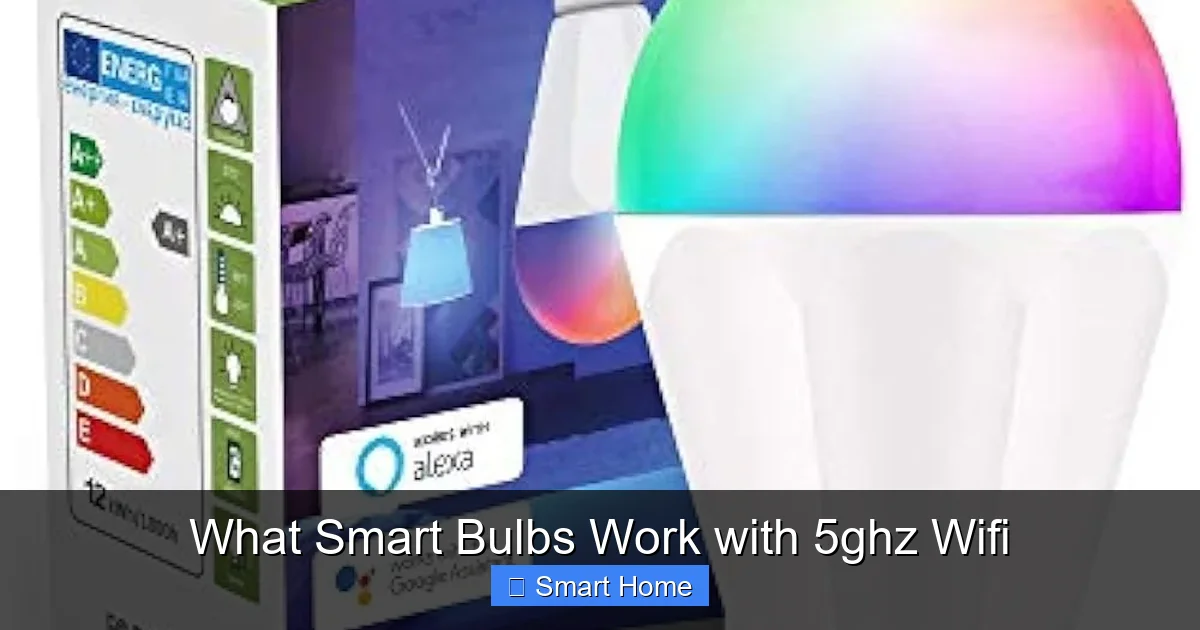
Philips Hue is one of the most popular smart lighting brands, and while most of their bulbs use 2.4GHz, they offer a hybrid solution. The Philips Hue Bridge (sold separately) connects to your router via Ethernet and communicates with your bulbs over Zigbee—a low-power wireless protocol—not Wi-Fi. This means your Hue bulbs don’t rely on Wi-Fi at all, so you don’t need to worry about 5GHz compatibility.
Visual guide about What Smart Bulbs Work with 5ghz Wifi
Image source: images-na.ssl-images-amazon.com
That said, the Hue Bridge does require a stable internet connection for cloud-based features like voice control via Alexa or Google Assistant. So while the bulbs themselves aren’t Wi-Fi dependent, the hub does need a reliable network—ideally on 5GHz for best performance.
LIFX: Dual-Band Wi-Fi Excellence
LIFX is one of the few brands that natively supports 5GHz Wi-Fi. Their smart bulbs are designed to connect directly to your home network using dual-band Wi-Fi (both 2.4GHz and 5GHz). This gives you flexibility: you can connect to whichever band provides the strongest signal.
For example, if you’re in the same room as your router, a 5GHz connection will give you faster, more reliable control. If you’re in a basement or far from the router, the bulb can fall back to 2.4GHz. This dual-band approach makes LIFX bulbs a great choice for homes with mixed Wi-Fi environments.
Nanoleaf Elements and Beyond
Nanoleaf is known for its modular smart lighting panels, but they also offer smart bulbs. Their Nanoleaf Essentials line (compatible with Matter) supports both 2.4GHz and 5GHz Wi-Fi. These bulbs are designed to work seamlessly with Apple HomeKit and other smart home ecosystems.
Nanoleaf’s 5GHz support is particularly useful for users with Apple devices, as HomeKit can take advantage of faster connections for quicker automation and scene changes. Plus, the bulbs are energy-efficient and offer rich color control, making them a strong contender for modern smart homes.
TP-Link Kasa and Smart Home Ecosystems
TP-Link’s Kasa smart bulbs are budget-friendly and widely available. While most Kasa bulbs use 2.4GHz Wi-Fi, some newer models—like the Kasa Smart Wi-Fi LED Light Bulb (KL400P6)—support dual-band Wi-Fi. This means they can connect to 5GHz networks, giving you more flexibility in network setup.
However, not all Kasa devices are created equal. Always check the product specifications before purchasing. TP-Link also offers the Kasa Smart Hub, which can help extend connectivity and improve reliability for bulbs that struggle with direct Wi-Fi connections.
Other Brands to Watch
Several other brands are beginning to offer 5GHz-compatible smart bulbs, including:
- Sengled: Some of their Smart+ WiFi LED Bulbs support dual-band Wi-Fi, though compatibility varies by model.
- Wyze: The Wyze Bulb Color uses 2.4GHz only, but Wyze has hinted at future 5GHz support in upcoming models.
- TP-Link Kasa: As mentioned, select models support 5GHz, but not all.
When shopping, look for keywords like “dual-band Wi-Fi,” “5GHz compatible,” or “Wi-Fi 5GHz support” in the product description or technical specs.
How to Check if Your Smart Bulb Works With 5GHz
Review the Product Specifications
The easiest way to determine 5GHz compatibility is to check the bulb’s technical specifications. Look for terms like:

Visual guide about What Smart Bulbs Work with 5ghz Wifi
Image source: superhomepursuits.com
- “Dual-band Wi-Fi (2.4GHz/5GHz)”
- “Wi-Fi 5GHz compatible”
- “Supports 5GHz networks”
These details are usually found on the product page, user manual, or manufacturer’s website. If the specs are unclear, don’t hesitate to contact customer support.
Use the Manufacturer’s App
Most smart bulb apps include setup guides and compatibility checks. During installation, the app will often ask you to select your Wi-Fi network. If it offers a 5GHz network as an option, that’s a good sign your bulb supports it.
For example, the LIFX app will show both 2.4GHz and 5GHz networks during setup. If your bulb only sees 2.4GHz networks, it likely doesn’t support 5GHz.
Test Your Network Settings
You can also check your router’s settings to see if your smart bulb connects to a 5GHz network. Log into your router’s admin panel (usually via a web browser at 192.168.1.1 or similar), go to the Wi-Fi settings, and look for the 5GHz band. If your bulb connects to it during setup, congratulations—it’s 5GHz compatible!
Keep in mind that some routers separate the 2.4GHz and 5GHz networks into different names (e.g., “HomeNetwork” and “HomeNetwork_5G”). Make sure your bulb is connecting to the correct one.
Common Signs of Incompatibility
If your smart bulb fails to connect during setup or frequently drops off the network, it might not support 5GHz. Other red flags include:
- The bulb only appears in the app when your phone is on 5GHz Wi-Fi (but not when on 2.4GHz)
- Setup fails when your phone is connected to 5GHz
- Bulbs disconnect when you switch your phone to 5GHz
If you notice these issues, your bulb likely only works with 2.4GHz Wi-Fi.
Tips for Using Smart Bulbs on 5GHz Networks
Place Your Router Strategically
Even if your bulb supports 5GHz, signal strength matters. Place your router in a central location, away from thick walls, metal objects, and appliances that cause interference (like microwaves and cordless phones). If your home is large or has multiple floors, consider a mesh Wi-Fi system to extend coverage.
Use a Wi-Fi Extender or Mesh System
A single router might not reach every room. Wi-Fi extenders can boost signal strength, but they can also reduce speed. Mesh systems, like those from Eero, Google Nest, or TP-Link Deco, offer seamless coverage and are ideal for 5GHz networks.
Update Firmware Regularly
Manufacturers often release firmware updates that improve connectivity and fix bugs. Check for updates through your bulb’s app or the manufacturer’s website. Updated firmware can resolve compatibility issues and enhance performance.
Use a Smart Hub for Better Reliability
If your bulbs struggle with direct Wi-Fi connections, a smart hub can help. Devices like the Philips Hue Bridge, Amazon Echo (4th Gen), or Apple HomePod act as intermediaries, reducing the load on your Wi-Fi network and improving response times.
Limit Network Congestion
Too many devices on 5GHz can cause slowdowns. Prioritize bandwidth for critical devices like smart bulbs by using Quality of Service (QoS) settings on your router. This ensures your bulbs get the connection they need without delays.
Test Connectivity Regularly
Wi-Fi environments change—new devices, router updates, or home renovations can affect signal strength. Periodically test your bulb’s connection to ensure it’s still working smoothly. If issues arise, try moving the bulb closer to the router or switching to 2.4GHz temporarily.
What If Your Smart Bulb Doesn’t Support 5GHz?
Stick With 2.4GHz
If your bulb only works with 2.4GHz, don’t worry. For smart lighting, 2.4GHz is perfectly adequate. The key is ensuring a strong, stable connection. Place your router close enough to the bulb, or use a Wi-Fi extender to boost the signal.
Use a Dual-Band Router
If your router supports both 2.4GHz and 5GHz, you can keep your smart bulbs on 2.4GHz while using 5GHz for other devices. This avoids compatibility issues and ensures all your gadgets work smoothly.
Consider a Zigbee or Z-Wave Hub
Zigbee and Z-Wave are low-power wireless protocols designed specifically for smart home devices. Unlike Wi-Fi, they don’t rely on your home network’s bandwidth and offer reliable, long-range communication. Devices like the Philips Hue Bridge or Amazon Echo use Zigbee to connect bulbs, bypassing Wi-Fi entirely.
Upgrade to 5GHz-Compatible Bulbs
If you’re building a new smart home or replacing bulbs, consider investing in 5GHz-compatible models. Brands like LIFX and Nanoleaf offer reliable dual-band options that work seamlessly with modern Wi-Fi networks.
Use a Wired Smart Hub
Some smart hubs connect to your router via Ethernet instead of Wi-Fi. This ensures a stable, high-speed connection for your smart devices, even if they don’t support 5GHz. The TP-Link Kasa Smart Hub or SmartThings Hub are excellent examples.
Conclusion: Smart Lighting, Smarter Connections
So, what smart bulbs work with 5GHz Wi-Fi? The answer is: some do, but not all. Brands like LIFX and Nanoleaf offer dual-band support, while many budget options rely solely on 2.4GHz. Before buying, always check the specifications and consider your home’s Wi-Fi setup.
While 5GHz offers faster speeds and less interference, it’s not a requirement for smart lighting. With the right router placement, a strong signal, and a compatible bulb, your smart lights can perform beautifully—whether on 2.4GHz or 5GHz. And if you’re unsure, remember: a stable 2.4GHz connection is often all you need.
As smart home technology evolves, more devices are embracing 5GHz, so staying informed is key. Whether you’re a tech enthusiast or just looking to automate your lighting, understanding Wi-Fi compatibility will help you build a smarter, more reliable home.
Frequently Asked Questions
Do all smart bulbs work with 5GHz Wi-Fi?
No, most smart bulbs are designed for 2.4GHz Wi-Fi and do not support 5GHz. Only select models from brands like LIFX and Nanoleaf offer dual-band compatibility.
Can I use a smart bulb on 5GHz if it doesn’t officially support it?
Generally, no. Smart bulbs that don’t support 5GHz won’t connect to 5GHz networks. You’ll need to use 2.4GHz or consider a compatible alternative.
Is 5GHz Wi-Fi better for smart bulbs?
5GHz offers faster speeds and less interference, but it has a shorter range. For smart bulbs, 2.4GHz is often sufficient and more reliable, especially in larger homes.
How can I tell if my smart bulb supports 5GHz?
Check the product specifications for terms like “dual-band Wi-Fi” or “5GHz compatible.” You can also test during setup—if your router’s 5GHz network appears as an option, your bulb likely supports it.
What should I do if my smart bulb won’t connect to 5GHz?
First, ensure your bulb supports 5GHz. If it doesn’t, switch to 2.4GHz. You can also improve signal strength with a Wi-Fi extender or mesh system.
Are smart hubs better than Wi-Fi for smart bulbs?
Smart hubs like the Philips Hue Bridge use Zigbee, which is more reliable and energy-efficient than Wi-Fi. They’re ideal for homes with many smart devices or poor Wi-Fi coverage.