What Smart Bulbs Work with 5ghz Wifi
Not all smart bulbs support 5GHz WiFi—many only work on 2.4GHz networks. Choosing the right bulb ensures faster speeds, better performance, and fewer connectivity issues. We’ll show you which brands and models are compatible, why 5GHz matters, and how to set them up for maximum reliability.
Key Takeaways
- 5GHz vs. 2.4GHz: 5GHz offers faster speeds and less interference but has shorter range and weaker wall penetration compared to 2.4GHz.
- Smart bulb compatibility: Not all smart bulbs support 5GHz—check the product specs before buying.
- Top 5GHz-compatible brands: Philips Hue, LIFX, Nanoleaf, TP-Link Kasa, and Wyze are among the best options.
- Setup matters: Use the manufacturer’s app to connect your bulb during setup—not through your router’s admin panel.
- Network optimization: Place your router centrally and avoid physical obstructions to maintain strong 5GHz signals.
- Future-proofing: 5GHz support means better performance for smart homes with multiple devices.
- Troubleshooting tip: If your bulb won’t connect, try switching to 2.4GHz temporarily to rule out network issues.
📑 Table of Contents
- What Smart Bulbs Work with 5GHz WiFi?
- Understanding 5GHz vs. 2.4GHz WiFi
- Top Smart Bulbs That Work with 5GHz WiFi
- How to Set Up a Smart Bulb on 5GHz WiFi
- Why 5GHz Matters for Smart Bulbs
- Common Issues and How to Fix Them
- Tips for Optimizing Your 5GHz Smart Bulb Setup
- Conclusion: Is 5GHz Worth It for Smart Bulbs?
What Smart Bulbs Work with 5GHz WiFi?
Have you ever tried setting up a smart bulb only to be greeted by a frustrating error message about network compatibility? You’re not alone. With the rise of smart homes, more people are upgrading their lighting to include features like voice control, scheduling, and color changes. But here’s the catch: not all smart bulbs play nice with every type of WiFi. Specifically, many only work with 2.4GHz networks—and that’s a problem if your router only broadcasts 5GHz.
So, what smart bulbs work with 5GHz WiFi? The good news is that several top brands now support this faster, less congested frequency band. But before you buy, you need to know which ones are compatible, why it matters, and how to set them up for success. In this guide, we’ll walk you through everything you need to know—from understanding the differences between 2.4GHz and 5GHz, to picking the right bulb, and troubleshooting common issues.
Understanding 5GHz vs. 2.4GHz WiFi
Before diving into which smart bulbs work with 5GHz, it’s important to understand what this means for your home network.
What Is 5GHz WiFi?
5GHz WiFi is a frequency band that operates at a higher speed than 2.4GHz. It’s less crowded because fewer devices use it, which means fewer interference and faster data transfer. This makes it ideal for high-bandwidth activities like streaming 4K video or gaming.
However, 5GHz signals don’t travel as far and have a harder time passing through walls, ceilings, or other obstacles. That’s why it’s often recommended to use both 2.4GHz and 5GHz bands simultaneously—if your router supports dual-band.
Why Smart Bulbs Prefer 2.4GHz
Most older smart bulbs are designed for 2.4GHz because it’s more reliable over distance and through walls. They don’t need the high speeds of 5GHz anyway—lighting control doesn’t require much bandwidth. But if your router only uses 5GHz, these bulbs may struggle to connect or stay connected.
That’s why it’s crucial to check whether your smart bulb supports 5GHz before purchasing. Let’s look at the best options.
Top Smart Bulbs That Work with 5GHz WiFi
Not every smart bulb is created equal when it comes to WiFi compatibility. Here are the top brands and models that reliably work with 5GHz networks:
Philips Hue
Philips Hue is one of the most trusted names in smart lighting. While their original bulbs only worked with 2.4GHz, the newer Hue bulbs (2020 and later) support dual-band WiFi, including 5GHz. These include the Hue White and Color Ambiance and Hue White Ambiance lines.
To use them on 5GHz, make sure your Hue Bridge (the hub that connects your bulbs to your network) is updated to the latest firmware. Then, during setup via the Hue app, select your 5GHz network when prompted.
LIFX
LIFX bulbs are known for their vibrant colors and strong WiFi performance. Most LIFX models (like the LIFX Color and LIFX Mini) support both 2.4GHz and 5GHz networks. This makes them a great choice if you’re using a 5GHz-only router.
During setup, the LIFX app will automatically detect your network. Just ensure your phone or tablet is connected to the same 5GHz network you want the bulb to join. LIFX bulbs also support Thread and Zigbee, giving you more connectivity options.
Nanoleaf Essentials
Nanoleaf’s Essentials line, including the Shapes and Lines bulbs, supports 5GHz WiFi. These bulbs are designed for easy setup and work seamlessly with Apple HomeKit, Alexa, and Google Assistant.
Because they use a mesh network (not just direct WiFi), they’re especially reliable in larger homes. Just make sure your router broadcasts 5GHz, and the Nanoleaf app will guide you through connecting the bulbs.
TP-Link Kasa Smart Bulbs
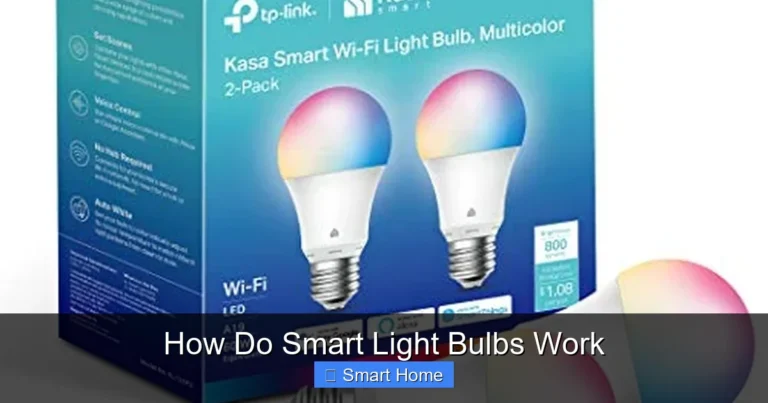
TP-Link’s Kasa brand offers affordable smart bulbs that support dual-band WiFi. Models like the Kasa Smart Color Bulb (KL130) can connect to both 2.4GHz and 5GHz networks.
During setup, the Kasa app will ask you to choose your network. If you only see 2.4GHz options, your bulb may not support 5GHz—so double-check the product specs before buying.
Wyze Bulbs
The Wyze Bulb Color (2021 and later) supports 5GHz WiFi, making it a budget-friendly option for 5GHz compatibility. Wyze bulbs are known for their low price and reliable performance.
During setup, connect your phone to the 5GHz network, open the Wyze app, and follow the prompts. Wyze bulbs also support local control via Matter (once updated), which improves reliability.
How to Set Up a Smart Bulb on 5GHz WiFi
Setting up a smart bulb on 5GHz isn’t much different from setting it up on 2.4GHz—but there are a few key steps to follow for success.
Step 1: Check Your Router
First, confirm your router supports 5GHz and is broadcasting the network. Log into your router’s admin panel (usually via a web browser) and look for “Wireless Settings.” Make sure 5GHz is enabled.
If you’re unsure, most modern routers (like Netgear, TP-Link, or ASUS) support dual-band. You’ll see two network names: one ending in _2G (2.4GHz) and another in _5G (5GHz).
Step 2: Connect Your Phone to 5GHz
Before setting up the bulb, make sure your smartphone or tablet is connected to the 5GHz network. Some phones auto-switch to 2.4GHz to save battery, so check your WiFi settings.
Step 3: Install the App and Start Setup
Download the manufacturer’s app (e.g., Philips Hue, LIFX, or Wyze). Turn on the bulb and follow the in-app instructions. Most apps will scan for nearby bulbs and ask you to select your WiFi network.
Step 4: Select 5GHz During Setup
This is the most critical step. When prompted, choose the 5GHz network—not the 2.4GHz one. If you skip this, the bulb may connect but won’t be controllable.
Step 5: Test and Troubleshoot
Once connected, test turning the bulb on and off via the app or voice assistant. If it fails, try rebooting your router and bulb, or temporarily switch to 2.4GHz to isolate the issue.
Why 5GHz Matters for Smart Bulbs
You might wonder: “If my bulb works on 2.4GHz, why bother with 5GHz?” The answer is performance and future-proofing.
Faster Response Times
5GHz networks have less congestion, so commands like “Turn on the lights” are processed faster. This is especially noticeable with voice assistants or when syncing multiple bulbs.
Better for Smart Homes
If you have many smart devices (thermostats, cameras, speakers), 5GHz helps reduce network strain. Smart bulbs on 5GHz won’t slow down your other devices.
Improved Reliability
With fewer interference sources (like microwaves and cordless phones), 5GHz offers a more stable connection—even if your bulb is in a distant room.
Future-Proofing
As smart home tech evolves, 5GHz will become more important. Choosing bulbs that support it ensures compatibility with future updates and protocols like Matter.
Common Issues and How to Fix Them
Even with 5GHz-compatible bulbs, setup and performance issues can arise. Here’s how to handle them.
Bulb Won’t Connect
If your bulb won’t connect, double-check that your phone is on 5GHz. Also, ensure the bulb is close to the router during setup. Walls and interference can block the signal.
Intermittent Connection
If the bulb drops off the network, your 5GHz signal may be too weak. Try moving the router closer or using a WiFi extender. Some bulbs also support Zigbee or Thread, which can act as a backup.
App Crashes During Setup
Clear the app cache or reinstall it. Also, make sure your phone’s OS is up to date. Some older phones struggle with 5GHz networks.
Voice Control Not Working
Even if the bulb connects, voice assistants like Alexa or Google Assistant may not recognize it. Re-link the device in the skill settings and ensure it’s on the same network.
Tips for Optimizing Your 5GHz Smart Bulb Setup
Want the best performance? Follow these expert tips:
- Use a Dual-Band Router: If your router only has 5GHz, consider upgrading. Dual-band routers allow you to assign smart bulbs to 5GHz while keeping other devices on 2.4GHz.
- Position the Router Centrally: Place your router in a central location to maximize 5GHz coverage.
- Update Firmware: Keep your router and bulb firmware updated for the latest features and bug fixes.
- Limit Band Steering Interference: Some routers “steer” devices between bands. Disable this feature if it causes issues.
- Use Mesh WiFi: For larger homes, a mesh system (like Eero or Google Nest) ensures strong 5GHz coverage throughout.
Conclusion: Is 5GHz Worth It for Smart Bulbs?
Yes—especially if you’re building a modern smart home. While 2.4GHz is more reliable for older devices, 5GHz offers faster, more stable connections for new-generation smart bulbs. Brands like Philips Hue, LIFX, Nanoleaf, TP-Link, and Wyze now support 5GHz, giving you more choices than ever.
Just remember: not all bulbs are created equal. Always check the specs before buying. And when setting up, make sure your phone and router are on 5GHz. With the right bulb and network, you’ll enjoy seamless control, better performance, and a smarter home.
Whether you’re lighting up your living room or creating a dynamic ambiance for movie night, choosing a 5GHz-compatible smart bulb is a smart move. Your future self (and your voice assistant) will thank you.
Frequently Asked Questions
Do all smart bulbs work with 5GHz WiFi?
No, only newer models from brands like Philips Hue, LIFX, Nanoleaf, TP-Link, and Wyze support 5GHz. Older or budget bulbs often only work with 2.4GHz. Always check the product specs before purchasing.
Can I use a smart bulb on both 2.4GHz and 5GHz?
Yes, many modern smart bulbs support dual-band WiFi. During setup, you can choose which network to connect to. This gives you flexibility depending on your router and needs.
Why won’t my smart bulb connect to 5GHz?
Common causes include your phone being on 2.4GHz, weak signal strength, or router settings. Make sure your phone is on 5GHz, the bulb is close to the router, and 5GHz is enabled on your network.
Is 5GHz better for smart bulbs than 2.4GHz?
5GHz offers faster speeds and less interference, which can improve response times. However, it has shorter range and weaker wall penetration. For most smart bulbs, the difference is minimal unless you have a large home or many devices.
Can I convert a 2.4GHz smart bulb to work on 5GHz?
No, you can’t convert older bulbs. They lack the hardware to support 5GHz. You’ll need to replace them with a 5GHz-compatible model.
Will using 5GHz extend the life of my smart bulb?
Not directly, but a stable, low-interference connection can reduce connectivity issues and improve performance. This may indirectly extend usability, especially in busy networks.