What Smart Bulbs Work with Google Home
Want to control your lights with your voice? Google Home makes it easy with compatible smart bulbs. From budget-friendly options to high-end models, we’ll guide you through the best smart bulbs that work with Google Home. Learn how to set up, control, and automate your lighting for energy savings and convenience.
Key Takeaways
- Understanding What Smart Bulbs Work With Google Home: Provides essential knowledge
📑 Table of Contents
- What Smart Bulbs Work with Google Home?
- Understanding Google Home Compatibility
- Top Smart Bulb Brands That Work with Google Home
- How to Set Up Smart Bulbs with Google Home
- Voice Commands for Smart Bulbs
- Automation and Smart Scenes
- Energy Savings and Smart Bulbs
- Troubleshooting Common Issues
- Future of Smart Bulbs and Google Home
- Final Thoughts
What Smart Bulbs Work with Google Home?
Imagine walking into a room and saying, “Hey Google, turn on the lights,” and the room instantly brightens. That’s the magic of smart lighting—and it’s easier than ever thanks to Google Home integration. Whether you’re setting the mood for movie night, waking up gently with a sunrise simulation, or saving energy by automating your lights, smart bulbs are a game-changer.
But not all smart bulbs are created equal. With so many brands and models on the market, it can be overwhelming to figure out which ones actually work with Google Home. That’s where this guide comes in. We’ll walk you through everything you need to know—from compatibility basics to top picks, setup tips, and even troubleshooting. By the end, you’ll know exactly which smart bulbs to buy and how to get them running seamlessly with your Google Home setup.
Understanding Google Home Compatibility
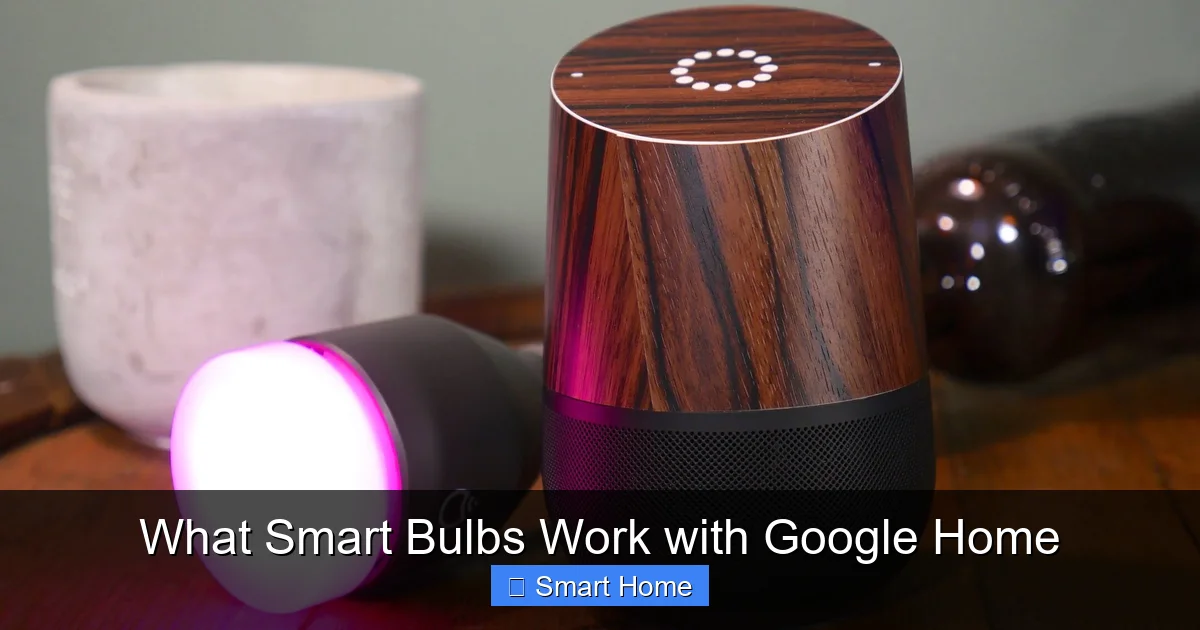
Before diving into specific brands, let’s break down what it means for a smart bulb to work with Google Home. At its core, Google Home is powered by Google Assistant, Google’s virtual assistant. So, any smart device that supports Google Assistant can be controlled through Google Home—including smart bulbs.
Visual guide about What Smart Bulbs Work with Google Home
Image source: lightinginside.com
What Does “Works with Google Assistant” Mean?
When you see a label like “Works with Google Assistant,” it means the device has been tested and certified to integrate smoothly with Google’s ecosystem. This includes voice control, app-based management, and compatibility with smart home routines.
Not all smart bulbs use the same communication protocols. Some rely on Wi-Fi, others use Zigbee or Bluetooth. The good news? Google Home supports a wide range of connection types, so you’re not limited to just one method.
How to Check Compatibility
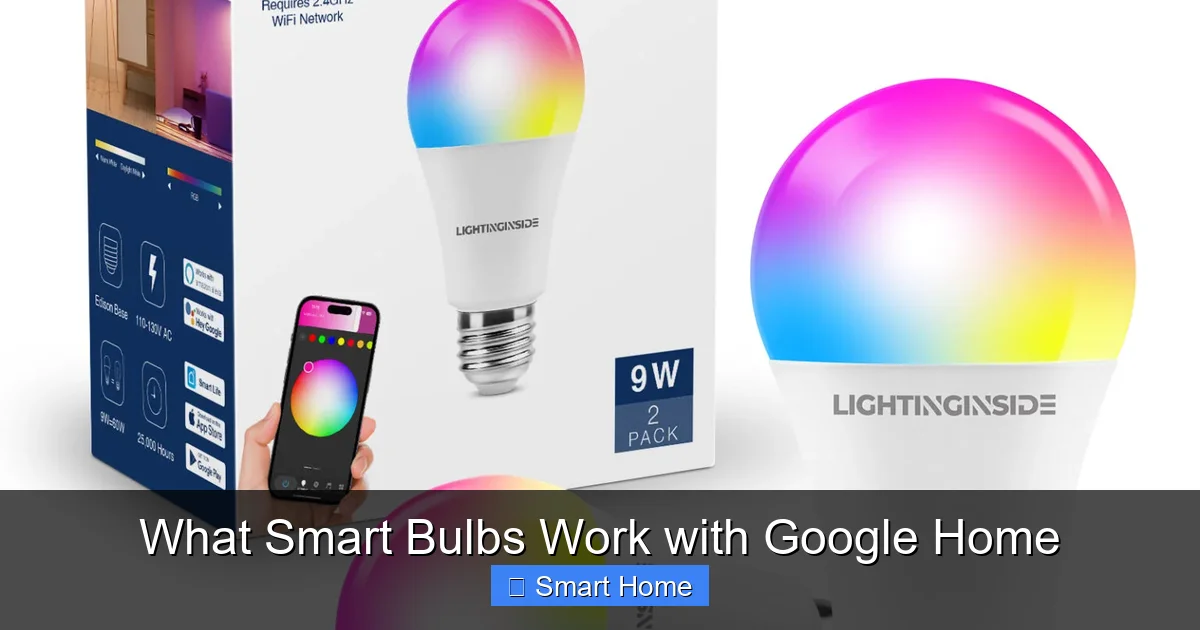
To ensure a smart bulb works with Google Home, check the product description or packaging for one of these phrases:
- “Works with Google Assistant”
- “Compatible with Google Home”
- “Voice control via Google Assistant”
You can also search the Google Home app’s Works with Google directory. Just open the app, tap the “+” icon, and look for compatible devices. This is the safest way to confirm compatibility before buying.
Top Smart Bulb Brands That Work with Google Home
Several brands offer reliable and feature-rich smart bulbs that integrate seamlessly with Google Home. Here are the most trusted and popular options:
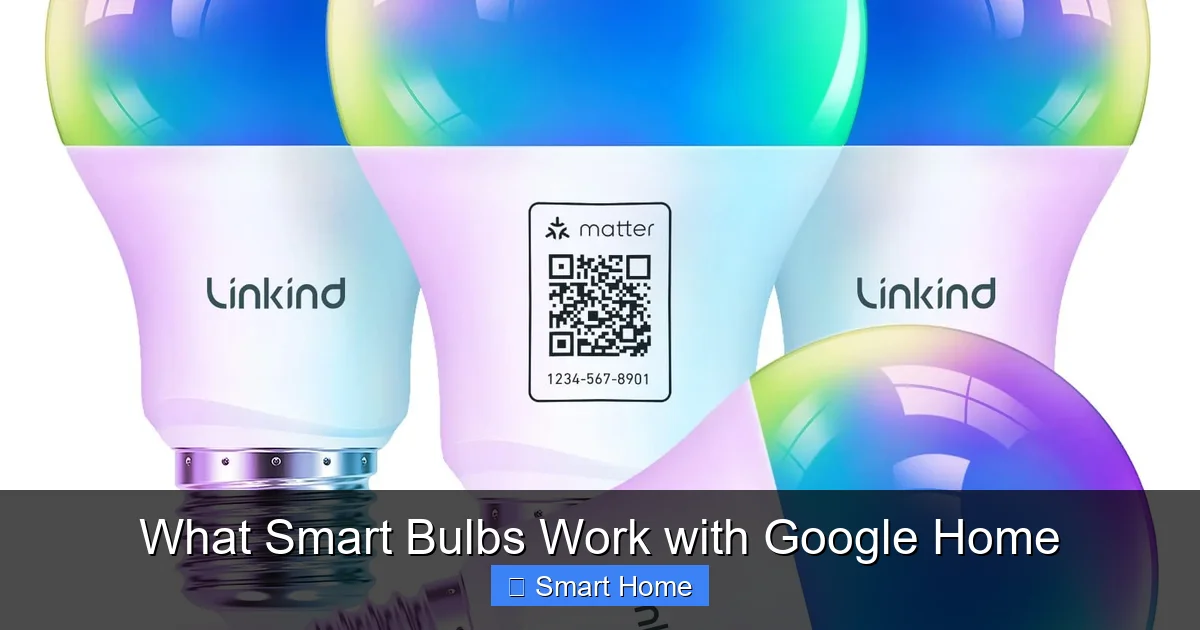
Visual guide about What Smart Bulbs Work with Google Home
Image source: images-na.ssl-images-amazon.com
Philips Hue
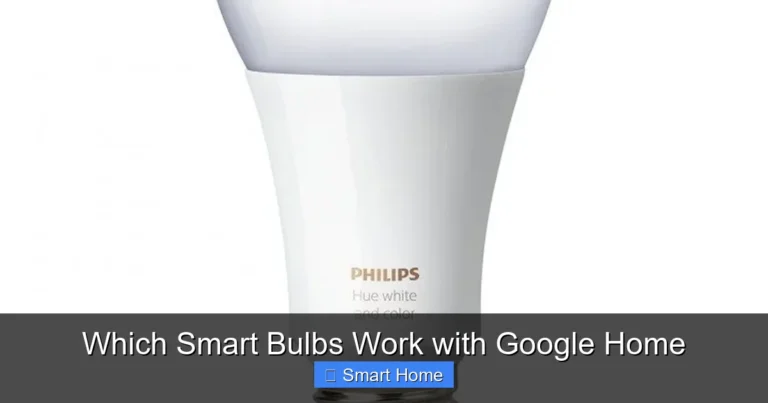
If you’re serious about smart lighting, Philips Hue is the gold standard. Their bulbs support full color control, dimming, scheduling, and advanced automation. With over 16 million colors and thousands of preset scenes, Hue bulbs can transform any room.
Hue bulbs use Zigbee technology, which means they connect through a Hue Bridge—a small device that plugs into your router. While the bridge adds a step to setup, it enables features like geofencing and complex routines that aren’t possible with Wi-Fi-only bulbs.
Pro Tip: The Hue Bridge also allows you to control Hue lights with Apple HomeKit and Amazon Alexa, making it a versatile choice for multi-platform smart homes.
LIFX
LIFX is known for its Wi-Fi-enabled bulbs, which means no hub required. Simply screw in the bulb, connect it to your Wi-Fi network, and you’re ready to go. LIFX bulbs support full color range, dimming, and scheduling, and they work directly with Google Assistant.
One of LIFX’s standout features is ultra-bright illumination—many models offer 1100 lumens, making them ideal for task lighting. They also support warm-to-cool white tones, which can help regulate your circadian rhythm.
However, because LIFX relies on Wi-Fi, multiple bulbs can sometimes slow down your network. For large setups, consider a mix of LIFX and hub-based bulbs.
Wyze Bulb
Wyze has become a favorite among budget-conscious smart home users. Their bulbs are affordable, easy to set up, and fully compatible with Google Home. The Wyze Bulb (Color) offers 16 million colors, dimming, and scheduling—all for under $15.
Wyze bulbs use Wi-Fi and connect directly to your Google Home app. They’re perfect for beginners or those who want to add smart lighting without spending a lot. Plus, Wyze frequently updates its devices with new features and improvements.
Note: Wyze bulbs don’t support voice control via Bluetooth, so you’ll need Wi-Fi and the Google Home app to manage them.
Sylvania Smart+
Sylvania’s Smart+ line offers a great balance of price and performance. Their bulbs work with Google Assistant and Amazon Alexa, and they support dimming and color changes. The Smart+ Color Bulb is especially popular for its vibrant hues and smooth dimming.
These bulbs use Wi-Fi and don’t require a hub, making setup simple. Sylvania also offers smart switches and plugs, so you can expand your smart home ecosystem easily.
TP-Link Kasa
TP-Link’s Kasa smart bulbs are another excellent choice. They’re affordable, reliable, and offer both color and white-only versions. The Kasa app is intuitive, and bulbs work with Google Home for voice control and automation.
One unique feature is energy monitoring—you can track how much power your bulbs use over time. This is great for managing energy costs and identifying inefficiencies.
Nanoleaf Essentials
While Nanoleaf is best known for its panel lighting, their Essentials line includes smart bulbs that work with Google Home. These bulbs use Matter, a new smart home standard designed for seamless cross-platform compatibility.
Matter ensures that Nanoleaf bulbs work with Google Home, Apple Home, and Amazon Alexa—no hubs needed. This future-proofs your setup and simplifies integration.
Note: As of 2024, Matter support is still rolling out, so check for the latest firmware updates if you’re using Nanoleaf bulbs with Google Home.
How to Set Up Smart Bulbs with Google Home
Setting up smart bulbs with Google Home is straightforward—most models follow a similar process. Here’s a step-by-step guide to get you started:
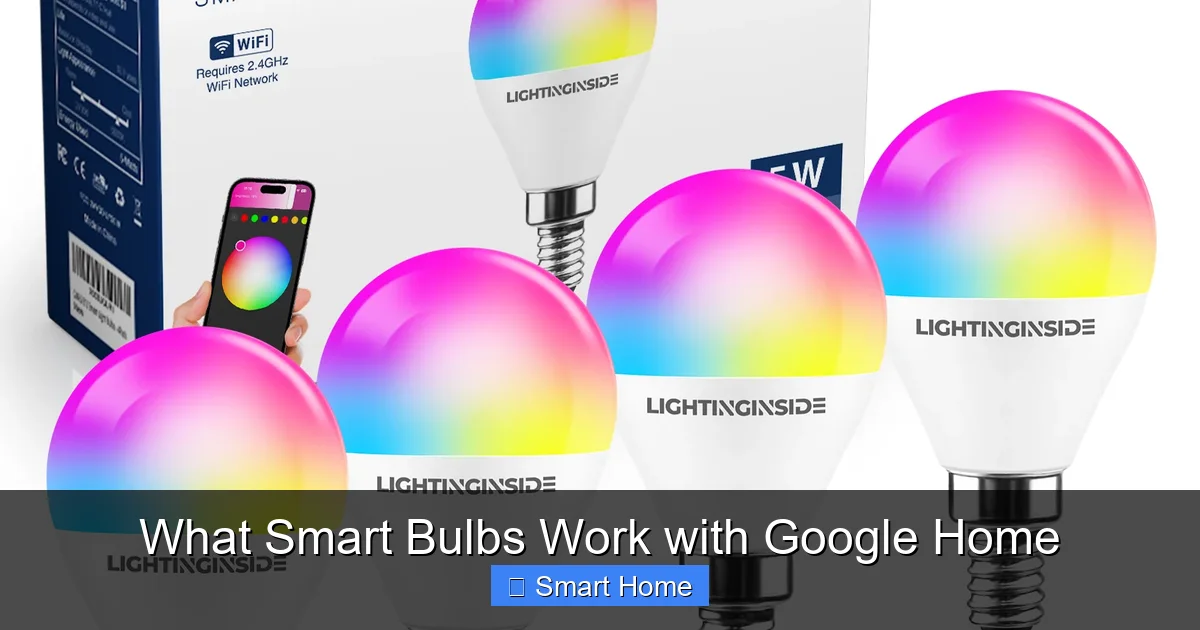
Visual guide about What Smart Bulbs Work with Google Home
Image source: lightinginside.com
Step 1: Choose the Right Bulb
Make sure your bulb is compatible with Google Assistant. Check the packaging or product description for “Works with Google Assistant.” Avoid older models or niche brands that lack official support.
Step 2: Install the Bulb
Screw the smart bulb into a light fixture. Make sure the bulb is securely in place and the fixture is turned off. If you’re replacing an old bulb, turn off the power at the circuit breaker for safety.
Step 3: Download the Google Home App
Install the Google Home app on your smartphone (available for Android and iOS). Create a Google account if you don’t already have one.
Step 4: Add the Device
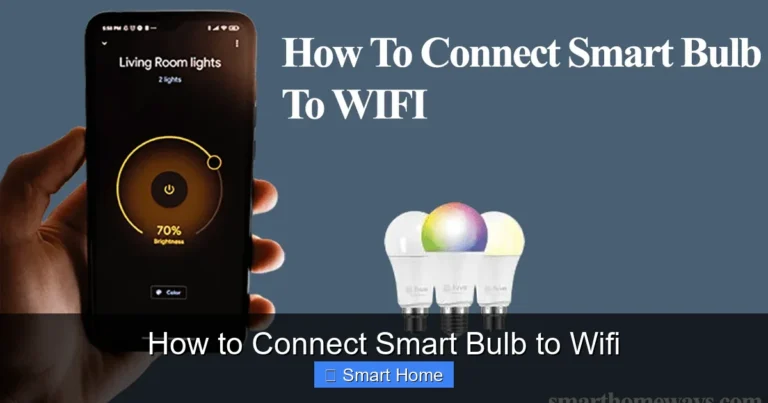
Open the Google Home app, tap the “+” icon, and select “Set up device.” Choose “Add new device.” Your phone will search for nearby smart bulbs. When your bulb appears, tap it and follow the on-screen instructions.
Step 5: Connect to Wi-Fi
Enter your Wi-Fi network name and password. The bulb will connect to your network. This may take a minute or two.
Step 6: Name and Organize
Give your bulb a name (e.g., “Bedroom Light” or “Kitchen Overhead”) and assign it to a room. You can also create groups for multi-bulb setups.
Step 7: Test Voice Control
Say, “Hey Google, turn on the bedroom light.” If it responds, you’re all set!
Pro Tip: Use descriptive names like “Desk Lamp” or “Nightstand Light” to avoid confusion when using multiple bulbs.
Voice Commands for Smart Bulbs
One of the biggest perks of smart bulbs is voice control. With Google Home, you can use natural language to manage your lights. Here are some useful commands:
- Turn lights on/off: “Hey Google, turn on the living room lights.”
- Dim the lights: “Hey Google, dim the kitchen lights to 50%.”
- Change color: “Hey Google, set the bedroom lights to blue.”
- Create routines: “Hey Google, I’m leaving.” (This can trigger lights to turn off.)
- Set timers: “Hey Google, turn off the porch light in 30 minutes.”
You can also use routines to automate lighting. For example, create a “Good Morning” routine that gradually brightens your bedroom lights at 7 a.m.
To create a routine:
- Open the Google Home app.
- Tap “Routines” at the bottom.
- Tap “+” to create a new routine.
- Set a trigger (like time or voice command) and add actions (like turning on lights).
Automation and Smart Scenes
Beyond basic on/off control, smart bulbs shine when used with automation. Google Home allows you to create smart scenes—custom lighting setups for different moods or activities.
Examples of Smart Scenes
- Movie Night: Dim all lights to 20% and set color to warm amber.
- Work Mode: Bright white light in the home office.
- Relax Mode: Soft blue tones in the bedroom.
- Party Mode: Cycle through vibrant colors with music sync (if supported).
You can activate scenes via voice, the Google Home app, or by linking them to other smart devices. For example, when you lock your front door at night, Google Home can automatically turn on your porch light.
Using IFTTT for Advanced Automation
For even more control, connect Google Home to IFTTT (If This Then That). IFTTT lets you create custom automations using web services, location triggers, and more.
Example: Set up an IFTTT applet so that when you arrive home (based on your phone’s location), Google Home turns on your living room lights.
Energy Savings and Smart Bulbs
Smart bulbs aren’t just convenient—they can also help you save money. Here’s how:
- LED Technology: Most smart bulbs use LEDs, which use up to 80% less energy than incandescent bulbs.
- Scheduling: Automate lights to turn off when you’re away or asleep.
- Dimming: Use lower brightness to reduce energy use without sacrificing comfort.
- Presence Simulation: Use geofencing to make lights turn on when you arrive and off when you leave.
Many smart bulbs also track energy usage in the Google Home app. This helps you monitor consumption and identify opportunities to cut costs.
Troubleshooting Common Issues
Even with compatible bulbs, you might run into issues. Here’s how to fix common problems:
Bulb Not Showing Up in Google Home
- Make sure the bulb is powered on and properly installed.
- Ensure your Wi-Fi network is working and the bulb is within range.
- Restart the Google Home app and try adding the device again.
- Reset the bulb (usually by turning it on/off 5 times quickly).
Voice Commands Not Working
- Check that the bulb is named correctly and assigned to the right room.
- Verify that Google Assistant is enabled in the Google Home app.
- Try re-linking the device: Remove it from Google Home, then re-add it.
Slow or Unresponsive App
- Close and reopen the Google Home app.
- Restart your router and try again.
- Ensure your phone’s software is up to date.
Interference with Other Devices
If you’re using many Wi-Fi devices, they may compete for bandwidth. Consider switching some bulbs to Zigbee (with a hub) to reduce network load.
Future of Smart Bulbs and Google Home
The smart lighting market is evolving fast. New standards like Matter are making it easier than ever for devices to work across platforms. In 2024, more bulbs are becoming Matter-compatible, meaning they’ll work with Google Home, Apple Home, and Amazon Alexa—no matter the brand.
We’re also seeing advances in AI-powered lighting, where bulbs learn your habits and adjust automatically. Imagine lights that brighten when you start reading or dim when you fall asleep.
As smart homes grow, lighting will become more integrated—with voice, gesture, and even biometric controls. The future is bright, and Google Home is at the center of it.
Final Thoughts
Smart bulbs that work with Google Home are no longer a luxury—they’re a smart investment. Whether you want voice control, energy savings, or mood lighting, there’s a bulb for you. Brands like Philips Hue, LIFX, Wyze, and Nanoleaf offer reliable, feature-rich options that integrate seamlessly with Google Assistant.
With easy setup, powerful automation, and growing ecosystem support, smart lighting is more accessible than ever. Start small—maybe with a bulb in your living room or bedroom—and expand as you go. Before you know it, your home will be smarter, more efficient, and more responsive to your needs.
So go ahead—say “Hey Google, make it cozy,” and watch your lights transform. The future of lighting is here, and it’s just a voice command away.
Frequently Asked Questions
Do all smart bulbs work with Google Home?
No, only bulbs that support Google Assistant will work with Google Home. Always look for the “Works with Google Assistant” label before purchasing.
Can I use smart bulbs without a hub?
Yes, many Wi-Fi-enabled smart bulbs like LIFX, Wyze, and TP-Link Kasa work directly with Google Home without needing a separate hub.
How do I reset a smart bulb?
Most smart bulbs can be reset by turning them on and off five times quickly. Check the manufacturer’s instructions for specific steps.
Are smart bulbs more expensive than regular bulbs?
Smart bulbs are initially more expensive, but they save money over time through energy efficiency and automation features.
Can I control smart bulbs from anywhere?
Yes, as long as your bulb is connected to Wi-Fi and linked to your Google Home account, you can control it from any location with an internet connection.
What’s the difference between Wi-Fi and Zigbee smart bulbs?
Wi-Fi bulbs connect directly to your network but may slow it down with many devices. Zigbee bulbs use a hub and mesh network, offering more stable performance for larger setups.