When Do Kids Need a Study Desk
Determining when a child needs their own study desk isn’t just about age—it’s about developmental readiness and specific behavioral cues. While some children benefit from a dedicated space as early as preschool, others may not need one until later elementary years. The right desk supports academic habits, organization skills, and psychological ownership of their learning journey. Look for signs like needing a consistent spot for homework, struggling with focus, or outgrowing the kitchen table.
Key Takeaways
- Developmental Readiness Varies: There’s no universal age; readiness depends on a child’s attention span, homework load, and fine motor skills, typically emerging between ages 4-8.
- Look for Behavioral Signs: Key indicators include frustration with shared spaces, losing materials, or needing a “special spot” to concentrate, signaling it’s time for their own desk.
- Benefits Extend Beyond academics: A personal desk fosters organization, responsibility, and a sense of ownership, which are crucial life skills beyond just schoolwork.
- Ergonomics and Safety are Non-Negotiable: The desk and chair must be correctly sized to prevent physical strain, with proper height, foot support, and safe, rounded edges.
- Involvement is Crucial: Letting the child help choose or set up their desk increases their buy-in and likelihood of using it consistently for its intended purpose.
- The Environment Matters: Location, lighting (consider energy-efficient smart bulbs for adjustable task lighting), and minimizing distractions are as important as the desk itself.
- It’s an Investment in Routine: A dedicated workspace helps establish a reliable homework routine, separating play from study and signaling to the brain that it’s time to focus.
📑 Table of Contents
- The Big Question: Is It Time for a “Big Kid” Desk?
- Developmental Stages: Understanding Readiness by Age and Stage
- 5 Clear Signs Your Child is Ready for Their Own Desk
- The Multifaceted Benefits of a Dedicated Workspace
- How to Choose the Perfect Desk: A Practical Guide for Parents
- Setting the Stage: Creating an Effective Study Environment
- Common Mistakes to Avoid When Setting Up a Study Desk
- Conclusion: It’s About the Journey, Not Just the Destination
The Big Question: Is It Time for a “Big Kid” Desk?
As parents, we watch our children grow through countless milestones—first steps, first words, first day of school. But one transition that often sneaks up on us is the shift from doing homework at the kitchen table or on the living room couch to needing their own dedicated study space. The question “When do kids need a study desk?” doesn’t have a one-size-fits-all answer stamped with a specific birthday. It’s a nuanced decision based on your child’s unique development, daily routines, and the evolving demands of their schoolwork. This isn’t about buying furniture for the sake of it; it’s about providing a foundational tool that supports their academic, organizational, and emotional growth. Think of it as building a small but significant fortress of focus in the midst of a busy household.
In this comprehensive guide, we’ll walk through the developmental stages, the unmistakable signs that your child is ready, the profound benefits of a personal workspace, and how to choose and set up the perfect desk. We’ll also cover common pitfalls to avoid, ensuring this investment truly serves your child’s needs. Because the right desk at the right time can transform homework from a daily battle into a calm, productive ritual.
Developmental Stages: Understanding Readiness by Age and Stage
Children’s cognitive and physical abilities develop in beautiful, messy, non-linear ways. While age brackets offer a helpful starting point, the most accurate gauge is your child’s individual behavior and capabilities. Here’s a breakdown of typical stages to consider.
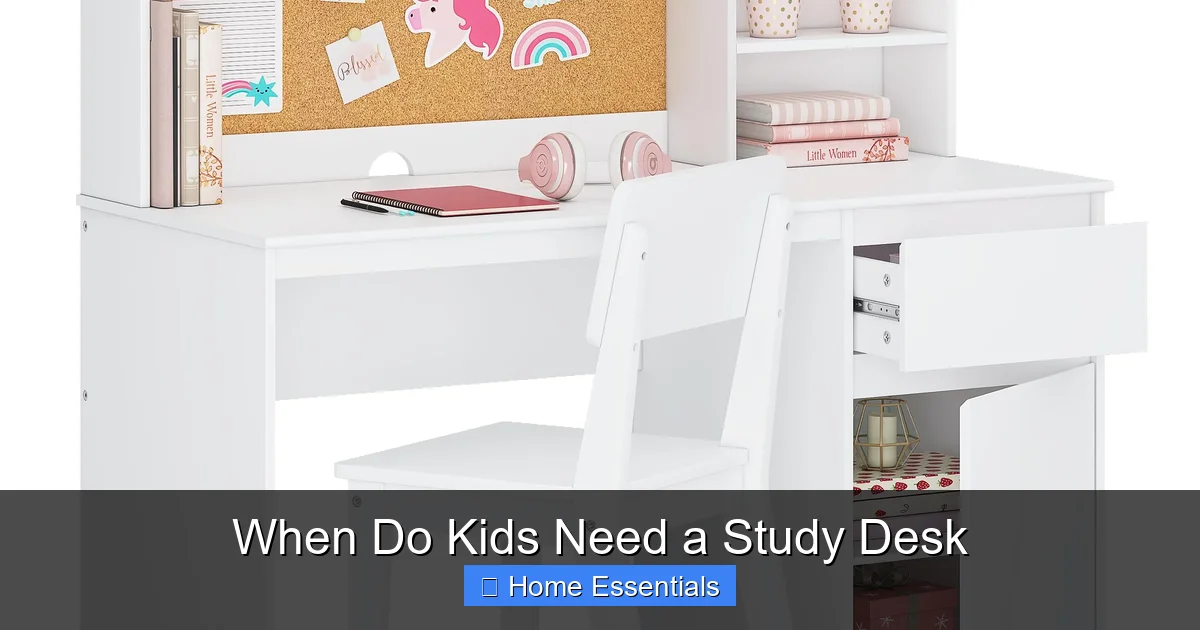
Visual guide about When Do Kids Need a Study Desk
Image source: m.media-amazon.com
The Early Years (Ages 3-5): Exploration and Play-Based “Work”
For preschoolers and kindergarteners, “homework” is often a loose concept involving coloring, simple worksheets, or play-based learning. At this stage, a full-sized desk is usually unnecessary and may even be counterproductive. Children this age benefit most from low, accessible surfaces where they can spread out materials and move around. A small, child-sized table and chair set in a common area or their bedroom is perfect. The goal is familiarity with a designated spot for seated activities, not deep, prolonged focus. The key is supervision and proximity, as their attention spans are still measured in minutes, not hours. A traditional “study desk” with drawers and a fixed chair is often too restrictive and big for this age group.
The Foundational Years (Ages 6-9): The Emergence of Structured Tasks
This is the most common window when parents start seriously considering a dedicated desk. As children move into first, second, and third grades, homework becomes more regular, structured, and lengthy. They begin to have reading logs, math worksheets, and small projects that require them to hold information in their mind over time. Physically, their fine motor skills are improving, allowing for better pencil control and the ability to manipulate tools like rulers or glue sticks without constant mess. Cognitively, they are developing the ability to sustain attention for 15-20 minute increments, but they are still easily distracted by siblings, pets, or the TV in the next room. A personal desk in their room or a quiet corner provides a controlled environment that shelters this budding focus. It also introduces the concept of a “workspace” versus a “playspace,” a critical distinction for developing executive function skills.
The Independent Years (Ages 10+): Ownership and Complex Projects
By upper elementary and middle school, the need for a personal desk is rarely in question. Homework loads increase significantly, projects become multi-step and span days or weeks, and children need a reliable home base for their textbooks, notebooks, and supplies. The desk becomes a command center for managing their academic responsibilities. At this stage, ergonomics become critically important, as children may spend 1-2 hours at their desk nightly. A properly sized, adjustable chair and desk are essential for long-term spinal health and comfort. Furthermore, this age group craves autonomy; their desk is a private sanctuary where they can organize their world their way, fostering a sense of responsibility and ownership over their education.
5 Clear Signs Your Child is Ready for Their Own Desk
Regardless of age, watch for these behavioral and practical cues. They are your child’s way of telling you that the kitchen table no longer meets their needs.

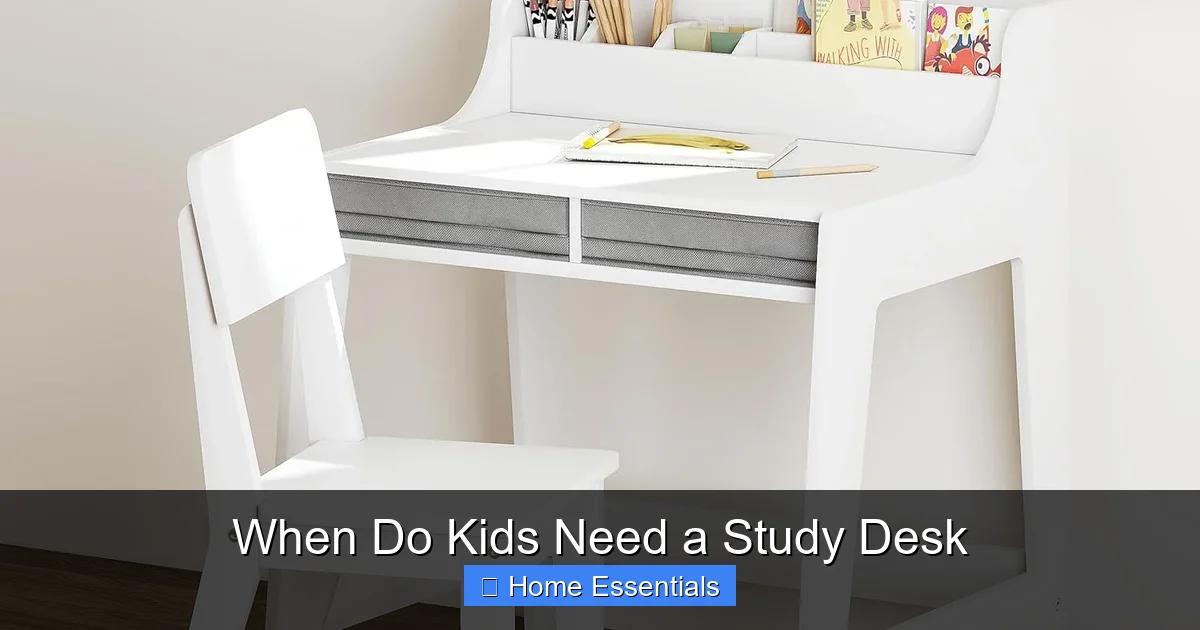
Visual guide about When Do Kids Need a Study Desk
Image source: substackcdn.com
Sign 1: The “Material Mayhem” Crisis
Is your child constantly losing pencils, misplacing worksheets, or spending 10 minutes of every homework session searching for a glue stick? This isn’t just forgetfulness; it’s a symptom of a disorganized workspace. When materials are shared across a family table or stored in a communal bin, they have no “home.” A personal desk with drawers, a pencil holder, and designated compartments allows a child to create a system. They learn that everything has a place, which drastically reduces prep time and frustration. This foundational skill in organization directly translates to better time management and less anxiety about starting tasks.
Sign 2: The Battle for Table Time
If your evenings involve negotiating who gets the good spot at the table, or if your child complains that the kitchen is too noisy with cooking and sibling activity, it’s a strong signal. A shared space, by definition, is subject to the schedules and noise of everyone else. A child who is easily distracted by auditory or visual stimuli will struggle to achieve the state of flow needed for effective learning. Their own desk, ideally in a quieter location, becomes a controlled environment where they can minimize unpredictable interruptions and take ownership of their concentration.
Sign 3: Homework is Becoming More Complex
Look at the nature of the assignments. Are they now required to read chapter books and take notes? Build models that need to sit undisturbed for days? Conduct research online (with appropriate supervision)? These tasks require space to spread out, store in-progress work, and reference multiple materials at once. The kitchen table, often cleared for meals multiple times a day, is not a suitable repository for multi-day projects. A personal desk allows work to remain “live,” supporting the process of long-term assignment completion and teaching project management.
Sign 4: They Express a Desire for a “Special Spot”
Sometimes, the sign is as simple as your child saying, “I wish I had my own place to work.” or “Can I have a desk like [friend’s name]?” This expressed desire for privacy, ownership, or a sense of maturity is incredibly valuable. It indicates an internal readiness and motivation. When a child wants their own space, they are more likely to respect it and use it as intended. This psychological buy-in is a powerful tool for establishing consistent routines. Capitalize on this interest by involving them in the selection process.
Sign 5: They Are Physically Outgrowing the Current Setup
Observe your child’s posture. Are their shoulders hunched? Are their feet swinging or not touching the ground when seated at the current table or chair? Are they constantly repositioning themselves? This is a clear sign of physical discomfort that can lead to fatigue, pain, and an inability to focus. Proper ergonomics—where elbows are at 90 degrees, feet are flat on a surface, and the screen or book is at eye level—are not luxuries; they are necessities for sustained cognitive work. A desk and chair that fit their current size are an investment in their physical well-being and academic stamina.
The Multifaceted Benefits of a Dedicated Workspace
Providing a study desk is about much more than just having a surface to write on. It’s a multifaceted intervention that supports a child’s development across several domains.

Visual guide about When Do Kids Need a Study Desk
Image source: plantbasedjuniors.com
Academic Benefits: Building Consistency and Focus
The most obvious benefit is the creation of a consistent, distraction-minimized zone for academic work. The brain is a pattern-recognition machine. When a child sits at the same desk, in the same chair, with the same supplies organized in the same way, it sends a powerful neurological signal: “It’s time to work.” This ritualistic aspect of a dedicated workspace helps children transition into a focused state more quickly and easily. It reduces the “activation energy” required to start a task. Furthermore, having all necessary materials at hand eliminates the frequent breaks to search for items, which fracture attention and disrupt workflow. This leads to more efficient, higher-quality work completion.
Organizational and Executive Function Skills
A personal desk is a training ground for critical life skills. It’s where a child learns to categorize materials (e.g., math folder, language arts notebook), prioritize tasks (using a simple desktop tray or planner), and maintain order. The physical act of putting a pencil back in its holder or filing a completed worksheet in a drawer reinforces cognitive sorting and planning. Over time, this organized external environment helps internalize organized thinking. They learn to manage their “stuff,” which is the first step in managing their time and responsibilities. These executive function skills—planning, working memory, self-monitoring—are stronger predictors of long-term academic and career success than raw IQ.
Psychological and Emotional Advantages
There is a profound psychological impact to having a space that is truly yours. For a child, a desk is a corner of the world they control. They can decorate it (within reason), arrange their treasures, and make it reflect their personality. This fosters a sense of autonomy and identity, which is particularly important as they navigate the social and academic pressures of school. It becomes a safe, predictable place to tackle challenging tasks. Successfully completing homework in their own space builds confidence and a sense of competence. Conversely, a cluttered, chaotic, or non-existent workspace can contribute to feelings of overwhelm and helplessness. A well-organized desk provides a visual and physical representation of control and order.
How to Choose the Perfect Desk: A Practical Guide for Parents
Selecting the right desk is a balance of practicality, ergonomics, and your child’s input. Rushing this decision can lead to a wasted investment and a reluctant user.
Size, Adjustability, and Longevity
The golden rule is: the desk should fit your child now, not in two years. However, children grow quickly. An adjustable-height desk is the single best investment you can make. These models allow you to raise the desktop as your child grows, effectively extending the usable life of the desk from early elementary through high school. When measuring, ensure that when your child sits with their feet flat on the floor (or on a footrest), their knees form a 90-degree angle, and their elbows are at a 90-degree angle when resting on the desk surface. The desktop should be large enough to accommodate a notebook, a textbook, and a writing space simultaneously—typically at least 24 inches wide and 18 inches deep. For a smart, modern option that can adapt, some families are exploring smart lighting solutions that can be integrated into the study space for optimal, adjustable task lighting without bulky lamps.
Storage Solutions: What Does Your Child Actually Need?
Think about your child’s current and near-future storage needs. Do they need deep drawers for bulk supplies (paper, art materials)? Or would a set of simple cubbies and a pencil holder suffice? For younger children, open storage is often better—they can see everything and are less likely to create a “black hole” of forgotten items in a deep drawer. A combination is ideal: one or two deeper drawers for seldom-used items, and open shelves or a desktop organizer for daily supplies like pencils, erasers, and current textbooks. Involve your child in this decision. Show them options. Do they prefer things hidden away, or do they like to see their supplies? Their preference will dictate how likely they are to maintain the system.
Material, Style, and Durability
Desks come in a vast array of materials. Solid wood is durable and classic but can be heavy and expensive. Engineered wood with a laminate finish is a popular, affordable, and easy-to-clean option that resists stains from markers and glue. For very young children, consider rounded edges and a sturdy, stable build to prevent tipping. The style should complement your child’s personality and their room’s decor. A desk that feels like “theirs”—whether it’s a sleek modern design, a rustic farmhouse style, or a fun, colorful option—will increase its perceived value and their desire to use it. Durability is key; this is a piece of furniture that will see daily use, potential spills, and the weight of heavy textbooks.
Setting the Stage: Creating an Effective Study Environment
The desk is the centerpiece, but the environment around it is the supporting cast that makes or breaks its effectiveness. This is where many parents miss a crucial opportunity.
The Golden Location: Finding the Right Spot
Placement is everything. The ideal spot is a quiet corner of a bedroom, a dedicated nook in a hallway, or a section of a shared playroom that can be partitioned. The key is to minimize foot traffic, visual distractions (like a TV or a busy street view), and auditory noise from the kitchen or living room. Avoid placing the desk directly in the center of a high-activity area. If the bedroom is a major play zone, consider a room divider or a bookshelf to create a visual and physical boundary between the play and work zones. The location should feel like a purposeful area, not an afterthought.
Illuminating the Workspace: The Critical Role of Light
Poor lighting is a silent focus killer. It causes eye strain, headaches, and fatigue. The best setup is layered: a strong, adjustable overhead light for the room, plus a dedicated task light on the desk. The task light should be positioned on the side opposite the child’s dominant hand (e.g., on the right side for a left-handed writer) to avoid casting shadows on their work. Natural light from a window is wonderful, but it should not cause glare on screens or paper. If you’re setting up a new space, consider the wiring. You might look into smart lighting options that allow you to adjust brightness and color temperature from your phone, creating the perfect calm, focused ambiance without needing a bulky lamp. Cool white light (5000K-6500K) is generally best for alertness and focus during work tasks.
Organization Systems That Actually Work for Kids
The most beautiful desk will fail if the organization system is too complex for a child to maintain. Keep it simple, visual, and consistent. Use labeled bins for different subjects (Math, Science, ELA). A desktop caddy holds immediate needs: pencils, pens, highlighters, scissors. A vertical file sorter on the desk edge is perfect for pending assignments, permission slips, and completed work to be checked. A whiteboard or corkboard above the desk is excellent for posting a weekly schedule, a to-do list, or inspirational quotes. Teach your child the “10-minute nightly reset”—a quick routine where they clear the desk surface, file papers, and restock supplies. This habit prevents clutter from accumulating and makes starting the next day’s work effortless.
Common Mistakes to Avoid When Setting Up a Study Desk
Even with the best intentions, it’s easy to fall into these traps that undermine the purpose of the desk.
Mistake 1: Prioritizing Cute Over Functional
That princess-themed desk with a tiny attached chair might be adorable, but if it’s too small or the chair doesn’t offer proper foot support, it will be abandoned. Always prioritize ergonomics and adequate surface area first. You can often find ways to personalize a functional desk (with a fun lamp, themed pencil cup, or decals) without compromising its utility. The goal is a workspace that serves the child’s body and brain for years, not just a decorative piece that becomes obsolete in 12 months.
Mistake 2: The “Out of Sight, Out of Mind” Location
Placing the desk in a lonely basement corner or a isolated attic room might seem like a good way to eliminate distractions, but it often backfires. Children, especially younger ones, need proximity to a supervising adult for help, encouragement, and to stay on task. A completely isolated desk can lead to procrastination, off-task behavior (like secretly playing on a tablet), and a feeling of being punished. A better strategy is a semi-open location—like a corner of the parents’ home office or a main floor room—where an adult is nearby but not hovering directly over them.
Mistake 3: Forgetting the “Maintenance” Lesson
You set up the perfect, organized desk. A week later, it’s a disaster zone of crumpled papers, broken crayons, and snack crumbs. This happens because the system wasn’t taught or reinforced. The desk setup is only 50% of the solution; the other 50% is training your child how to use and maintain it. Spend the first few weeks sitting with them, guiding the reset process, showing them how to file papers, and praising an organized surface. Treat it like any other skill—tying shoes, making their bed—that requires practice and positive reinforcement. This is where tools like a simple microfiber cloth for quick dusting can become part of their end-of-week tidy-up ritual, teaching them to care for their space.
Conclusion: It’s About the Journey, Not Just the Destination
So, when do kids need a study desk? The answer is a combination of their age, their homework demands, their behavior, and their expressed needs. Look for the signs of material chaos, the struggle for a quiet spot, and the physical mismatch with their current seating. When you see them, it’s time. Remember, the desk is more than furniture; it’s a tool for building habits. It’s the physical manifestation of the message: “Your learning is important, and you have a dedicated place to do it.” By choosing a functional, adjustable piece, placing it wisely in a well-lit location, and teaching sustainable organization systems, you are giving your child a powerful resource. You are not just providing a surface to write on; you are giving them a foundation for focus, a training ground for organization, and a small, personal headquarters for their growing independence. Start observing today, involve your child in the process, and watch as that dedicated spot becomes the launchpad for their confidence and academic success.
Frequently Asked Questions
What is the ideal age to get a child their first study desk?
There’s no single ideal age, as readiness depends on the individual child. Many children show readiness between ages 6 and 9, when homework becomes regular and they need a consistent, distraction-free spot. However, some may benefit from a small desk as early as age 4 for play-based “work,” while others may not need one until middle school. Look for behavioral signs rather than a specific birthday.
How do I know if my child’s current workspace is inadequate?
Key signs include frequent complaints about discomfort (hunched posture, swinging feet), constant loss or misplacement of materials, frustration over sharing a family table, and an inability to focus due to noise or activity in the room. If homework battles are increasing and seem related to the *where* rather than the *what*, it’s likely time for a change.
Should the desk be in the child’s bedroom or a common area?
This depends on your child’s age and temperament. For younger children (under 10) or those who are easily distracted or procrastinate, a common area like a corner of the living room or a home office allows for easy parental supervision and proximity for help. For older, more independent children (10+) who have demonstrated good time management, a bedroom desk offers privacy and ownership, which can boost motivation and focus.
Is an adjustable-height desk worth the extra cost?
Absolutely. An adjustable-height desk is the most cost-effective long-term investment. Children grow rapidly, and a fixed-height desk will be too small within a year or two. An adjustable model grows with your child, ensuring proper ergonomics from early elementary school through high school. It also allows the desk to be used for other purposes (art, computer games) at a comfortable height throughout their childhood.
How can I help my child keep their new desk organized?
Start with a simple, visual system. Use labeled bins for subjects, a desktop caddy for daily supplies, and a vertical file for pending papers. Most importantly, teach and enforce a “10-minute nightly reset” routine where they clear the surface, file papers, and restock supplies. Model this behavior yourself initially, and make it a non-negotiable part of the homework routine. Consistency is key to building the habit.
What are the most important ergonomic features to look for?
The two most critical features are proper chair height and desk height. When seated, your child’s feet should rest flat on the floor or a footrest, and their knees should form a 90-degree angle. Their elbows should also be at a 90-degree angle when resting on the desk. The desktop should be deep enough (at least 18 inches) to accommodate a textbook and a notebook side-by-side without cramping. An adjustable chair is highly recommended to maintain this fit as they grow.