When to Replace Microfiber Cloth
Knowing when to replace microfiber cloths is key to effective cleaning and maintaining indoor air quality. Over time, these versatile tools collect dirt, bacteria, and lose their absorbency, reducing performance. Replacing them regularly ensures better cleaning results and healthier home environments.
Key Takeaways
- Wear and Tear: Microfiber cloths degrade over time due to repeated washing and use, losing their ability to trap dirt and moisture effectively.
- Visible Damage: Frayed edges, thinning fabric, or visible stains are clear signs that your microfiber cloth needs replacing.
- Reduced Cleaning Power: If your cloth no longer picks up dust or leaves streaks, it’s likely time for a new one.
- Hygiene Concerns: Microfiber can harbor bacteria, mold, and allergens if not cleaned properly or replaced when soiled.
- Frequency of Use: High-use cloths (daily kitchen or bathroom cleaning) should be replaced more often than occasional-use ones.
- Washing Limitations: Most microfiber cloths can only be washed 50–100 times before performance drops significantly.
- Cost vs. Benefit: Replacing cloths when needed saves money in the long run by avoiding poor cleaning results and potential damage to surfaces.
📑 Table of Contents
- When to Replace Microfiber Cloth: A Complete Guide
- Understanding Microfiber and Its Lifespan
- Signs It’s Time to Replace Your Microfiber Cloth
- How Often Should You Replace Microfiber Cloths?
- Proper Care to Extend Microfiber Life
- Environmental and Economic Impact of Replacing Microfiber
- Common Myths About Microfiber Cloths
- Conclusion: Know When It’s Time to Let Go
When to Replace Microfiber Cloth: A Complete Guide
Microfiber cloths are a staple in modern homes, loved for their ability to clean without chemicals, leave surfaces streak-free, and trap dust and dirt more effectively than cotton towels. But like any tool, they have a lifespan. Knowing when to replace microfiber cloths isn’t just about saving money—it’s about maintaining cleaning efficiency, protecting your health, and ensuring your home stays truly clean. This guide walks you through the signs, science, and smart practices to help you decide the best time to say goodbye to an old microfiber cloth.
Most people treat microfiber cloths as disposable—using them until they fall apart or become visibly dirty, then tossing them in the wash. But that’s not always the most effective approach. A worn-out microfiber cloth doesn’t just stop working; it can actually spread germs and dirt around, undoing your cleaning efforts. By understanding the lifecycle of microfiber and recognizing the right time to replace them, you’ll keep your home cleaner, your surfaces protected, and your cleaning routine more sustainable.
Understanding Microfiber and Its Lifespan
What Is Microfiber?
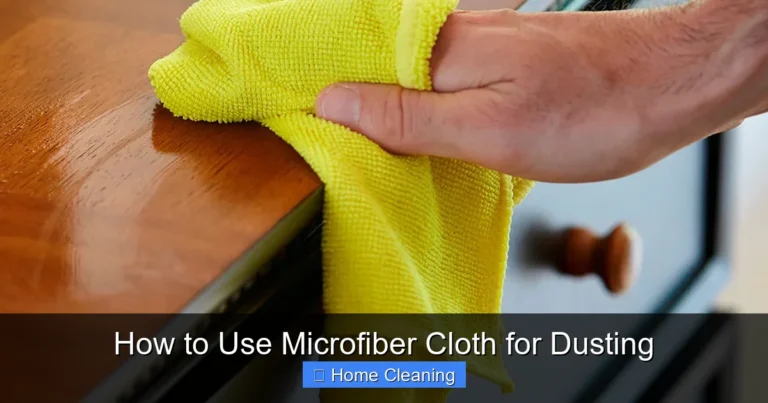
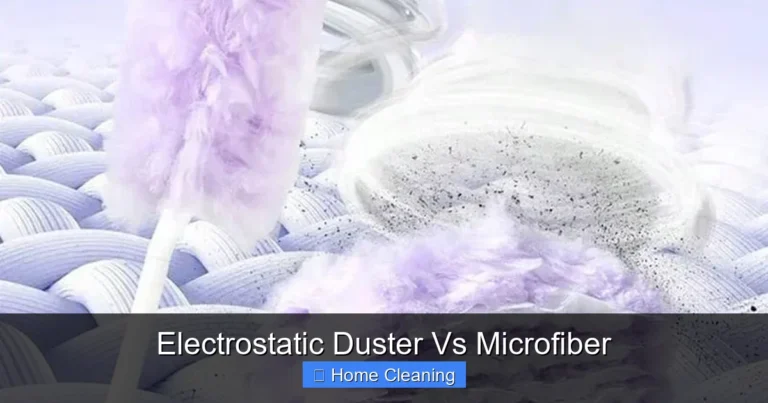
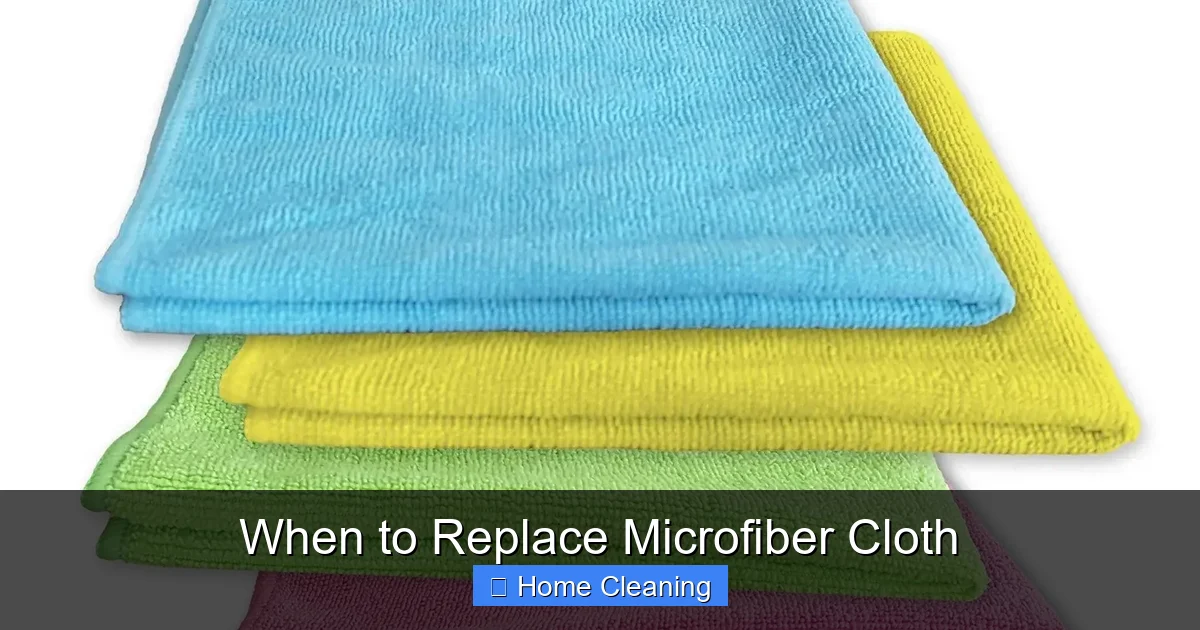
Microfiber is made from ultra-fine synthetic fibers—typically polyester and polyamide—that are split into thousands of tiny filaments. This creates a fabric with a massive surface area, allowing it to trap dust, grease, and moisture more effectively than traditional cloths. The electrostatic charge in microfiber also helps attract and hold particles, making it ideal for dusting, glass cleaning, and wiping spills.
Visual guide about When to Replace Microfiber Cloth
Image source: ppetoronto.com
How Long Do Microfiber Cloths Last?
The average lifespan of a microfiber cloth depends on several factors: quality of the cloth, frequency of use, washing method, and the type of cleaning tasks performed. Most microfiber cloths are designed to last between 50 to 100 wash cycles. After that, the fibers begin to break down, reducing their ability to pick up and hold dirt.
For example, a high-quality microfiber cloth used once a week might last over a year, while a cheaper one used daily in the kitchen may need replacing every few months. The key is not just how many times you’ve washed it, but how well it’s performing when you use it.
Signs It’s Time to Replace Your Microfiber Cloth
Visible Wear and Tear
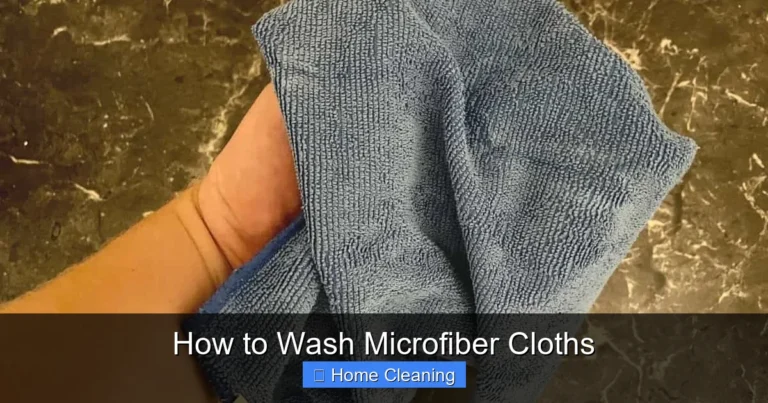
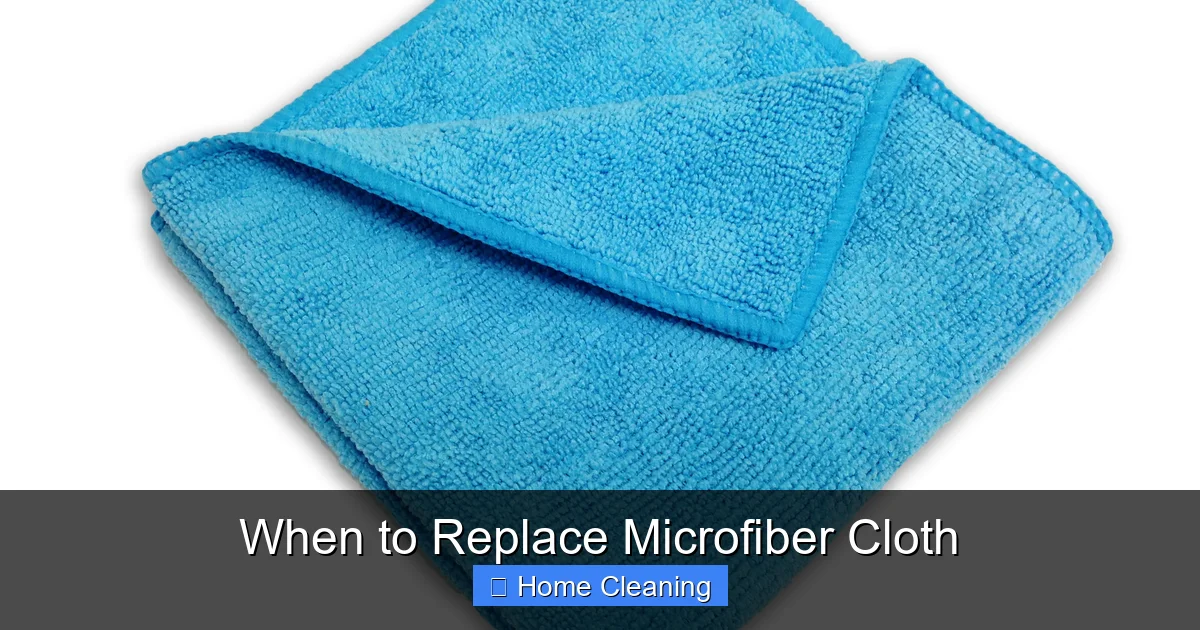
One of the most obvious signs that your microfiber cloth needs replacing is visible damage. Look for frayed edges, thinning fabric, or areas where the fibers have worn away. These weak spots mean the cloth can no longer trap particles effectively and may start to tear during use.
Visual guide about When to Replace Microfiber Cloth
Image source: ecopuresolutions.us
Pro Tip: Hold the cloth up to a light. If you can see through it or notice holes, it’s time to retire it. A worn cloth not only cleans poorly but can also scratch delicate surfaces like glass or electronics.
Loss of Absorbency
Microfiber is known for its superior absorbency, but this property fades over time. If your cloth no longer soaks up spills quickly or feels stiff and rough, it’s likely lost its ability to hold moisture. This is a major red flag—especially for cleaning tasks like wiping counters or cleaning mirrors.
Try the water droplet test: Place a few drops of water on the cloth. If they bead up and roll off instead of being absorbed, the cloth is no longer effective. A well-maintained microfiber cloth should absorb water instantly.
Stains That Won’t Come Out
Microfiber cloths are great at trapping dirt, but if they’re left to sit with stubborn stains—especially from oil, grease, or colored liquids—the fibers can absorb these particles permanently. Even after washing, some stains may remain, indicating the cloth is compromised.
Example: If you use a cloth to clean a coffee spill and it turns brown even after multiple washes, that cloth has likely reached its limit. Continuing to use it could transfer stains to other surfaces.
Unpleasant Odors
Microfiber cloths can trap odors from food, cleaning products, or pet accidents. If you notice a persistent smell that doesn’t go away after washing—even with detergent or vinegar—it’s a sign the cloth has absorbed too much and can no longer be sanitized.
Tip: Always rinse microfiber cloths thoroughly after use and avoid using fabric softeners, which coat fibers and reduce absorbency. If odors linger, it’s better to replace the cloth than risk spreading bacteria.
Reduced Cleaning Performance
This is perhaps the most telling sign. If you find that your cloth is no longer picking up dust, leaving streaks on glass, or failing to clean surfaces effectively, it’s time for a new one. A good microfiber cloth should leave surfaces clean, dry, and streak-free with minimal effort.
Real-life scenario: You’ve been using the same microfiber cloth to clean your bathroom mirrors for months. Now, instead of a clear shine, you see smudges and streaks everywhere. That’s not just laziness—it’s a sign the cloth has lost its cleaning power.
How Often Should You Replace Microfiber Cloths?
General Replacement Schedule
While there’s no one-size-fits-all answer, here’s a practical guide based on usage:
Visual guide about When to Replace Microfiber Cloth
Image source: maximmart.com
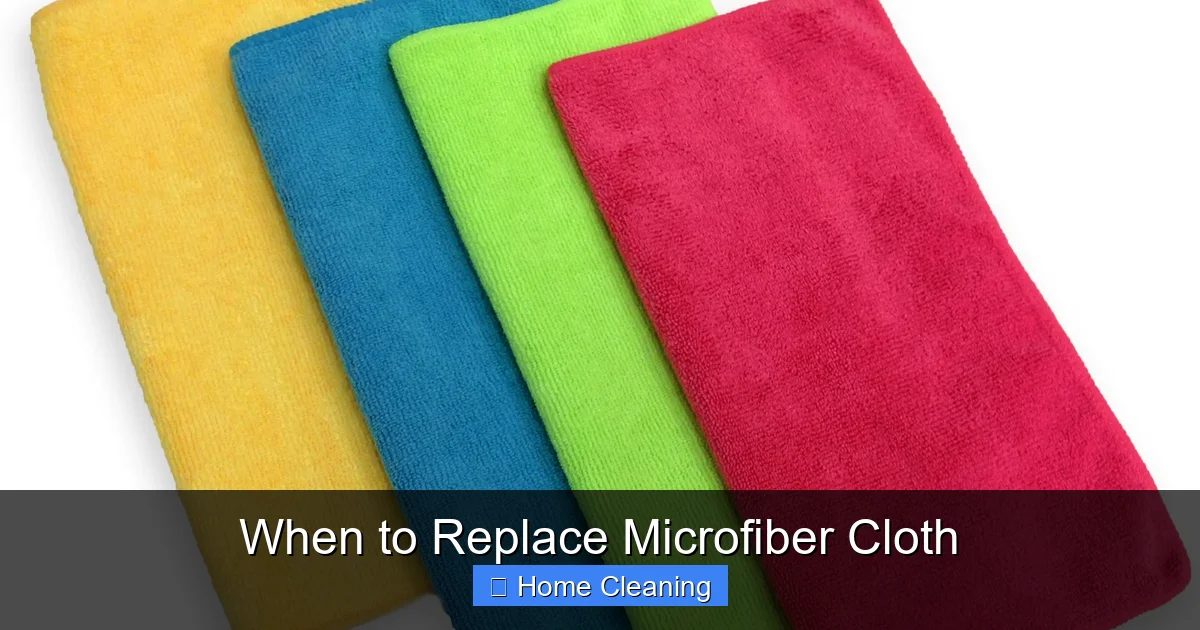
- Daily Use (Kitchen/Bathroom): Replace every 1–3 months
- Weekly Use (Dusting, Glass): Replace every 3–6 months
- Occasional Use (Car, Electronics): Replace every 6–12 months
These timeframes assume proper care, including regular washing without fabric softeners and air-drying to preserve fibers.
High-Use vs. Low-Use Cloths
Cloths used in high-moisture or high-dirt areas—like the kitchen sink or bathroom counter—degrade faster. These areas collect grease, soap scum, and bacteria, which break down microfiber fibers over time. In contrast, a cloth used once a month to clean a TV screen may last much longer.
Smart move: Keep separate cloths for different tasks. Use one for grease, another for dust, and a third for glass. This extends the life of each cloth and improves cleaning results.
Quality Matters
Cheaper microfiber cloths often use lower-quality fibers and binders that wear out faster. Investing in higher-quality cloths may cost more upfront but often lasts longer and performs better. Look for labels indicating “split microfiber” or “dual-layer” construction for durability.
Proper Care to Extend Microfiber Life
Washing Best Practices
To maximize the lifespan of your microfiber cloths, follow these washing guidelines:
- Wash them separately from other laundry to avoid lint transfer
- Use cold or warm water (never hot—it degrades fibers)
- Skip fabric softeners and dryer sheets—they coat fibers and reduce absorbency
- Use a mild detergent; avoid bleach or harsh chemicals
- Air-dry or tumble dry on low heat
Washing microfiber too often or with the wrong products can shorten its life significantly. But proper care can help you get closer to the 100-wash mark.
Drying and Storage
Never wring out microfiber cloths—this can damage the fibers. Instead, gently squeeze out excess water and lay them flat or hang to dry. Store them in a clean, dry place to prevent mold or mildew.
Bonus tip: If you notice a buildup of residue after washing, soak the cloth in a mixture of water and white vinegar (1:1 ratio) before rinsing. This helps restore absorbency.
When to Deep Clean
Every 4–6 weeks, give your microfiber cloths a deep clean to remove embedded dirt and oils. Soak them in a solution of water and dish soap for 15–20 minutes, then rinse thoroughly. This helps maintain performance between replacements.
Environmental and Economic Impact of Replacing Microfiber
Are Microfiber Cloths Eco-Friendly?
Yes, microfiber cloths are generally more sustainable than disposable paper towels. A single microfiber cloth can replace hundreds of paper towels over its lifetime. However, their synthetic nature means they’re not biodegradable. Replacing them too often can lead to unnecessary waste.
Eco-friendly tip: When replacing microfiber cloths, consider buying from brands that offer recycling programs or use recycled materials. Some companies even take back old cloths for proper recycling.
Cost vs. Value
While microfiber cloths may seem expensive compared to cotton towels, their long-term value is undeniable. A high-quality cloth that lasts a year and performs well is far more cost-effective than buying paper towels monthly. Plus, they reduce the need for chemical cleaners, saving money and reducing environmental impact.
Common Myths About Microfiber Cloths
Myth: You Can Wash Microfiber as Much as You Want
False. Most microfiber cloths are designed to last only 50–100 washes. Over-washing accelerates fiber breakdown and reduces effectiveness. Always check the care label and replace when performance drops.
Myth: All Microfiber Cloths Are the Same
Not true. Quality varies widely. Some cloths are made with blended fibers or poor stitching, leading to faster wear. Investing in reputable brands ensures better performance and longevity.
Myth: Fabric Softeners Improve Microfiber
No. Fabric softeners coat microfiber fibers, reducing their ability to absorb and trap particles. They also leave behind residue that attracts dust. Skip the softeners entirely.
Conclusion: Know When It’s Time to Let Go
Knowing when to replace microfiber cloths is essential for maintaining a clean, healthy, and efficient home. Whether it’s due to visible wear, loss of absorbency, or persistent odors, recognizing the signs ensures you’re not just cleaning—you’re truly sanitizing. Replacing cloths when needed prevents the spread of germs, protects your surfaces, and saves you money in the long run.
Remember, a microfiber cloth isn’t just a cleaning tool—it’s a small investment in your home’s hygiene and appearance. By following proper care routines and replacing them at the right time, you’ll enjoy better cleaning results and a more sustainable household. So next time you reach for a cloth that’s seen better days, ask yourself: is it still doing its job? If not, it’s time to replace it.
Frequently Asked Questions
How many times can you use a microfiber cloth before replacing it?
Most microfiber cloths can be used and washed 50 to 100 times before their performance declines. High-use cloths may need replacing sooner, while occasional-use ones may last longer. Always consider wear, absorbency, and cleaning performance.
Can you wash and reuse microfiber cloths indefinitely?
No. Even with proper care, microfiber cloths degrade over time due to fiber breakdown. Continuing to use them after they’ve lost absorbency or cleaning power can spread dirt and bacteria, reducing their effectiveness.
What’s the best way to clean microfiber cloths to extend their life?
Wash microfiber cloths in cold or warm water with a mild detergent, without fabric softeners. Air-dry or tumble dry on low heat. Avoid bleach and harsh chemicals. Deep clean every 4–6 weeks to remove embedded oils and residues.
Can you replace individual sections of a microfiber cloth?
No. Microfiber cloths are not repairable. If one section is worn, the entire cloth should be replaced to maintain consistent cleaning performance and avoid transferring dirt from damaged areas.
Are microfiber cloths safe to use on delicate surfaces?
Yes, but only if the cloth is in good condition. Worn or stiff microfiber can scratch glass or electronics. Always use soft, well-maintained cloths for delicate surfaces like screens, mirrors, and polished wood.
How do I know if my microfiber cloth is still effective?
Test its absorbency by placing water droplets on it. A good microfiber cloth should absorb instantly. If water beads up or the cloth feels rough, or if it leaves streaks or fails to pick up dust, it’s time to replace it.