Where to Keep Money Plant on Office Desk
Placing your money plant correctly on your office desk is more than just decoration—it’s about maximizing its benefits for your well-being and workspace energy. The ideal spot balances light, airflow, and Feng Shui principles, typically in the southeast corner or left side of your desk, away from direct sun and vents. Avoid cluttered areas and choose a pot with drainage. Proper placement enhances air purification, reduces stress, and supports plant health, turning your desk into a thriving, positive-energy zone.
You’ve brought a lush money plant—Epipremnum aureum, or Devil’s Ivy—to your office desk. It’s a fantastic choice. This hardy, air-purifying vine is famous for its ability to thrive in less-than-ideal conditions and its symbolic connection to prosperity. But here’s the thing: where you actually put that pot on your desk makes a world of difference. It’s not just about finding an empty spot. The right placement affects the plant’s health, your stress levels, and even the energy in your workspace. Let’s dive deep into the “where” so your money plant truly earns its keep.
Key Takeaways
- Feng Shui matters: Place the money plant in the southeast corner (wealth area) or left side of your desk to attract prosperity and positive energy flow.
- Light is critical: Bright, indirect light is ideal; avoid direct sunlight which scorches leaves, and low-light corners that cause leggy growth.
- Avoid stressors: Keep away from air vents, drafts, heating sources, and high-traffic zones to prevent temperature shock and physical damage.
- Pot and base matter: Use a pot with drainage holes and a decorative tray or stand to protect your desk surface and manage water.
- Regular care is non-negotiable: Dust leaves weekly, water when the top inch of soil is dry, and rotate the plant for even growth.
- Tech can help: Consider self-watering smart plant pots for consistent moisture, especially if you travel or have a busy schedule.
- Complement your setup: Pair your plant with organizational tools like microfiber cloths for leaf dusting to maintain its health and appearance effortlessly.
📑 Table of Contents
Why Placement Matters on Your Office Desk
Think of your office desk as your personal command center. It’s where you focus, create, and tackle challenges. Introducing a living plant like a money plant changes the dynamics of that space. Its placement isn’t arbitrary; it influences everything from how efficiently you work to how vibrant your plant remains. Getting it wrong can lead to a sad, drooping plant that becomes a visual burden instead of a benefit. Getting it right means you gain a silent partner in wellness and productivity.
Feng Shui and Energy Flow
In Feng Shui, the ancient Chinese art of placement, the money plant is a powerhouse. It’s associated with the wood element and the southeast corner of a space, which governs wealth and abundance. Placing it on your desk, specifically in the southeast quadrant of your desk surface, is believed to activate this “wealth corner.” The plant’s rounded, lush leaves symbolize growth and continuity. Its trailing vines can represent the flow of resources and ideas. Even if you’re not a strict Feng Shui adherent, the principle of intentional placement—putting something meaningful in a spot you see often—can positively frame your mindset. You’re subconsciously reminded of growth and vitality every time you glance at it.
Productivity and Mood Boost
Science backs up the ancient wisdom. Numerous studies show that having a plant on your desk can reduce stress, lower blood pressure, and improve concentration. A money plant, with its calming green foliage, acts as a natural air purifier, removing common office toxins like formaldehyde and benzene from the air. Cleaner air means clearer thinking. Its presence introduces a touch of nature, combating the sterile, synthetic feel of a typical office. This biophilic connection can enhance creativity and problem-solving skills. The key is visibility. You want to see it, interact with it, and benefit from its presence without it becoming a physical obstruction.
Ideal Locations on the Desk
Now for the practical part. Your desk has several “zones.” Let’s map out the prime real estate for your money plant.
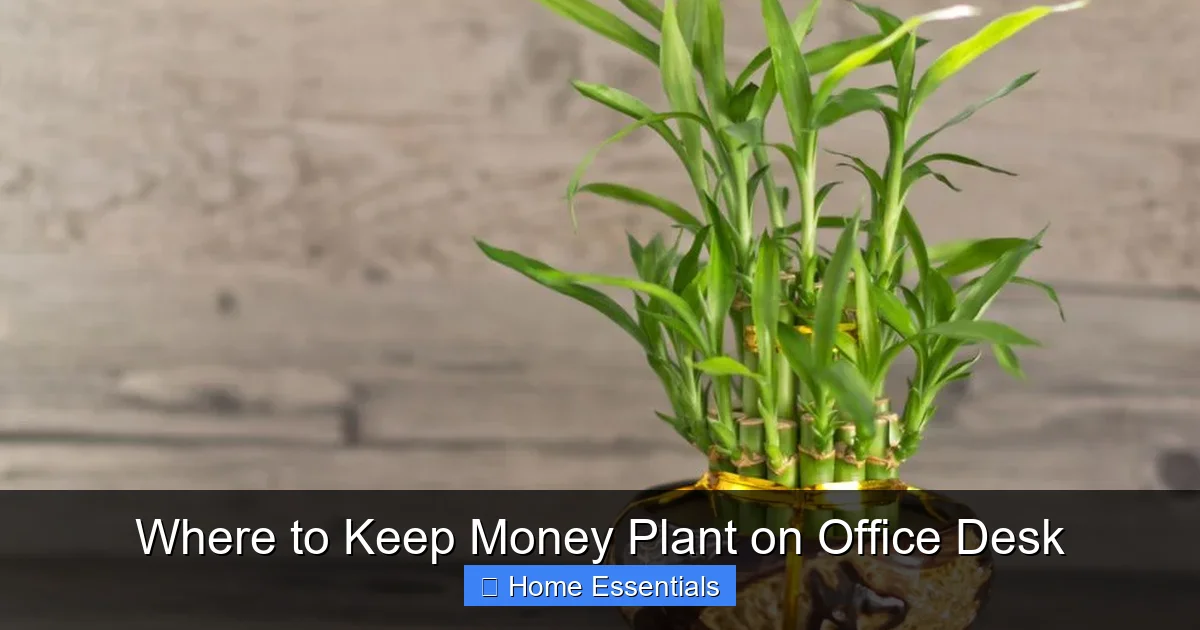
Visual guide about Where to Keep Money Plant on Office Desk
Image source: img.staticmb.com
The Southeast Corner (Wealth Corner)
If you subscribe to Feng Shui, this is the golden spot. From a practical standpoint, the corner of your desk (especially the one farthest from you, often the back right corner if you sit facing the desk) is usually out of the way of your main workflow. It’s a perfect “set it and forget it” location that still gets noticed. The plant won’t be in the way of your keyboard, mouse, or paperwork, but it occupies a space that might otherwise accumulate clutter. By dedicating this corner to a living plant, you’re making a statement about prioritizing growth over storage.
Left Side of the Desk (Receiving Energy)
In Feng Shui, the left side of your desk (from your seated perspective) represents the “receiving” side—where opportunities and support come from. Placing your money plant here is thought to invite good fortune and helpful connections. Practically, the left side is often less trafficked than the center or right side (which many right-handed people use for writing or mouse). It’s a safe spot away from the main action, reducing the risk of knocked-over pots or spilled water on important documents.
Near the Monitor but Not Too Close
This is a strategic location for visibility and plant health. Place the plant on the same side as your non-dominant hand (e.g., right side for a lefty, left side for a righty) and slightly behind your monitor. You want it in your peripheral vision, not directly in your line of sight where it could be distracting. Being near the monitor means it’s likely in a zone with decent ambient light from your screen or office lighting, which is better than a dark corner. Just ensure it’s at least 12-18 inches away to avoid any heat from the monitor and to give you enough room to adjust your chair or stand up without bumping it.
On a Stand or Shelf for Height and Layering
If your desk is crowded, think vertically. A small plant stand, a stack of books (stable and non-valuable), or a desktop shelf unit can elevate your money plant. This does two things: it saves precious desk surface area, and it creates visual interest. A trailing vine cascading from a slightly elevated position looks elegant and dynamic. It also helps the plant get better light if your desk surface is mostly in shadow from your arms or computer tower. Ensure the stand is stable and the pot fits securely so there’s no wobble.
What to Avoid: Common Placement Mistakes
Just as important as where to put it is where not to put it. These are the classic pitfalls that turn a thriving plant into a struggling one.
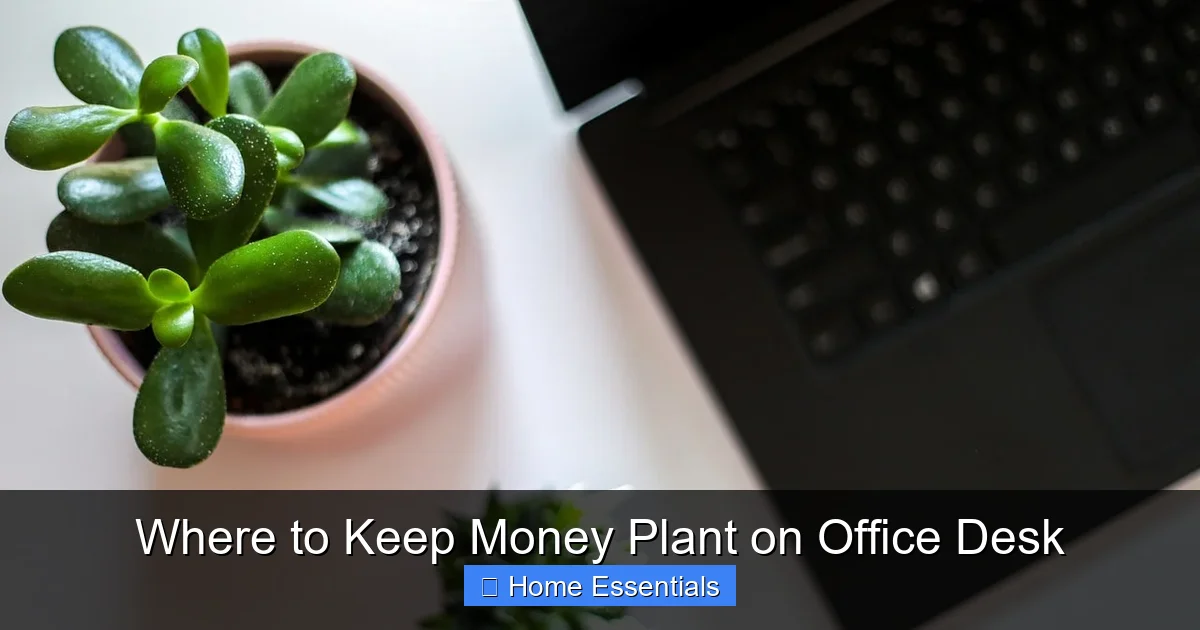
Visual guide about Where to Keep Money Plant on Office Desk
Image source: praveshpatel.com
Direct Sunlight and Heat Sources
Money plants love bright light but hate direct, harsh sun. A windowsill might seem ideal, but if the sun’s rays beat directly on the leaves for hours, they’ll scorch, turning brown and crispy. Similarly, placing the plant right next to a radiator, heating vent, or even the back of your CPU tower exposes it to hot, dry air that dehydrates it rapidly. The leaves will curl and brown at the edges. The fix? Find a spot with bright, filtered light—like behind a sheer curtain or several feet from a sunny window.
High-Traffic or Cluttered Areas
The corner of your desk that you constantly reach across to grab a pen or file? Not the spot for your plant. Every time you sweep your arm across, you risk snapping vines or knocking over the pot. Likewise, if the plant is sitting in a pile of papers, folders, or snack wrappers, it’s in a cluttered zone. Clutter blocks airflow, traps dust on the leaves, and creates a visually stressful environment. The plant should be in a clean, dedicated space, not competing with office detritus.
Near Air Vents or Drafts
Office HVAC systems can be brutal on plants. A constant blast of cold air from an AC vent or a hot draft from a heating vent will shock the plant’s system. It leads to uneven watering (soil dries out too fast), leaf drop, and general stress. Feel the air currents in your office. Place your money plant away from direct airflow paths. A spot that’s still but has good circulation is best.
Complementary Items to Enhance Your Desk Plant
The right accessories make placement easier and care simpler. They also integrate the plant seamlessly into your desk aesthetic.

Visual guide about Where to Keep Money Plant on Office Desk
Image source: i.pinimg.com
Choosing the Right Pot
This is foundational. Always, always use a pot with drainage holes. A decorative cachepot (a pot without holes) is fine only if you place a plastic nursery pot with holes inside it. Waterlogged soil kills money plants via root rot. The pot material matters too. Terracotta is porous and helps soil dry evenly, but it can be heavy. Plastic or glazed ceramic retains moisture longer, which is good if you tend to underwater. Size-wise, the pot should be only 1-2 inches wider in diameter than the current root ball. Too big a pot holds excess moisture.
Using a Decorative Tray or Stand
A small saucer or a decorative tray under the pot is non-negotiable for desk protection. It catches any overflow when you water. For a more polished look, consider a plant stand. It raises the pot, improving drainage and air circulation around the roots. It also creates a defined “home” for the plant on your desk, making it look intentional rather than an afterthought. Wooden, marble, or metal stands can match your desk decor.
Incorporating Tech: Smart Plant Pots
For the busy professional or frequent traveler, technology offers a brilliant solution. Self-watering smart plant pots have built-in reservoirs and wicking systems that deliver water to the roots as needed, sometimes for weeks. Some even connect to apps to monitor soil moisture and light levels. If your desk location gets inconsistent natural light or you’re away from the office often, one of these self-watering smart plant pots can be a game-changer, ensuring your money plant stays hydrated without daily checks. It’s the ultimate set-and-forget desk companion.
Care Tips for Your Office Desk Money Plant
Placement sets the stage, but consistent care keeps the performance going. Desk plants have unique challenges.
Watering Schedule for Low-Light Desks
Office lighting is often dimmer than a home setting. This means your money plant’s soil will dry out slower. The golden rule: always check the soil before watering. Stick your finger about an inch deep. If it feels dry, water thoroughly until water runs out the drainage holes. If it’s still moist, wait. In a typical office with average light, this might mean watering only once every 2-3 weeks. Never follow a rigid weekly schedule. Overwatering is the number one killer of office desk plants.
Dusting and Cleaning Leaves
Dust settles quickly on indoor plants, especially in an office. A layer of dust blocks light absorption and clogs the plant’s pores. Every two weeks, gently wipe each leaf with a soft, damp microfiber cloth. For a deeper clean, you can use a mixture of water and a tiny drop of mild dish soap, applied to the cloth—never directly on the leaves. This simple act keeps the leaves glossy and maximally efficient at photosynthesis. Use a separate microfiber cloth dedicated to plant dusting to avoid transferring any office grime or chemicals.
Fertilizing and Repotting
Money plants are light feeders. During the growing season (spring and summer), fertilize sparingly—once a month with a balanced, diluted liquid fertilizer. In fall and winter, stop fertilizing entirely. Repotting is needed only when the roots become crowded and start circling the pot or growing out the drainage holes, typically every 1-2 years. Do this in spring. Choose a pot only slightly larger and refresh the potting mix. For a desk plant, you want to keep it compact and manageable, so don’t jump to a huge pot unnecessarily.
Common Mistakes and How to Fix Them
Even with the best placement, issues can arise. Here’s how to diagnose and treat common problems.
Yellowing Leaves: Overwatering or Light Issues
Yellow leaves are the most common complaint. If the leaves are yellow and mushy, with soil that’s constantly wet, it’s almost certainly overwatering. Let the soil dry out completely and adjust your watering schedule. If the yellow leaves are dry and crispy, or if the plant is also exhibiting leggy growth (long, sparse vines with few leaves), it’s likely a light issue. The plant isn’t getting enough photosynthesizable light. Move it to a brighter spot, or consider supplementing with a smart bulb providing consistent, low-intensity light for 8-10 hours a day.
Leggy Growth: Not Enough Light
Money plants will stretch dramatically toward a light source, resulting in long stems with widely spaced leaves. This is a cry for more light. First, rotate the plant regularly so all sides get light. Second, if moving to a brighter location isn’t possible, use a small desktop grow light. These are often clip-on or USB-powered and can be positioned to give the plant a few extra hours of effective light daily. Prune back the leggy stems to encourage bushier growth from the nodes below.
Pests: Prevention and Treatment
Office plants can still get pests like spider mites, mealybugs, or aphids, especially if other plants are nearby. Inspect your money plant weekly. Look for tiny webs, white cottony spots, or small moving insects. Isolate the plant immediately if you see pests. Treat with neem oil spray or insecticidal soap, thoroughly coating the leaves, stems, and soil surface. Repeat weekly for 3-4 weeks. Prevention is key: keep the plant healthy (proper light/water), dust the leaves regularly, and avoid over-fertilizing, which produces tender new growth that pests love.
Your office desk is more than a workstation; it’s a personal ecosystem. By thoughtfully placing your money plant—in the southeast corner, on the left side, or on a small stand—and avoiding hazards like vents and direct sun, you create a symbiotic relationship. The plant purifies your air and soothes your mind, while you provide it with a stable, light-filled home. Pair it with a pot that has drainage, a tray to catch drips, and maybe even a smart self-watering system for ultimate peace of mind. Dust its leaves with a soft cloth, water only when needed, and watch it thrive. In return, it will be a daily, green reminder of growth, resilience, and the quiet abundance that flourishes when we tend to the small things. That’s the true power of knowing where to keep a money plant on your office desk.
Frequently Asked Questions
Can I keep a money plant on my office desk if there’s no natural light?
Yes, money plants tolerate low light, but growth will be slow and leaves may lose their variegation. For best results, use a small grow light or a smart bulb on a timer to provide 6-8 hours of artificial light daily. Without supplemental light, the plant will survive but not thrive.
How often should I water my office desk money plant?
Water only when the top inch of soil is dry. In a typical office with average light, this is usually every 2-3 weeks. Always check the soil with your finger rather than following a fixed schedule. Ensure excess water drains out completely to prevent root rot.
Is the money plant toxic? I have pets at home that might visit the office.
Yes, money plants are toxic to cats, dogs, and horses if ingested due to calcium oxalate crystals. They can cause oral irritation, vomiting, and difficulty swallowing. If pets have access to your office, place the plant out of reach on a high shelf or choose a pet-safe alternative like a spider plant.
What’s the best pot material for a money plant on a desk?
A pot with drainage holes is essential. Terracotta is excellent as it’s porous and helps soil dry evenly, preventing overwatering. Plastic or glazed ceramic pots retain moisture longer, which is useful if you tend to forget watering. Choose a size 1-2 inches larger than the current root ball to avoid excess soil that holds water.
My money plant’s leaves are turning brown and crispy. What’s wrong?
Brown, crispy leaf tips are usually caused by low humidity or underwatering. Office air is often dry. Mist the plant lightly a few times a week or place it on a pebble tray with water to increase humidity. Also, check if you’re watering enough—the soil shouldn’t dry out completely for extended periods.
Should I prune my money plant on my office desk?
Yes, occasional pruning encourages bushier growth and prevents legginess. Use clean scissors to cut back long vines just above a leaf node. You can propagate the cuttings in water to create new plants for your office or home. Pruning also helps maintain a compact, desk-friendly shape.