Which Plant Is Good for Desk
Choosing the right plant for your desk can transform your workspace. The ideal desk plant thrives in indoor conditions, requires minimal care, and fits your available space and light. Options like the resilient Snake Plant, air-purifying ZZ Plant, and blooming Peace Lily are top contenders for beginners and busy professionals. Ultimately, the best plant is one that matches your specific environment and lifestyle, bringing a touch of nature to enhance your daily focus and well-being.
Key Takeaways
- Light is the primary factor: Assess your desk’s light conditions (low, medium, bright) before choosing a plant; match it to a plant’s needs.
- Low-maintenance is key: For most desks, prioritize plants that are forgiving of occasional neglect, like underwatering.
- Size and space matter: Consider the mature size of the plant and ensure your desk can accommodate it without clutter.
- Air-purifying benefits are real: Many desk plants, like the Snake Plant and Peace Lily, can help improve indoor air quality.
- Pet and child safety: If you have pets or young children, research plant toxicity; opt for non-toxic varieties like the Spider Plant.
- Dusting is part of care: Regularly wipe leaves with a damp cloth or a proper microfiber duster to keep pores clear for optimal health.
- Your plant is a productivity tool: A well-chosen desk plant can reduce stress, boost creativity, and make your workspace more enjoyable.
📑 Table of Contents
- Why Your Desk Deserves a Plant: More Than Just Decor
- The Golden Rules: Choosing the Right Plant for Your Desk
- The All-Star Desk Plant Roster: Top Picks for Your Workspace
- Caring for Your Desk Plant: Simple, Essential Tips
- Common Desk Plant Mistakes (And How to Fix Them)
- Styling Your Desk: Making Your Plant Part of the Workspace
Why Your Desk Deserves a Plant: More Than Just Decor
You sit at your desk for hours. It’s where ideas are born, tasks are conquered, and sometimes, where frustration bubbles. What if you could soften that space? What if you could introduce a living, breathing element that quietly works for you? That’s the power of a desk plant. It’s not just a trendy accessory; it’s a functional piece of your productivity toolkit.
Studies have shown that introducing plants into a workspace can lower stress, improve concentration, and even boost creativity. The simple act of caring for something else provides a mindful pause. The color green is psychologically calming. But beyond the feels, plants are natural air filters. They absorb carbon dioxide and release oxygen, and some are particularly adept at filtering common volatile organic compounds (VOCs) found in office furniture and cleaning supplies. In a sealed office environment, that can make a subtle but meaningful difference in air quality.
So, how do you choose? Not all plants are created equal for the desk environment. Some crave constant sun and a regimented watering schedule—a nightmare for anyone who travels or gets absorbed in a project. The perfect desk plant is a resilient partner. It tolerates the occasional missed watering, adapts to artificial light, and doesn’t demand to be repotted every few months. It’s the zen master of the plant world, bringing calm without chaos.
The Golden Rules: Choosing the Right Plant for Your Desk
Before we dive into specific recommendations, you need to play detective. Your desk is a unique microclimate. Understanding its conditions is the first and most important step to finding a plant that will thrive, not just survive.
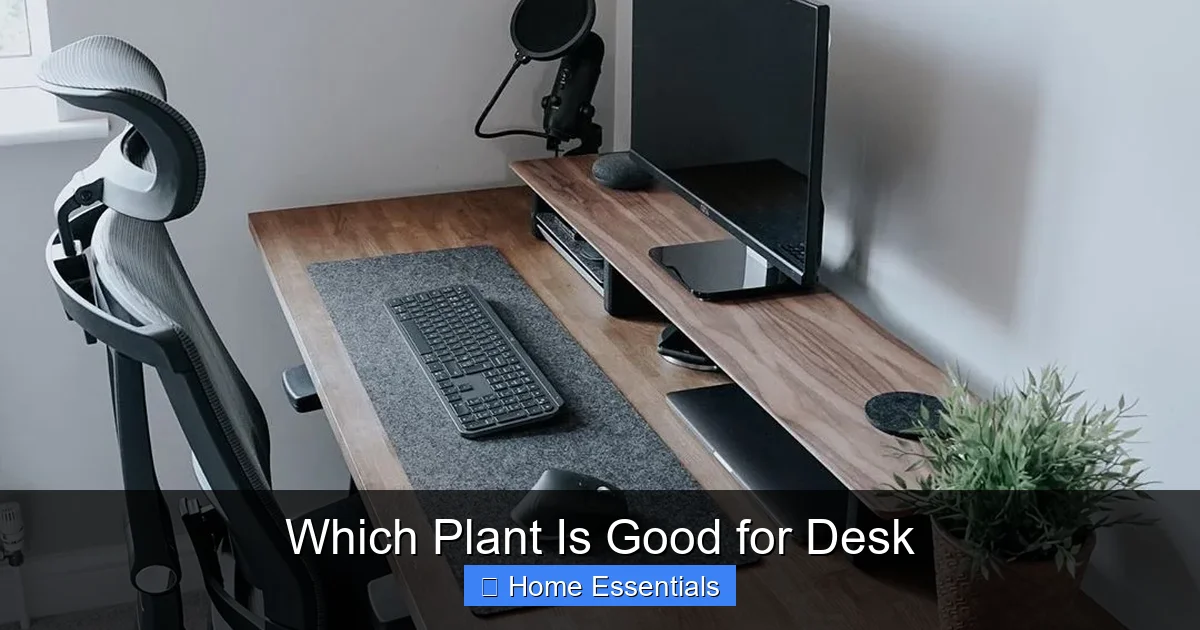
Visual guide about Which Plant Is Good for Desk
Image source: minimaldesksetups.com
1. The Light Audit: What Kind of Sun Does Your Desk Get?
Light is everything. It’s the food for your plant. Be brutally honest about your desk’s light source.
- Low Light: This means no direct sunlight. A spot several feet from a north-facing window, or a room with small windows. Think interior offices or desks against a wall with no windows nearby. Many “low-light” plants actually prefer medium light but can tolerate low light; they’ll just grow slower.
- Medium/Indirect Light: The most common and ideal category. This is a spot where the plant receives bright, filtered light, or direct sun for only a few hours a day (e.g., an east-facing window, or a few feet from a south/west window with sheer curtains). Most of our top picks fall here.
- Bright/Direct Light: A south or west-facing window where the sun’s rays hit the plant for several hours. Few desk plants want this unless you have a very sunny spot and a plant that loves it (like a succulent). Be cautious, as direct sun can scorch leaves on a hot window sill.
Pro Tip: If you have no natural light, you’ll need a dedicated grow light. While some plants tolerate low light, no plant thrives in total darkness forever.
2. Space and Size: Measuring Your Real Estate
Look at your desk. How much surface area is truly available? A sprawling plant on a cluttered desk is a recipe for disaster (spilled coffee on soil, anyone?). Consider the plant’s mature height and spread. A tiny succulent in a 4-inch pot today might stay that size. A small Snake Plant in a 6-inch pot can eventually send up 2-3 foot tall leaves. Plan for its future. Also, think about the pot’s footprint. A wide, shallow pot might be better for a desk than a tall, narrow one that could easily tip.
3. Your Lifestyle: The Honest Watering Schedule
Are you the “set-it-and-forget-it” type? Or do you enjoy a daily routine? Be realistic. The classic killer of desk plants is overwatering, often from a well-meaning but overly enthusiastic caretaker. Plants that prefer to dry out completely between waterings (like Snake Plants, ZZ Plants, and most succulents) are the most forgiving for forgetful owners. Plants that like consistently moist soil (like Ferns and Calatheas) are high-maintenance and prone to root rot if you overdo it. For a desk, err on the side of drought-tolerant.
4. Safety First: Pets and Children
This is non-negotiable if you have cats, dogs, or curious toddlers. Many common houseplants are toxic if ingested. The ASPCA website is an excellent resource. For pet-friendly desks, look to Spider Plants, Boston Ferns (though they need more humidity), African Violets, and many palms. Always double-check before bringing a plant into a shared space with animals.
The All-Star Desk Plant Roster: Top Picks for Your Workspace
Now for the fun part. Here are the champions, the plants that consistently prove themselves as desk warriors. They are categorized by their superstar trait.
Visual guide about Which Plant Is Good for Desk
Image source: thespruce.com
The Indestructible Hero: Snake Plant (Sansevieria)
If you could only buy one desk plant, make it a Snake Plant. It is the undisputed king of low-light tolerance and drought resistance. Its upright, Architectural leaves (often variegated with shades of green, yellow, or silver) shoot straight up, taking up minimal desk space. It’s a phenomenal air purifier, especially at night. Water only when the soil is completely dry—this could be every 3-6 weeks depending on your environment. It’s nearly impossible to kill with kindness (underwatering) but very easy to kill with love (overwatering). Perfect for the forgetful, the busy, or the new plant parent.
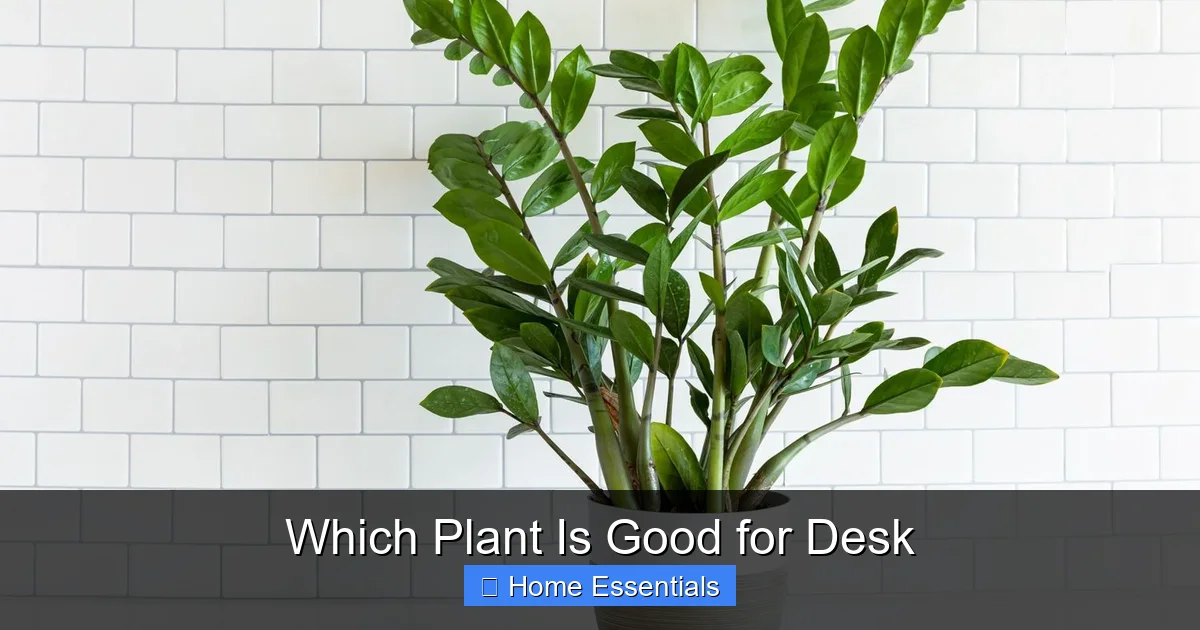
The Glossy Low-Maintenance Beauty: ZZ Plant (Zamioculcas zamiifolia)
The ZZ Plant is another titan of resilience. It boasts incredibly glossy, dark green leaflets on graceful, arching stems. It thrives in low to medium indirect light and stores water in its potato-like rhizomes, making it extremely drought-tolerant. Like the Snake Plant, the #1 rule is to let it dry out completely between waterings. It grows slowly but steadily. Its only weakness is root rot from soggy soil. It’s a lush, elegant presence that asks for almost nothing in return.
The Air-Purifying Powerhouse: Peace Lily (Spathiphyllum)
Want a plant that literally tells you when it’s thirsty? The Peace Lily is your dramatic, communicative friend. Its deep green, glossy leaves are beautiful, but its star feature is the elegant white “flower” (a modified leaf called a spathe). When it’s thirsty, the entire plant dramatically droops. Give it water, and within hours, it perks back up. It’s a great motivator! It prefers medium, indirect light and consistently moist (but not soggy) soil. It’s also a top performer on NASA’s air-purifying list. Note: It’s toxic to pets if ingested, so keep it out of reach.
The Trailing Accent: Pothos (Epipremnum aureum)
For a desk with a shelf, a filing cabinet, or a spot to let vines cascade, Pothos is the ultimate. It comes in many varieties—Golden Pothos (yellow variegation), Marble Queen (white and green), and Neon Pothos (bright lime green). It grows vigorously in medium indirect light and is very forgiving. You can water when the top inch of soil is dry. It’s also incredibly easy to propagate—snip a stem with a node, put it in water, and you have a new plant. It’s a great way to share a piece of your desk with a colleague.
The Pet-Friendly & Textural Choice: Spider Plant (Chlorophytum comosum)
The classic Spider Plant is a non-toxic, easygoing superstar. Its long, narrow, arching leaves are often variegated with white stripes. It produces adorable “babies” or plantlets on the ends of long stems, which you can snip off and pot to make new plants. It prefers medium indirect light but can tolerate lower light. It likes to dry out between waterings. Its grass-like texture adds a different visual element to a desk dominated by broad-leaf plants. It’s completely safe for cats and dogs.
Caring for Your Desk Plant: Simple, Essential Tips
You’ve chosen your plant. Now, keep it alive and thriving with these fundamental care practices that fit seamlessly into your routine.

Visual guide about Which Plant Is Good for Desk
Image source: arzopa.com
Watering: The #1 Killer (and How to Avoid It)
Forget a calendar. The best watering method is the “finger test.” Stick your index finger into the soil up to your first knuckle.
- If the soil feels dry, it’s time to water.
- If it feels cool and moist, wait.
- For Snake Plants, ZZ Plants, and succulents, wait until the soil is completely dry throughout the pot.
- For Peace Lilies and Ferns, water when the top inch is dry.
When you do water, do it thoroughly. Water until it runs out the drainage hole at the bottom of the pot. Then, empty the saucer after 30 minutes. Never let the pot sit in water; this is a fast track to root rot. Use room-temperature water to avoid shocking the roots.
Feeding: A Light Snack During Growing Season
Plants in pots rely on you for nutrients. Use a balanced, water-soluble houseplant fertilizer (e.g., 10-10-10). Dilute it to half the recommended strength. Feed only during the spring and summer months (the active growing season), every 4-6 weeks. In the fall and winter, when growth slows, stop feeding. Over-fertilizing is more dangerous than under-fertilizing; it can burn roots and cause salt buildup.
Cleaning: Let Those Leaves Breathe
Dust is a silent killer. It coats leaves, blocking their pores (stomata) and reducing their ability to photosynthesize. Once a month, gently wipe each leaf with a damp, soft cloth. For plants with many small leaves (like a Spider Plant), you can use a soft-bristled paintbrush. For larger, glossy leaves (ZZ Plant, Peace Lily), a microfiber cloth is perfect because it’s gentle and highly absorbent. You can find excellent guides on how to use a microfiber cloth for dusting to ensure you’re doing it right without damaging delicate foliage. This simple 5-minute task makes a huge difference in your plant’s health and appearance.
Potting: Know When to Move Up
Plants get root-bound. You’ll know it’s time when roots start poking out of the drainage hole, or when water runs straight through the pot without being absorbed (meaning there are too many roots to hold moisture). Repot in the spring into a pot that is only 1-2 inches wider in diameter than the current one. Too big a pot holds too much soil, which stays wet and causes rot. Use a fresh, well-draining potting mix (not garden soil). For most desk plants, a standard indoor potting mix is fine. For extra drainage in succulents and Snake Plants, mix in 30% perlite or pumice.
Common Desk Plant Mistakes (And How to Fix Them)
Even with the best intentions, things can go wrong. Here’s how to diagnose and treat the most common issues.
Yellowing Leaves
Likely Cause: Overwatering is the prime suspect. Check the soil. If it’s soggy, you’ve watered too much or too frequently. Less commonly, it can be from underwatering (leaves turn yellow and crispy) or lack of nutrients. Fix: Immediately stop watering. Let the soil dry out completely. For severe cases, gently remove the plant, shake off wet soil, and let the roots air-dry for a few hours before repotting in fresh, dry mix. Cut off any mushy, black roots with sterile scissors.
Brown, Crispy Leaf Tips
Likely Cause: This is almost always low humidity. Indoor heating and air conditioning create dry air. Plants like Peace Lilies, Calatheas, and Ferns are particularly sensitive. Fix: Increase humidity. Group plants together. Use a pebble tray (a shallow dish with pebbles and water, pot sits on top). A small room humidifier is the most effective solution. Also, ensure you’re not using softened water, which can contain salts that burn tips; use filtered or rainwater if possible.
Leggy, Stretchy Growth
Likely Cause: The plant is reaching for light. It’s etiolating. Fix: Move the plant to a brighter location with more indirect light. If the stretch is already significant, you can prune the leggy part and propagate it (like with Pothos) to create a new, bushier plant. Rotate your plant a quarter turn with each watering to ensure even growth.
Pests: The Unwanted Guests
Mealybugs (little white cottony fluffs) and spider mites (tiny moving dots, fine webbing) are the most common. Fix: Isolate the infested plant immediately. For mealybugs, dab them with a cotton swab dipped in rubbing alcohol. For spider mites, spray the plant thoroughly with water or a mild insecticidal soap/neem oil solution, covering the undersides of leaves. Repeat weekly until gone. Keep a close eye on nearby plants.
Styling Your Desk: Making Your Plant Part of the Workspace
Your plant shouldn’t be an afterthought; it should be an integrated part of your desk aesthetic.
- Pot Choice is Everything: Ditch the plastic nursery pot. Choose a pot with drainage that matches your desk style—a clean white ceramic for a minimalist look, a rustic terracotta for warmth, or a woven basket (with a plastic liner inside) for a boho vibe. The pot is your plant’s permanent home, so pick one you love.
- Create a Mini-Jungle Corner: If space allows, group 2-3 plants of varying heights and textures together. Place a trailing Pothos on a small stack of books, a Snake Plant in the back, and a ZZ Plant to the side. This creates a lush, dynamic vignette.
- Accessorize: Add a small decorative tray under the pot to catch water. Place a pretty watering can or mister nearby as a functional decor piece. A small, meaningful figurine nestled among the leaves can personalize the space.
- Think Beyond the Main Desk: If your main desk is too crowded, utilize nearby shelves, a filing cabinet top, or a windowsill within arm’s reach. The goal is visual connection, not necessarily that the plant sits on your keyboard tray.
Frequently Asked Questions
What is the absolute easiest plant for a desk with no windows?
The Snake Plant is your best bet. It tolerates very low light conditions remarkably well and only needs water every few weeks. A ZZ Plant is another excellent, nearly indestructible choice for a dark desk corner.
Can I put any plant on my desk if I have a cat?
No. Many common desk plants like Peace Lily, Pothos, and Snake Plant are toxic to cats if chewed. Always choose pet-safe plants like Spider Plant, Boston Fern, or African Violet. The ASPCA website provides a complete list of toxic and non-toxic plants for reference.
How often should I really water my desk plant?
There is no set schedule. Always check the soil moisture first. For most low-maintenance desk plants, water only when the top 1-2 inches of soil are dry. In winter, you’ll water much less frequently than in summer. When in doubt, wait another few days.
My desk plant’s leaves are getting dusty. What’s the best way to clean them?
Gently wipe each leaf with a soft, damp microfiber cloth. Microfiber is ideal because it’s soft, highly absorbent, and won’t leave lint. For plants with many small leaves, a soft paintbrush works well. Avoid using leaf shine products, as they can block the leaf’s pores.
Should I use a saucer under my desk plant pot?
Yes, always use a saucer or cachepot (a decorative pot without a hole) to protect your desk surface from water damage. However, never let the plant sit in standing water. After watering, empty the saucer after 20-30 minutes.
My desk plant is growing too tall and leaning. What should I do?
It’s reaching for light. Rotate the pot a quarter turn each time you water to encourage even growth. If the stretch is severe, move the plant to a brighter location. You can also prune the top of a leggy stem (like on a Pothos) to encourage bushier growth from lower nodes, and propagate the cutting in water to make a new plant.