Which Plant Is Good for Office Desk
Bringing a plant to your office desk is a simple, powerful way to transform your workspace. The right plant can purify the air you breathe, reduce stress, and sharpen your focus. But not all plants thrive in office conditions with limited light and irregular care. This guide cuts through the noise to recommend the absolute best, most resilient plants for your desk, along with simple care tips to keep them thriving. Forget a dull cubicle; learn how to create a productive, personalized sanctuary with just one potted friend.
Staring at a blank monitor, surrounded by beige walls and fluorescent lights? Your office desk can feel like a sensory deprivation chamber. But what if the solution to a stale, stressful workspace was as simple as adding a single living thing? Introducing a plant to your office desk isn’t just a decor trend; it’s a productivity hack, a wellness tool, and a tiny act of rebellion against the mundane. However, the key to success lies in choosing the right plant. An ill-suited orchid or a water-hungry fern will quickly become a brown, guilt-inducing monument to neglect. This guide is your definitive roadmap to selecting, caring for, and thriving with the perfect office desk plant. We’ll explore the champions of the cubicle, the science behind their benefits, and exactly how to keep them green and growing, no green thumb required.
Key Takeaways
- Prioritize low-light tolerance: Office environments often lack strong, direct sunlight. Choose plants like the ZZ Plant or Snake Plant that thrive in dimmer, indirect light conditions.
- Embrace drought-resistant varieties: Forgetting to water is a common office plant killer. Succulents like Jade Plants or the cast-iron Cast Iron Plant can survive infrequent watering.
- Consider size and space: Your desk has limited room. Opt for compact, slow-growing plants that won’t quickly outgrow their space and become cumbersome.
- Air-purifying power is real: Plants like Peace Lilies and Spider Plants are scientifically proven to remove common volatile organic compounds (VOCs) from indoor air, improving your immediate environment.
- Choose non-toxic for safety: If you work in a shared space or have pets at home that might visit, verify a plant’s toxicity. Options like the Boston Fern or Spider Plant are generally safe.
- Easy care equals success: Your goal is a plant that enhances your life, not adds stress. Stick to varieties known for being forgiving and requiring minimal, simple maintenance routines.
- Aesthetics matter for morale: Pick a plant whose shape, color, and texture you genuinely enjoy looking at. A plant you love will encourage you to care for it.
📑 Table of Contents
- Why Your Desk Deserves a Plant: More Than Just Decor
- Top 6 Office Desk Plant Champions (The No-Fail List)
- Essential Care Guide: Keeping Your Desk Plant Alive and Thriving
- Beyond the Basics: Advanced Tips for Plant Success
- Styling Your Desk: Aesthetics and Practicality
- Troubleshooting Common Office Plant Problems
- Conclusion: Grow Your Workspace Wellness
Why Your Desk Deserves a Plant: More Than Just Decor
Before we dive into specific species, let’s talk about the “why.” Bringing a plant to your workspace is backed by solid science and palpable personal experience. It’s one of the easiest ways to enhance your 9-to-5 life.
The Science of Serenity and Focus
Studies in environmental psychology have repeatedly shown that interacting with plants can lower blood pressure, reduce feelings of anxiety, and improve overall mood. The color green is inherently calming to the human eye, and the subtle, natural forms of plants provide a gentle visual break from the harsh lines of technology and paperwork. This mental breather, known as “attention restoration theory,” allows your focused cognitive resources to replenish. In practical terms, having a plant on your desk can mean fewer afternoon slumps and a greater ability to concentrate on complex tasks.
Breathe Easier: Natural Air Purification
Indoor air quality can be shockingly poor, filled with volatile organic compounds (VOCs) from furniture, cleaning supplies, and electronics. Plants are nature’s air filters. Through the process of photosynthesis and the action of microbes in their soil, they absorb toxins like formaldehyde, benzene, and trichloroethylene. While a single plant won’t purify an entire open-plan office, having one directly on your desk creates a microclimate of cleaner air right at your breathing space. The classic NASA Clean Air Study highlighted several top performers in this role.
A Living Touch in a Digital World
Our jobs are increasingly screen-bound. Tending to a living thing—giving it a sip of water, wiping a leaf—creates a tangible, sensory connection to the natural world. This small ritual grounds you in the present moment and provides a satisfying, non-digital task. It personalizes a sterile, assigned workspace, making it feel more like *yours*.
Top 6 Office Desk Plant Champions (The No-Fail List)
Forget the fussy, high-maintenance varieties. The best office plants are the ones that forgive your absence, tolerate low light, and look good doing it. Here are the top contenders, ranked for their sheer resilience and desk-friendly appeal.
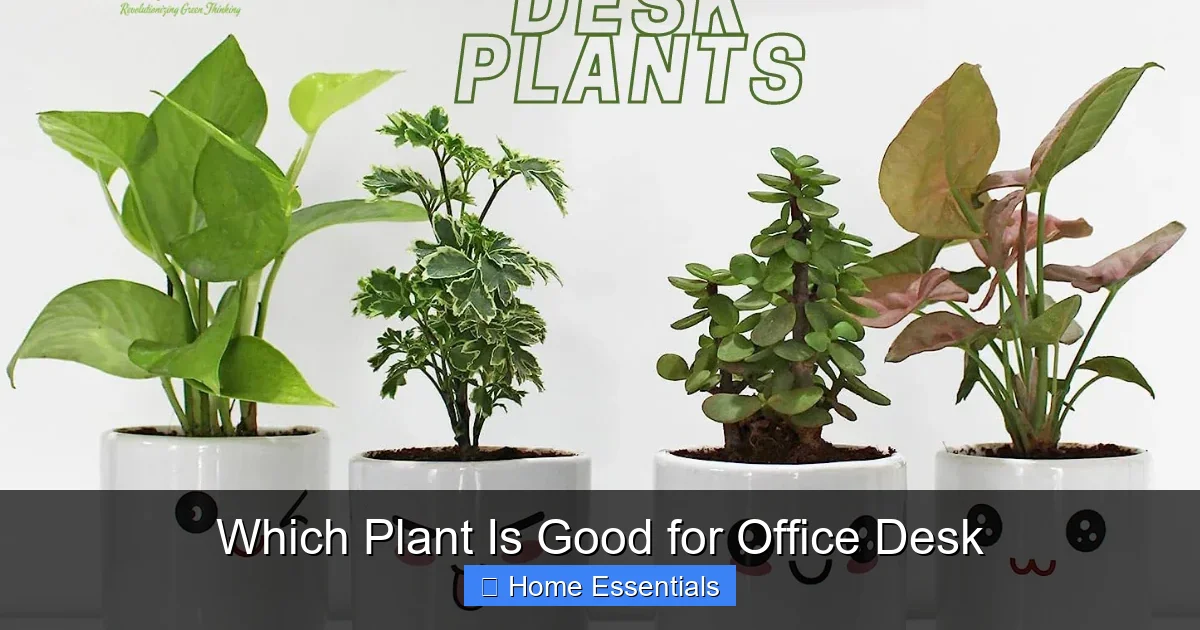
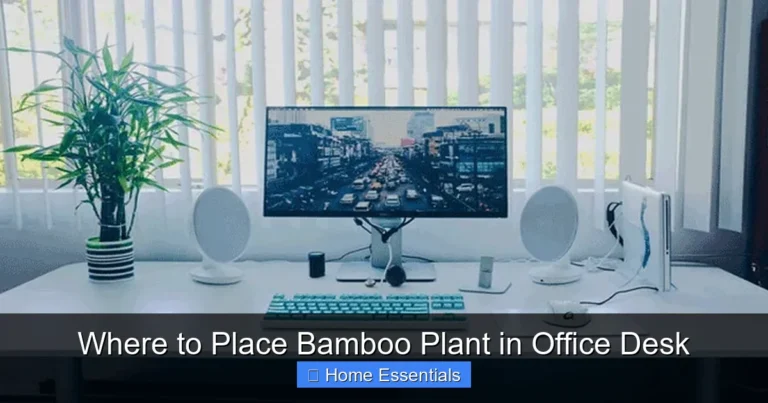
Visual guide about Which Plant Is Good for Office Desk
Image source: rollingnature.com
1. The Un-killable ZZ Plant (Zamioculcas zamiifolia)
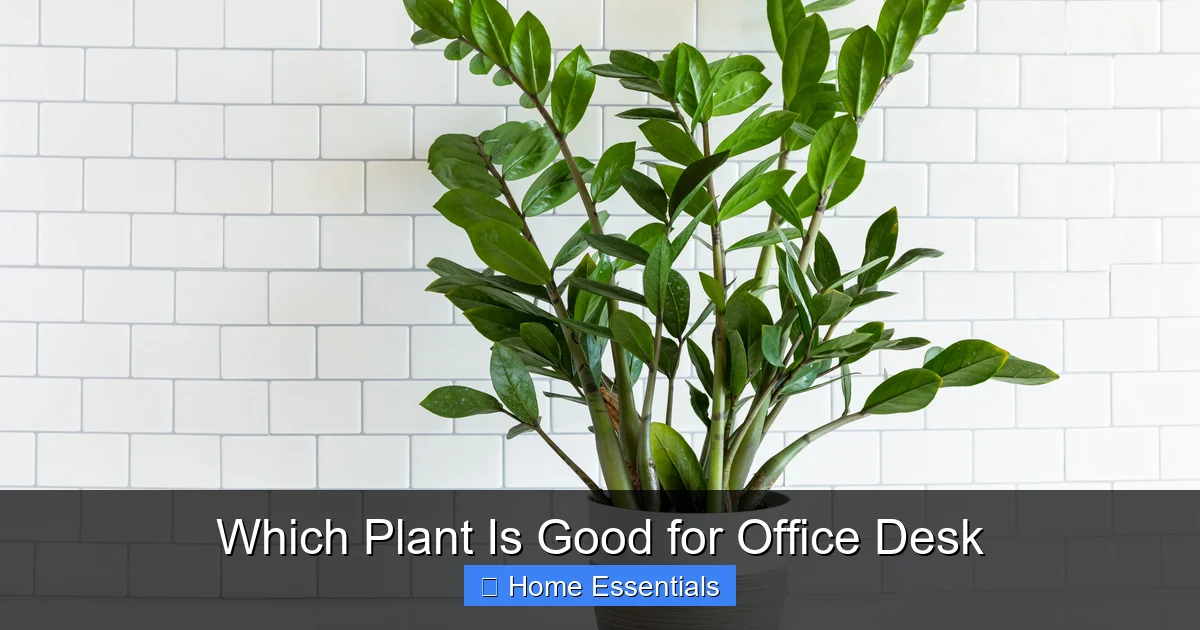
If there was a plant version of a survivalist, it’s the ZZ Plant. With its glossy, dark green leaves on graceful, arching stems, it looks elegant but is tougher than a boot. It thrives in low-light corners that would kill most other plants. Its secret weapon? Potato-like rhizomes underground that store water, allowing it to go for months without a drink. Perfect for the forgetful or the frequently traveling worker. Just water deeply when the soil is completely dry. It’s a slow grower, so it will stay a perfect desk size for years.
2. The Snake Plant / Mother-in-Law’s Tongue (Sansevieria)
The ultimate architectural plant. Snake Plants come in many sizes, from compact tabletop varieties like ‘Hahnii’ to taller, sculptural types. They are famously tolerant of neglect, low light, and dry air. Like the ZZ, they are succulents that store water in their leaves. Their upright, rigid form adds a modern, graphic element to your desk. They are also stellar air purifiers, working tirelessly at night to convert CO2 to oxygen. Water very sparingly—once a month or less in winter is often enough.
3. The Cast Iron Plant (Aspidistra elatior)
It earned its name for a reason. This plant is the definition of low-maintenance. It tolerates low light, irregular watering, fluctuating temperatures, and general neglect. It has broad, dark green, lance-shaped leaves that emerge from the soil in a clump. It grows slowly and steadily, providing a lush, bushy presence. It’s not flashy, but it is relentlessly reliable. Water when the top inch of soil is dry.
4. The Jade Plant (Crassula ovata)
A cheerful succulent with plump, oval, glossy leaves. Jade Plants are symbols of good luck in many cultures, making them a positive desk companion. They love bright, indirect light but can tolerate lower light (though they may grow leggy). They store water in their leaves and stems, so the cardinal rule is: do not overwater. Let the soil dry out completely between waterings. They are slow-growing and can be easily pruned to maintain a compact, bonsai-like shape.
5. The Spider Plant (Chlorophytum comosum)
Perhaps the most classic and friendly houseplant. Spider Plants have a fountain of slender, arching green-and-white striped leaves. They are incredibly adaptable, non-toxic, and produce “babies”—small plantlets on long stems—that you can propagate in water. They prefer bright, indirect light but are forgiving. They like consistent, light moisture but will forgive a missed watering. Their air-purifying qualities are excellent, and their cascading form looks beautiful in a hanging planter or on a high shelf behind your monitor.
6. The Peace Lily (Spathiphyllum)
If you want a plant that *tells* you when it needs water, the Peace Lily is your dramatic but communicative friend. Its leaves will droop noticeably when thirsty, perking up within hours of a good drink. It produces elegant white flower spatums and has glossy, dark green leaves. It tolerates low light but will flower more in brighter indirect light. It’s a great air purifier. Keep the soil consistently moist but not soggy. Note: It is toxic if ingested, so keep away from pets and very small children.
Essential Care Guide: Keeping Your Desk Plant Alive and Thriving
Choosing the right plant is step one. Step two is understanding the minimal care it needs to flourish in your specific office environment. Forget complex schedules; think in simple, repeatable habits.
Visual guide about Which Plant Is Good for Office Desk
Image source: ugaoo.com
Mastering the Art of Watering (The #1 Killer)
Overwatering is the undisputed champion of office plant death. Office pots often lack drainage holes, leading to root rot. The golden rule: stick your finger in the soil. For most of our top picks (ZZ, Snake, Cast Iron, Jade), water only when the top 1-2 inches of soil are completely dry. For Peace Lily and Spider Plant, water when the top inch is dry. When you do water, do it thoroughly until water runs out the drainage holes (if your pot has them), then discard any excess from the saucer. In winter, when growth slows, water even less frequently. A good practice is to water thoroughly on a Friday afternoon, so any excess evaporates before the weekend.
Light: Understanding “Low Light” vs. “No Light”
No plant truly thrives in *no* light. “Low light” for an office means a spot a few feet away from a window, or a north-facing window. It does not mean a dark corner with no windows at all. If your desk has no natural light source, you will need a small, dedicated grow light for 6-8 hours a day to keep anything but a ZZ or Snake Plant alive long-term. Place your plant where it receives the brightest indirect light available. Rotate it slightly every few weeks so it grows evenly.
Feeding and Grooming: Minimal Effort, Maximum Impact
Plants need food, but office plants need very little. During the spring and summer growing season, fertilize sparingly with a balanced, water-soluble houseplant fertilizer, diluted to half strength, once a month or every other month. Do not fertilize in fall and winter. Grooming is simple: wipe dusty leaves with a damp microfiber cloth every month or two. This helps the plant “breathe” and look vibrant. For more on effective cleaning, see our guide on how to use a microfiber cloth for cleaning, which works perfectly on waxy leaves. Trim any brown or yellowing leaves at the base with clean scissors to keep the plant looking its best.
Beyond the Basics: Advanced Tips for Plant Success
Once you’ve mastered watering and light, these pro-tips will elevate your office gardening game and address common pitfalls.
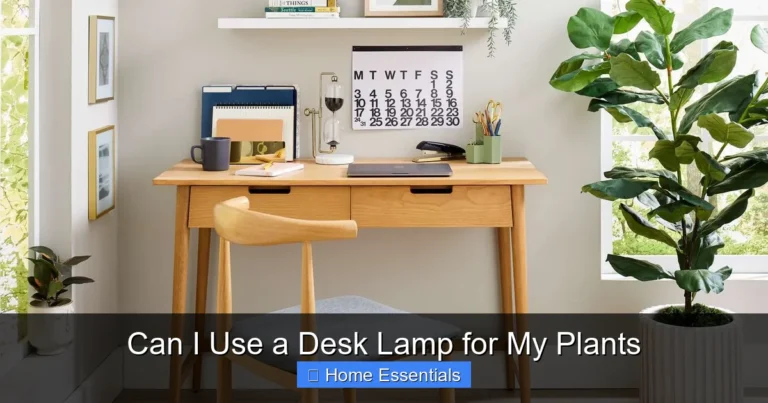
Visual guide about Which Plant Is Good for Office Desk
Image source: thespruce.com
Potting and Drainage: The Foundation of Health
The pot your plant comes in is rarely ideal for long-term growth. Ensure your final pot has a drainage hole. If you love a decorative pot without holes, use the “pot-in-pot” method: keep the plant in its plastic nursery pot with drainage, and place that inside the decorative cachepot. Empty the cachepot of any standing water after watering. Use a well-draining potting mix; standard indoor potting soil is fine, but you can add a handful of perlite for extra aeration for succulents like the Jade Plant.
Humidity and Temperature: The Office Climate
Office air is often dry due to heating and AC systems. While our top picks are tolerant of average humidity, they appreciate a misting with a spray bottle once a week or a pebble tray (a saucer with pebbles and water, with the pot sitting on top). Avoid placing plants directly in the path of an air conditioning vent or heating duct, as extreme temperature swings cause stress.
Pest Prevention and Treatment
Office plants can occasionally get hitchhikers like spider mites or mealybugs. Inspect new plants thoroughly before bringing them to your desk. Check the undersides of leaves and along stems. If you spot tiny white cottony bits (mealybugs) or fine webbing (spider mites), isolate the plant immediately. Treat with a cotton swab dipped in rubbing alcohol for mealybugs, or give the plant a thorough shower in the sink or use insecticidal soap for mites. Catch infestations early, and they are easy to manage.
Styling Your Desk: Aesthetics and Practicality
Your plant should enhance your workspace, not clutter it. Thoughtful placement and container choice make all the difference.
Choosing the Right Planter
Consider weight, material, and style. Terracotta is porous and stable but heavy. Glazed ceramic is stylish and retains moisture. Lightweight plastic or fabric pots are easy to move. The pot’s color and shape should complement your desk decor. A neutral, matte pot lets the plant shine. For a modern desk, a geometric concrete planter works well. For a rustic look, a woven basket (used as a cachepot) adds warmth.
Placement for Harmony and Function
Avoid placing a large plant directly behind your primary monitor, as it can be visually distracting. Ideal spots are: a corner of the desk, on a small stand beside your computer, or on a filing cabinet or shelf within your line of sight but not in your direct work zone. Ensure the plant doesn’t block important desk real estate you need for writing or using a mouse. A trailing plant like a Spider Plant on a high shelf adds greenery without taking up surface area.
Grouping for Impact (When Space Allows)
If you have a larger desk or a nearby shelf, grouping plants creates a mini-jungle vibe and can help maintain a slightly more humid microclimate. Mix textures and heights: place a tall Snake Plant behind a round, bushy Cast Iron Plant, with a trailing Spider Plant spilling over the edge. This creates visual interest and a more dynamic, natural look.
Troubleshooting Common Office Plant Problems
Even the hardiest plants can send distress signals. Here’s how to decode them.
Yellowing Leaves
This is the most common issue. Often, it’s a sign of overwatering. Check the soil moisture. If it’s soggy, let it dry out completely and adjust your watering schedule. Yellowing can also indicate a nitrogen deficiency (if older leaves yellow first) or, less commonly, underwatering (if leaves are yellow and crispy). Assess the pattern and your watering habits.
Brown, Crispy Leaf Tips
This usually points to low humidity or underwatering. If the soil is dry, water more consistently. If the soil is moist but tips are still browning, the air is too dry. Increase humidity with a pebble tray or light misting. Also, consider if tap water with high chlorine or minerals is the culprit. Try using filtered or distilled water.
Leggy, Stretchy Growth
Your plant is screaming for more light. It’s elongating its stems and producing smaller, paler leaves to reach a light source. Move it to a brighter location immediately. You can also prune back the leggy stems to encourage bushier growth from the base.
No Growth or Very Slow Growth
This is normal for many of our top picks (ZZ, Snake, Cast Iron) during the winter months. It’s also normal for a plant that is root-bound or not receiving enough nutrients. Ensure it’s not in a pot that’s too small. During spring/summer, try a light feeding. Most importantly, be patient. These plants grow slowly by design; their energy is conserved.
Conclusion: Grow Your Workspace Wellness
Your office desk is where you invest a significant portion of your life. It deserves to be a space that supports your well-being, not diminishes it. Adding a plant is the single most affordable and effective upgrade you can make. By choosing a resilient, low-maintenance champion like the ZZ Plant, Snake Plant, or Cast Iron Plant, you set yourself up for success. Remember the core mantra: underwater, not overwater; provide bright, indirect light when possible; and choose a pot with drainage. Start small with one plant. Nurture it. Watch it thrive. That little green life will do more for you than you might think—purifying your air, calming your mind, and adding a touch of organic beauty to your daily grind. It’s not just a plant on your desk; it’s a partner in your productivity and a tiny, growing testament to your care. Now, go find your perfect desk companion.
Frequently Asked Questions
Can I put any plant on my office desk if it gets some light?
No, light tolerance varies wildly. A succulent like a Jade Plant needs significantly more bright light than a ZZ Plant to stay compact and healthy. Always research a plant’s specific light requirements before bringing it to your desk. The plants listed in our top 6 are specifically chosen for their adaptability to typical, lower-office light.
How often should I really water my office plant?
Forget a weekly schedule. The only reliable method is to check the soil moisture. For drought-tolerant plants like Snake Plants and ZZ Plants, water only when the soil is completely dry, which could be every 3-4 weeks or longer. For plants that prefer consistent moisture like Peace Lilies, water when the top inch of soil is dry. Always err on the side of underwatering.
What should I do if my office has no windows and no natural light?
This is the most challenging scenario. You will need a small, dedicated LED grow light placed a few inches above your plant and set on a timer for 6-8 hours a day. Without this, only the most shade-tolerant plants like the ZZ Plant or certain Snake Sansevieria varieties might survive for a while, but they will eventually weaken. Consider a low-light tolerant plant paired with a small, stylish desk grow light.
Are office plants messy? Will they attract bugs?
Most of the recommended plants are not particularly messy. They don’t shed leaves excessively like some outdoor trees. However, any plant can attract pests like fungus gnats (from overly wet soil) or spider mites (from dry air). Prevent this by not overwatering and occasionally misting leaves. Inspect new plants before bringing them in. If you do get pests, isolate the plant and treat it promptly with neem oil or insecticidal soap.
Is it worth getting a “smart plant pot” with sensors for my office plant?
For the truly anxious or forgetful plant owner, a smart pot with moisture and light sensors can be a useful tool to take the guesswork out of watering. These pots connect to an app and notify you exactly when your plant needs water. If you travel frequently or are new to plant care, it can be a worthwhile investment to prevent over- or under-watering. You can explore options for smart plant pots that make care effortless.
My desk is near a printer/computer that gets warm. Is that bad for plants?
Yes, consistent heat from electronics can dry out your plant’s soil rapidly and stress it. Avoid placing plants directly on top of or immediately next to heat-emitting devices. If your desk layout forces this, you’ll need to check the soil moisture more frequently and may need to water slightly more often. Also, ensure the plant isn’t in the direct path of any office air conditioning or heating vents.