Which Smart Bulbs Work with 5ghz Wifi
Not all smart bulbs support 5GHz Wi-Fi networks, which can lead to connectivity issues or device failures. Understanding which smart bulbs are compatible with 5GHz Wi-Fi is crucial for a reliable smart home experience. This guide walks you through the top options and key considerations to help you make an informed choice.
Key Takeaways
- Not all smart bulbs support 5GHz Wi-Fi: Many budget or older smart bulbs only work on 2.4GHz networks, so always check specifications before purchasing.
- 5GHz Wi-Fi offers faster speeds and less interference: Bulbs that support 5GHz provide more stable connections and better performance in crowded wireless environments.
- Check manufacturer compatibility lists: Brands like Philips Hue, LIFX, and Wyze provide detailed compatibility information on their websites.
- Dual-band smart bulbs are ideal: These bulbs can connect to both 2.4GHz and 5GHz networks, offering flexibility and future-proofing.
- Router placement matters: Even compatible bulbs may struggle with signal strength over 5GHz due to its shorter range—position your router wisely.
- Firmware updates can improve compatibility: Keep your bulbs and router firmware updated to ensure optimal performance and security.
📑 Table of Contents
- Which Smart Bulbs Work With 5GHz Wifi?
- Understanding Wi-Fi Bands: 2.4GHz vs. 5GHz
- Top Smart Bulbs That Work With 5GHz Wi-Fi
- How to Check if Your Smart Bulb Supports 5GHz Wi-Fi
- Tips for Using Smart Bulbs on 5GHz Wi-Fi
- Common Issues and Troubleshooting
- Conclusion: Make the Right Choice for Your Smart Home
Which Smart Bulbs Work With 5GHz Wifi?
Imagine setting up your smart home with the latest smart bulbs, only to find that your new bulbs won’t connect to your Wi-Fi. Frustrating, right? One of the most common culprits behind this issue is Wi-Fi band compatibility. While many smart bulbs are designed to work with 2.4GHz networks, only a select few support the faster, less congested 5GHz frequency. If you’re running a modern home network with a dual-band router, you might be wondering: which smart bulbs work with 5GHz Wi-Fi?
In this guide, we’ll break down everything you need to know about 5GHz-compatible smart bulbs. From understanding the differences between Wi-Fi bands to reviewing top-performing brands, we’ll help you make a smart choice that fits your home and lifestyle. Whether you’re upgrading your lighting or building a fully automated smart home, knowing which bulbs support 5GHz Wi-Fi can save you time, money, and headaches.
Understanding Wi-Fi Bands: 2.4GHz vs. 5GHz
Before we dive into specific smart bulbs, it’s important to understand the difference between 2.4GHz and 5GHz Wi-Fi bands. These are two different frequencies used by wireless routers to send data to devices like smartphones, laptops, and smart bulbs.
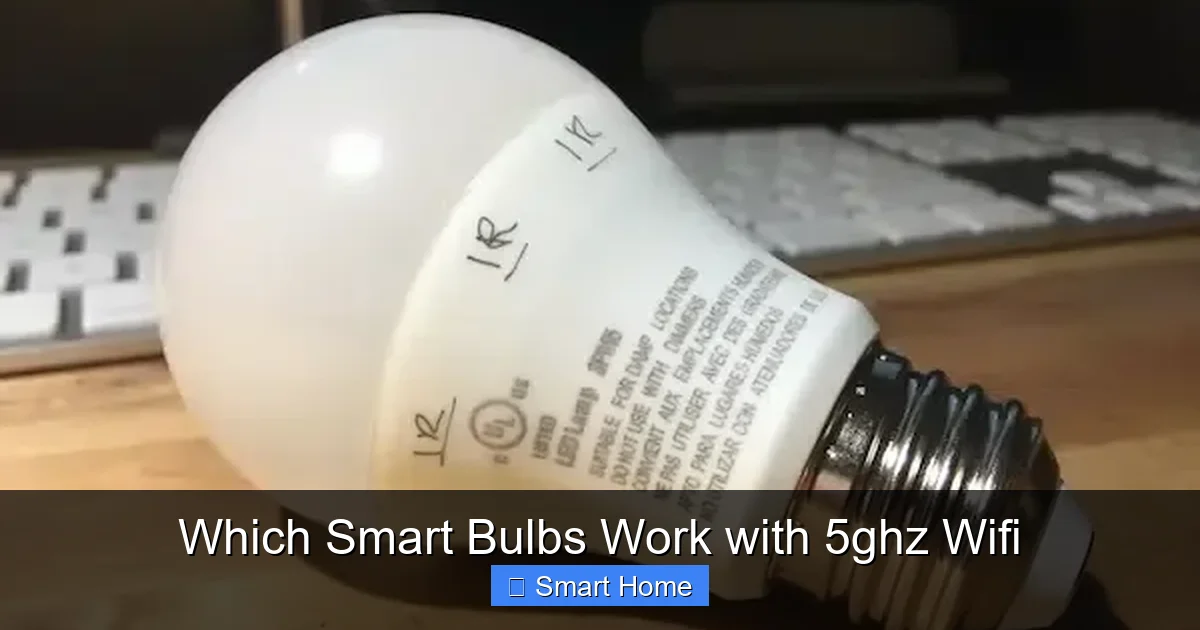
Visual guide about Which Smart Bulbs Work with 5ghz Wifi
Image source: ik.imagekit.io
What Is 2.4GHz Wi-Fi?
The 2.4GHz band is the most common Wi-Fi frequency. It offers a longer range and better penetration through walls and obstacles, making it ideal for older devices and larger homes. However, it’s also more prone to interference from other devices like microwaves, cordless phones, and Bluetooth gadgets.
Most smart bulbs—especially budget-friendly models—are designed to work on 2.4GHz networks. This is because 2.4GHz signals travel farther and are more reliable in environments with physical barriers. But here’s the catch: 2.4GHz networks are also more crowded. In densely populated areas or apartments, you might experience slower speeds or dropped connections.
What Is 5GHz Wi-Fi?
5GHz Wi-Fi, on the other hand, offers faster data transfer speeds and less interference. It’s ideal for high-bandwidth activities like streaming video or online gaming. However, 5GHz signals don’t travel as far as 2.4GHz and can struggle to penetrate thick walls or obstacles.
Because of these limitations, not all smart bulbs are built to support 5GHz. In fact, many manufacturers prioritize 2.4GHz compatibility due to its reliability and widespread adoption. But for users with modern routers and smaller, open living spaces, 5GHz can offer a more stable and responsive smart lighting experience.
Why Does This Matter for Smart Bulbs?
Smart bulbs rely on a consistent Wi-Fi connection to receive commands from your smartphone, voice assistant, or home automation system. If your bulb only supports 2.4GHz and you’re trying to connect it to a 5GHz network, it simply won’t work—even if your router broadcasts both bands.
So, when shopping for smart bulbs, always check whether they support 5GHz Wi-Fi. This is especially important if you’ve recently upgraded to a dual-band router or live in a high-density area where 2.4GHz networks are congested.
Top Smart Bulbs That Work With 5GHz Wi-Fi
Now that you understand the basics, let’s look at some of the best smart bulbs that actually support 5GHz Wi-Fi. These bulbs offer the speed, reliability, and future-proofing you need for a modern smart home.
Visual guide about Which Smart Bulbs Work with 5ghz Wifi
Image source: nerdplusart.b-cdn.net
Philips Hue Smart Bulbs
Philips Hue is one of the most trusted names in smart lighting, and their bulbs are compatible with both 2.4GHz and 5GHz networks. This makes them a great choice for users who want flexibility and performance.
Hue bulbs use Zigbee technology for local control, but they also connect to your Wi-Fi network via the Hue Bridge. This means you can control your lights remotely and integrate them with voice assistants like Alexa and Google Assistant. The Hue Bridge supports 5GHz Wi-Fi, allowing you to manage your entire lighting system without relying solely on 2.4GHz.
One of the biggest advantages of Philips Hue is their extensive ecosystem. You can sync lights with music, set routines, and create scenes—all with minimal lag. Plus, Hue bulbs are dimmable, color-changing, and energy-efficient.
While the Hue Bridge adds a small cost, it’s worth it for the added functionality and reliability. If you’re serious about smart lighting, Philips Hue is a top contender.
LIFX Smart Bulbs
LIFX is another brand known for high-performance smart bulbs that support 5GHz Wi-Fi. Unlike many competitors, LIFX bulbs connect directly to your Wi-Fi network without needing a hub, making setup faster and simpler.
LIFX bulbs use Wi-Fi 5 (802.11ac), which supports both 2.4GHz and 5GHz bands. This dual-band capability ensures a stable connection, even in environments with multiple wireless devices. The bulbs are bright, color-saturated, and respond quickly to commands—ideal for users who want instant feedback.
One of the standout features of LIFX bulbs is their high color rendering index (CRI), meaning colors appear more vivid and true to life. They also support a wide range of colors and brightness levels, allowing for creative lighting designs.
Keep in mind that LIFX bulbs consume more power than traditional LEDs, but the difference is minimal and well worth the performance gain. If you want a plug-and-play smart bulb that works seamlessly on 5GHz Wi-Fi, LIFX is an excellent choice.
Wyze Smart Bulbs
Wyze has made a name for itself with affordable smart home devices, and their smart bulbs are no exception. The Wyze Bulb Color supports both 2.4GHz and 5GHz Wi-Fi, making it a great budget-friendly option for 5GHz compatibility.
Wyze bulbs are easy to set up and integrate with Amazon Alexa and Google Assistant. They offer 16 million colors and adjustable brightness, all controlled through the Wyze app. The bulbs are also energy-efficient and have a long lifespan.
One of the best things about Wyze bulbs is their affordability. You can get a pack of four for under $50, making them accessible to a wide range of users. While they don’t offer the advanced features of Philips Hue or LIFX, they deliver solid performance on 5GHz networks.
If you’re looking for a no-frills smart bulb that works reliably on 5GHz Wi-Fi, Wyze is a smart pick.
TP-Link Kasa Smart Bulbs
TP-Link’s Kasa smart bulbs are known for their reliability and user-friendly app. The Kasa Smart Wi-Fi LED Bulb (KL110) supports both 2.4GHz and 5GHz Wi-Fi, offering flexibility for different network setups.
These bulbs are compatible with Alexa, Google Assistant, and IFTTT, allowing for voice control and automation. They’re dimmable, color-changing, and respond quickly to commands. The Kasa app is intuitive and includes scheduling, timers, and usage tracking.
TP-Link bulbs are also energy-efficient and have a long lifespan. They’re a great choice for users who want a balance of performance and affordability.
Nanoleaf Essential Smart Bulbs
Nanoleaf is known for its modular lighting systems, but their Essential Smart Bulbs also support 5GHz Wi-Fi. These bulbs are designed to work with the Nanoleaf app and integrate with voice assistants and smart home platforms.
Nanoleaf bulbs offer vibrant colors and smooth dimming, making them ideal for ambient lighting. They’re also easy to install and use with existing fixtures.
While Nanoleaf’s focus is more on design and aesthetics, their bulbs deliver reliable performance on 5GHz networks.
How to Check if Your Smart Bulb Supports 5GHz Wi-Fi
Not sure whether your smart bulb supports 5GHz Wi-Fi? Here’s how to find out.
Visual guide about Which Smart Bulbs Work with 5ghz Wifi
Image source: nerdplusart.b-cdn.net
Check the Product Specifications
The easiest way to determine compatibility is to look at the product specifications. Most manufacturers list the supported Wi-Fi bands on their website or in the user manual. Look for terms like “dual-band,” “5GHz compatible,” or “Wi-Fi 5 (802.11ac).”
Read Customer Reviews
Customer reviews can also provide valuable insights. Search for comments like “works on 5GHz” or “won’t connect to 5GHz.” Real-world feedback can help you avoid compatibility issues.
Contact the Manufacturer
If you’re still unsure, reach out to the manufacturer’s customer support. They can confirm whether the bulb supports 5GHz Wi-Fi and provide troubleshooting tips.
Use the Manufacturer’s App
Many smart bulb apps include a compatibility checker or setup guide. Follow the instructions carefully, and the app may indicate whether your bulb supports 5GHz.
Tips for Using Smart Bulbs on 5GHz Wi-Fi
Even with a 5GHz-compatible bulb, there are a few things you can do to ensure a smooth experience.
Place Your Router Close to the Bulb
5GHz signals don’t travel as far as 2.4GHz. Position your router within 15–20 feet of the bulb for the best signal strength.
Reduce Wi-Fi Interference
Minimize interference from other devices like cordless phones, microwaves, and Bluetooth gadgets. Keep your router in a central location.
Update Firmware Regularly
Manufacturers often release firmware updates to improve performance and compatibility. Check for updates in the app or on the manufacturer’s website.
Use a Wi-Fi Extender
If you have a large home, consider using a Wi-Fi extender to boost 5GHz coverage in distant rooms.
Test Your Connection
After setup, test the bulb’s responsiveness. If it’s slow or unresponsive, try moving the router or switching to 2.4GHz temporarily.
Common Issues and Troubleshooting
Even with 5GHz-compatible bulbs, you might run into connectivity issues. Here’s how to troubleshoot.
Bulb Won’t Connect
Ensure your router is broadcasting the 5GHz network. Some routers separate the 2.4GHz and 5GHz bands with different names (e.g., “HomeWiFi” and “HomeWiFi_5G”). Make sure you’re selecting the correct network.
Slow Response
If the bulb responds slowly, check for interference or signal strength issues. Move the router closer or reduce the number of connected devices.
App Crashes or Errors
Restart the app and your phone. If the problem persists, reinstall the app or update your phone’s operating system.
Firmware Update Failed
Ensure your bulb is powered on and connected to Wi-Fi. If the update fails, try again later or contact customer support.
Conclusion: Make the Right Choice for Your Smart Home
Choosing smart bulbs that work with 5GHz Wi-Fi can greatly enhance your smart home experience. Brands like Philips Hue, LIFX, Wyze, and TP-Link offer reliable 5GHz-compatible options that deliver speed, stability, and flexibility. By understanding your network setup and selecting the right bulb, you can avoid connectivity issues and enjoy seamless control over your lighting.
Remember to check compatibility, keep your firmware updated, and optimize your router placement. With the right smart bulbs and a little know-how, your home can shine brighter—both literally and figuratively.
Frequently Asked Questions
Do all smart bulbs work with 5GHz Wi-Fi?
No, many smart bulbs—especially older or budget models—only support 2.4GHz Wi-Fi. Always check the product specifications to confirm 5GHz compatibility.
Can I use a smart bulb on both 2.4GHz and 5GHz networks?
Yes, dual-band smart bulbs can connect to both networks. This offers flexibility and ensures compatibility with different router setups.
What’s the difference between 2.4GHz and 5GHz Wi-Fi?
2.4GHz has a longer range but is more prone to interference. 5GHz offers faster speeds and less congestion but has a shorter range and weaker wall penetration.
How do I know if my router supports 5GHz Wi-Fi?
Check your router’s manual or settings. Most modern routers support 5GHz, but older models may only offer 2.4GHz.
Can I convert a 2.4GHz smart bulb to work on 5GHz?
No, hardware limitations prevent 2.4GHz-only bulbs from connecting to 5GHz networks. You’ll need to purchase a 5GHz-compatible bulb.
Are 5GHz smart bulbs more expensive?
Not necessarily. Some 5GHz-compatible bulbs are budget-friendly, while others with advanced features may cost more. Compare options based on your needs.