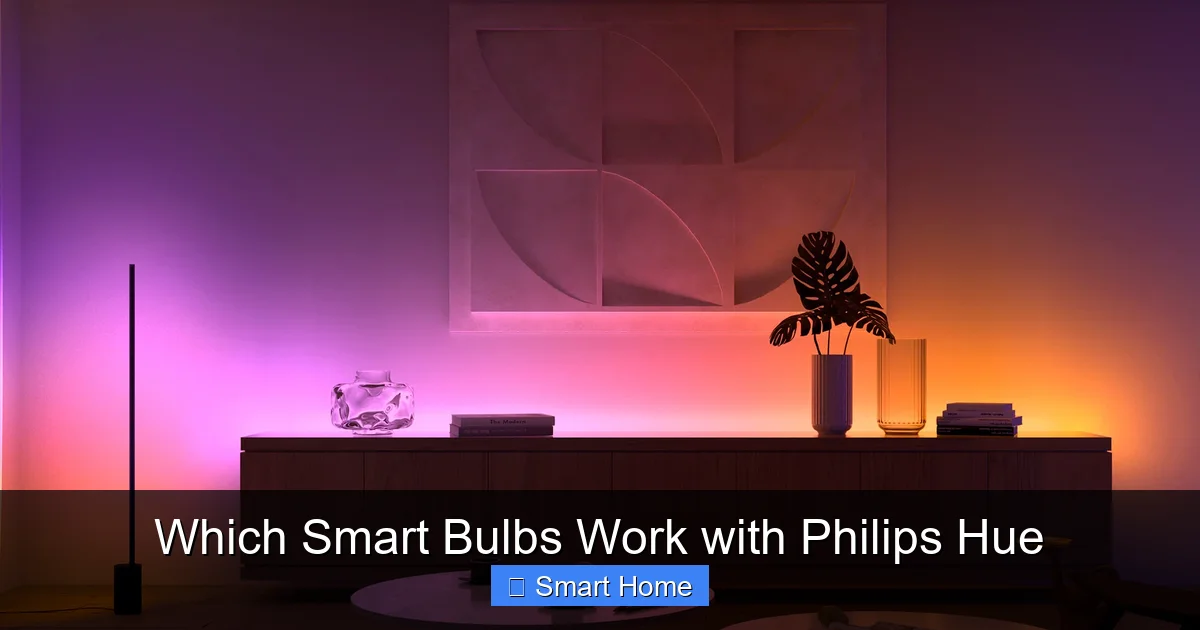
Which Smart Bulbs Work with Philips Hue
Philips Hue is the gold standard in smart lighting, but not all smart bulbs are compatible with its ecosystem. Whether you’re looking to expand your setup or switch brands, knowing which bulbs work with Philips Hue can save you time and money. This guide covers top compatible brands, setup tips, and everything you need to create a smarter, more connected home.
Key Takeaways
- Philips Hue uses Zigbee 3.0: Most bulbs that work with Philips Hue must use the Zigbee protocol for reliable, low-power communication.
- Third-party brands like LIFX and Sylvania offer Hue-compatible bulbs: These brands integrate via the Hue Bridge or work in hybrid setups.
- Not all smart bulbs are created equal: Always check compatibility lists before purchasing to avoid frustration.
- The Hue Bridge is often required: While some bulbs work without it, the Bridge unlocks advanced features like routines and multi-room control.
- Hybrid setups are possible: You can mix Hue bulbs with compatible third-party brands for greater flexibility.
- Voice control is seamless: All Hue-compatible bulbs work with Alexa, Google Assistant, and Siri when properly integrated.
- Future-proofing matters: Choose bulbs with firmware update support to ensure long-term compatibility.
📑 Table of Contents
- Which Smart Bulbs Work With Philips Hue? A Complete Guide
- Understanding the Philips Hue Ecosystem
- Top Smart Bulbs That Work With Philips Hue
- How to Set Up Third-Party Bulbs With Philips Hue
- Hybrid Setups: Mixing Hue and Third-Party Bulbs
- Tips for Maximizing Your Smart Lighting Setup
- Future-Proofing Your Smart Lighting
- Conclusion: Build the Smart Home of Your Dreams
Which Smart Bulbs Work With Philips Hue? A Complete Guide
Imagine walking into a room and your lights automatically brighten as you wake up. Or dimming them with a simple voice command while you’re watching a movie. That’s the magic of smart lighting—and Philips Hue has long been the leader in this space. But here’s the catch: not every smart bulb will play nicely with the Hue ecosystem. So, which smart bulbs work with Philips Hue? That’s the million-dollar question, and today, we’re going to answer it in full.
If you’re new to smart lighting or considering expanding your setup, you might be wondering whether you can mix and match bulbs from different brands. The good news? Many third-party bulbs are compatible with Philips Hue—but only under certain conditions. In this guide, we’ll walk you through everything you need to know: from understanding the technology behind Hue, to identifying the best compatible bulbs, and even how to set them up for maximum convenience.
Understanding the Philips Hue Ecosystem
Before diving into compatibility, it’s important to understand what makes Philips Hue tick. At its core, the Hue system relies on the Zigbee 3.0 wireless protocol—a low-power, mesh-network technology that allows bulbs to communicate with each other and with a central hub, known as the Hue Bridge.
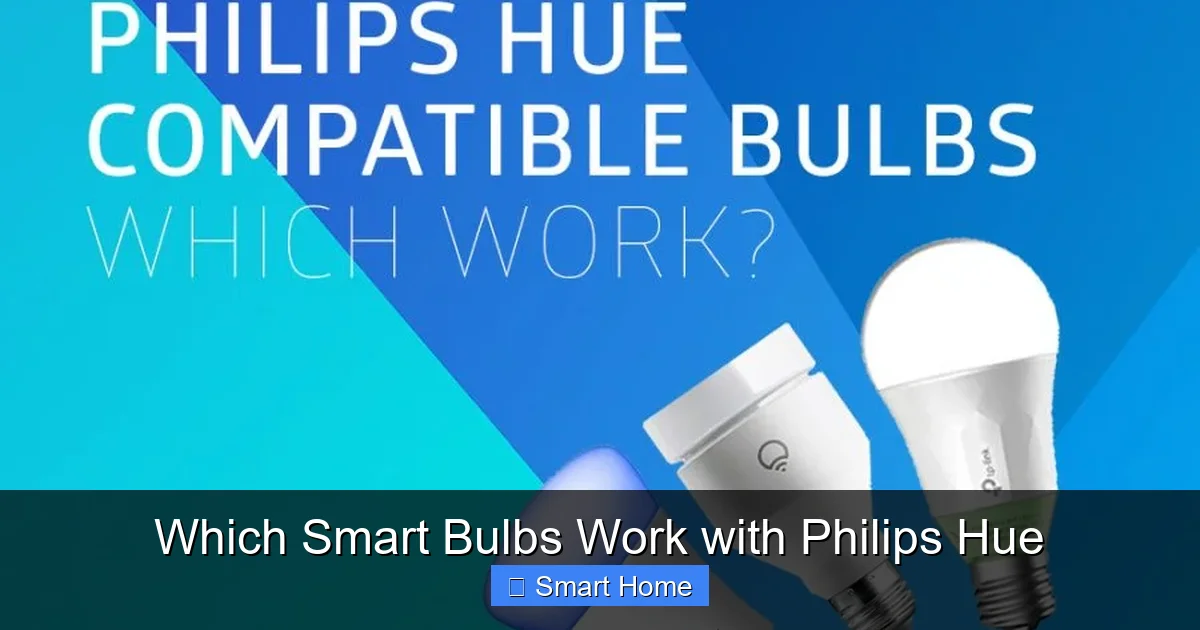
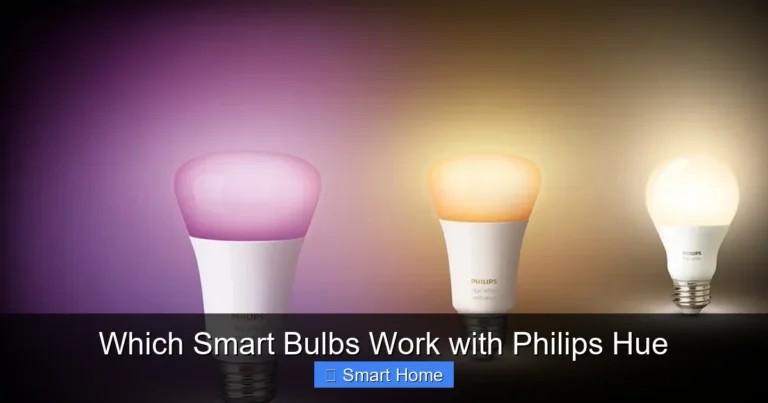
Visual guide about Which Smart Bulbs Work with Philips Hue
Image source: huehomelighting.com
The Hue Bridge is the brain of your smart lighting system. Without it, you can still control Hue bulbs using the app or voice assistants, but you’ll miss out on advanced features like synchronized lighting effects, group controls, and automation routines. Most third-party bulbs that work with Philips Hue either connect directly to the Bridge or use a hybrid approach.
Why Zigbee 3.0 Matters
Zigbee 3.0 is the key to compatibility. It’s a standardized protocol that ensures devices from different manufacturers can work together seamlessly. Think of it like USB-C—any device with a USB-C port can plug into any charger, as long as it follows the same standard.
When a third-party bulb supports Zigbee 3.0 and is certified for use with Philips Hue, it can join your existing mesh network. This means it can respond to commands from the Hue app, participate in scenes, and even react to other smart devices in your home.
What About Wi-Fi Bulbs?
Many popular smart bulbs, like those from LIFX or Wyze, use Wi-Fi instead of Zigbee. While convenient for setup, Wi-Fi bulbs typically do not work directly with the Hue Bridge. However, some brands have found creative ways to bridge the gap. For example, the Sylvania Smart+ line includes bulbs that can connect to the Hue Bridge via the Hue app, even though they use Wi-Fi.
So, while Wi-Fi bulbs aren’t natively compatible, certain models—especially those designed for the Hue ecosystem—can still be part of your smart lighting setup. Always check the product description or manufacturer’s compatibility list before buying.
Top Smart Bulbs That Work With Philips Hue
Now that we’ve covered the basics, let’s look at some of the best smart bulbs that work with Philips Hue. These brands have either built-in Zigbee support or offer hybrid solutions that integrate smoothly with the Hue ecosystem.
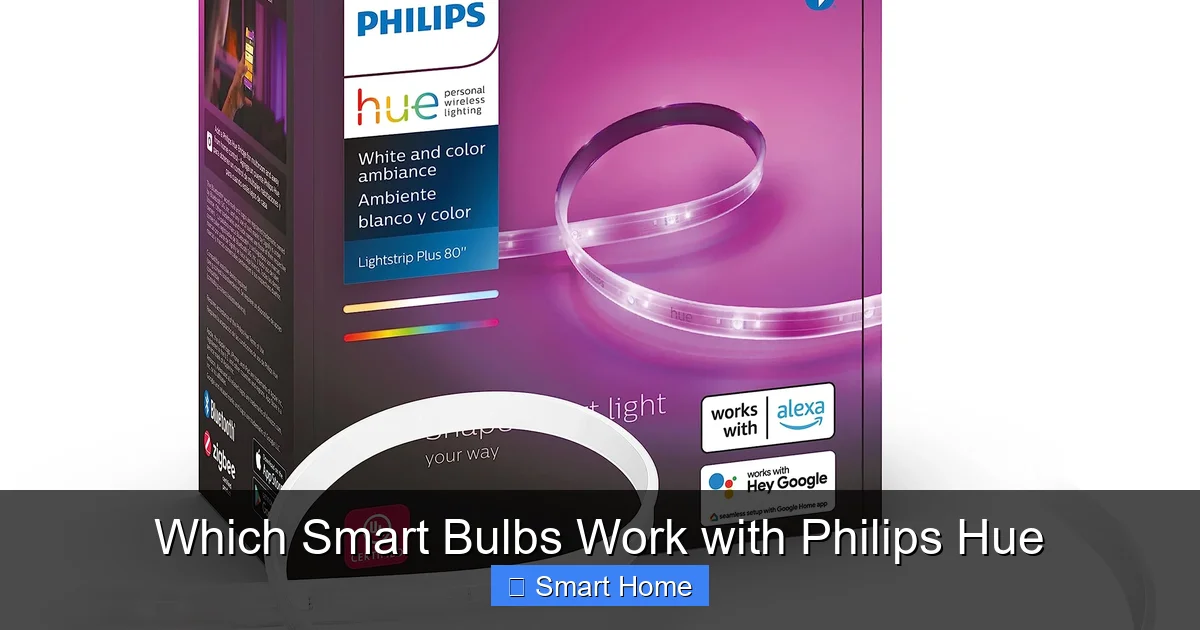
Visual guide about Which Smart Bulbs Work with Philips Hue
Image source: m.media-amazon.com
1. Sylvania Smart+ Zigbee
Sylvania is one of the most trusted names in smart lighting, and their Smart+ line is specifically designed to work with Philips Hue. These bulbs use Zigbee 3.0 and connect directly to your Hue Bridge, giving you full access to all Hue features.
What makes Sylvania a great choice? They offer a wide range of bulb types—from standard A19 bulbs to specialty shapes like candelabra and flood lights—all at competitive prices. Plus, they’re often available at major retailers like Home Depot and Lowe’s, making them easy to find.
Example setup: Install a few Sylvania Smart+ bulbs in your living room and create a “Movie Night” scene that dims the lights and changes them to a warm amber tone. The scene will work just like a native Hue bulb.
2. LIFX Mini White to Warm
LIFX is known for its Wi-Fi-based smart bulbs, but their Mini White to Warm bulb is an exception. This compact bulb is designed to work with the Philips Hue Bridge and can be added to your Hue app for control.
Why choose this bulb? It offers a smooth transition from cool white to warm white (2700K–2200K), perfect for bedrooms or offices where you want adjustable color temperature. While it doesn’t support full color, it integrates well with Hue scenes and automations.
Tip: Use the LIFX app to set up initial preferences, then switch to the Hue app for advanced routines and voice control.
3. GE Cync by GE (Formerly C by GE)
GE’s Cync line includes several bulbs that work with Philips Hue. These Zigbee-enabled bulbs are affordable and easy to install, making them a great entry point for beginners.
One standout feature: Cync bulbs can be added to the Hue app without needing a separate hub. Just plug them in, open the Hue app, and follow the setup prompts. They support dimming, color changes, and scheduling—just like native Hue bulbs.
Note: Make sure you’re using the latest version of the Hue app, as older versions may not support all Cync bulbs.
4. Sengled Smart Hub-Compatible Bulbs
Sengled’s Element series includes several bulbs that are certified for use with the Philips Hue Bridge. These bulbs use Zigbee 3.0 and offer features like dimming, color control, and energy monitoring.
Sengled is known for its reliable performance and long lifespan. Their bulbs are also Energy Star certified, helping you save on electricity bills. Plus, they come with a 5-year warranty—rare among smart bulbs.
Pro tip: Pair Sengled bulbs with the Hue Bridge to create energy-saving routines, like turning off lights when no motion is detected.
5. Osram Lightify (Now Part of Philips)
Osram’s Lightify line was one of the first third-party brands to support Philips Hue. Although the Lightify brand has been phased out, many of these bulbs still work with the Hue Bridge—especially if you have the original firmware.
While newer models are no longer supported, you can often find used or refurbished Lightify bulbs online. Just be cautious: firmware updates may be limited, and customer support is no longer available.
Recommendation: Only consider Lightify bulbs if you’re on a tight budget and can find them at a discount.
How to Set Up Third-Party Bulbs With Philips Hue
Adding a third-party bulb to your Hue system is easier than you might think. Here’s a step-by-step guide to get you started.
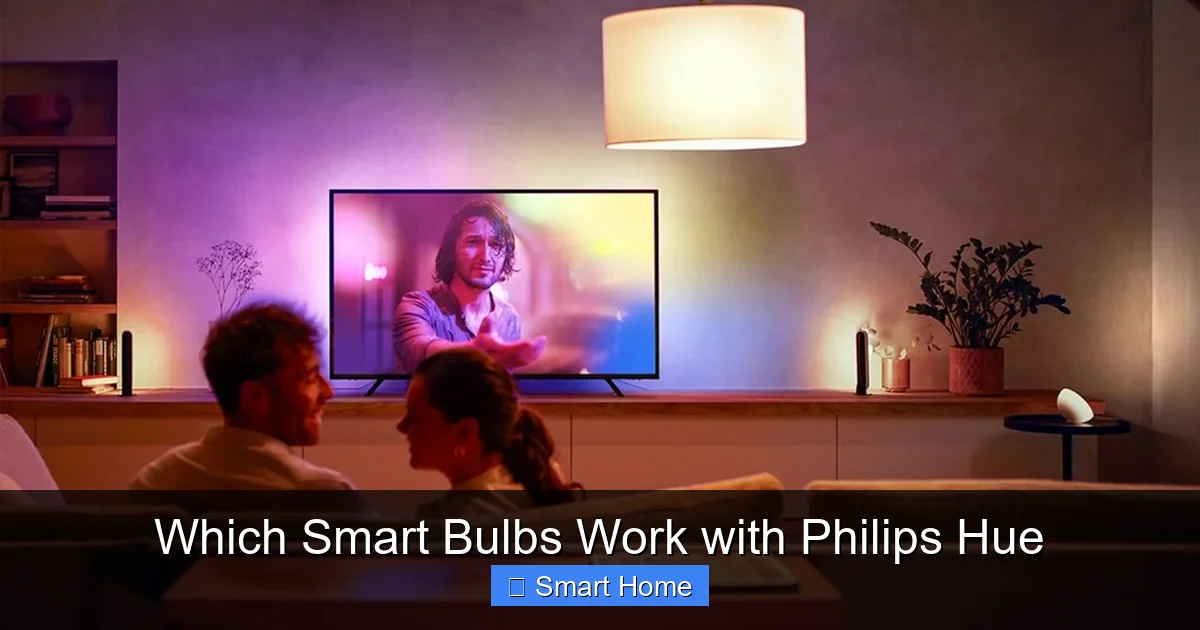
Visual guide about Which Smart Bulbs Work with Philips Hue
Image source: cdn.mos.cms.futurecdn.net
Step 1: Check Compatibility
Before plugging anything in, verify that the bulb is officially listed as compatible with Philips Hue. You can find a full list on the Philips Hue website or in the product packaging.
Look for labels like “Works with Philips Hue” or “Zigbee 3.0 Certified.” Avoid bulbs that only mention Alexa or Google Assistant support—those are typically Wi-Fi only.
Step 2: Install the Hue Bridge
Most third-party bulbs require the Hue Bridge for full functionality. If you don’t already have one, the Hue Bridge (now called the Hue Bridge 2nd Generation) connects to your router via Ethernet and creates a Zigbee mesh network.
Plug it in, connect it to your Wi-Fi network, and open the Hue app to complete the setup. Once the Bridge is ready, you can start adding bulbs.
Step 3: Add the Bulb to the Hue App
Turn on the bulb by screwing it into a lamp or fixture. Then, open the Hue app and tap “Add Light.” The app should detect the new bulb within a few seconds.
Give it a name (e.g., “Bedroom Lamp”) and assign it to a room. You can now control it just like a native Hue bulb—adjust brightness, change colors, and create scenes.
Step 4: Create Routines and Automations
One of the best features of the Hue system is automation. Use the app to set up routines based on time, location, or other smart devices.
Example: Create a “Good Morning” routine that gradually brightens your bedroom lights at 7:00 AM. Include third-party bulbs in the mix—they’ll respond just like any other bulb.
Hybrid Setups: Mixing Hue and Third-Party Bulbs
One of the most exciting aspects of the Philips Hue ecosystem is its flexibility. You’re not locked into using only Hue bulbs. With the right setup, you can mix and match bulbs from different brands—even those that use different protocols.
Using the Hue Bridge as a Hub
The Hue Bridge doesn’t just control Hue bulbs—it can manage compatible third-party devices too. When you add a Zigbee bulb like those from Sylvania or Sengled, it becomes part of the same network.
This means all your bulbs can respond to the same commands. Dim them all at once, change colors simultaneously, or trigger them based on motion sensors.
Voice Control and Smart Assistants
All bulbs that work with Philips Hue—whether native or third-party—can be controlled using voice assistants like Amazon Alexa, Google Assistant, or Apple Siri.
Simply say, “Alexa, turn on the living room lights,” and every bulb in that room will respond—regardless of brand. This seamless integration is one of the biggest advantages of using the Hue ecosystem.
Limitations to Keep in Mind
While hybrid setups are powerful, there are a few limitations:
- Firmware updates: Third-party bulbs may not receive regular updates, which could affect long-term compatibility.
- Feature parity: Some advanced features, like Hue Entertainment or ambient lighting effects, may not work with third-party bulbs.
- App switching: You might need to use multiple apps for certain bulbs, which can be inconvenient.
Still, for most users, the benefits far outweigh the drawbacks. The ability to customize your lighting system is worth the small trade-offs.
Tips for Maximizing Your Smart Lighting Setup
Want to get the most out of your Philips Hue-compatible bulbs? Here are some expert tips to help you create a smarter, more efficient home.
Use Scenes and Routines
Scenes let you save lighting presets—like “Reading” or “Romance”—and apply them with one tap. Routines automate these scenes based on time or events.
Example: Set a “Bedtime” routine that dims all lights to 20% brightness at 10:30 PM. Include third-party bulbs in the routine, and they’ll dim along with the Hue bulbs.
Group Bulbs by Room
In the Hue app, create groups for each room. This makes it easier to control multiple bulbs at once. You can even group bulbs across rooms—like all kitchen and dining lights—for synchronized lighting.
Integrate with Other Smart Devices
Connect your lighting to motion sensors, door locks, or weather apps. For example, set your lights to turn on automatically when someone enters a dark hallway.
Or, use weather data to simulate daylight—brighten lights on cloudy days to boost your mood.
Monitor Energy Usage
Some third-party bulbs, like those from Sengled, include energy monitoring features. Check the Hue app to see how much electricity your bulbs are using and adjust usage accordingly.
Keep Your App Updated
Philips frequently releases app updates that improve compatibility and add new features. Make sure your Hue app is always up to date for the best experience.
Future-Proofing Your Smart Lighting
Technology evolves fast—and smart lighting is no exception. To avoid buying new bulbs every year, choose models with strong support for future updates and integrations.
Look for Zigbee 3.0 Certification
This ensures your bulbs will work with current and future versions of the Philips Hue system. Avoid older protocols like Zigbee 1.0 or 2.0, as they may become obsolete.
Choose Brands with Long-Term Support
Stick with reputable brands like Sylvania, Sengled, or GE. These companies invest in firmware updates and customer support, giving you peace of mind.
Consider Modular Systems
Instead of replacing entire bulbs, consider smart lighting strips or panels that can be updated individually. These are especially useful for accent lighting or under-cabinet setups.
Conclusion: Build the Smart Home of Your Dreams
So, which smart bulbs work with Philips Hue? The answer is: many of them—but only the ones that support Zigbee 3.0 or offer hybrid compatibility. Brands like Sylvania, Sengled, and GE have proven that third-party bulbs can deliver the same level of control, convenience, and customization as native Hue products.
Whether you’re looking to save money, expand your setup, or simply explore new lighting options, the Philips Hue ecosystem offers unmatched flexibility. By choosing compatible bulbs and following best practices for setup and integration, you can create a smart home that’s truly tailored to your lifestyle.
Ready to take the plunge? Start by checking your current bulbs, upgrading your Bridge if needed, and adding a few third-party options to see how they perform. With the right setup, the possibilities are endless—and your home will never be the same.
Frequently Asked Questions
Can I use any smart bulb with Philips Hue?
No, only bulbs that support Zigbee 3.0 or are specifically designed for Hue compatibility will work. Wi-Fi-only bulbs typically cannot connect to the Hue Bridge.
Do third-party bulbs work with the Hue app?
Yes, if they are Zigbee 3.0 certified or hybrid-compatible, they can be added and controlled through the Philips Hue app.
Is the Hue Bridge necessary for third-party bulbs?
For most third-party Zigbee bulbs, yes—the Hue Bridge is required to unlock full functionality like scenes, routines, and multi-room control.
Can I mix Hue and third-party bulbs in the same room?
Absolutely. As long as they’re all compatible with the Hue Bridge, you can mix brands and types without any issues.
Will third-party bulbs work with voice assistants?
Yes, all bulbs that work with Philips Hue can be controlled via Alexa, Google Assistant, and Siri when properly integrated.
How do I know if a bulb is compatible with Philips Hue?
Check the product description for “Works with Philips Hue” or “Zigbee 3.0 Certified.” You can also refer to the official Philips Hue compatibility list.