Why Are Smart Bulbs So Expensive
Smart bulbs may seem overpriced at first glance, but their higher cost comes from advanced technology, seamless connectivity, and smart features. Unlike traditional bulbs, they require powerful processors, reliable Wi-Fi or Zigbee support, and ongoing software updates. While you might pay more upfront, smart bulbs offer energy savings, convenience, and long-term value that justify the investment.
Key Takeaways
- Advanced Technology: Smart bulbs contain microprocessors, sensors, and wireless chips that traditional bulbs lack, significantly increasing production costs.
- Connectivity Requirements: They need reliable internet or mesh network support (like Zigbee or Wi-Fi), which adds engineering complexity and hardware components.
- Software and Updates: Smart bulbs rely on firmware and app integration, requiring continuous development, testing, and security updates.
- Energy Efficiency: High-quality LEDs with tunable white and color options consume less power and last longer, but these features cost more to produce.
- Brand and Ecosystem: Premium brands like Philips Hue or LIFX offer better compatibility, design, and customer support, which justifies higher prices.
- Market Demand and Scaling: While prices are dropping, production volumes are still lower than traditional bulbs, keeping unit costs elevated.
- Long-Term Value: Despite the high initial cost, smart bulbs save money over time through energy savings, automation, and extended lifespan.
📑 Table of Contents
- Why Are Smart Bulbs So Expensive?
- 1. Advanced Technology: More Than Just a Light
- 2. High-Quality LED Components
- 3. Software and Firmware Development
- 4. Manufacturing and Design Complexity
- 5. Brand Premiums and Ecosystem Integration
- 6. Market Dynamics and Scaling Challenges
- Are Smart Bulbs Worth the Cost?
- Tips to Save on Smart Bulbs
Why Are Smart Bulbs So Expensive?
Let’s face it—buying a smart bulb can feel like stepping into a tech lab instead of a hardware store. You open the box, and there it is: a small, sleek cylinder that costs $20, $30, or even more. For comparison, a basic 60-watt incandescent bulb might cost $1, and a decent LED bulb is around $3. So why does a tiny light bulb carry such a hefty price tag?
At first glance, it seems like daylight robbery. But if you peel back the layers—literally and figuratively—you’ll find that smart bulbs aren’t just light sources. They’re miniature computers with brains, eyes, and Wi-Fi antennas, all packed into a single bulb. The higher cost isn’t arbitrary. It’s a result of cutting-edge technology, complex engineering, and the infrastructure needed to make them work seamlessly in a smart home.
In this article, we’ll break down exactly why smart bulbs cost so much, what’s inside them, and whether the investment is worth it. Whether you’re a tech enthusiast, a homeowner looking to upgrade, or just curious, you’ll walk away with a clear understanding of what makes these little gadgets so pricey—and why they might be worth every penny.
1. Advanced Technology: More Than Just a Light
Microprocessors and Control Chips
One of the biggest reasons smart bulbs are expensive is the presence of a microprocessor—essentially a tiny computer—inside each bulb. Unlike traditional bulbs, which simply convert electricity into light, smart bulbs need to process commands, adjust brightness, change colors, and communicate with your phone or voice assistant.

Visual guide about Why Are Smart Bulbs So Expensive
Image source: headlightstech.com
These microprocessors handle everything from parsing voice commands to adjusting color temperature based on time of day. They also manage power consumption and ensure the bulb responds quickly and reliably. This level of control requires high-quality chips, which aren’t cheap. In fact, the cost of the microcontroller alone can be several dollars per unit.
Wireless Connectivity Modules
Another major cost driver is the wireless technology inside smart bulbs. Most smart bulbs rely on Wi-Fi, Zigbee, or Bluetooth to connect to your home network. Wi-Fi modules, for example, allow bulbs to communicate directly with your router, enabling remote control from anywhere.
However, integrating a Wi-Fi module into a bulb isn’t as simple as plugging in a USB drive. The module must be small enough to fit inside the bulb housing, consume minimal power, and maintain a stable connection. Engineers have to design custom circuits, optimize signal strength, and ensure compatibility with your router and devices.
Zigbee-based bulbs, like those from Philips Hue, use a different approach. Instead of connecting directly to Wi-Fi, they join a mesh network, relaying signals between devices. While this reduces strain on your Wi-Fi network, it adds complexity and requires additional hardware components like Zigbee radios. These radios aren’t free—they’re one of the most expensive parts of the bulb.
Sensors and Feedback Systems
Some high-end smart bulbs include built-in sensors like ambient light detectors or motion sensors. These allow the bulb to adjust brightness automatically based on room lighting or detect movement for security lighting.
For example, a bulb with an ambient light sensor can “see” how much natural light is in the room and dim itself accordingly. This feature adds to the cost because it requires additional hardware and software integration. The sensor must be calibrated, the data must be processed by the microcontroller, and the bulb must respond in real time.
While not all smart bulbs have sensors, those that do are typically more expensive—and often marketed as “intelligent” or “adaptive.” These features may seem small, but they significantly increase manufacturing complexity and component costs.
2. High-Quality LED Components
Energy-Efficient LEDs
Smart bulbs are almost always LED-based, which is good news for your energy bill. LEDs are far more efficient than incandescent or even standard LED bulbs, converting up to 90% of energy into light instead of heat. But here’s the catch: high-performance LEDs aren’t cheap.
Visual guide about Why Are Smart Bulbs So Expensive
Image source: headlightstech.com
To deliver bright, consistent light with minimal flicker, smart bulbs use premium-grade LEDs with high lumen output and excellent color rendering. They also include heat-dissipating materials to prevent overheating, which extends bulb life and maintains performance.
Additionally, smart bulbs often use multiple LED chips to create color-changing effects. For instance, a bulb that can display millions of colors needs at least three LEDs (red, green, and blue) working in combination. Adding more chips increases brightness, color range, and overall quality—but also drives up the price.
Tunable White and Color Accuracy
One of the standout features of smart bulbs is their ability to adjust color temperature. You can shift from a warm, cozy 2700K (like a sunset) to a bright, energizing 5000K (like midday sun). This “tunable white” feature requires at least two LEDs: one warm white and one cool white.
Maintaining accurate color temperature across the entire range demands precision engineering. The bulb must balance the output of both LEDs perfectly, which requires calibration and advanced control algorithms. This level of accuracy isn’t found in standard bulbs and adds to the cost.
Even more expensive are bulbs with full-color capabilities. These use RGB (red, green, blue) LEDs to mix colors, creating anything from soft pastels to vibrant neon hues. The LEDs must be high-quality, consistent in brightness, and capable of rapid switching—all of which cost more.
3. Software and Firmware Development
App Integration and User Experience
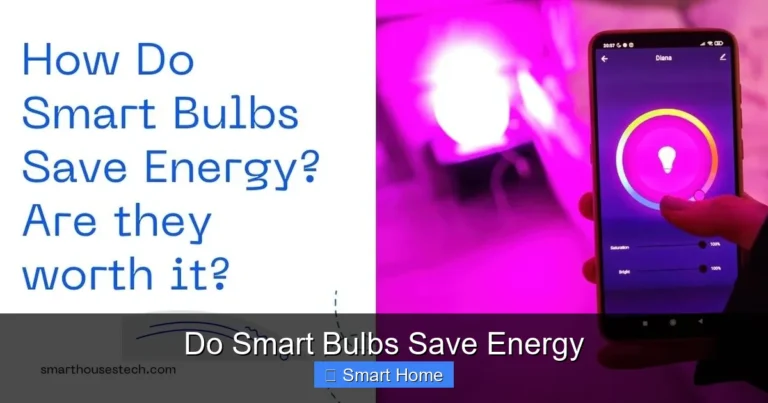
Smart bulbs don’t work in isolation. They rely on companion apps that let you control them from your phone. These apps aren’t just simple timers or on/off switches—they’re full-featured interfaces with sliders for brightness, color pickers, scheduling tools, and automation rules.
Visual guide about Why Are Smart Bulbs So Expensive
Image source: downlightsdirect.co.uk
Developing a smooth, intuitive app takes time, money, and expertise. Companies must design the user interface, ensure compatibility across iOS and Android, and integrate with popular smart home platforms like Google Home, Amazon Alexa, and Apple HomeKit.
For example, if you ask Alexa to “turn on the living room lights,” the app must translate that voice command into a signal the bulb understands. This requires robust APIs, real-time communication, and error handling. All of this software development adds to the overall cost.
Firmware Updates and Security
Unlike traditional bulbs, smart bulbs can receive updates. These firmware updates fix bugs, add new features, and—crucially—patch security vulnerabilities. A smart bulb connected to your home network is a potential entry point for hackers.
Manufacturers must invest in secure software development, encryption, and over-the-air (OTA) update systems. They also need dedicated teams to monitor for threats and respond quickly to emerging risks. These security measures aren’t free—they’re built into the price.
Some brands, like Philips Hue, are known for long-term software support. Their bulbs receive updates for years, which adds value but also increases development costs. Others may release a bulb and abandon it after a year, leaving it vulnerable and outdated. The difference in support quality often reflects in the price.
4. Manufacturing and Design Complexity
Custom Engineering
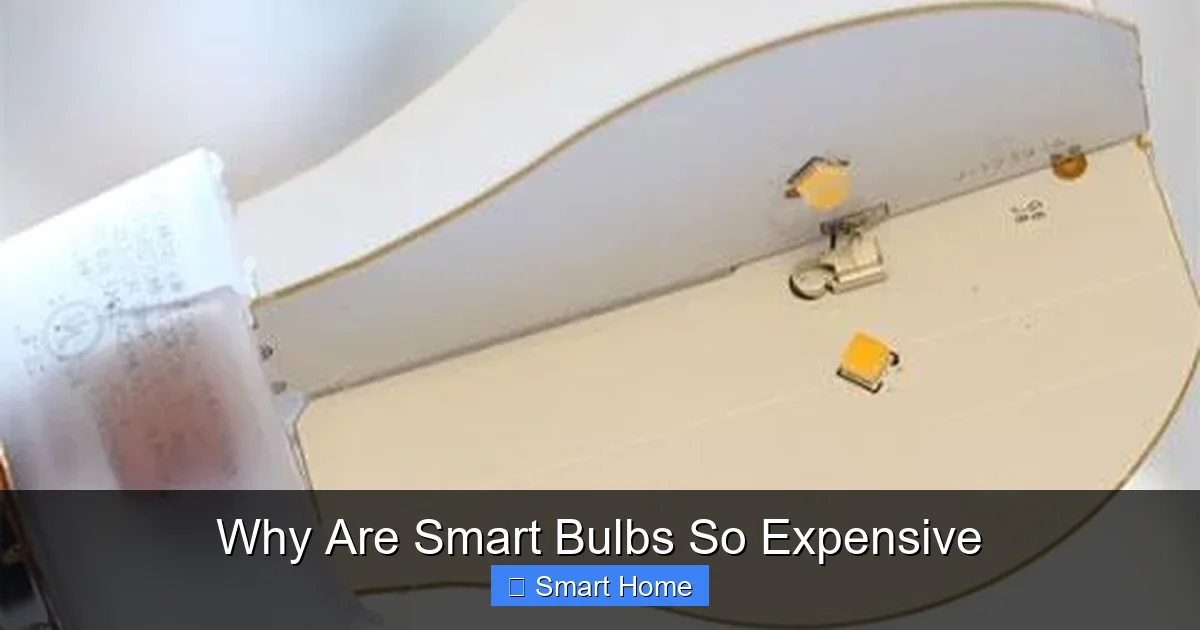
Smart bulbs aren’t mass-produced using off-the-shelf components like traditional bulbs. Instead, manufacturers design custom PCBs (printed circuit boards) that fit snugly inside the bulb housing. These boards integrate the microcontroller, wireless module, LED drivers, and power regulation circuits into a compact, efficient layout.
Custom engineering is expensive. It requires skilled engineers, prototyping time, and rigorous testing. Every design iteration involves tweaking the circuit, testing heat dissipation, and ensuring compatibility with different voltage systems (like 120V in the U.S. or 230V in Europe).
Additionally, smart bulbs must meet strict safety standards (like UL or CE certification), which involves lab testing and documentation. These certifications ensure the bulb won’t overheat, cause electrical fires, or emit harmful radiation. Passing these tests adds time and cost to the production process.
Design and Aesthetics
Many smart bulbs are designed to look good—not just function well. Sleek, modern designs with frosted glass or minimalist casings appeal to homeowners who care about aesthetics. This means investing in molds, materials, and finishes that are both durable and visually pleasing.
For example, LIFX bulbs use a proprietary LED strip and diffuser to create even light distribution and a premium look. Philips Hue bulbs have a distinctive design with a base that houses the electronics, all encased in a soft, frosted glass. These design choices aren’t cosmetic—they impact heat management, light diffusion, and user experience.
High-quality materials and finishes also cost more. Frosted glass, for instance, is more expensive than clear plastic, and metal heatsinks are heavier and pricier than plastic ones. The result is a bulb that’s both functional and beautiful—but also more expensive.
5. Brand Premiums and Ecosystem Integration
Brand Reputation and Quality Assurance
Just like luxury cars or smartphones, some smart bulb brands command a premium price because of their reputation. Philips Hue, for example, is one of the most trusted names in smart lighting. They’ve been in the market for over a decade, have a large ecosystem of compatible devices, and offer excellent customer support.
Consumers are willing to pay more for reliability, longevity, and ease of use. A $50 Philips Hue bulb may cost more upfront, but it’s built to last 25,000 hours—equivalent to 22 years of use at three hours per day. That kind of durability and performance justifies the higher price for many buyers.
In contrast, cheaper bulbs might use lower-quality components, have shorter lifespans, or lack consistent connectivity. While they may seem like a better deal at first, they often end up costing more over time due to frequent replacements or poor performance.
Ecosystem Lock-In and Compatibility
Many smart bulb brands build ecosystems—a network of compatible devices and services. For example, Philips Hue bulbs work seamlessly with Hue dimmer switches, motion sensors, and light strips. This creates a cohesive smart home experience.
But there’s a catch: these ecosystems often favor one brand. If you buy a Hue bulb, you’re more likely to buy other Hue products because they work better together. This strategy increases customer loyalty and allows brands to charge premium prices.
On the other hand, universal bulbs like those using Matter protocol aim to break this lock-in. They work across brands and platforms, which can reduce costs over time. But even then, early adopters of Matter-compatible bulbs often pay more due to limited competition and higher development costs.
6. Market Dynamics and Scaling Challenges
Low Production Volumes
While smart bulbs are growing in popularity, they still represent a small fraction of the overall lighting market. Most homes still use traditional bulbs, and many consumers are hesitant to adopt smart technology.
This means manufacturers produce smart bulbs in lower volumes compared to standard LEDs. Lower production volumes spread fixed costs (like engineering and tooling) across fewer units, driving up the per-unit cost. Economies of scale only kick in once demand increases significantly.
Supply Chain and Component Costs
The global supply chain plays a big role in pricing. Microcontrollers, wireless chips, and LEDs are made in specialized facilities and subject to global demand. For example, a shortage of Wi-Fi chips in 2021-2022 led to price increases across the tech industry, including smart bulbs.
Additionally, shipping and logistics costs have risen due to geopolitical tensions, fuel prices, and port congestion. These external factors can push up the final retail price, even if the bulb’s internal components haven’t changed.
Retail and Marketing Expenses
Smart bulbs are sold through online retailers, big-box stores, and brand websites. Each channel comes with its own costs: warehouse fees, shipping, marketing, and customer service. Brands also invest heavily in advertising—TV commercials, social media campaigns, and influencer partnerships—to build awareness and drive sales.
For example, a $30 smart bulb might only cost $10 to produce, but the retail price includes a 40-50% markup for distribution, marketing, and profit. This markup is necessary to cover ongoing expenses and fund future innovation.
Are Smart Bulbs Worth the Cost?
So, after all this, are smart bulbs worth the price? The answer depends on your needs, budget, and lifestyle. If you’re a tech enthusiast who loves automation and customization, the answer is likely yes. If you’re on a tight budget and only need basic lighting, maybe not.
But consider this: smart bulbs can save you money in the long run. LED bulbs use up to 80% less energy than incandescent bulbs. If you run a smart bulb for 5 hours a day, you could save $10–$15 per year on your electricity bill. Over the bulb’s 25,000-hour lifespan, that adds up to $200–$300 in savings.
Plus, automation features like scheduling and geofencing can reduce waste. Imagine your lights turning off automatically when you leave home—no more forgotten bulbs burning all day. Or having your lights dim at 10 PM to help you wind down. These conveniences add up, making the higher upfront cost easier to justify.
For most people, the real value isn’t in the bulb itself—it’s in the experience. The ability to wake up to soft morning light, set the mood for movie night, or turn on your porch light from bed? That’s priceless.
Tips to Save on Smart Bulbs
While smart bulbs may seem expensive, there are ways to reduce the cost without sacrificing quality:
- Buy in bulk: Many retailers offer discounts when you buy multiple bulbs at once. Philips Hue, for example, sells packs of 2, 4, or 8 bulbs at reduced prices.
- Wait for sales: Black Friday, Prime Day, and back-to-school sales often feature big discounts on smart bulbs. Sign up for retailer newsletters to get early access.
- Choose energy-efficient models: Look for bulbs with high lumens and low wattage. A 900-lumen bulb using only 9 watts is more efficient than a 600-lumen bulb using 12 watts.
- Use universal bulbs: Brands like Sylvania, GE, and LUXSAA offer affordable smart bulbs that work with Alexa and Google Home. They may lack some premium features, but they’re great for basic automation.
- Consider used or open-box items: Check refurbished sections on Amazon or manufacturer websites. These bulbs are often tested and certified, with warranties, and can save you 20–30%.
Remember, the goal isn’t to buy the cheapest bulb—it’s to find the best value. A $20 bulb that lasts 10 years is a better deal than a $5 bulb that burns out in six months.
Frequently Asked Questions
Why do smart bulbs cost more than regular bulbs?
Smart bulbs contain advanced components like microprocessors, wireless modules, and high-quality LEDs, all of which increase production costs. They also require software development, app integration, and ongoing security updates, unlike traditional bulbs.
Are smart bulbs worth the money?
Yes, for many users. Smart bulbs save energy, offer automation and convenience, and can last for years. The long-term savings on electricity and the added comfort of smart features often justify the higher upfront cost.
Can I save money on smart bulbs?
Absolutely. Buy in bulk, wait for sales, choose energy-efficient models, and consider universal brands like Sylvania or LUXSAA for more affordable options that still work with Alexa and Google Home.
Do smart bulbs use more electricity?
No, smart bulbs are typically LED-based, which use up to 80% less energy than incandescent bulbs. The extra power used by the microcontroller and wireless module is minimal—less than 1 watt.
Why do some smart bulbs cost $50 or more?
High-end bulbs from brands like Philips Hue or LIFX include premium materials, advanced features like tunable white and color accuracy, long software support, and seamless ecosystem integration—all of which justify the higher price.
Are cheaper smart bulbs a good idea?
Sometimes. Budget bulbs can work well for basic lighting and automation, especially if you’re just starting with smart homes. Just be aware that they may have shorter lifespans, less reliable connectivity, or lack future software updates.